REVIEW · ROME
Full Day Combo: Colosseum & Ancient Rome and Rome Evening Panoramic Walking Tour
Book on Viator →Operated by Your Way Tours · Bookable on Viator
Two Rome tours, one long day.
This full-day combo pairs a guided Colosseum + Roman Forum visit in the afternoon with a night-time walk through the historic center. I especially like two things: the way the Colosseum story explains what you’re looking at, and the evening route lines up major landmarks like Trevi Fountain and Piazza di Spagna when the city cools down. One possible drawback: it’s a 6.5-hour plan that runs late (to about 22:00), so you’ll want solid shoes and you’ll accept that you’re on your feet a lot.
I also like the small-group feel: it’s capped at 18 people, and headsets are provided when needed. In past runs, guides including Riccardo Fiore have been praised for being clear, friendly, and focused on details you’d miss on your own—architecture, everyday Roman customs, and the logic behind the big monuments.
Finally, do plan for the practical stuff. You must bring an identity document, and the names on your booking must match what’s used at the ticket office, or entry can be refused. If that sounds annoying, it is—but it’s also the difference between an easy start and a stressful one.
In This Review
- Key things worth knowing before you go
- Entering the Colosseum and Roman Forum without the stress
- Capitoline Hill, Piazza della Rotonda, and why Navona is a must
- Piazza del Popolo to Pincio Terrace: sunset views that actually feel worth it
- Piazza di Spagna and Trevi Fountain after dusk: the classic combo
- A second pass at Pantheon and Piazza Navona, then Campo de’ Fiori
- Price and value: what $104 really covers
- Group size, headsets, and how much walking to expect
- Who should book this combo tour (and who should skip it)
- Quick practical guidance: keep your day smooth
- Should you book Full Day Combo: Colosseum & Ancient Rome plus Rome Evening Panoramic Walk?
- FAQ
- Where does the tour start and end?
- What time does the tour begin?
- About what time does it finish?
- How long is the experience?
- Are tickets for the Colosseum and Roman Forum included?
- Is there skip-the-line entry for the Colosseum?
- Are headsets provided?
- How big is the group?
- Do I need an ID for entry?
- What’s included at the Pantheon during the evening?
Key things worth knowing before you go
- Skip-the-line ticketing for the Colosseum: You get reserved entry and avoid the longest entrance waits.
- Two-part pacing across the day: Afternoon ancient Rome, then a dusk-to-night walk for the classic sights.
- Tight group size and headsets when needed: Easier to hear your guide without constantly craning your neck.
- You’ll cover big-name landmarks efficiently: Trevi, Spanish Steps, Piazza Navona, and more on foot.
- You need moderate physical fitness: There’s walking and some uphill time on the route.
Entering the Colosseum and Roman Forum without the stress
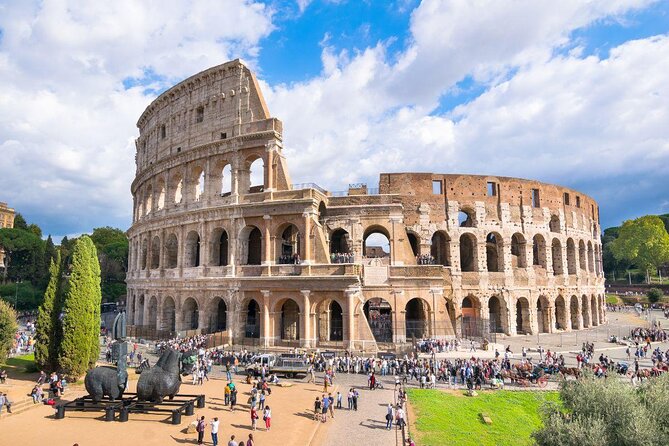
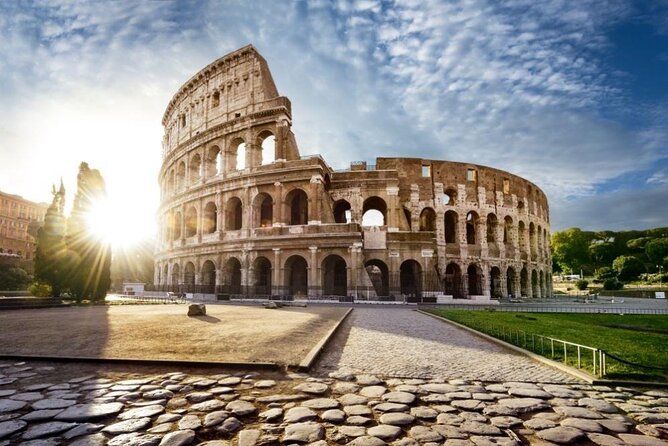
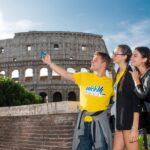
The afternoon starts with a guided entry to the Colosseum, with the help of your guide to skip the long lines at the entrance. The point here isn’t just saving time—it’s protecting your attention. When you’re not stuck in a queue, you can actually start soaking in what the building is.
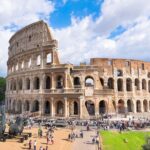
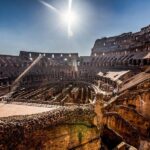
You’ll spend about an hour inside, moving through the Colosseum’s main levels (the first and second tiers). This is where a good guide matters. Instead of treating the Colosseum like a photo spot, the stories are tied to what you’re looking at: gladiator fights, the way the arena functioned, and how the space was designed for crowd energy and spectacle.
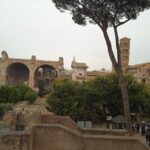
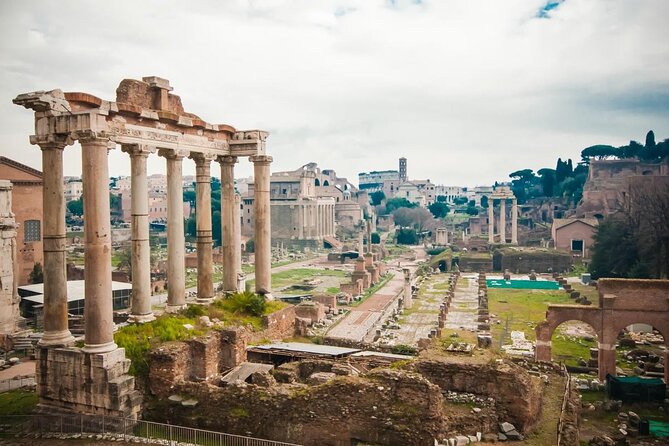
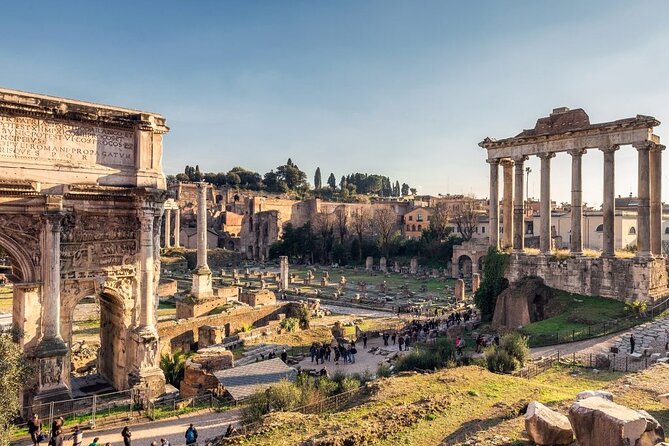
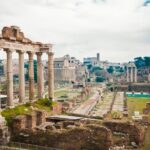
Then you move straight into the Roman Forum for another guided hour. Think of it as the Roman “center of gravity”—not just ruins, but the beating administrative and public-life core of the empire. It’s the kind of place where a guide can turn scattered stone into a map in your head: which areas were used for politics, public announcements, and daily power.
For me, the best value of doing Colosseum + Forum with a guide is that it keeps the sites from feeling like separate attractions. You start to see the bigger picture: entertainment and authority in the same city, in the same era.
You can also read our reviews of more tours and experiences in Rome.
Capitoline Hill, Piazza della Rotonda, and why Navona is a must
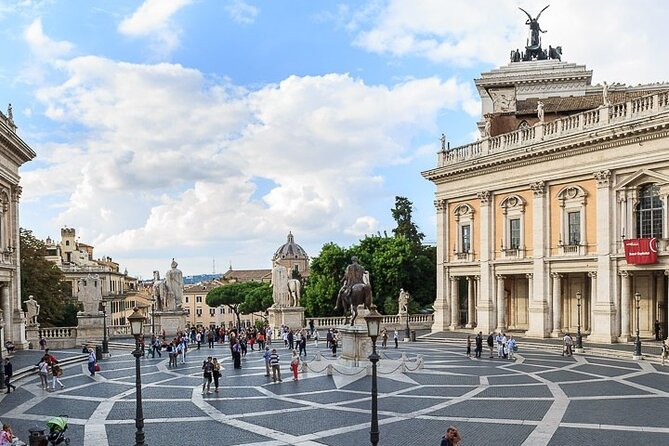
After the Forum, you climb up to Capitoline Hill, described as the smallest but most significant of Rome’s seven hills. That small detail is useful—it helps you understand why Romans would care so much about a “smaller” hill. The big payoff is the view and the setting around Piazza del Campidoglio.
You’ll have about 30 minutes here, including time to admire the famous square designed by Michelangelo. Even if you’re not a hardcore Renaissance fan, it’s worth your time because it shows how Rome keeps repurposing its power centers—ancient elevation becomes a stage for newer artistry.
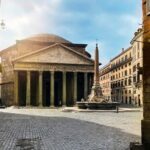
Next is Pantheon and Piazza della Rotonda. You’ll have about 30 minutes for this stop, with a guided visit at the famous temple dedicated to the gods of pagan Rome. It’s often the most preserved ancient building you’ll see in the city, and it’s easy to understand why once you’re standing in the space.
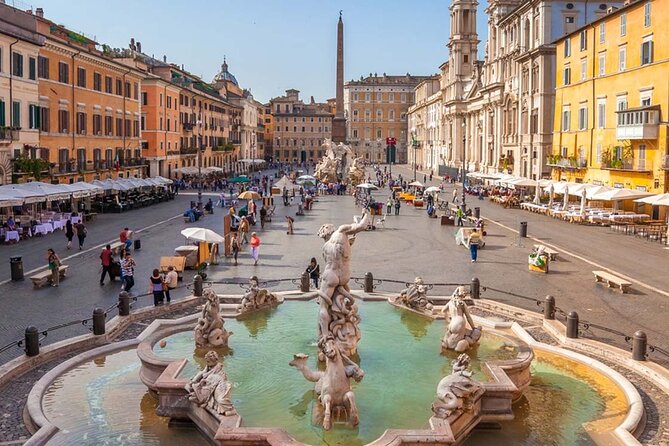
Then the afternoon tour ends at Piazza Navona for around 30 minutes. This square is famous for fountains—there are at least three—and the centerpiece is Bernini’s Fountain of Four Rivers. Navona works well at this point in the day because it’s open, easy to orient from, and it gives you a bright, human scale after the dense ruins.
One practical note: each of these stops is time-boxed. That’s part of the deal with a combo tour. You won’t have hours at each location, so go with the mindset of learning the essentials, getting the photos you want, and staying ready to move.
Piazza del Popolo to Pincio Terrace: sunset views that actually feel worth it
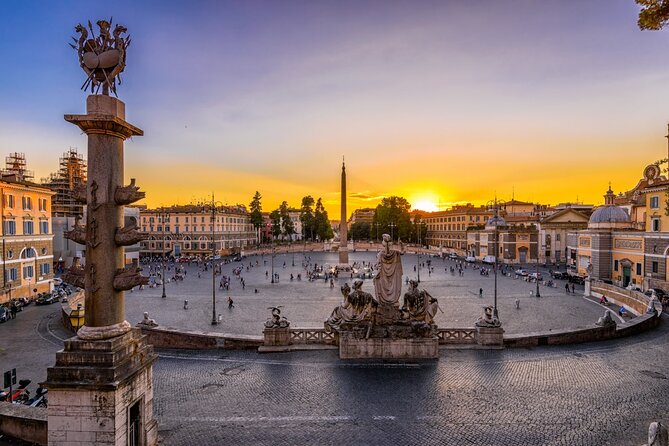
The evening portion begins at 19:00 in Piazza del Popolo. This matters because it shifts the tone of the city. Late afternoon light changes the feel of Rome’s stone and makes walking more pleasant.
From there, your guide moves you toward Terrazza del Pincio, the Pincio Terrace, with time set aside to catch sunset over the rooftops of Rome. You’ll have about 20 minutes here, which is short—but sunrise-level short, not rushed-to-the-point-of-useless. If you’ve ever arrived at a viewpoint and had to share it with a thousand people, you’ll appreciate that this is planned around the right hour.
This stop also helps connect the landmarks. It’s not just “look at a view,” it’s a breather between icon stops. By the time you get back into the denser center areas, you’re less tired and more able to notice details like street angles, building heights, and how the city’s hills shape the skyline.
Piazza di Spagna and Trevi Fountain after dusk: the classic combo
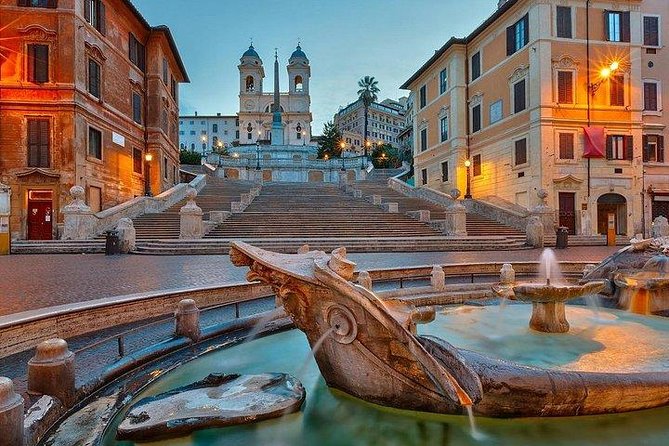
Next up is Piazza di Spagna, including Bernini’s Barcaccia fountain and time near the Spanish Steps. You’ll spend about 20 minutes here. Evening is a smart time to visit because the atmosphere shifts: you get the iconic look of the steps without the brutal heat of midday.
Then you head toward Fontana di Trevi for about 20 minutes. The Trevi Fountain is the biggest Baroque fountain in Rome, and your guide will help you make sense of why it’s so visually dramatic—so you’re not just staring at a single famous image you’ve seen on postcards.
You’ll also be reminded of the traditional coin legend: if you throw a coin into the fountain, it’s said you’ll be sure to return to Rome. Even if you treat that as fun lore (which I do), it gives you a simple ritual to tie your visit together.
A small but real strategy tip: this part is at night, which means crowds can still be heavy at peak times. Your best move is to follow the guide’s pacing and keep moving between brief photo moments, rather than standing in one spot waiting for a perfect empty frame.
A second pass at Pantheon and Piazza Navona, then Campo de’ Fiori
After Trevi, the route brings you back to the Piazza della Rotonda area for Pantheon again. This time, the tour notes an exterior-focused explanation rather than an admission visit. You’ll spend about 20 minutes, giving you a different perspective than the afternoon stop.
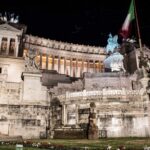
Then you head back to Piazza Navona for about 20 minutes more. Seeing Navona twice in one day sounds odd, but it actually works. In the afternoon it’s about the fountains in bright daylight; at night it becomes all about mood, reflections, and that lively square energy that Rome does so well.
Finally, the walk ends at Campo de’ Fiori around 22:00. It’s a practical finish point because it’s a real neighborhood square, not just a monument. Campo de’ Fiori has a market history and shifts into a nightlife center after dark, so you’re not ending in a dead zone. It’s a strong place to continue on your own—grab a dinner nearby, or just keep wandering the streets while Rome is still awake.
Price and value: what $104 really covers
At $104, this combo tour can feel like a bargain or a stretch depending on what you were planning to do anyway. Here’s the value math that matters:
- The Colosseum and Roman Forum entry is included, including the Colosseum reservation fee and ticket value (listed at €18 per person plus €2 reservation fee).
- Your price also covers the guided time, small-group handling (max 18), and services like headsets when needed.
- The remainder covers other guiding and tour services rather than more site admissions.
So you’re paying for two major guided experiences plus a long evening walk that stitches multiple landmarks into one coherent route. If you’re the type who likes to understand what you see rather than just collect photos, the guide cost is the real bargain.
What you’re not getting: hotel pickup and drop-off, and transport between the afternoon and evening segments. That’s normal for a walking-heavy Rome tour, but plan how you’ll get to the meeting point at Campo de’ Fiori for a 13:45 start.
Group size, headsets, and how much walking to expect
This tour is structured around a small group: maximum 18 participants. That’s a comfort factor because your guide can actually keep pace with the group, and you’re less likely to get lost when the route gets busy.
Headsets are included when needed, which is a big deal in open-air piazzas and crowded streets. You don’t want to lose your guide’s explanations because you’re too far away.
Physical effort is listed as moderate. You’ll be walking through historic streets and you’ll climb up to Capitoline Hill. If you’re managing mobility concerns, it’s worth thinking ahead about your pace and breaks. The good news: the schedule is broken into focused chunks (about 20 to 30 minutes for many stops), not one single long marathon without pauses.
Who should book this combo tour (and who should skip it)
This is a strong fit if you:
- want your first or next trip to Rome to be efficient without turning into a rushed checklist
- like guided context—how the Colosseum and Forum connect to Roman power and daily life
- want a night walk that hits big sights like Trevi Fountain and Spanish Steps when the light looks kinder
You might consider a different option if you:
- don’t want a late finish (it ends around 22:00)
- prefer self-paced exploring at each landmark rather than guided time slots
- are worried about walking and a hill climb
Quick practical guidance: keep your day smooth
Two small things will save you stress in Rome:
- Bring your ID and make sure your booking names match the IDs used at the ticket office.
- Get to the meeting point at Campo de’ Fiori early enough to find your guide. If you arrive late or at the wrong exact spot, you can miss the start.
And if your day gets cut short due to schedule changes, remember this combo is still anchored by the Colosseum and Roman Forum. Even a shortened plan still leaves you with the two biggest ancient-Rome wins.
Should you book Full Day Combo: Colosseum & Ancient Rome plus Rome Evening Panoramic Walk?
If your goal is to see Rome’s headline sights with explanation—then yes, book it. This tour’s real strength is the pairing: guided ancient Rome in the afternoon, then a structured evening route through Trevi, Spanish Steps, Piazza Navona, and more. The small group size (up to 18) and headsets help the experience feel controlled even when the city isn’t.
I’d especially recommend it if you hate wasted time: instead of spending hours bouncing between separate tickets and tours, you get a single long day with a clear arc. Just make sure you’re comfortable walking until late, and bring the right ID so entry stays effortless.
FAQ
Where does the tour start and end?
The tour starts and ends at Campo de’ Fiori, 00186 Roma RM, Italy.
What time does the tour begin?
The start time is 1:45 pm.
About what time does it finish?
It ends at about 22:00 at Campo de’ Fiori.
How long is the experience?
It lasts about 6 hours 30 minutes.
Are tickets for the Colosseum and Roman Forum included?
Yes. Entrance to the Colosseum and the Roman Forum is included, including the Colosseum reservation fee and ticket value.
Is there skip-the-line entry for the Colosseum?
Yes. The tour is designed to help you skip the long lines at the entrance of the Colosseum.
Are headsets provided?
Head sets are included when needed.
How big is the group?
The group maximum is 18 participants (small group size).
Do I need an ID for entry?
Yes. You must bring an identity document (passport or driving license) and the names on your booking must match what you present at the ticket office.
What’s included at the Pantheon during the evening?
The evening includes an exterior explanation from the Piazza della Rotonda area, and Pantheon admission is not included for that part.