REVIEW · STOCKHOLM
Private Tour: Swedish History Day Trip to World Heritage Candidate Markim-Orkesta from Stockholm
Book on Viator →Operated by Sweden History Tours · Bookable on Viator
Runes and churches, just outside Stockholm, right? This private Swedish History day trip takes you through the Markim–Orkesta UNESCO World Heritage candidate area, with Viking-era sites, medieval church stops, and a countryside break. You also get pickup in central areas and a guide in English, so you’re not stuck translating every stone.
What I like most is the way the day blends Viking stories with Christian-era change—so the “why” behind the sites feels clear, not random. I also love the practical reset at an Icelandic horse farm, where you can actually meet the horses and, if the owners are there, talk farm life beyond the tourist script.
One thing to keep in mind: at $567.11 per person, this is best when you’re a small group and value private time. If you’re traveling solo or comparing to cheaper self-guided options, the price can feel steep for a half day.
In This Review
- Key takeaways before you go
- A private Viking-to-medieval time walk outside Stockholm
- Price and logistics: what $567.11 buys you (and why it can still be worth it)
- Arkils tingstad: Viking assembly by the lakes
- Vallentuna church: runestones, a Reformation-era room, and the “before Markim–Orkesta” warm-up
- Markim–Orkesta candidate sites: King Vasa ruins and the story of Christian change
- Orkesta kyrka and the outside rune stones: Ulv’s legend keeps walking with you
- Husbyöhns Islandshästgård: Icelandic horses and a real countryside reset
- Snåttsta Gård AB and Inga’s rune stories
- Lindholmen ruins: more King Vasa context, without feeling like repetition
- Lunch in Vallentuna: budget for time and your own tastes
- Who this tour suits best (and who might not)
- Should you book the Swedish History Day Trip to Markim–Orkesta?
- FAQ
- What time does the tour start?
- How long is the day trip?
- Is this a private tour?
- What’s the maximum group size?
- Do I get pickup from my hotel?
- Where is pickup not available?
- Is lunch included?
- What language is the tour in?
- Are admission tickets included?
- What is the cancellation policy?
Key takeaways before you go
- Private, small-group format with a local guide and driver/guide, limited to a max of 12 per booking
- Markim–Orkesta World Heritage candidate area plus multiple rune-stone stops tied to specific people and eras
- Free admission tickets at the listed sites, so your main cost is the tour itself
- Crisp timing (about 5 hours total) with short on-site visits that move efficiently
- Icelandic horse farm break at Husbyöhns Islandshästgård, including a chance to greet the horses
- Flexible guidance has shown up in real-world experiences, especially around what you choose to spend extra time on
A private Viking-to-medieval time walk outside Stockholm
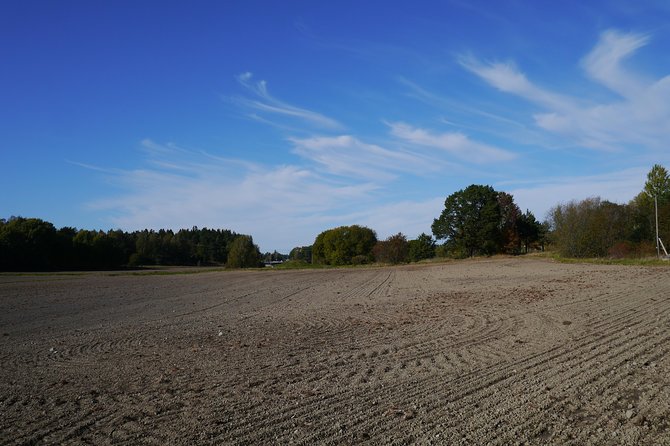
This is the kind of day trip that feels like a switch flips: you leave central Stockholm and trade city noise for churches, graveyards, rune stones, and farm settings. The big draw is Markim–Orkesta, labeled as a UNESCO World Heritage candidate area, plus the surrounding parish sites that connect several eras of Swedish history.
You’re not just ticking off monuments. The story thread follows big cultural changes: Viking life and burial customs, then the shift brought by Christianity, and later the Reformation-era upheavals connected to King Vasa. That sequence matters. It turns isolated ruins and stones into a timeline you can actually follow.
The tour runs about 5 hours with a 9:30 am start. You’ll spend roughly half a day away from the bustle, while still coming back to the city with enough energy to enjoy your evening plans.
You can also read our reviews of more tours and experiences in Stockholm.

Price and logistics: what $567.11 buys you (and why it can still be worth it)
At $567.11 per person, this is not an impulse buy. But you are paying for a private format with transportation, guide time, and access to multiple stops in a compact route. You’re also getting an air-conditioned vehicle, which matters on warm or rainy Stockholm days when you’re going in and out of cars.
This works well if you can fill at least two seats, since the booking minimum is 2 people. It’s also a strong value if you like history but don’t want to spend your day driving yourself and guessing where the best viewpoints or explanations are.
A key practical point: pickup is offered for central hotels, ports, and accommodations within 3 km of Stockholm central station. There is no pickup at Nynäshamn harbor, because it’s about 50 km away. If you’re arriving by cruise and unsure which pier you’re docked at, the meeting instructions are very specific for several ports—so check your pier number early.
Also, admission tickets at the listed stops are marked as free, so you’re not paying a stack of entry fees on top. Lunch is the one obvious extra cost, and it’s not included.
Arkils tingstad: Viking assembly by the lakes
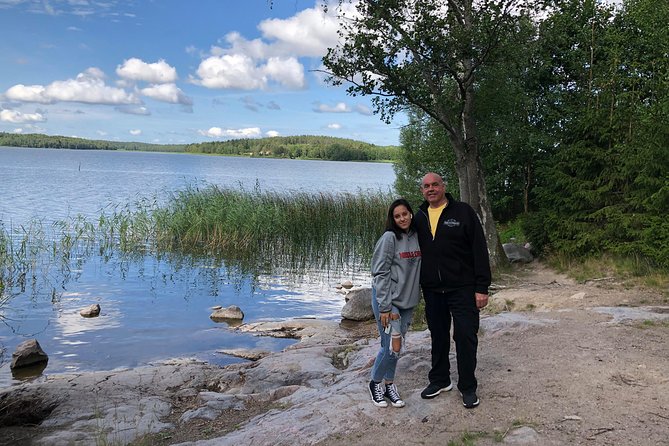
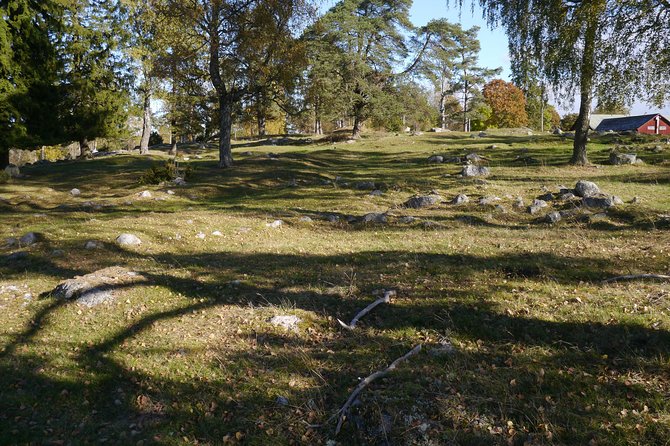
Your day starts at Arkils tingstad, a Viking assembly place. You get about 30 minutes here, which is short—but it’s exactly the right kind of stop to set context. Instead of starting with a church ruin and jumping straight to the past, you begin with a place tied to community decision-making in the Viking Age.
The setting is described as lakeside, and you can feel why that matters. Assembly places tend to be chosen for practical reasons—visibility, access, and gathering space. A guide can make that idea real by connecting what you’re seeing to how people likely used the area.
This is one of those stops where you’ll enjoy it more if you like hearing stories tied to location. If you want silent sightseeing with no narration, you might find the 30-minute format a bit tight. But for most history lovers, it’s a smart opening.
Vallentuna church: runestones, a Reformation-era room, and the “before Markim–Orkesta” warm-up
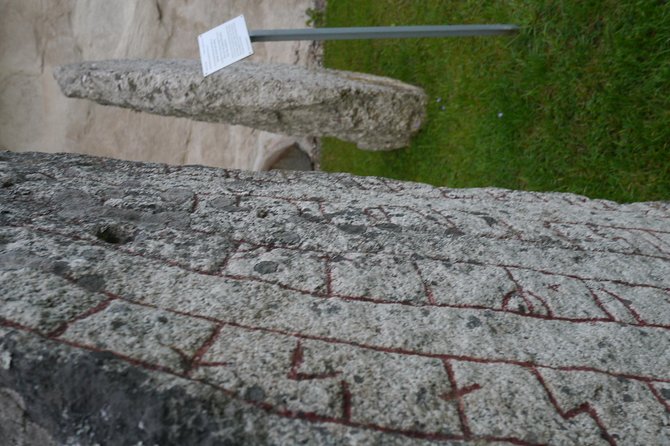
Next comes Vallentuna church, scheduled for about 30 minutes. The value here is specificity. This isn’t a generic church stop; it’s tied to Viking Age artifacts. The church holds two runestones from the Viking period, giving you a direct bridge between what you saw at Arkils tingstad and what’s ahead.
You’ll also hear about the church’s reformatic church room. Even if you don’t care about architecture details, it helps you understand how churches became layered with new meanings over time. That “layers” theme carries into Markim–Orkesta.
From a pacing standpoint, this stop is doing two jobs at once: it’s a historical reference point, and it sets up your route to Markim–Orkesta. If you like knowing where you’re headed before you arrive, this is a great moment to get your bearings.
Markim–Orkesta candidate sites: King Vasa ruins and the story of Christian change
The core of the trip is the Markim–Orkesta UNESCO World Heritage candidate area, and it’s built around a timeline that explains how Sweden’s identity changed.
One headline thread is the likely birthplace of King Vasa. You’ll see ruins tied to that idea and hear how he reformed the Swedish state and church—moving the country from Catholic to Lutheran Protestant rule. The guide also covers his life and controversial rule. That matters because it keeps the Reformation from feeling like a bland textbook shift.
Another thread is the transition from Viking practices to Christian society. You’ll visit a Christian Viking graveyard and hear about Viking burial rituals, followed by the way those practices faded as Sweden became Christianized. This part works best if you enjoy cultural anthropology—how beliefs show up in daily life and in death rituals.
Within this area, you’ll also get a rune-focused stop. The day includes mention of a local church holding six rune stones on its land, with a story about a powerful Viking named Ulv, who plundered England three times. You’ll also see medieval church frescoes and hear about medieval religious life through the stone walls.
Practical note: the tour segments inside this area are time-limited, so expect to take in highlights rather than linger for long. Still, having a guide connect the dots makes it feel less rushed than it sounds on paper.
Orkesta kyrka and the outside rune stones: Ulv’s legend keeps walking with you
Later in the day, you return to another church setting at Orkesta kyrka (about 30 minutes). This is positioned as being in the heart of the UNESCO candidate area, which is a nice payoff after the earlier stops.
What makes this one feel different: the church has three rune stones outside in a rare preserved Romanesque form. That blend of Romanesque structure plus Viking-era runes creates a visual contrast you don’t get with only one era.
You’ll also hear again about Ulv, the Viking linked to three plundering voyages to England. Hearing the story more than once may sound repetitive, but it’s actually useful because each place is tied to the rune landscape around it.
This stop is a good fit for anyone who wants to understand how Viking memory and Christian church spaces overlapped. It’s also a good moment for questions—this is the part of the day where your guide’s storytelling style really pays off.
Husbyöhns Islandshästgård: Icelandic horses and a real countryside reset
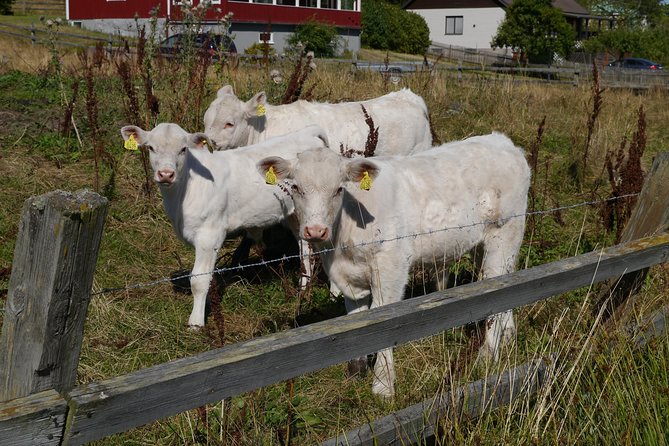
About halfway through, you get a welcome break from stones and churches at Husbyöhns Islandshästgård, an Icelandic horse farm. The stop is around 40 minutes, and it’s the most hands-on portion of the route.
Here, you’ll greet the horses and (if the owners are there) greet the people running the farm. This is where the day becomes less “history presentation” and more “life today.” The farm is described as having 40 horse souls, plus a big traditional red barn—so you’ll have something concrete to focus on while you rest your brain.
This is also where the tour’s value shows up in a more emotional way. In real experiences shared by past guests, the owners were described as genuine and kind, and the horse time was often the standout moment. If you’re traveling with kids, this is the stop that can keep attention from fading.
If you’re not a horse person, you’ll still get atmosphere and a countryside feel. Just know this segment is built for meeting animals, not for walking long distances.
Snåttsta Gård AB and Inga’s rune stories
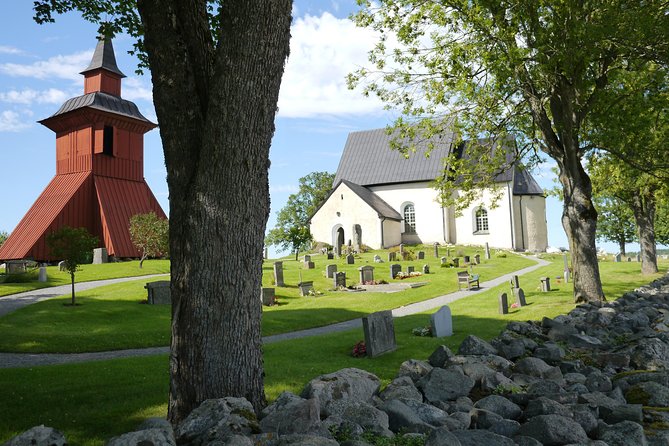
Another short but meaningful stop is Snåttsta Gård AB (about 20 minutes). This is where the day adds a specific personal story into the rune-stone mix.
You’ll see runestones connected to Inga, described as a wealthy Viking woman who raised runestones around her farm, telling stories about how she came to own the land. That’s a fascinating lens. Instead of treating runes as anonymous artifacts, this frames them as messages with purpose: memory, identity, and ownership.
Because the stop is only 20 minutes, it’s less about slow exploration and more about getting the interpretation. If your plan is to spend every spare minute reading every surface detail, you’ll likely want more time. But if you like a guide translating meaning as you look, this quick stop can land very well.
Lindholmen ruins: more King Vasa context, without feeling like repetition
Later you visit Lindholmen (about 40 minutes) to see the ruins connected to the very likely birthplace of King Vasa. You’ll hear again about his role in shifting Swedish rule and church structure from Catholicism to Lutheran Protestantism.
Will this feel like repeat? It can, unless your guide ties the earlier context to what you’re seeing here. The better approach is to treat Lindholmen as a second angle on the same timeline, helping you connect geography to political change.
Also, this portion matters for how the day finishes strong. By the time you’re at Lindholmen, you’ve already absorbed Viking burial stories, Christianity’s spread, and rune-based storytelling. That makes the King Vasa thread feel like the final piece rather than a random historical detour.
Lunch in Vallentuna: budget for time and your own tastes
At Vallentuna, you’ll have a lunch stop of about 40 minutes. Lunch is not included, and it’s described as at the farm restaurant. So budget extra money here.
The good news is that this break can keep the day from tipping into “too much information.” Past experiences also mention that guides can be flexible about lunch location depending on tastes. That flexibility is useful because it’s hard to enjoy medieval and Viking stories when you’re hungry and cramped.
Timing is the only real consideration. At five hours total, 40 minutes can evaporate quickly if you order slowly or if the group needs everyone to settle in. If you’re sensitive to time pressure, plan to keep lunch ordering simple and be ready when the group moves again.
Who this tour suits best (and who might not)
This is a great match if you love Viking culture, runestones, archaeology-flavored church stops, and the human side of historical change. You’ll also enjoy it if you like having a guide explain how Christianity transformed Swedish society and how Reformation politics tie into local sites.
It’s also a strong pick for families who want structure. One shared experience included a granddaughter around age 10, and the guide tailored the route to fit what the group wanted—so kids who enjoy stories and short stops can do well.
Where it may not be ideal: if you want long museum-style time in one place, this is built for movement and interpretation across several sites. Each stop is short, so your experience is “high signal” rather than “slow wander.” And if you’re optimizing for lowest cost, the private price is hard to beat.
Should you book the Swedish History Day Trip to Markim–Orkesta?
Yes, if you want a private, guide-led day that connects multiple eras instead of handing you a list of ruins. You’ll get a tight storyline—from Viking assembly culture to Viking burial practices, then the Christian shift, and finally King Vasa’s political-religious reformation—spread across real places around Markim–Orkesta.
Book it too if you care about practical pacing: pickup near central Stockholm, air-conditioned transport, English guidance, and free admissions at the stops listed. Add the Icelandic horse farm and you get a balanced day, not just stones and walls.
Skip it or rethink if the price is a stretch for your travel style. At $567.11 per person, you’re paying for convenience and interpretation, not for low-cost sightseeing. If that fits your budget, this tour is one of the better ways to spend a half day outside the city while still feeling like you got a full story.
FAQ
What time does the tour start?
The tour starts at 9:30 am.
How long is the day trip?
It runs about 5 hours.
Is this a private tour?
Yes. It’s a private tour with only your group participating.
What’s the maximum group size?
The maximum is 12 people per booking.
Do I get pickup from my hotel?
Pickup is offered for central hotels and accommodations within 3 km from Stockholm central station.
Where is pickup not available?
No pickup is included at Nynäshamn harbor.
Is lunch included?
Lunch is not included. Lunch is at the farm restaurant.
What language is the tour in?
The tour is offered in English.
Are admission tickets included?
Admission tickets are listed as free for the stops.
What is the cancellation policy?
You can cancel for free up to 24 hours in advance for a full refund. If you cancel less than 24 hours before the start time, the amount paid is not refunded.