REVIEW · GOA
Panaji: Heritage Walk through Goa’s Latin Quarter
Book on GetYourGuide →Operated by Make It Happen · Bookable on GetYourGuide
Portuguese Goa shows up in the smallest details. This guided heritage walk through Fontainhas in Panaji brings the Portuguese imprint to life through architecture, road names, and stories you can actually follow on foot.
I especially love two things: the focus on Portuguese influence across buildings, music, food, and art, and the live moment when you meet a well-renowned Goan musician. It’s history you hear, see, and taste—not just read.
One heads-up: it’s a walking group tour through older lanes, so it’s not ideal if you have mobility impairments or struggle with uneven streets.
In This Review
- Key highlights you’ll feel right away
- Fontainhas in Panaji: why this Latin quarter feels different
- Meeting at Panjim Head Post Office: your starting point and first landmarks
- Tobacco Square and the story of Portuguese arrival
- San Thome Chapel and a quick bite at 31st January Bakery
- Chapel of San Sebastian and the photo lanes you’ll actually remember
- Panjim Inn, Fundacao Orient, and Galerie Gitanjali: art stops that make sense
- Heritage homes and what entry really adds
- Meet a Goan musician: the Portuguese thread in music you can hear
- Ceramic souvenir studio: how to shop without derailing the walk
- Price and value: why $12 can feel like a bargain
- Group size, pace, and comfort tips that matter
- Who should book this and who should skip it
- Should you book the Panaji Latin Quarter Heritage Walk
- FAQ
- Where does the tour start?
- How long is the guided walk?
- Is this a private tour?
- What’s included in the ticket price?
- Is food included?
- Are art galleries included?
- What should I bring?
- Is it suitable for people with mobility impairments?
- Can I cancel and get a refund?
Key highlights you’ll feel right away
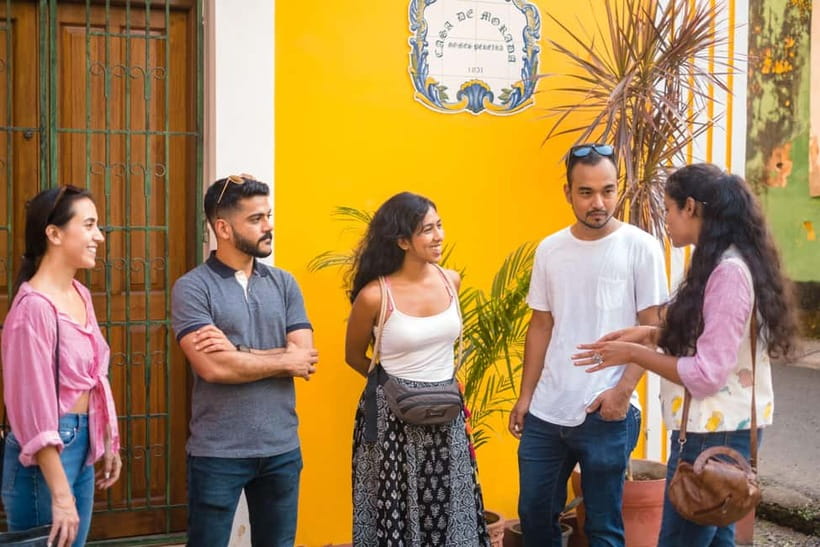
- Fontainhas Latin quarter on foot: winding lanes, heritage homes, and small churches in one compact area
- Portuguese influence explained in layers: architecture, music, food, and art connected as you walk
- Entry into heritage homes: you don’t just look from the outside
- Art stops in Panaji: galleries along the way, with local and international works
- Meet a Goan musician: a live performance tied to Portuguese musical influence
- A relaxed group pace: maximum group size is 20, which helps the guide keep things personal
Fontainhas in Panaji: why this Latin quarter feels different
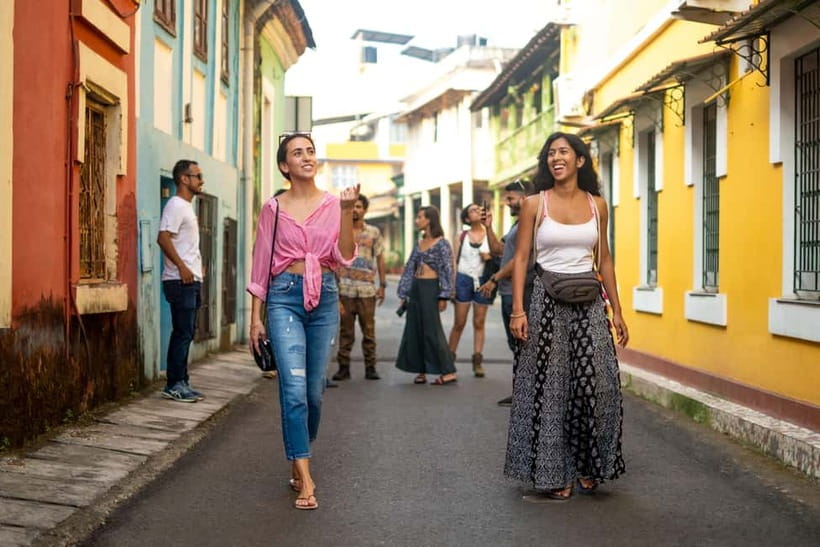
If you’ve only seen Goa’s beaches, Panaji can feel like a curveball—in a good way. Fontainhas is the oldest and largest Latin quarter in Asia, and the neighborhood was shaped in the late eighteenth century. That matters, because the streets weren’t designed for selfies. They were designed for daily life, and you can still read that rhythm today.
The Portuguese influence is the core theme, and you’ll spot it fast. It’s not just a few old facades. You’ll notice it in architectural styles, in the way roads are named, and in how the guide connects Goa’s Latin culture to music and food. Even the name Fontainhas—little fountain in Portuguese—points you to the area’s origin, tied to springs at the base of the Altinho hills.
I like that the walk doesn’t treat Portuguese heritage as a museum piece. It comes through as something people used to build their lives around—and something that still shows up.
You can also read our reviews of more tours and experiences in Goa.


Meeting at Panjim Head Post Office: your starting point and first landmarks
You’ll meet your storyteller at the entrance of the India Post Panjim Head Post Office, near the Mala district of Panjim. If you like an easy visual anchor, the Sao Tome Chapel is described as a closer landmark, so keep that in mind when you’re orienting yourself.
This tour is set up for a smooth walk from the start. No hotel pickup, so you’ll want to build a little buffer into your plan. Once you’re together, the guide gets you moving quickly but not rushed—your pacing is shaped by what the group needs.
One more practical note: it’s a live, English-speaking guide, and the guide is happy to shape the storytelling around your interests. If you care more about architecture than music, or vice versa, you can steer the conversation.
Tobacco Square and the story of Portuguese arrival
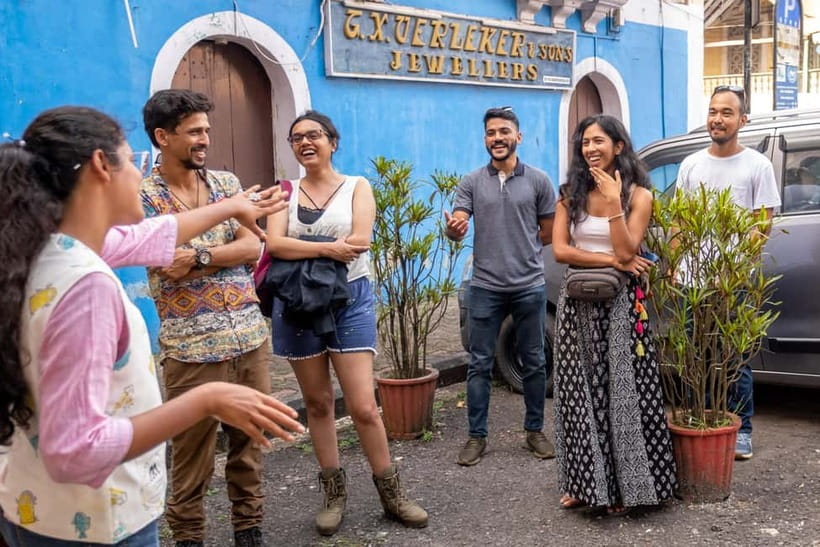
The walk begins by tracing the arrival of the Portuguese in Goa. You start around Tobacco Square and work your way into the neighborhood’s Latin feel. This first stretch is important because it gives you a framework. Without that, Fontainhas can read like pretty streets. With it, the streets start acting like clues.
As you go, the guide points out the cultural logic behind what you’re seeing—why certain styles show up, what Portuguese presence changed, and how those influences worked alongside local life. The details come in small, speakable pieces, so you’re not stuck listening to a long lecture while staring at walls.
Even if you only retain a few points, you’ll get the main idea: this neighborhood isn’t just European decoration dropped onto India. It’s a cultural mix that shaped architecture, music, and everyday customs.
San Thome Chapel and a quick bite at 31st January Bakery
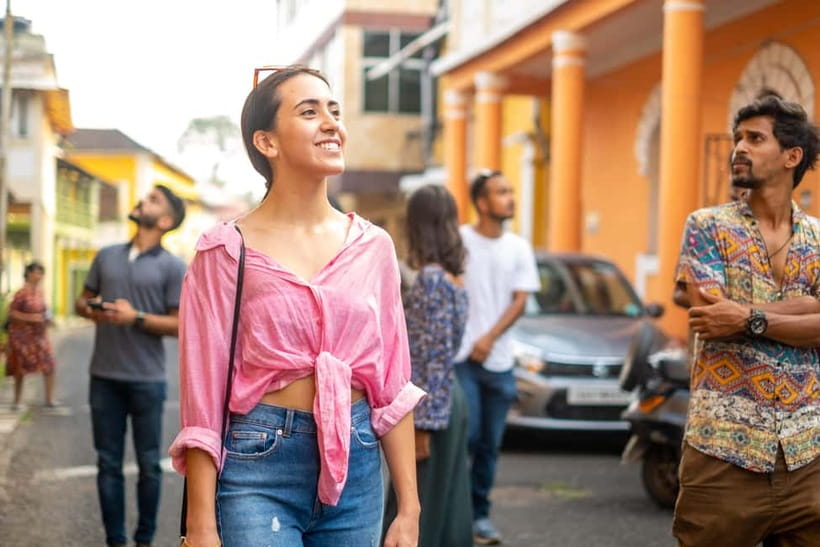
Early on, you pass the small Church of San Thome. It’s the kind of stop that works well on a walking tour: short, specific, and placed so you notice how churches fit into the lane structure around them.
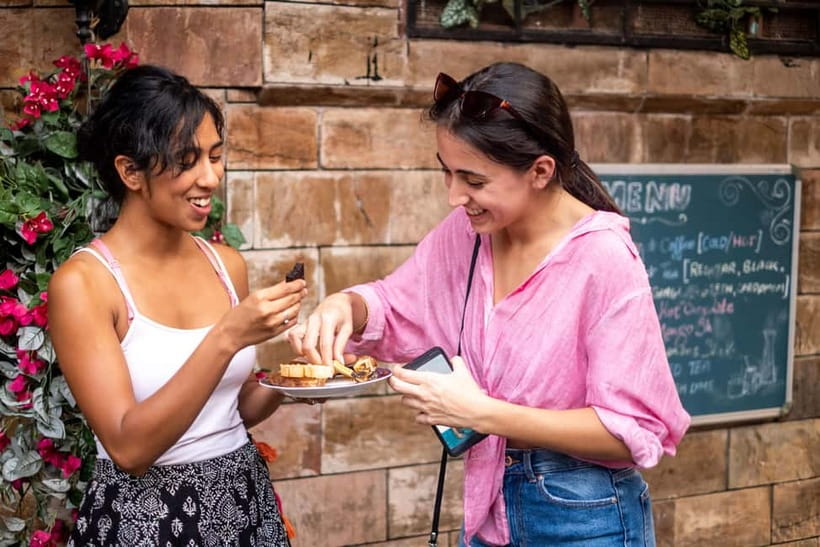
Then comes a pause for a quick bite at 31st January Bakery (often associated with Confeitaria 31 de Janeiro in Fontainhas). In Portuguese-influenced Goa, food stops are more than snack breaks. They’re part of the story.
Plan for cash. Food and drinks aren’t listed as included as a general category, so if you want a full tasting spread, you’ll likely pay for it yourself. That said, this is the right kind of break: quick enough to keep the walk’s momentum, but timed so you’re ready to keep exploring afterward.
Chapel of San Sebastian and the photo lanes you’ll actually remember
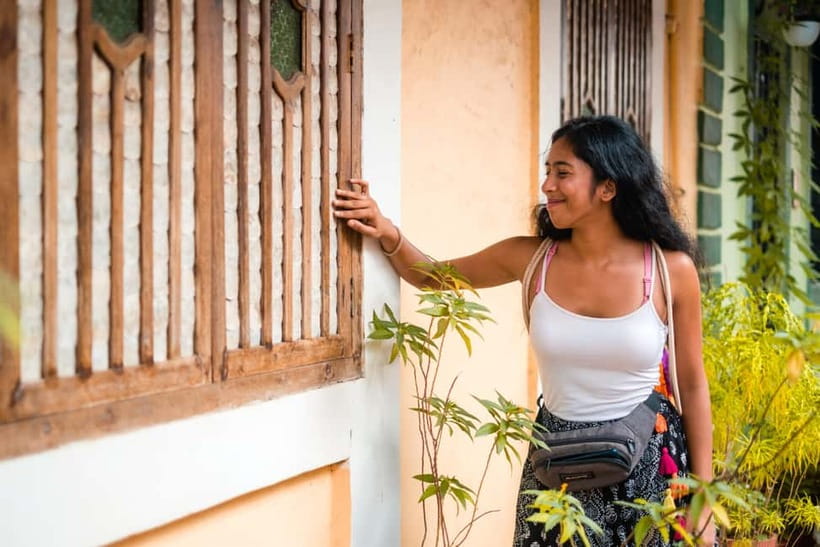
As you make your way through Fontainhas, you’ll reach the Chapel of San Sebastian area. This is one of those moments where the architecture and color work together. You’re not just taking photos of buildings—you’re capturing the visual clues your guide already explained.
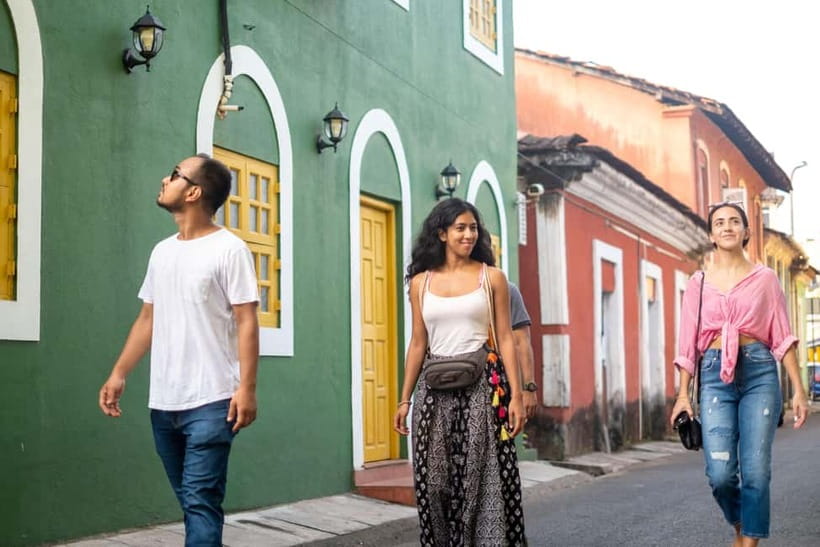
The lanes here are narrow and winding, which can be tricky in heat. But it’s also why the neighborhood feels intimate. You’ll see the way homes sit close to the street, how facades face one another, and how small variations in style can signal different influences.
If you like photos, I’d treat this as your main photo window. Don’t burn time at every corner earlier. Let the guide steer you to the spots where the story and the visuals line up.



Panjim Inn, Fundacao Orient, and Galerie Gitanjali: art stops that make sense
Later, you’ll explore buildings around Panjim Inn, Fundação Orient, and Galerie Gitanjali. These stops add a second layer to the Portuguese influence theme. The walk isn’t only about churches and houses. It also points you toward art—local and international works you can see in a more gallery-style setting.
This part works best if you’re willing to slow down for a minute. On a walking tour, people rush. Here, the art stops are brief by design, but they’re meant to connect the dots: Portuguese presence helped shape cultural tastes, and those tastes show up in art too.
If you’re the type who likes to look longer at paintings, you’ll have time for that within the stop. If you’re not, you can still get the main idea quickly: Goa’s Latin culture shows up in what people create, not only what they build.
Heritage homes and what entry really adds
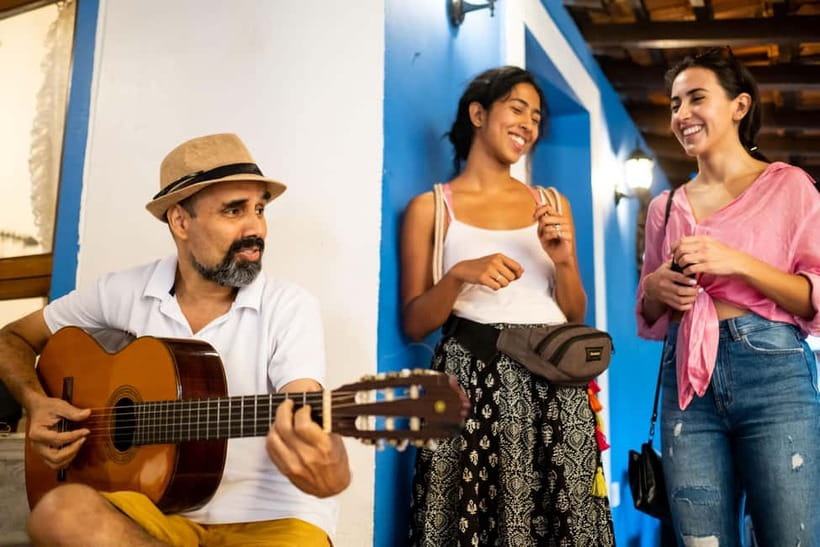
One of the best values on this tour is entry into heritage homes. Looking from outside is fine. Stepping inside is different. Inside, you start noticing scale, layout, and details that don’t show through the street view.
This is where the neighborhood stops being a pretty stroll and starts becoming a living context. You’ll better understand how these houses relate to street life, and you’ll see how architecture supports daily habits.
The guide’s storytelling helps here too. When you hear why something was built a certain way—or how Portuguese influence shows up in the structure—you’re not just seeing old rooms. You’re learning how the neighborhood functioned.
Meet a Goan musician: the Portuguese thread in music you can hear
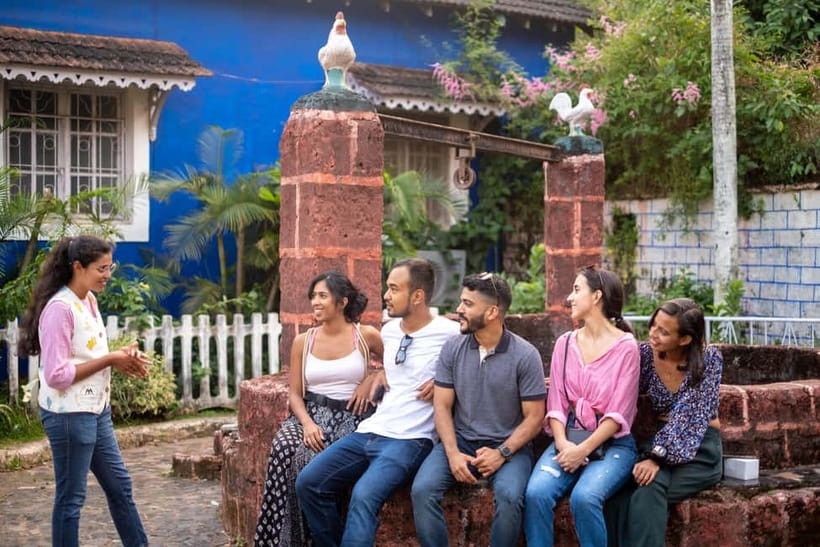
The final emotional hit is the musician stop. You’ll visit a famous Goan musician and learn about the Portuguese influence on Goan music, ending with a live performance.
This is a smart move. Walking through architecture tells one kind of story. Listening to music tells another. And the connection between the two—Portuguese influence—lands in a way that facts alone can’t do.
If you’re the kind of person who likes to end tours with something memorable (and not just another landmark), this is it. The performance gives you a closing scene that feels like Goa rather than a checklist.
In multiple guide styles, you’ll notice the same theme: storytelling that connects music to the wider cultural history of the area. It turns the neighborhood into something you can feel.
Ceramic souvenir studio: how to shop without derailing the walk
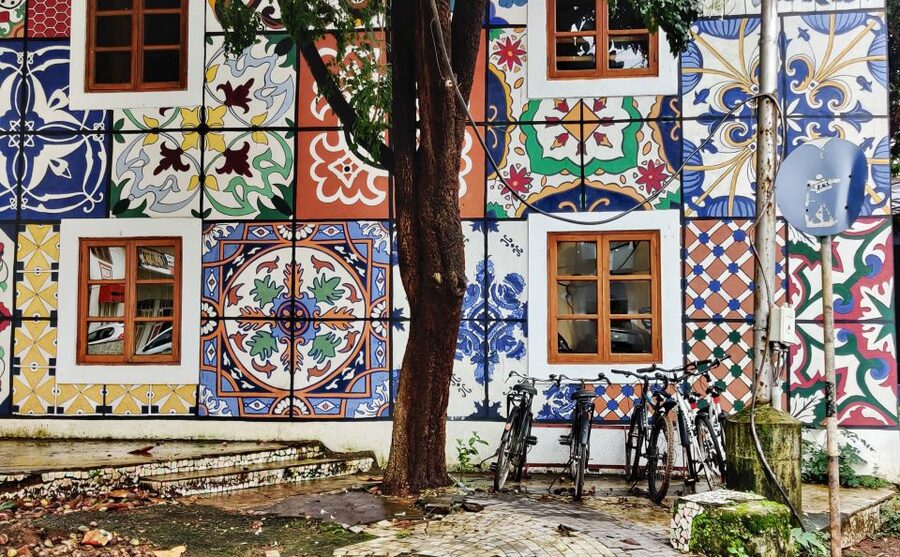
Before heading back, you can stop at a studio that makes handcrafted ceramic souvenirs. Souvenirs aren’t included, so you’ll need to pay if you want anything. That’s actually good—this stop gives you a chance to browse and decide, rather than forcing purchases.
If you do buy something, keep it practical. You’re walking, and you’ll likely still move around Panaji after. If you’re carrying a bag, consider leaving heavy items until later, when you can transport them more comfortably.
This is also a good moment to use the tour’s local perspective: ask what’s made there, what’s typical of Portuguese-influenced styles, or how they see the craft in Goa’s broader culture. Even if you don’t buy, you’ll likely learn something useful.
Price and value: why $12 can feel like a bargain
At about $12 per person for a 2.5-hour walking experience, this is priced like an actual neighborhood tour, not a big production. What makes the value work is what’s included:
- Local English-speaking guide
- Entry into heritage homes
- Meeting a well-renowned Goan musician
Most walking tours at this price range focus only on sights outside. Here, you also get access to interiors (heritage homes) and a live cultural moment (the musician). Add the art-gallery stops, plus the cultural storytelling focus, and the time feels earned.
One small caution on costs: additional food and drinks aren’t included, and souvenirs aren’t included. That means you can keep spending under control if you want. But if you plan to snack heavily and buy ceramics, budget for it.
Group size, pace, and comfort tips that matter
This is a group tour, with a maximum group size of 20. That size is big enough to make the tour social, but small enough for you to hear your guide and ask questions.
The duration is about 2.5 hours, so think of it as a solid activity slot that still leaves room for lunch or dinner after. The walk is part cultural tour, part steady strolling. Your biggest comfort factor is footwear: bring comfortable shoes, and wear clothes that handle walking in warm weather.
Also bring cash and a reusable water bottle. You’ll have a bakery stop where you may want to try something extra, and you’ll likely encounter places where having cash makes life easier.
Who should book this and who should skip it
This tour is a strong fit if you:
- like cultural history you can see on the street
- care about Portuguese influence beyond stereotypes
- want both visual stops (homes, chapels, galleries) and a live music moment
- enjoy small-group walking tours with story-driven guides
It’s not the right fit if you have mobility impairments. The route is a walking experience through an older neighborhood with lanes that can be uneven.
If you’re short on time in Panaji but want something more meaningful than wandering, this is also a good way to get your bearings fast—without feeling like you rushed through the city.
Should you book the Panaji Latin Quarter Heritage Walk
Yes, book it if your idea of a good tour is: a compact route, real local flavor, and storytelling that ties Portuguese influence to what you see and hear. The value is strong because you get more than outside photos—you get heritage home access and a live musician moment, both of which most cheaper tours skip.
I’d especially recommend it if you want the Goa that isn’t only beaches and nightlife. Fontainhas gives you a different side of the state—one where architecture, art, and music share the same origin story.
If you’re traveling with limited walking ability, you should reconsider. Otherwise, show up with good shoes and curiosity. You’ll leave with a sense of Panaji that goes beyond landmarks.
FAQ
Where does the tour start?
You meet at the entrance of the India Post Panjim Head Post Office, near the Mala district of Panjim. The Sao Tome Chapel is listed as a closer landmark.
How long is the guided walk?
The tour runs for about 2.5 hours.
Is this a private tour?
No. It’s a group tour, and the maximum group size is 20 people.
What’s included in the ticket price?
You get an English-speaking local guide, entry into heritage homes, and a meeting with a well-renowned Goan musician.
Is food included?
Additional food and drinks are not included. There is a bakery stop where you can take a quick bite, but you should plan to pay for what you want.
Are art galleries included?
The experience includes stops around galleries to see works by local and international artists, as part of the walk.
What should I bring?
Bring comfortable shoes and comfortable clothes, cash, and a reusable water bottle.
Is it suitable for people with mobility impairments?
No. It’s not suitable for people with mobility impairments.
Can I cancel and get a refund?
Yes. Free cancellation is available up to 24 hours in advance for a full refund.