REVIEW · SALEM
Salem 101 General History Tour
Book on GetYourGuide →Operated by Salem Historical Tours · Bookable on GetYourGuide
Salem has layers; this tour strings them together. I love how Salem 101 covers 400 years of history starting in 1626, so you don’t leave stuck on only the witch trials. I also like the mix of serious Massachusetts history with lighter details like TV and movie sets, plus the stop-by-stop stories that tie the whole town together.
One catch: you’ll be standing most of the time, and there are few places to sit—so if you’re sensitive to crowds, plan to wear supportive shoes and keep close to your guide.
Key takeaways
- 400 years in 1.5 hours: from Salem’s beginnings to the McIntire District’s famous houses
- Witch trials + bigger context: you’ll learn why Salem mattered long before 1692
- Seaport-era scale: hear how trading involved over 250 ships
- Revolution + real locations: find where local rebels planned the rebellion for the area
- Pop culture + big-name visitors: TV and film connections, Alexander Graham Bell, and 18 presidents
In This Review
- What You’re Really Signing Up For on Salem 101
- Starting at the 1805 Custom House (Essex and Central)
- Salem’s Seaport Era: How 250 Ships Changed the Town
- Witch Trials, a Federal-Style Building, and the “Dark Secret” Detail
- Revolution, Local Rebellion Planning, and the Hope to Win
- Alexander Graham Bell, 18 Presidential Visits, and Big Names You Can Point To
- Pop Culture Filming Stops: Where Movies and TV Found Salem
- The McIntire District Finish: Ropes Mansion, Witch House, Bowditch House
- Price and Value: Is $25 Worth 1.5 Hours of Salem?
- Who This Tour Fits (and Who Might Want Something Different)
- Should You Book This Salem 101 Walking Tour?
- FAQ
- How long is the Salem 101 General History walking tour?
- Where does the tour start and end?
- How much does the tour cost?
- Is the tour wheelchair accessible?
- Is the walking route flat?
- Does the tour run in bad weather?
- Are video or audio recordings allowed?
- Are there discounts, and is cancellation free?
What You’re Really Signing Up For on Salem 101
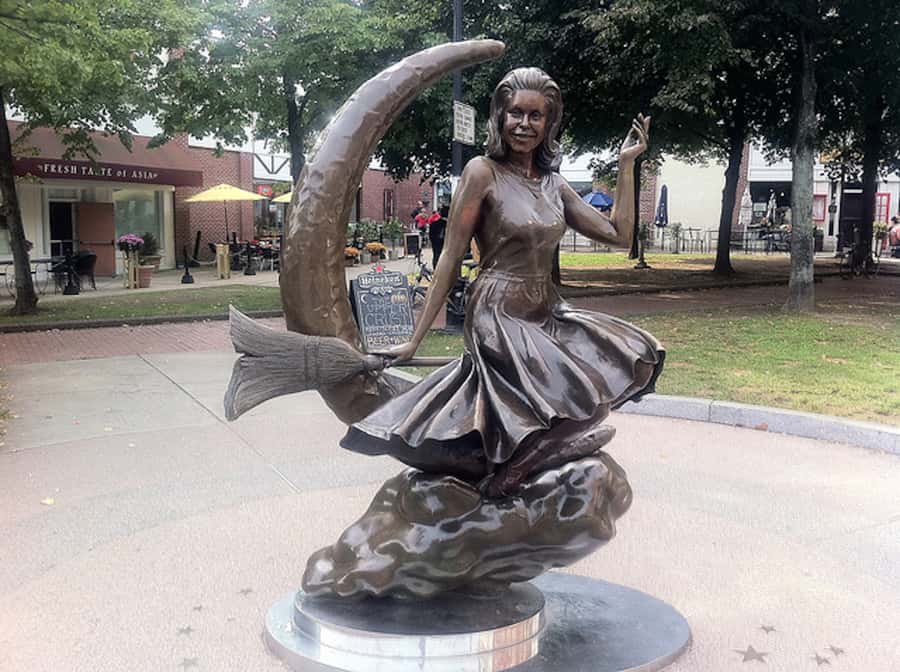
This is a walking tour built to give you a fast, coherent Salem orientation—then reward you with specific, place-based stories. The promise isn’t just “witch stuff.” The structure is more useful than that: start with Salem’s early identity, explain how it grew into a major port, then layer on the witch trials, Revolution, and the later fame Salem gained through celebrities, inventors, and even film and TV.
The time window is 1.5 hours, and that matters. You won’t get a slow, museum-style pace. Instead, you get a guided “map in your head” so you can explore the rest of Salem with better context. If you’re the type who gets lost in a town full of historic plaques, this format tends to click.
Two practical bits also shape the experience. First, there’s an amplifier so everyone can hear. That’s especially helpful on tight sidewalks. Second, the route is relatively flat, but you should still be ready to stand—especially in the busier parts of town.
Starting at the 1805 Custom House (Essex and Central)
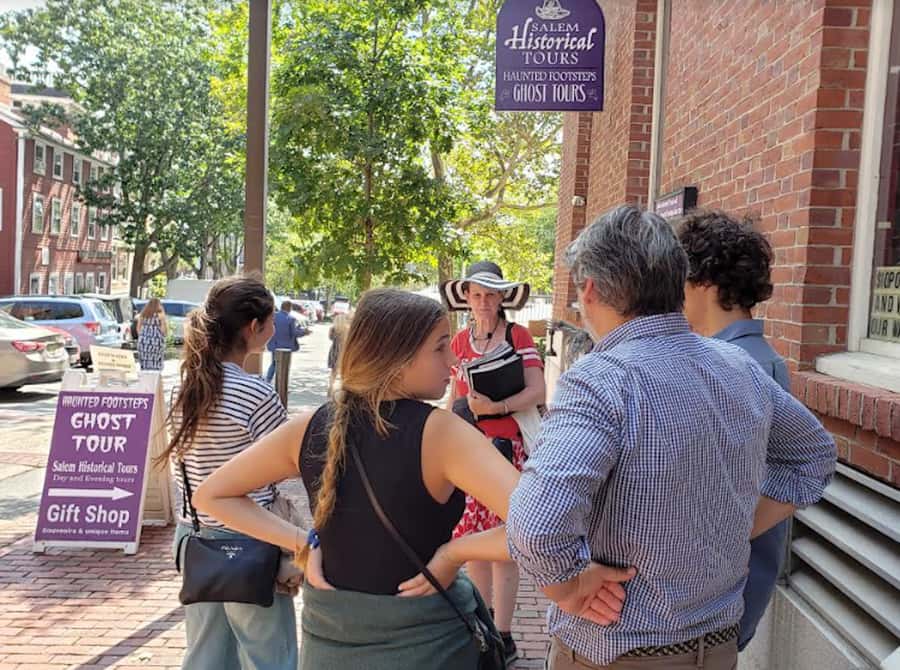
The tour begins at the 1805 Custom House at 8 Central St, on the corner of Essex and Central Streets, and it ends back at the same meeting point. That’s a smart choice for a short tour: you get a clear start landmark, and the route brings you back without making you hunt for your return.
From the beginning, the guide sets a foundation. You start with Salem’s beginnings and how the town grew from humble roots—starting as early as 1626—into a place with global connections. That early framing is one reason this tour feels worth the money: the later stories (witch trials, Revolutionary tension, famous visitors) land better when you understand what kind of town Salem used to be.
Also, the guide’s style seems to be a big part of why people rate this tour highly. In one standout review, Bob is mentioned as doing an excellent job not only sharing the historical material, but weaving it with humor. If your guide has a similar delivery, you’ll likely find the “serious” parts easier to follow.
You can also read our reviews of more tours and experiences in Salem.

Salem’s Seaport Era: How 250 Ships Changed the Town
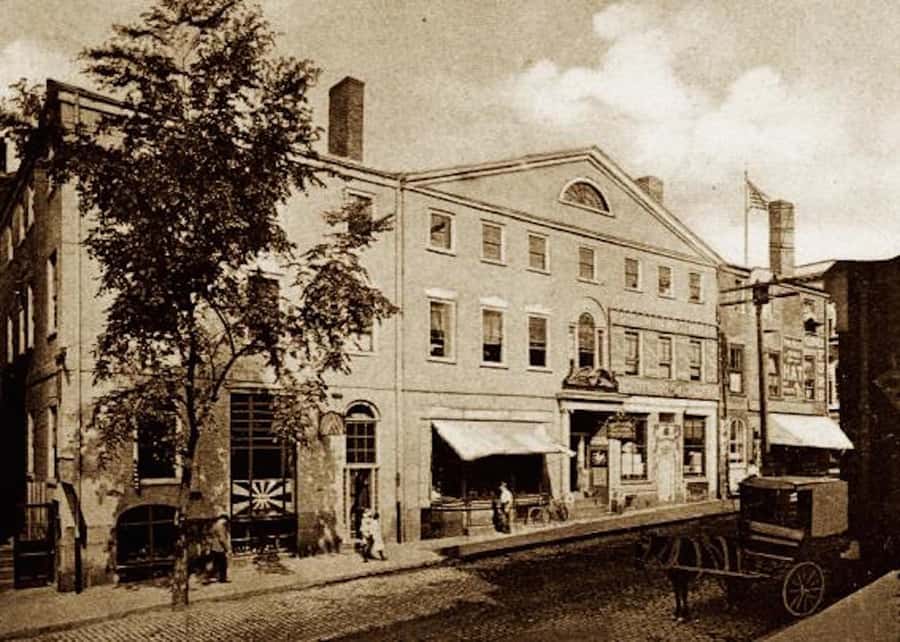
One of the strongest sections is Salem’s great Seaport period—the era that put the town on trading routes far beyond Massachusetts. The tour highlights that trading involved over 250 ships. Even without a spreadsheet of dates, that number helps you picture what kind of wealth, risk, jobs, and connections a port creates.
Why it matters for you: when you only think of Salem as a place of scandal, you miss the economic engine behind daily life. A major port attracts sailors, merchants, letter writers, and travelers. It also creates tension—because money, news, and outsiders don’t make communities automatically harmonious.
This part of the tour helps you understand why Salem’s later reputation stuck. The witch trials may be the headline people remember, but the town’s identity didn’t start there. It started with a role in international trade, and the tour keeps pulling that thread forward as new chapters unfold.
Witch Trials, a Federal-Style Building, and the “Dark Secret” Detail
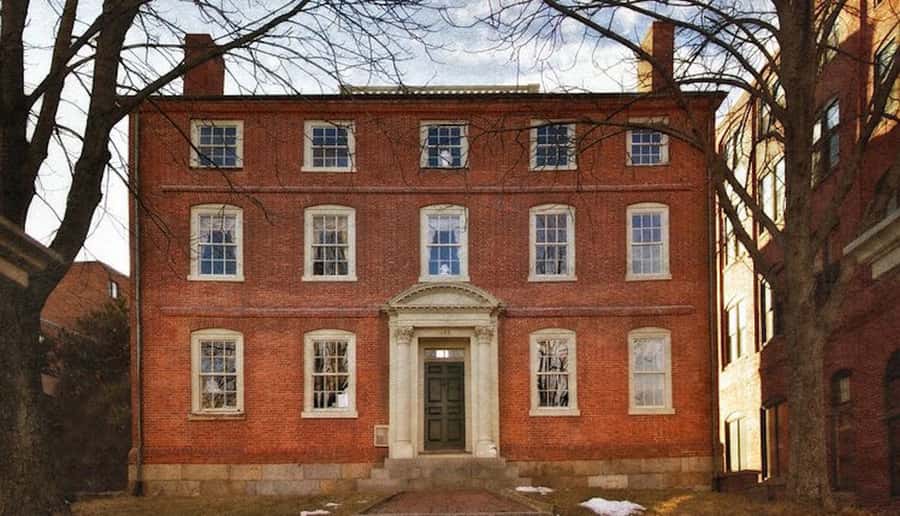
Yes, you’ll cover the 1692 witch trials—but this tour tries to do it with context rather than scare-tour sensationalism. The guide presents Salem as a place where fear, religion, and community conflict mixed in ways that affected real people.
You’ll also hear about several specific locations and stories tied to the built environment. One example mentioned in the tour description is the first Federal-style building built in Salem, along with a dark secret said to be in its basement. That kind of detail is exactly why a walking tour often beats reading random facts online: you’re not just learning history, you’re looking at the setting where history happened.
And then there’s the more surprising “how did they even fit that in?” content: Houdini’s escape from jail is part of the tour narrative. That’s a fun contrast to the grim 1692 material. It reminds you Salem wasn’t only old fear and old courts—it also kept producing legend long after the early colonial years.
If you’re sensitive to heavier themes, pace yourself here. You’ll be learning in quick bursts, and the emotional tone can shift fast between eras.
Revolution, Local Rebellion Planning, and the Hope to Win
The tour doesn’t treat the American Revolution as a distant national story. It frames Salem as a place connected to the conflict in a very local way. You’ll learn about the revolutionary confrontation that gave colonists hope they could win a war with England.
You’ll also hear about the place where revolutionaries met to plan the rebellion for this area. That’s a powerful kind of learning because it turns dates into decisions. The Revolution becomes less like a textbook chapter and more like a chain of meetings, arguments, and choices made by people in your destination.
For practical traveler value, this section helps you do something useful after the tour: when you walk around town on your own, you’ll notice how Salem’s geography and civic spaces could support meetings and movement. You’ll also understand why later “fame” still made sense. A town used to being important (by trade and politics) keeps getting noticed.
Alexander Graham Bell, 18 Presidential Visits, and Big Names You Can Point To
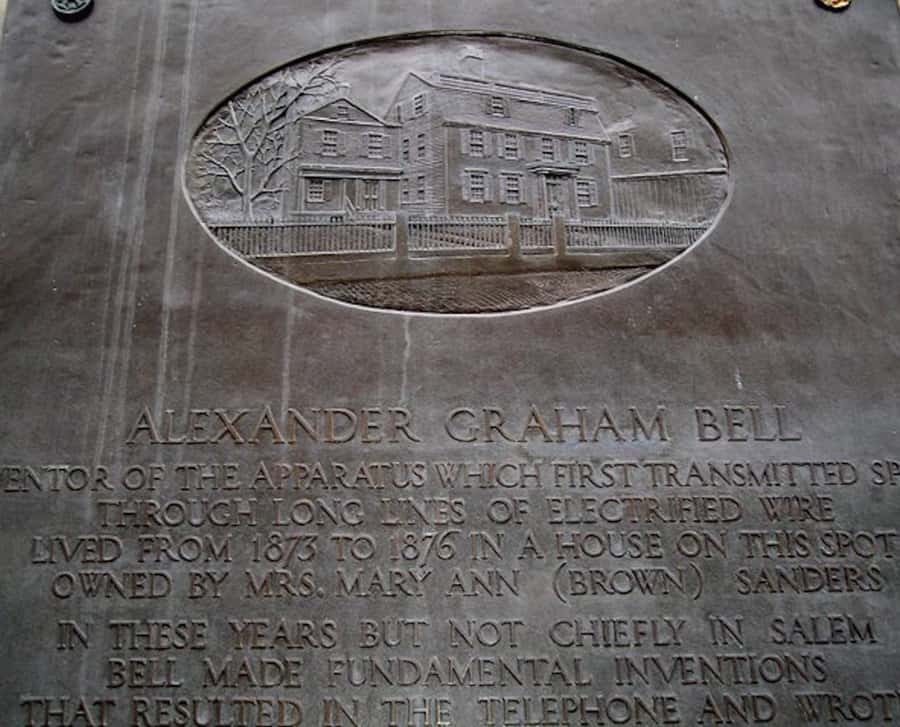
Salem’s story isn’t confined to early settlers and court documents. The tour also pulls in invention and celebrity. You’ll learn where Alexander Graham Bell lived and where he made the first phone call. That’s the kind of fact that makes you look at a street corner and think: someone invented a future here.
The tour also notes that 18 US Presidents have visited Salem, with some visiting more than once. That’s a helpful statistic for your own mental map. Salem wasn’t only a cautionary tale—it was a destination that earned attention from the highest levels.
Two reasons this matters as a traveler:
- It broadens your view of Salem beyond 1692.
- It gives you “anchor facts” you can remember when the town’s historic details start blending together.
Pop Culture Filming Stops: Where Movies and TV Found Salem
If you like connecting your screen life to your real-life photos, this section is for you. The guide explains which movies and TV shows were shot in Salem and ties them to the places you’ll be walking past.
This is one of the more enjoyable parts because it turns Salem from a “past-only town” into a “past plus present” story. You’re not just watching history go by; you’re seeing how modern creators keep choosing Salem’s architecture and mood.
Also, it’s a good way to keep attention during a standing, walking format. When you’re ready for the next stop, pop culture references can give your brain a friendly reset—then you’re back into politics, trade, and colonial life.
The McIntire District Finish: Ropes Mansion, Witch House, Bowditch House
The tour culminates in the McIntire District, which is where Salem’s historic house names become real-world landmarks. You’ll view the Ropes Mansion, the Witch House, and the Bowditch House.
This is a smart ending. After you’ve gone through the big storyline—beginnings, trade, witch trials, Revolution, and famous visitors—these houses act like visual proof. They make Salem’s reputation tangible. You can stand there and connect your earlier facts to the streets, not just to a mental timeline.
One practical note: this is also where crowds can be thick. The streets and sidewalks can feel packed, and it can be harder to keep the group tight. If you’re easily separated, stay on the side your guide prefers and keep your attention on the next landmark rather than drifting for quick photos.
Price and Value: Is $25 Worth 1.5 Hours of Salem?
At $25 per person for 1.5 hours, this tour is priced like a practical “orientation tool.” You’re paying for a guided route, an amplifier so you don’t miss details, and a curated sweep through Salem’s eras.
Where it becomes good value is in the breadth. You get the witch trials, but also the seaport boom, Revolutionary context, pop culture, major inventors, and presidential visits—all without needing to plan six separate stops on your own. For many first-timers, that alone can save time and confusion.
If you qualify for discounts (the tour notes that categories are the same price as students/seniors/military, and discount categories valid with ID include Veterans, Police, Firefighters, Teachers, EMTs, Nurses, and Salem Residents), you may feel even more confident in the math.
The only “value risk” is your own tolerance for standing. Since there are few places to sit, if you’re expecting a relaxed, linger-along pace, you might find it less comfortable than a ticketed indoor attraction.
Who This Tour Fits (and Who Might Want Something Different)
This works especially well if you:
- Are in Salem for a short stay and want the big picture fast
- Prefer a walking guide to reading on your own
- Want witch trial context without ignoring everything else Salem did
- Like history that connects to TV and movies you already know
It may be less ideal if you:
- Need lots of seating or have limited stamina for standing
- Want a slow, deep, stop-and-enter style tour (this is a walking overview)
- Don’t enjoy switching tones quickly between eras
And one confidence booster: the tour has a strong track record for guide performance. Reviews specifically highlight Bob’s ability to connect historical material with humor and to deliver far more than the basics people expect from the witch trial theme.
Should You Book This Salem 101 Walking Tour?
Yes—if you want a high-return first pass through Salem. For $25 and 1.5 hours, you get a structured path through colonial beginnings, seaport power, Revolutionary tension, 1692 connections, major American figureheads like Alexander Graham Bell, and the McIntire District’s headline houses.
Book it if you’re curious, want context, and like learning in a real place with real landmarks. Skip it only if you strongly prefer seated experiences or you already feel fully confident about Salem’s history and filming trivia—because this tour is designed to give you that foundation fast.
FAQ
How long is the Salem 101 General History walking tour?
The tour lasts 1.5 hours.
Where does the tour start and end?
It starts at the 1805 Custom House, 8 Central St, Salem, MA 01970, on the corner of Essex and Central Streets, and it ends back at the meeting point.
How much does the tour cost?
The price is $25 per person.
Is the tour wheelchair accessible?
Yes, the tour is listed as wheelchair accessible.
Is the walking route flat?
The tour route is described as relatively flat.
Does the tour run in bad weather?
Yes, it operates rain or shine.
Are video or audio recordings allowed?
No, video recording and audio recording are not allowed.
Are there discounts, and is cancellation free?
The tour notes that the price is the same for students, seniors, or military, and lists discount categories valid with ID (including Veterans, Police, Firefighters, Teachers, EMTs, Nurses, and Salem Residents). It also states free cancellation is available up to 24 hours in advance for a full refund.