REVIEW · SAN SEBASTIAN
San Sebastián Private Food-Historical tour & meal at a Gastronomy Club
Book on Viator →Operated by Basque Guides · Bookable on Viator
Food doors open in San Sebastián. This private cooking club format plus an Old Town guide turns Basque plates into something you can actually hear about, not just look at, and I like that the pace mixes a market walk with an evening meal. The only catch is the club kitchen follows a tradition where women can watch and be served, but not work, so make sure that fits what you want from the experience.
Over about four hours, you’ll get hotel pickup (if you share your apartment address), a private tour for your group in English, and a meal with Txakoli plus wine or cider pairings. It costs more than a standard walking tour, but the big reason is simple: you’re paying for access to a private sociedad and for a full, hosted meal with drinks included.
In This Review
- Key things that make this tour worth your time
- San Sebastián Old Town with seasonal market shopping built in
- The private cooking club (sociedad): how you experience Basque food culture
- Stop-by-stop: what happens during the 4 hours
- Stop: Basque Guides (tour start at Sarriegi Plaza)
- Old Town walking tour through Donostia-San Sebastián
- Market stop for seasonal ingredients
- Meal in the cooking club: cook, drink, eat
- What you’ll eat: Basque starters, fish or meat, and Basque cake
- Txakoli, Rioja, and cider pairing: why the drinks matter here
- Price reality check: what you’re really paying for at $324.38
- Meeting point, pickup, and timing you should know
- Who should book this private food-historical tour
- Should you book the Basque private cooking club tour
- FAQ
- How long is the San Sebastián private food-historical tour?
- Is the tour private or shared with other groups?
- What does the price include?
- Where do we meet and where does the tour end?
- Is hotel pickup available?
- What’s the minimum drinking age?
- What will I eat and drink?
- Can women work in the cooking club kitchen?
- Is the tour offered in English?
Key things that make this tour worth your time
- Old Town + market together: You don’t just walk. You also stop at the market and shop for seasonal ingredients.
- A private sociedad meal: You eat with your group in a traditional men’s cooking club setting (women can watch and be served).
- Hands-on cooking, with rules: Men cook and access the kitchen, while women are there to experience and enjoy, not work.
- Drink pairings included: Expect Basque Txakoli plus Rioja red wine and/or cider with your meal.
- Everything is bundled: Guide, food (lunch or dinner), wines/soft drinks/beer, taxes, and handling are included in one price.
- Small-window planning: It’s commonly booked about 80 days in advance, so earlier is smarter if you want a specific day.
San Sebastián Old Town with seasonal market shopping built in
This is a walking-focused introduction to Donostia-San Sebastián, centered on the Old Town streets and the daily rhythm locals follow. You start at Sarriegi Plaza, 11 (11:00 meeting), and from there your local guide takes you through the medieval streets and the classic lanes that make San Sebastián feel like a city built for wandering and eating.
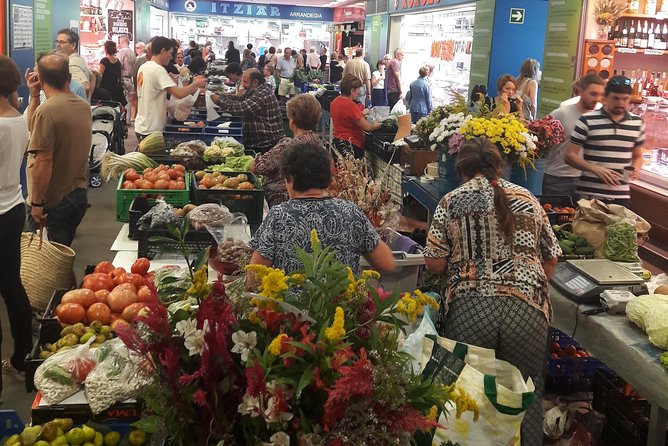
What I like about combining the tour with market time is that it gives context. You see ingredients as ingredients, not just as plates. During the stop at the local market, you’ll gather with locals and buy seasonal products that later become part of what you’ll cook and eat. That makes the meal feel tied to the season, not like a fixed menu that could happen on any day.
A small practical note: the tour is about four hours and is on foot. Most travelers can do it, and it’s close to public transportation, but it’s still real walking time. If you’re in a hurry to see every viewpoint, build this into your day so you’re not sprinting from one plan to the next.
You can also read our reviews of more tours and experiences in San Sebastian.
The private cooking club (sociedad): how you experience Basque food culture
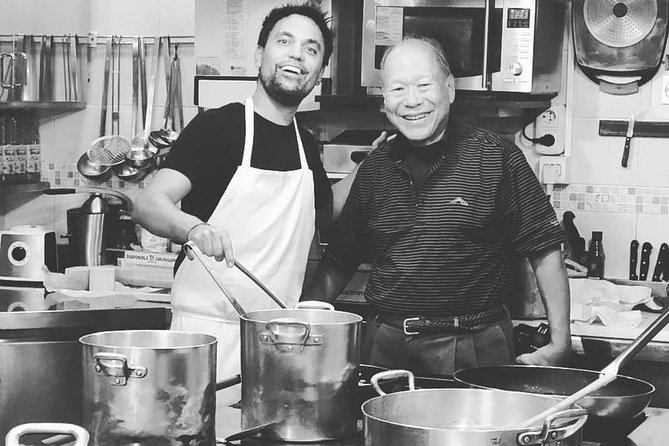
The centerpiece is the meal at a gastronomy club, called a sociedad. This is where the experience goes beyond a normal tour. Instead of eating at a public restaurant, you get a glimpse into a private tradition: a meeting space where the food is made as part of a cultural ritual.
The club structure matters. The main rule is part of the tradition’s history: men cook and access the kitchen, while women are allowed to watch, be served, and enjoy the experience, but not to work in the kitchen. That doesn’t mean you are pushed out of the experience. You’re still part of it. You just experience the cooking from the outside, with the focus on being guests at a club meal rather than joining the work.
Why this is valuable: Basque food culture isn’t only about flavors. It’s about people, roles, and hospitality. In a setting like this, the meal tends to feel more personal because you’re not one more table in a busy dining room. You get conversations, explanations, and that feeling of being let in on something that locals treat with care.
You may meet different members of the Basque Guides team across dates. One host name you’ll see tied to this experience is Iker Bardaji, and cooking hosts can include chefs like Ben. Even if the specific person changes, the format stays the same: you’re hosted inside the club experience, not just fed in a dining space.
Stop-by-stop: what happens during the 4 hours
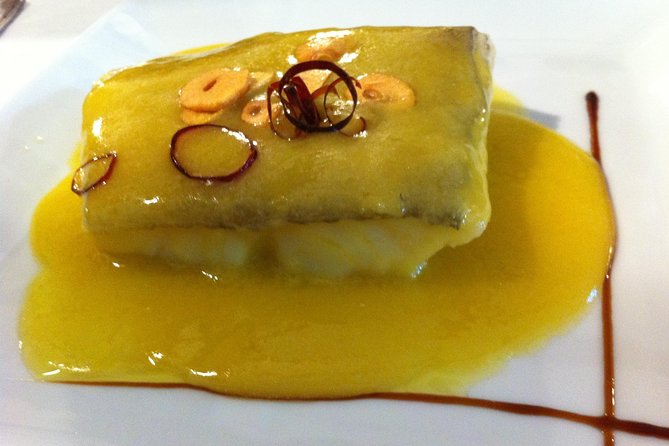
Here’s how the time typically unfolds, with the “why it matters” for each piece.
Stop: Basque Guides (tour start at Sarriegi Plaza)
You begin at Sarriegi Plaza, 11. This is a good spot to orient yourself because you’re already in the part of town where the Old Town vibe starts immediately. Your guide kicks things off with background that helps the streets make sense, including how locals connect food with place.
Old Town walking tour through Donostia-San Sebastián
Next comes the walking portion through the Old Town. Expect stories tied to what you’re seeing and a focus on getting your bearings. Some guides also share practical pointers on pinchos culture—what to look for and how people think about ordering—so you don’t just leave with a full stomach. You leave with a better game plan for your next meal on your own.
The drawback here is simple: if you dislike walking or want a tour that’s mostly sitting down, this one may feel too active. The good news is the pace is built around sightseeing, not museum-level time.
Market stop for seasonal ingredients
Then you head to the market to buy seasonal products. Your guide helps you choose what makes sense for the club meal, and the market stop also lets you observe everyday local life. It’s not just buying food. It’s learning how ingredients connect to the season and what a Basque meal can look like when it follows what’s fresh.
If you’re the type who loves food history as a living thing, this is the moment. You can practically connect it to the cooking step that comes next.
Meal in the cooking club: cook, drink, eat
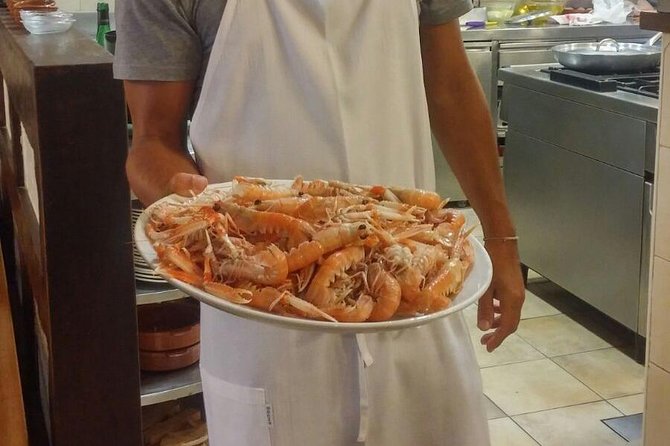
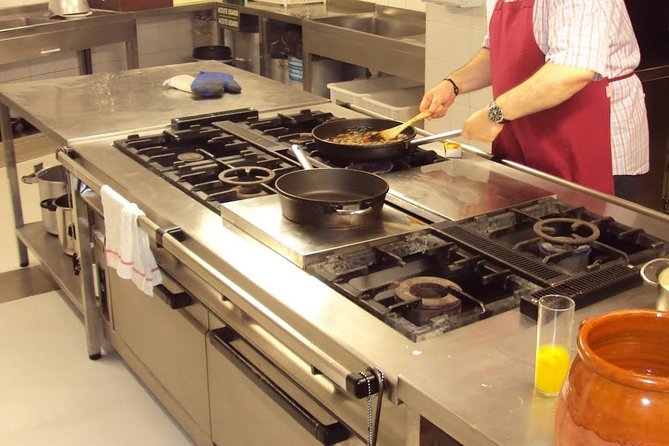
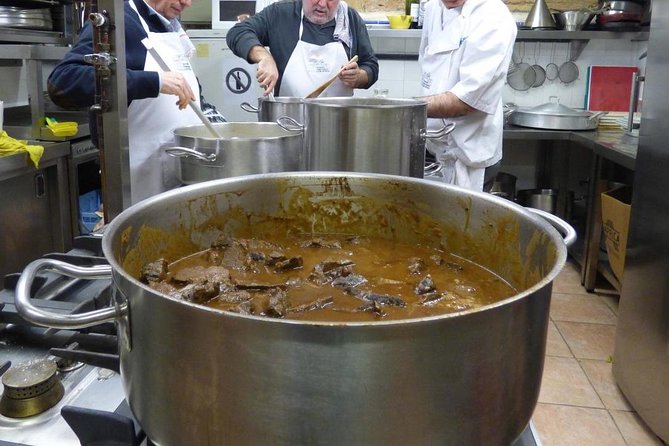
After the market, you shift from shopping and walking to the club meal. Your cooking host prepares the Basque specialties for your group, and you’ll be drinking Txakoli (Basque white wine), with pairings that can include Rioja red and/or cider.
Important: the experience is designed around club rules. Cooking access is part of tradition, so plan for the fact that you might be watching while the kitchen team works, depending on your gender and the club’s role structure.
What you’ll eat: Basque starters, fish or meat, and Basque cake
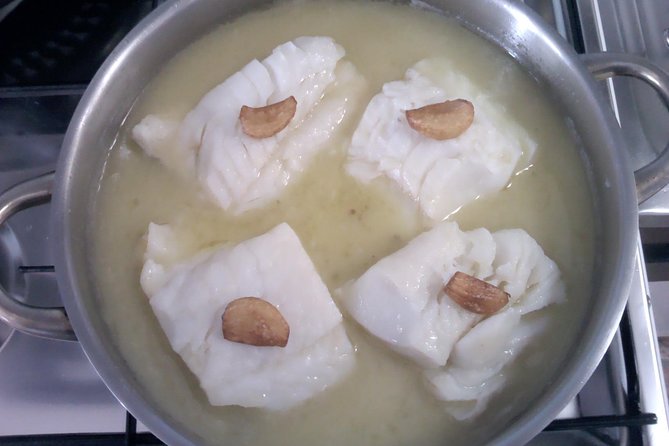
The sample menu gives you a clear expectation of the meal structure:
- Starter: Basque traditional starters
- Main: Basque-style courses, fish or meat
- Dessert: Basque Cake
Even without a listed exact dish name, you can infer the intention: this is not fusion food. It’s classic Basque comfort with seasonal respect, and the cooking club format often leads to more explanation of what you’re eating and why it works.
If you’re a picky eater, double-check your comfort level in advance. The menu outline shows the main categories (starters, fish or meat, cake), but it doesn’t spell out options for allergies or dietary substitutions. Since all food is included, it’s smart to message ahead with any constraints so you’re not guessing.
Txakoli, Rioja, and cider pairing: why the drinks matter here
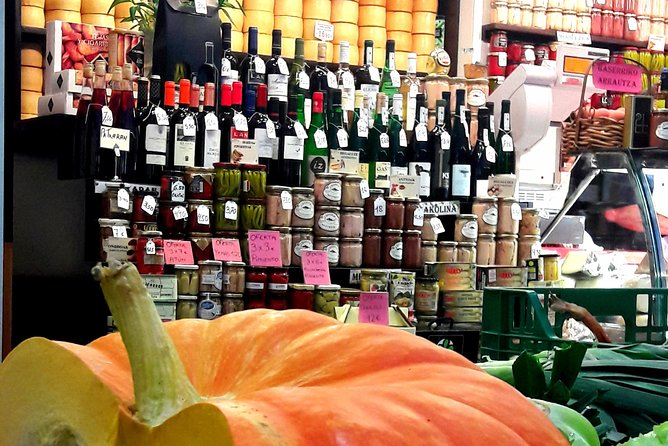
This tour includes wine, beer, soft drinks, and your meal pairings, which is a big part of why it feels complete. You’ll drink Txakoli, and depending on the pairing plan you may also have Rioja red wine and/or cider alongside the meal.
Why I think the pairing is worth caring about: Basque dining is often about matching the right drink to the right style of food. Txakoli’s crispness can cut through richer bites, and cider brings its own local character. Even if you’re not a wine nerd, having the drinks built into the experience means you don’t waste time figuring out what to order after a tour day.
The one hard rule: the minimum drinking age is 18, so plan accordingly.
Price reality check: what you’re really paying for at $324.38
At $324.38 per person for roughly four hours, this isn’t a budget “see the city” option. But here’s the value logic that makes sense.
You’re paying for:
- a private guided Old Town walk for just your group
- the market shopping element that sets up your meal
- access to a private sociedad setting that most visitors won’t experience
- a hosted meal (lunch or dinner) with food fully included
- wine/beer/soft drinks included with pairings
- hotel pickup and drop-off (at least for apartments, if you provide the address)
In other words, the price is less about the time on the street and more about the access and the meal hosting. A regular restaurant meal might cost less, but you wouldn’t get the club setting, the market context, and the role-based tradition that shapes the evening.
So the best way to judge value is this: if you want a Basque meal you can talk about because you understand the culture behind it, this is more cost-effective than it looks. If you only want food and don’t care about the “how,” then a simpler dining plan might be enough.
Meeting point, pickup, and timing you should know
You meet at Sarriegi Plaza, 11, 20003 Donostia-San Sebastián. The activity ends back at that same meeting point.
Pickup is offered, but the detail that matters is this: you need to provide your accommodation address if you’re staying in an apartment. If you’re in a hotel, you’ll still want to confirm pickup details so you don’t end up hunting for the right spot.
A few planning notes:
- You’ll receive confirmation within 48 hours, based on availability.
- Tickets are mobile.
- The tour is offered in English, and the guide may be multi-lingual.
- Free cancellation is available up to 24 hours before the experience starts, which gives you some breathing room if your schedule shifts.
Who should book this private food-historical tour
This works best if you:
- want a private San Sebastián experience instead of a large group shuffle
- care about Basque food culture as a social tradition, not just a checklist of dishes
- like learning with your stomach involved, meaning you can handle walking plus cooking plus eating
- want a night that feels special without hunting for a hard-to-get reservation
It might not be the best fit if you:
- strongly want to actively work in the kitchen yourself (the club rule is that women don’t work in the kitchen)
- have dietary restrictions that require specific accommodations, since only broad menu categories are listed here
- need a tour that’s mostly seated or short on walking
Should you book the Basque private cooking club tour
If you’re spending time in San Sebastián and you want one experience that feels distinctly Basque, I’d book this. The combination of Old Town storytelling, market shopping, and the private club meal creates a “whole story,” not just a dinner.
I’d only hesitate if the club’s role rules around kitchen work would bother you, or if you need very specific dietary handling. If neither is an issue, this is the kind of tour that tends to leave you with more than photos. You’ll understand what you ate, where it came from, and why locals treat that meal space like part of their identity.
If your dates are flexible, aim to book earlier, since it’s often reserved well ahead of time.
FAQ
How long is the San Sebastián private food-historical tour?
It lasts about 4 hours.
Is the tour private or shared with other groups?
It’s private. Only your group participates.
What does the price include?
It includes a private guided tour, lunch or dinner, all food, wines/beer/soft drinks, taxes and fees, and a private local cook and guide.
Where do we meet and where does the tour end?
You meet at Sarriegi Plaza, 11 in San Sebastián, and the tour ends back at the same meeting point.
Is hotel pickup available?
Pickup is offered. If you’re staying in an apartment, you’ll need to share your accommodation address.
What’s the minimum drinking age?
The minimum drinking age is 18.
What will I eat and drink?
You’ll have Basque traditional starters, Basque-style fish or meat as the main, and Basque cake for dessert. You’ll also have pairing drinks including Txakoli, plus wines and/or cider, with beer and soft drinks included.
Can women work in the cooking club kitchen?
Women are allowed to watch, be served, and enjoy the experience, but the club rule is that women do not work in the kitchen. Men cook and access the kitchen.
Is the tour offered in English?
Yes, it’s offered in English. A guide may be multi-lingual as well.