REVIEW · MUMBAI
Mumbai heritage walk- Story of Gothic and Art Deco buildings
Book on Viator →Operated by 5 Senses Walks, Mumbai · Bookable on Viator
Mumbai’s buildings tell stories on your feet. This 3-hour heritage walk connects Gothic Revival and Art Deco architecture in Fort, with snack breaks and history that explains how the city grew.
I love how the tour turns street-stone into a timeline of Mumbai’s rise as a major trading center. I also like the small group size capped at 15 and how guides like Pankaj keep things clear and engaging, not just name-dropping. One watch-out: most stops are viewed from outside (and a couple only from the lobby), so you’ll get more from looking closely than from roaming inside.
In This Review
- Key highlights at a glance
- Gothic Revival and Art Deco in Fort Mumbai: why this walk works
- Meet-up and pace: from CST to the Vastu Sangrahalaya
- Stop 1: Chhatrapati Shivaji Maharaj Terminus (CST) and Victorian Gothic Revival done right
- Stop 2-3: Eros Cinema and Empress Court, Art Deco in full character
- Eros Cinema (outside viewing)
- Empress Court (outside viewing)
- Stop 4-5: Bombay High Court and Rajabai Clock Tower—justice and timing with a human story
- Bombay High Court, Principal Bench (outside viewing)
- Rajabai Clock Tower (outside viewing)
- Stop 6-7: David Sassoon Library lobby view and Elphinstone College’s Gothic presence
- David Sassoon Library and Reading Room (lobby view)
- Elphinstone College (outside viewing)
- Stop 8: Chhatrapati Shivaji Maharaj Vastu Sangrahalaya at Lion Gate
- Price check: is $35 worth it for three hours and snacks?
- What I like most (and what to watch for) on this heritage route
- Who should book this architecture-focused walk
- Should you book? My quick decision guide
- FAQ
- How long is the Mumbai heritage walk?
- How much does the tour cost?
- What group size is the tour limited to?
- Are snacks included?
- Which stops include admission tickets?
- Where do the tour and walk start and end?
Key highlights at a glance
- Victorian Gothic Revival at UNESCO CST, with Indian-influenced design details
- Art Deco street drama at Eros Cinema and Empress Court
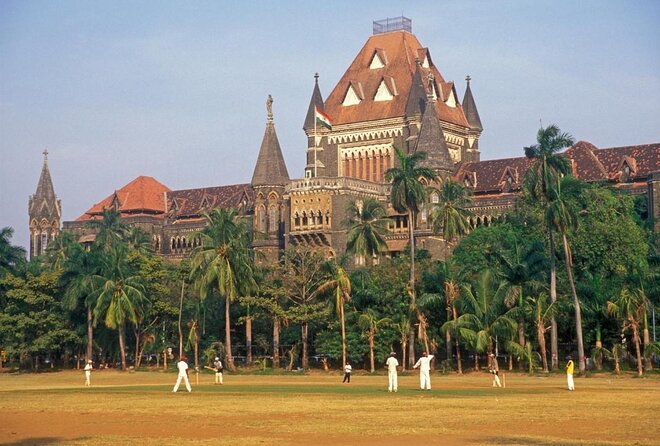
- Law and symbolism at the Gothic Bombay High Court, including Justice and Mercy statues
- A clock tower with a human reason behind its financing and chimes
- Gothic landmarks you mostly see from the outside, plus a lobby peek at David Sassoon Library
Gothic Revival and Art Deco in Fort Mumbai: why this walk works
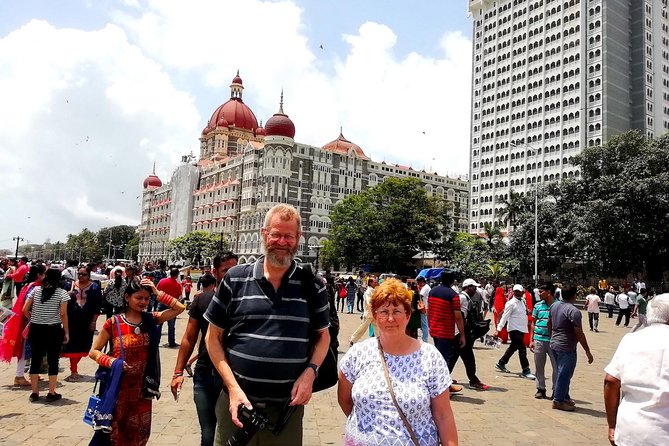
If you’ve ever looked at a famous building and wondered why it looks the way it does, this is your kind of tour. You’re not just checking off landmarks. You’re learning what changed in Mumbai over time, and how architecture became a public language for power, wealth, and ambition.
What makes this route smart is the mix. You start with Victorian-era Gothic Revival at Chhatrapati Shivaji Maharaj Terminus (CST), then swing into Art Deco with landmarks like Eros Cinema and Empress Court. After that, you return to Gothic mode with the Bombay High Court, Rajabai Clock Tower, and the educational institutions and libraries that shaped the city’s identity.
I like that the stories stay practical. The guide helps you connect the design choices to the era, the institutions behind them, and the way Mumbai evolved into a serious trading center. If you’re a history buff or you simply enjoy staring at stone details, you’ll feel like you’re getting a private backstage pass to Fort Mumbai.
You can also read our reviews of more tours and experiences in Mumbai.



Meet-up and pace: from CST to the Vastu Sangrahalaya
The walk runs about 3 hours and starts at Chhatrapati Shivaji Maharaj Terminus in the Fort area. It ends at Chhatrapati Shivaji Maharaj Vastu Sangrahalaya (the Prince of Wales Museum area), near Lion Gate.
The timing is built around short, focused stops—often 15 to 30 minutes each. That means you won’t get stuck in one place too long, and you’ll see the route as a connected loop rather than as isolated monuments. The max group size is 15, which matters more than it sounds. In a dense area like Fort, small groups make it easier for the guide to point out details without losing people in the crowd.
You’ll also get snacks during the walk, which helps keep the energy steady. The tour uses a mobile ticket, so you can keep everything on your phone. Also, it’s near public transportation, which is handy for getting back on track if you’re running late.
One more practical note: this experience depends on good weather. So if you plan your day around it, pick a time when rain is less likely and keep a flexible backup in mind.
Stop 1: Chhatrapati Shivaji Maharaj Terminus (CST) and Victorian Gothic Revival done right
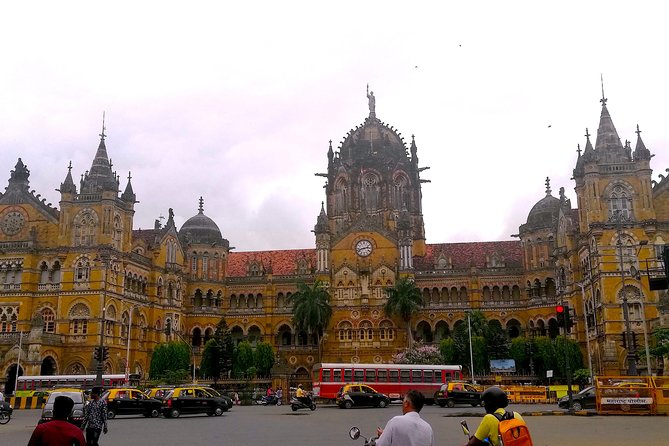
CST is the headline for a reason. It’s UNESCO-listed and is often cited as one of the best examples of Victorian Gothic Revival architecture in India. Your time here is about 30 minutes, and it includes an admission ticket.
What you should look for is the blending. The Gothic feel isn’t copied blindly. The guide’s focus is that the Gothic elements are mixed with themes deriving from Indian traditions. That blend is the point: it shows how global architectural styles were adapted in Mumbai rather than simply imported.
This is also a great stop to get your bearings. Once you understand what to look for—arches, facades, the “vertical” Gothic mood—you’ll start noticing those patterns again later when you move into other Gothic structures on the route.
If there’s a drawback, it’s mostly about expectations. This is not a slow “sit inside and admire” visit. The format is structured, and you’re timed to move on. Still, CST is worth prioritizing because it sets the visual vocabulary for the rest of the walk.
Stop 2-3: Eros Cinema and Empress Court, Art Deco in full character
After CST’s Gothic energy, the walk pivots into Art Deco. That tonal shift is one of the most fun parts because it feels like you’re traveling across decades in a few streets.
Eros Cinema (outside viewing)
Eros Cinema is presented from the outside, and your stop runs about 30 minutes. The description is hard to forget: the building rises in tiers like a wedding cake, with a semi-circular tower topping it.
Art Deco often gets reduced to a label. Here, you get a visual explanation instead. The guide helps you see the shape language—how the tiers and tower create drama—and that’s how you can spot similar Art Deco design elsewhere later.




Empress Court (outside viewing)
From Eros Cinema, you continue to Empress Court, an impressive residential Art Deco building. Your time is shorter here, around 15 minutes, and again you’ll see it from the outside.
This is where the tour adds social context. Living in an Art Deco building like this used to be a status symbol. The architecture wasn’t only about looks; it communicated wealth and position.
One tip for this section: slow down when you pass the facade. Don’t rush for photos. The guide’s best points are usually about what the building is trying to say.
Stop 4-5: Bombay High Court and Rajabai Clock Tower—justice and timing with a human story

Gothic architecture tends to come with symbolism, and this pair leans into it.
Bombay High Court, Principal Bench (outside viewing)
Your stop at the Bombay High Court principal bench is about 30 minutes, and you’ll view it from outside. It’s described as a splendid example of Gothic architecture, and your attention goes to the statues of Justice and Mercy on top of the building.
That moment matters because it turns decoration into messaging. You’re not just admiring a facade. You’re reading what the institution wanted to project—values carved into the skyline.
If you’re into details, this is a strong stop to focus on upper parts of the building. Look up, not just straight ahead.
Rajabai Clock Tower (outside viewing)
Next is Rajabai Clock Tower. Think of it as the Big Ben of Mumbai, and you’ll get a story behind the clock.
Your guide explains how the clock’s financing connected to the patron’s mother and her need as someone visually challenged. The chimes were meant to help her listen and keep her fasts punctually. It’s one of those facts that makes the tower feel less like a monument and more like a real-life solution.
Your time here is about 30 minutes, and the narration is what makes it memorable. Stand still enough to take it in; the architecture rewards you when you don’t keep moving every five seconds.
Stop 6-7: David Sassoon Library lobby view and Elphinstone College’s Gothic presence
This part of the walk hits the theme of institutions—people building knowledge, professions, and public life through architecture.
David Sassoon Library and Reading Room (lobby view)
Your stop is about 20 minutes. You’ll learn about David Sassoon, a Jewish banker, and the magnificent Gothic structure he created as a library and reading room.
Here’s the key practical expectation: only members are allowed inside, so you’ll mainly see it from the lobby. That could disappoint people who want full interior access, but it’s still useful. You’ll get the Gothic structure’s feel from the entry area, plus the story behind why the building matters.
If you enjoy atmosphere, pay attention to how the space feels at the lobby level. Sometimes the entry view is enough to understand the whole design idea.
Elphinstone College (outside viewing)
Then it’s Elphinstone College, a Gothic structure, with about 15 minutes. The standout is that the school has produced major alumni, including Bal Gangadhar Tilak, Dr BR Ambedkar, and Jamshedji Tata.
This stop works well because it connects architecture to people. You’re not only looking at a building; you’re seeing how education shaped Mumbai’s public role. Even from the outside, the Gothic look makes it feel serious, built to last, and intended to command respect.
Stop 8: Chhatrapati Shivaji Maharaj Vastu Sangrahalaya at Lion Gate
The walk finishes at Chhatrapati Shivaji Maharaj Vastu Sangrahalaya, which used to be known as the Prince of Wales Museum. Your time here is shorter, around 10 minutes, but it’s a fitting end point.
The building has its own layered past. It housed a military hospital linked to children’s welfare exhibitions before becoming a museum home. Even if your stop time is brief, the context helps you see why this location matters to Mumbai’s story beyond pure architecture.
Also, the ending point near Lion Gate is convenient. You end in an area that makes it easier to continue sightseeing or return via transport.
Price check: is $35 worth it for three hours and snacks?
At $35 per person, this tour sits in the “reasonable and focused” category—especially because you get a guided architecture-and-history story, snacks during the walk, and a small group setting capped at 15.
A few value boosters make a difference:
- You get entry included at CST, not just outside sightseeing.
- You get mobile ticket convenience.
- The route covers multiple major stops tied directly to your two themes: Gothic Revival and Art Deco.
Group discounts can also help if you’re traveling with friends, since the pricing approach supports shared bookings. And the fact it’s often booked about 14 days in advance tells you it’s not a throwaway activity—people time it.
The one place value can slip is if you’re expecting long interior access. This is an architecture walk that leans on outside views and narration, plus a lobby look at one site. If your dream is a deep museum day with lots of ticketed entry, you might find this tour better as a morning or afternoon add-on.
What I like most (and what to watch for) on this heritage route
Here’s the real takeaway: this is a walk built around seeing. The guide helps you learn patterns—how Gothic Revival expresses authority and how Art Deco expresses modern status—then you apply that knowledge as you move street to street.
I also like that the guide style is practical and question-friendly. In earlier experiences with guides from this operator, Pankaj has been praised for being enthusiastic and for sharing history in a way that’s entertaining without getting silly. That kind of energy is exactly what you want on a walking tour where you have to stay switched on.
Now the watch-outs:
- Outside viewing dominates. Several stops are from outside, and David Sassoon Library is mostly a lobby experience due to membership rules.
- Time is short at each stop. You’ll move frequently, so wear comfortable shoes and keep your phone camera handy for details rather than expecting one perfect photo moment everywhere.
- Weather matters. It requires good weather, so plan with the sky in mind.
If you go in expecting an architecture-focused storytelling route, you’ll leave satisfied—and likely noticing building details long after you finish.
Who should book this architecture-focused walk
This walk is a strong match if you:
- love architecture and want help “reading” facades and symbols
- enjoy history that links places to the city’s role as a trading hub
- prefer small groups and guide interaction over crowded bus tours
- want a high-impact Fort Mumbai route without spending your whole day inside museums
It may be less ideal if you:
- want heavy indoor time at every stop
- dislike walking for several hours
- need a very flexible stop schedule (this tour is structured, and it sticks to a pace)
Should you book? My quick decision guide
Book this if you want a compact, story-driven architecture tour that covers both Gothic Revival and Art Deco in one efficient loop. At $35, you’re paying for guide storytelling, snacks, and a lineup of major landmarks—plus CST admission.
Skip or swap to something else if your top priority is interior access and long museum-style wandering. This route is about what you can learn and see at street level and in lobbies—then carry that understanding with you as Mumbai’s buildings change styles around the corner.
FAQ
How long is the Mumbai heritage walk?
It runs for about 3 hours.
How much does the tour cost?
The price is $35.00 per person.
What group size is the tour limited to?
The maximum group size is 15 travelers.
Are snacks included?
Yes, snacks are provided during the walk.
Which stops include admission tickets?
The admission ticket is included at Chhatrapati Shivaji Maharaj Terminus (CST). The other listed stops are not marked as including admission.
Where do the tour and walk start and end?
It starts in the Chhatrapati Shivaji Maharaj Terminus area, Fort, and ends at Chhatrapati Shivaji Maharaj Vastu Sangrahalaya near Lion Gate on Mahatma Gandhi Road in Fort.