REVIEW · SARAJEVO
Sarajevo: Jewish Heritage Tour
Book on Viator →Operated by Meet Bosnia Travel · Bookable on Viator
Jewish Sarajevo is still here, in plain sight. A guided 2–3 hour walk through the city’s streets makes the Jewish past feel physical again, with English commentary that links synagogues, museums, and burial grounds into one clear story. You’ll move at a steady pace, stopping in the historic center to see where community life clustered, changed, and endured.
I love how this tour uses storytelling tied to specific places. Guides like Armina Pijalovic and Ahmed are mentioned for bringing context with warmth and patience, and that really matters when you’re walking between sites and trying to understand what you’re looking at. I also like the range: you don’t just skim a single museum—you hit the Jewish Museum, the Eternal Flame area, the Ashkenazi Synagogue, the Old Jewish Cemetery, and the National Museum’s Sarajevo Haggadah connection.
One consideration: admission tickets aren’t included at several key stops (Jewish Museum, Ashkenazi Synagogue, and the National Museum), so budget a bit extra and plan around time spent inside.
In This Review
- Key highlights to know before you go
- Why this Jewish heritage walk feels practical, not just ceremonial
- Price and value: where the $72.18 really goes
- Before you start: timing, group size, and pickup
- Stop 1: Meet Bosnia Tours and the route setup
- Stop 2: The Jewish Museum in Bosnia’s oldest synagogue (built 1581)
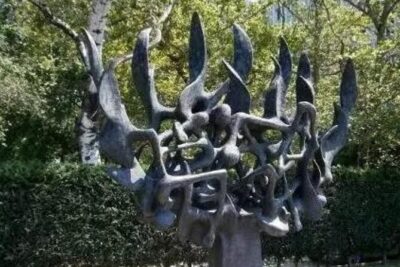
- Stop 3: Eternal Flame—where the guide turns streets into evidence
- A key connection: National Theatre Square and the Jewish community link
- Stop 4: Bosnian Cultural Center and the Sephardic synagogue story
- Stop 5: Ashkenazi Synagogue—the center of Jewish life today
- Stop 6: The Old Jewish Cemetery—500 years of names and memory
- Stop 7: National Museum of Bosnia and Herzegovina and the Sarajevo Haggadah story
- The guides: what to expect from the people behind the story
- When and how long you should plan for
- What you’ll miss if you skip the ticketed stops planning
- Should you book the Sarajevo Jewish Heritage Tour?
- FAQ
- How long is the Sarajevo Jewish Heritage Tour?
- Is the tour offered in English?
- What’s the meeting point for the tour?
- Is hotel pickup available?
- Are admission tickets included for all stops?
- What is included in the price?
Key highlights to know before you go
- Oldest synagogue setting: the Jewish Museum is in a building dating to 1581.
- Sarajevo Haggadah focus: you’ll connect the city walk to the manuscript story shown at the National Museum.
- Street-level Jewish landmarks: the Eternal Flame stop points out where schools, businesses, and synagogues once were.
- Sephardic and Ashkenazi sites: you’ll see major synagogue spaces tied to both communities.
- Nearly 500 years old cemetery: the Old Jewish Cemetery is part of the core route.
- Small group pacing: max 8 travelers, with local guide + professional guide time shared through the walk.
Why this Jewish heritage walk feels practical, not just ceremonial
Sarajevo is the kind of city where big stories hide in everyday streets. This tour is built for that reality. Instead of tossing Jewish history at you in a lecture, you’re guided from place to place, so you can visually map what the guide is talking about: institutions, gathering spaces, and burial sites.
What I appreciate is that the itinerary doesn’t treat Jewish Sarajevo as one single chapter. It splits the story into community life—Sephardic and Ashkenazi—then anchors it with museums and the cemetery. That combo makes it easier to understand the timeline and the reasons the city looks the way it does today.
The walk also stays manageable. You’re looking at an overall 2–3 hour duration, which is long enough to make the city feel connected, but not so long that you’re stuck in one place for ages.
You can also read our reviews of more tours and experiences in Sarajevo.
Price and value: where the $72.18 really goes
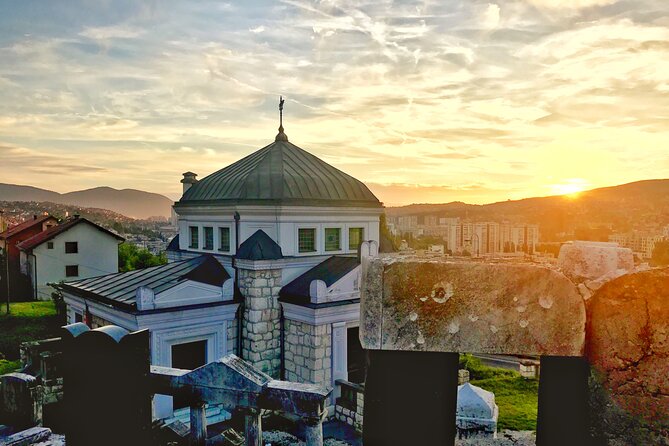
At $72.18 per person, the value comes from three things you actually feel on the ground:
- Guided interpretation: you’re not just seeing buildings; you’re getting explanations tied to specific Jewish institutions in Sarajevo.
- Transport support: the tour includes an air-conditioned vehicle and optional hotel pickup on request.
- Small group format: a maximum of 8 travelers usually means more room for questions and less rushing.
You’ll also notice what’s missing from the “included” side. A few of the best-known stops require paid admission (Jewish Museum, Ashkenazi Synagogue, National Museum). That’s not unusual for tours, but it does affect the true cost. Still, the ticketed stops are the ones that carry the Sarajevo Haggadah story, so you’re paying for access to the core material.
If you’re visiting only a couple days, this is the kind of tour that helps you stop treating Sarajevo like a blur. You’ll come away with a mental map you can use later for self-guided wandering.
Before you start: timing, group size, and pickup
The tour meets at Meet Bosnia Tours – Sarajevo Tours, Days Out, Excursions and Activities, at Gazi Husrevbegova 75, near the crossroad of Mula Mustafe Bašeskije. It runs from 9:00 am, and the activity ends back at the meeting point.
Hotel pickup is available upon request, and the tour is offered in English. It’s also set up as a small-group experience (max 8 travelers), which is a big deal when you’re covering multiple synagogues and museum spaces in a short window.
Also helpful: you’ll have a mobile ticket for the tour.
Stop 1: Meet Bosnia Tours and the route setup
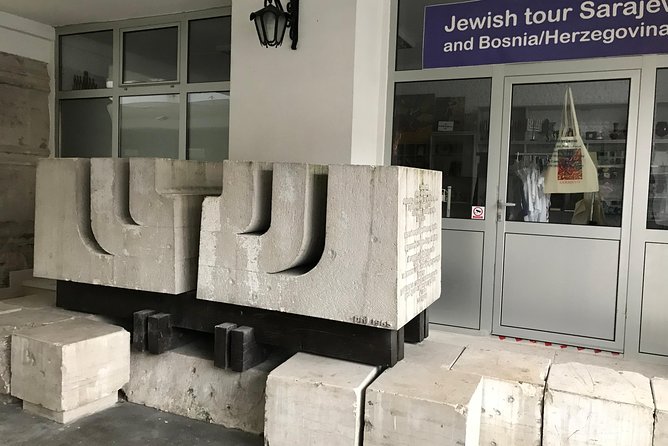
You start at the Meet Bosnia Tours location at Gazi Husrevbegova 75. From there, the guide organizes the walk so you don’t spend your early minutes trying to figure out what direction matters.
This first stage is more than a formality. It sets expectations for how the city will be read. You’ll be moving between religious sites, a museum, a cemetery, and a museum again—so having the route framed right away makes the later stops land better.
Stop 2: The Jewish Museum in Bosnia’s oldest synagogue (built 1581)
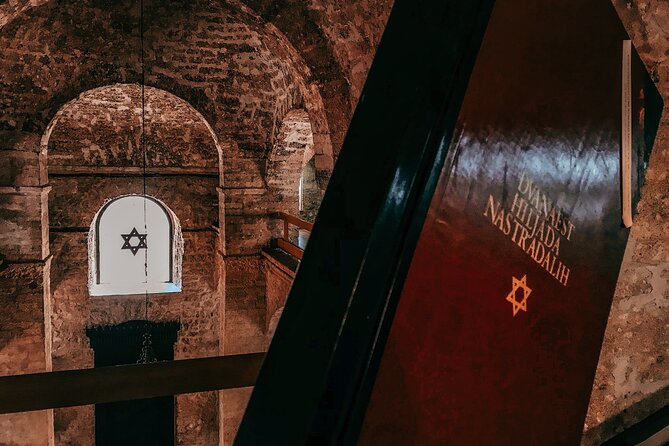
The tour’s first big “wow” is the Jewish Museum of Bosnia and Herzegovina, housed in what’s described as the oldest synagogue in Bosnia and Herzegovina, built in 1581.
Plan for about 45 minutes here. Admission isn’t included, but the museum’s value is that it functions like a physical doorway into the story. You also watch a 20-minute movie tied to the Sarajevo Haggadah. That screening matters because it turns a manuscript name into something you can picture.
One practical note: the museum visit is where you’ll likely hear the tour connect Jewish life to printed or manuscript heritage—where texts survived, where they were kept, and why Sarajevo later became a key location for preservation.
Stop 3: Eternal Flame—where the guide turns streets into evidence
Next comes the Eternal Flame area, with roughly 30 minutes. This stop is less about entering a building and more about learning how to read the city.
The guide points out where major Jewish landmarks once were, including:
- where the first hotel in Sarajevo opened and what that tells you about early urban change
- where Jewish shops were run
- where the first Jewish school was opened
- where the “singing” synagogue used to be
This is one of the most worthwhile parts of the route if you like context. You’re not just collecting names—you’re learning how a neighborhood’s identity could shift while still leaving trace in geography and local memory.
Because this is a street stop, it’s also where you’ll feel the pacing and the group dynamic most. If you like asking questions, this is a good moment to do it.
A key connection: National Theatre Square and the Jewish community link
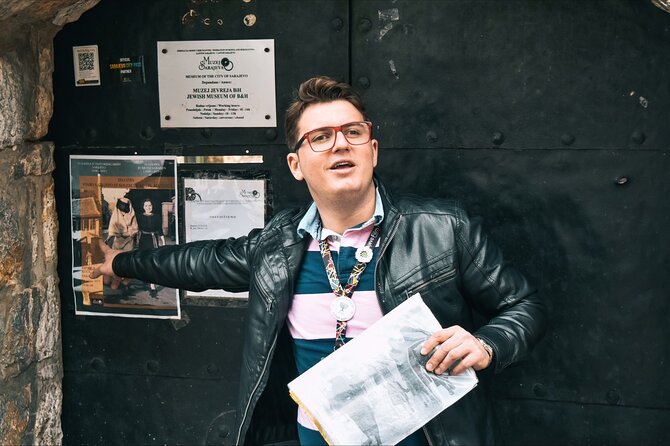
You’ll also see the National Theatre square and how it connects to the Jewish community in Sarajevo. The time estimate isn’t specified for this moment, but it acts like a bridge in the walk—helping you connect monumental city spaces to everyday community life.
If your brain tends to file history by building type, this stop helps you cross categories: religion, civic life, and public space.
Stop 4: Bosnian Cultural Center and the Sephardic synagogue story
About 10 minutes here is devoted to the Bosnian Cultural Center. The itinerary notes it as a major Sephardic synagogue space—described as one of the largest Sephardic synagogues in Europe today—now serving another function.
This short stop is still meaningful. Turning a synagogue into a cultural center is not just a reuse story. It’s also a survival story—how a community’s physical footprint can persist even when community structures change.
Given the short time, don’t expect a long lecture. This stop works best as a quick but concrete marker: the area you’re walking through used to be tied to Sephardic worship and community rhythm, and now you’re seeing the building’s later chapter.
Stop 5: Ashkenazi Synagogue—the center of Jewish life today
The route continues to the Ashkenazi Synagogue for about 45 minutes. Admission isn’t included here, so plan extra time and money for entry.
This stop is described as the center of Jewish life in Sarajevo today. That phrase matters. It shifts your perspective from historic sites toward continuity—places where community activity is still happening (even if your visit is tourism-focused).
If you want a clean comparison moment, this is where it lands. You’ll have seen Sephardic significance in the earlier stop, and now you’re seeing how Ashkenazi community life is represented in the city’s present.
Stop 6: The Old Jewish Cemetery—500 years of names and memory
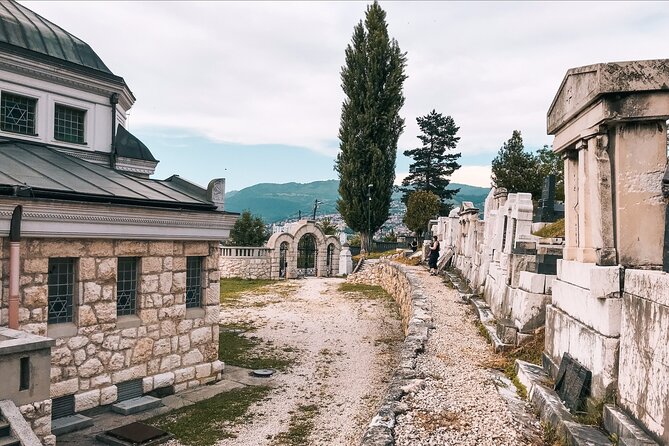
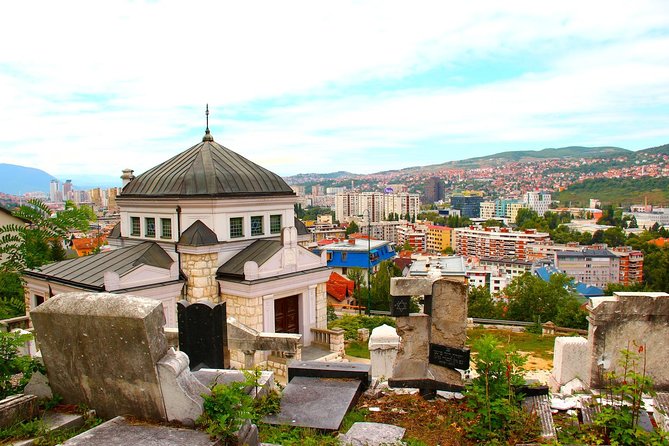
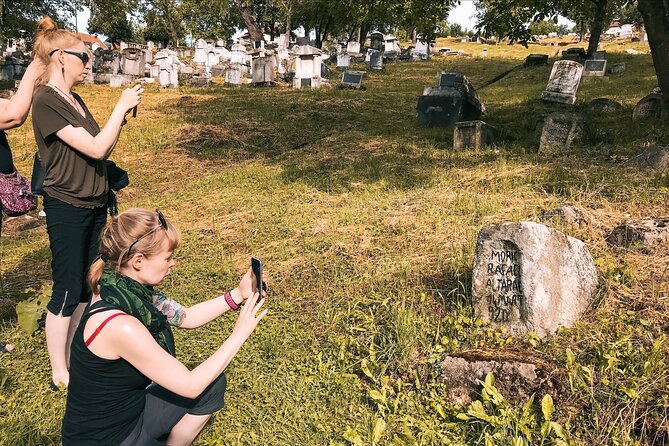
Then you visit the Jewish Cemetery Sarajevo, described as the Old Jewish Cemetery and nearly 500 years old. The time here is around 30 minutes, and the stop is free of listed admission.
The cemetery’s story is important because it shows how Sarajevo’s Jewish community developed in layers. The itinerary notes:
- it was established by Sephardic Jews during the Ottoman period
- it later became the burial ground for Ashkenazi Jews after they arrived in the late 19th century under Austro-Hungarian rule
Cemeteries make history feel personal fast, and in this case you’re getting the community timeline written in space. It’s one of the best places on the route to slow down, look carefully, and let the guide’s context settle.
Stop 7: National Museum of Bosnia and Herzegovina and the Sarajevo Haggadah story
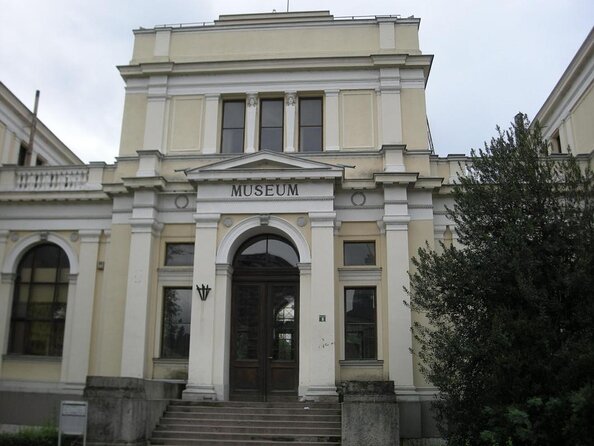
Your final core stop is the National Museum of Bosnia and Herzegovina for about 20 minutes (admission not included).
This is where the Sarajevo Haggadah becomes the star. The tour focuses on:
- the 700-year-old Sarajevo Haggadah
- the story of how a Muslim librarian saved it from the Nazis
- how the haggadah is tied to Jews in Barcelona in the 14th century, later brought to Sarajevo by a Jewish family in the 16th century
- how it survived three wars
- why it remains one of the most important items of Jewish heritage in Bosnia
A smart planning tip shows up in real visitor advice: if you specifically want to see the Haggadah, it’s worth timing your day. It’s described as being displayed on Tuesdays and Thursdays, and Meet Bosnia staff can try to arrange your tour for that if you’re interested.
Because your museum time is only 20 minutes, come prepared with a goal: understand what the manuscript is, why its survival matters, and how it connects to the broader Sarajevo story you’ve been walking through.
The guides: what to expect from the people behind the story
This tour is run with a local guide plus a professional guide. In practice, that means you’re getting both local grounding and interpretive structure.
From the guide styles associated with the experience, the strongest patterns are:
- a storytelling approach that ties the past to visible city points
- a compassionate tone when discussing difficult chapters
- patience for slower pacing and questions
If you’re hoping for real conversation, keep an eye on the guide name you’re assigned. Guides such as Armina Pijalovic, Ahmed, and Edin show up in the tour’s history of service, and they’re described as strong storytellers and careful with detail and context.
No two guides will teach the same way. But the through-line is consistent: the tour is built to help you understand Sarajevo’s people, not just its buildings.
When and how long you should plan for
The experience is listed as 2 to 3 hours total. But your real timing depends on how much you want to ask and how long you linger inside the ticketed stops.
Here’s a realistic way to think about your time:
- Museum entry points (Jewish Museum and National Museum) take the most concentrated attention
- The synagogue visits are where questions tend to rise
- The Eternal Flame and cemetery stops are where you’ll either rush through or slow down, depending on your style
If you like museums, this tour works as a focused sampler. If you’re not a museum person, the street landmarks and cemetery may be the more satisfying parts.
What you’ll miss if you skip the ticketed stops planning
Two separate entrances could shape your day: Jewish Museum, Ashkenazi Synagogue, and National Museum are the places where the itinerary says admission isn’t included.
You’re still getting an excellent route even without those add-on moments—but the Sarajevo Haggadah connection lives at the National Museum, so don’t treat museum entry as optional if that’s your main reason for booking.
If you care about seeing the Haggadah on display, plan around Tuesdays and Thursdays, and tell the staff you want that.
Should you book the Sarajevo Jewish Heritage Tour?
Book it if you want a tight, high-impact walk that gives you a city map for Jewish Sarajevo. It’s a good fit for first-time visitors who want more than a quick sightseeing loop and prefer a guide to explain why each place matters.
I’d also book it if you appreciate balance: synagogues plus cemetery plus museum plus manuscript story. That mixture helps you understand how community identity survives through institutions, documents, and memory.
Skip it (or adjust expectations) if you hate paying separate admissions, or if you only want exterior sights. This tour puts key meaning inside ticketed locations, especially around the Sarajevo Haggadah.
If you do book, my one practical recommendation is simple: ask your guide where to focus your attention before you enter each paid stop. You’ll get more out of those short 20–45 minute blocks that way.
FAQ
How long is the Sarajevo Jewish Heritage Tour?
The tour lasts about 2 to 3 hours.
Is the tour offered in English?
Yes, the tour is offered in English.
What’s the meeting point for the tour?
The meeting point is Meet Bosnia Tours – Sarajevo Tours, Days Out, Excursions and Activities at Gazi Husrevbegova 75, at the crossroad of Mula Mustafe Bašeskije.
Is hotel pickup available?
Hotel pickup can be organized upon request.
Are admission tickets included for all stops?
No. Admission isn’t included for the Jewish Museum, the Ashkenazi Synagogue, and the National Museum of Bosnia and Herzegovina. Other stops are listed as free.
What is included in the price?
The tour includes a local guide, a professional guide, and an air-conditioned vehicle. You also receive a mobile ticket.