REVIEW · GOA
Old Goa: Walking Tour of Heritage Churches
Book on GetYourGuide →Operated by Make It Happen · Bookable on GetYourGuide
Old Goa turns church-hopping into story time. This 2.5-hour walking tour strings together the big monuments—St. Francis of Assisi, St. Catherine, Se Cathedral, and Bom Jesus—so the Portuguese-era look of Goa makes sense fast. Guides like Yashasvi (and others) often add personal, human anecdotes, not just dates.
Two things I really like about this experience are the focus on the churches’ “why” and the pace. You get a small-group walk (up to 10 people), plus a refreshing non-alcoholic drink mid-tour—one guest even noted ice-cold lime soda or coconut water on their day. It’s long enough to feel like you covered something real, but short enough that you don’t feel dragged around.
One consideration: churches require a strict dress code, and rules can affect what you can photograph inside. Plan to cover your shoulders and knees, and if you’re unsure about taking pictures, ask your guide first.
In This Review
- Key highlights worth your attention
- Old Goa’s church cluster: why this route works
- Meeting at Viceroys Arch and pacing a 2.5-hour walk
- St. Francis of Assisi: frescoes you’ll want to look at twice
- St. Catherine of Alexandria: Portuguese arrival and the Rome of the East
- Old Goa ruins to Se Cathedral: scale, symbolism, and what survived
- Basilica of Bom Jesus: St. Francis Xavier’s remains as the anchor
- The guides make it click: storytelling styles that stick
- What’s included (and what that means for value)
- Price and value: $12 for a guided heritage loop
- Dress code, photos, and comfort: don’t let rules slow you down
- Who should book this Old Goa heritage churches walk
- Should you book this Old Goa walking tour?
- FAQ
- FAQ
- Where is the meeting point for the tour?
- How long is the Old Goa walking tour?
- What is the price per person?
- Do I get picked up from my hotel?
- What’s included in the tour price?
- Is food included?
- How big is the group?
- What language is the tour guide?
- What should I wear for church visits?
- Can I take photos inside the churches and museums?
- Is the tour suitable for infants or toddlers?
Key highlights worth your attention
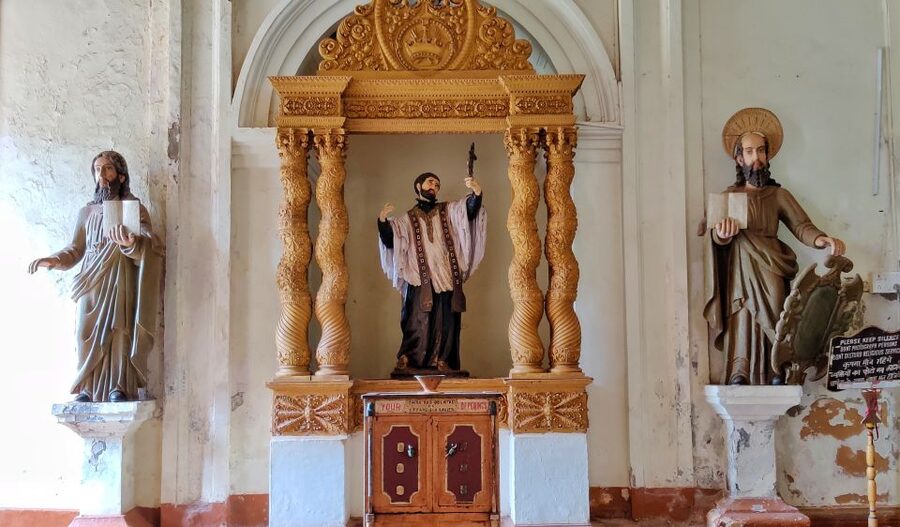
- Portuguese rule explained where you stand, from St. Catherine to the larger cathedral complex
- St. Francis of Assisi’s frescoes—designed to tell a saint’s story visually
- Se Cathedral scale—often described as the largest church in Asia
- Bom Jesus + St. Francis Xavier’s remains—a major spiritual stop that anchors the whole loop
- Small groups (max 10) that leave room for questions and side stories
- A non-alcoholic drink included, with reviews mentioning lime soda and coconut water
Old Goa’s church cluster: why this route works
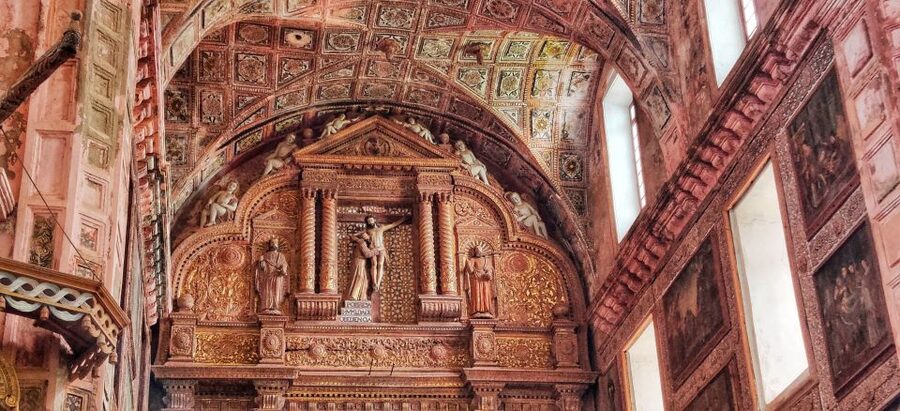
Old Goa can feel like a list of impressive buildings until someone connects the dots. This tour does that. Instead of treating each church as a standalone “photo stop,” you walk through a timeline of Portuguese influence in India and how it shaped Goa’s religious art, architecture, and local identity.
The walk is also a good way to get your bearings. You start in a central heritage zone near Viceroys Arch, then move through the core set of monuments people come to Old Goa for. The result is that your eyes learn the pattern: ornate Christian symbolism, Portuguese planning, and the way Portuguese-era stories became part of Goa’s everyday culture.
For me, the best part is that the tour doesn’t just point at carvings. It gives you the context to interpret them. When you reach St. Francis of Assisi, for example, you’re not staring at decorations as “pretty details.” You understand what they’re meant to communicate.
You can also read our reviews of more tours and experiences in Goa.



Meeting at Viceroys Arch and pacing a 2.5-hour walk
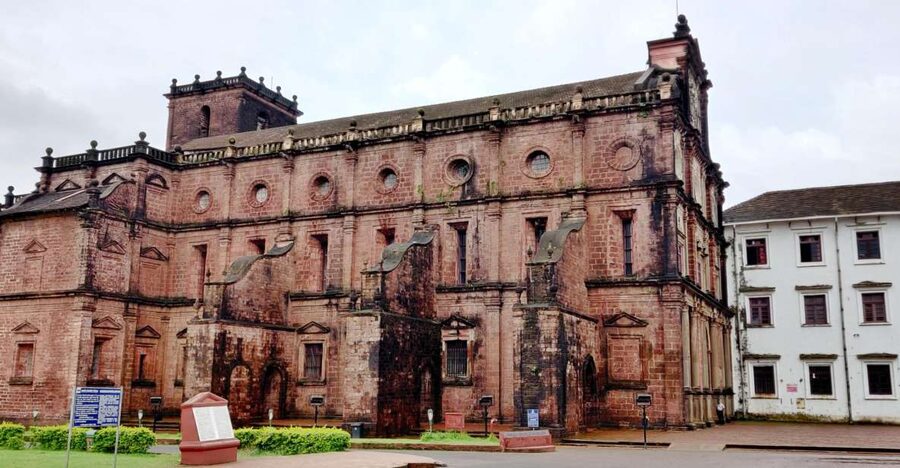
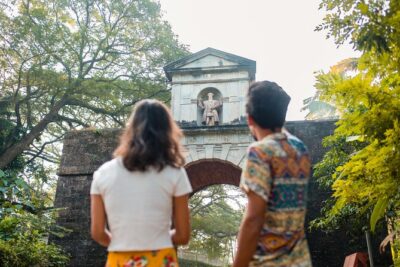
You meet at Viceroys Arch, Velha Goa (Old Goa) and you’re asked to arrive about 10 minutes early. This matters more than it sounds. If you arrive late, you lose the warm-up chat with your guide—often where they explain how Portuguese rule and local Catholic life connected.
The tour lasts 2.5 hours, which is a sweet spot for this kind of heritage circuit. It’s long enough to cover multiple sites (and still have a breather), but short enough that you won’t be stuck “on churches” all afternoon. It also helps if you’re combining this with other Old Goa sights later, since you’re not committing to a whole day.
Small group size helps the pacing, too. With no more than 10 participants, you’re less likely to be shuffled along like luggage and more likely to get answers at the right moment. Several guides cited in bookings—like Pawan, Vimala De Souza, Trancy, Santoshi, and Sejal—are known for answering questions and adjusting the flow to the group.
St. Francis of Assisi: frescoes you’ll want to look at twice

St. Francis of Assisi is a standout stop for a reason: the decorative frescoes. Frescoes aren’t just decoration. They’re visual storytelling—meant to teach, remind, and guide belief.
As you look around, you’ll get help seeing what you’re actually viewing. The tour frames the frescoes as depictions of the life of the patron saint (St. Francis of Assisi). Once you know that, the paintings stop being random religious art and start acting like chapters in a book.
Practical tip: churches tend to have their own rules for movement and photography. So if your guide says certain areas are off-limits for pictures, follow it. It keeps the tour running smoothly and saves you from getting stuck later.
One of the nicest benefits here is that the guide’s tone matters. Reviews repeatedly mention guides turning the walk into light, engaging story time—people name Yashasvi, Priyankaa, and Pawan especially. That kind of pacing makes the fresco stop feel like a conversation, not a lecture.
St. Catherine of Alexandria: Portuguese arrival and the Rome of the East
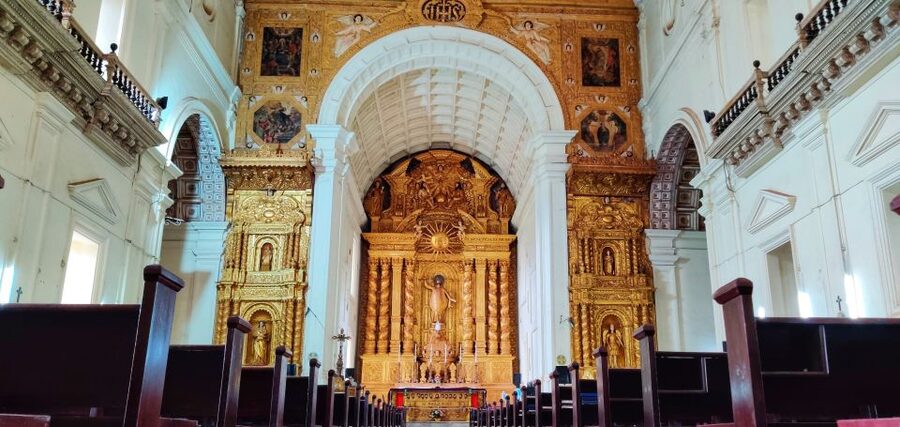
Next comes Church of St. Catherine, where the tour connects the monuments to Portuguese arrival in Goa. You’ll hear how Portuguese influence shaped the region and why the area earned the nickname the Rome of the East.
This part is valuable because it explains the mindset behind the architecture. If you only see a church façade, you might miss the point: the Portuguese didn’t just bring religion. They also brought an idea of how sacred space should look, and they built and supported institutions that expressed that idea.
Your guide also helps you interpret the atmosphere. Even when parts of Old Goa look worn or broken, there’s still a story you can read in the layout and the surviving structures. That’s why this stop feels like a bridge—connecting the more visually “complete” church scenes to what comes later.
Old Goa ruins to Se Cathedral: scale, symbolism, and what survived

Old Goa has a different texture than a modern tourist circuit. You’ll walk past the ruins of Old Goa, and it’s here that the tour starts feeling real. The guide’s job becomes more than explaining facts—it’s helping you understand why the ruins matter.
Then you reach Se Cathedral, described as the largest church in Asia. Even if you’ve seen big cathedrals before, this one tends to hit because you can sense the effort behind it. The tour framing helps you see Se Cathedral not just as a building, but as a statement of religious and political confidence during Portuguese influence.
A thoughtful guide makes a huge difference at this stage. When someone like Manrata or Santoshi leads, the walk tends to include side topics—small cultural notes that connect to how Portuguese Catholic life took root locally. Those extra details are often what make Se Cathedral feel like part of the larger story instead of a final “big stop.”





Basilica of Bom Jesus: St. Francis Xavier’s remains as the anchor
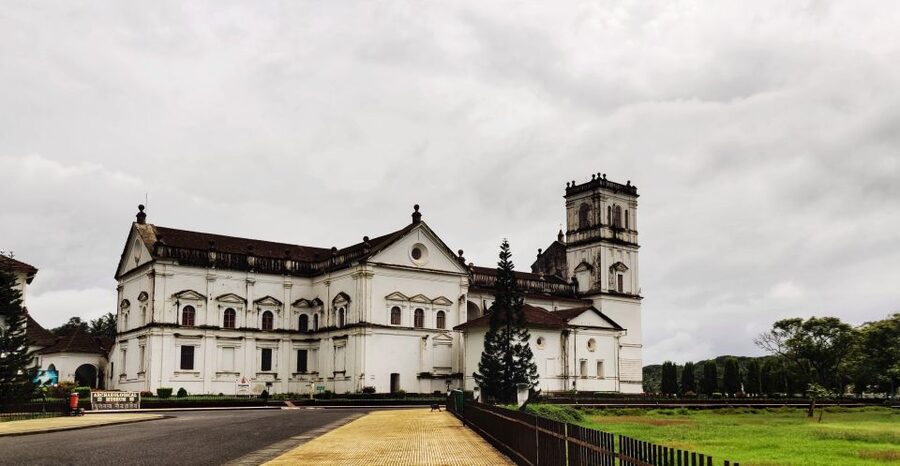
You’ll finish with the Basilica of Bom Jesus, home to the remains of St. Francis Xavier. This is the stop that turns the tour from heritage sightseeing into something more personal, even if you’re not traveling for religion.
Why it works in a 2.5-hour walk: Bom Jesus functions like an anchor. Earlier stops explain Portuguese influence and church design. Bom Jesus brings it back to a central figure and the devotion connected to that figure. It gives the tour emotional weight.
And again, rules may apply. Photography inside may be restricted, and the guide will usually help you figure out what’s allowed. If you’re unsure, ask. You’ll get an answer in plain language, and you won’t waste time guessing.
If you like to linger after the tour, this is your best moment to do it—because the whole walk builds toward this kind of significance.
The guides make it click: storytelling styles that stick
A tour like this rises or falls on the guide. Here, the pattern in real bookings is clear: guides tell stories in a way that feels relaxed, friendly, and human.
You’ll hear names tied to standout days, including Pawan Gorantla, Vimala De Souza, Trancy, Santoshi, Sejal, Priyankaa, and Amreen. People often describe them as attentive, flexible, and generous with extra context. One guest even noted their guide pointed out St. Augustine’s ruined church uphill after the tour, and they were able to visit it afterward.
That kind of extra guidance is practical. It helps you turn a guided afternoon into a better self-guided follow-up later. You don’t leave only with photos. You leave with “what to look for” when you’re walking around on your own.
What’s included (and what that means for value)
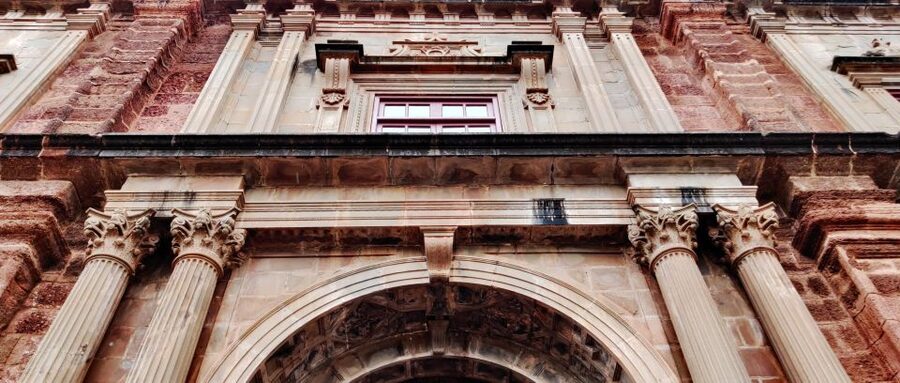
The basics are simple:
- English-speaking guide
- A healthy refreshing drink (non-alcoholic)
That drink is more than a nice gesture. In Goa’s heat, a break can make the difference between rushing through churches and actually looking at them. Reviews specifically mention cold lime soda and coconut water, so you can expect it to be a genuine refresh rather than something token-sized.
Everything else is not included: no hotel pickup/drop-off, and you’ll handle your own transport and any extra snacks. That’s totally normal for a 2.5-hour walking tour in Old Goa, and it’s why the meeting point matters.
Price and value: $12 for a guided heritage loop
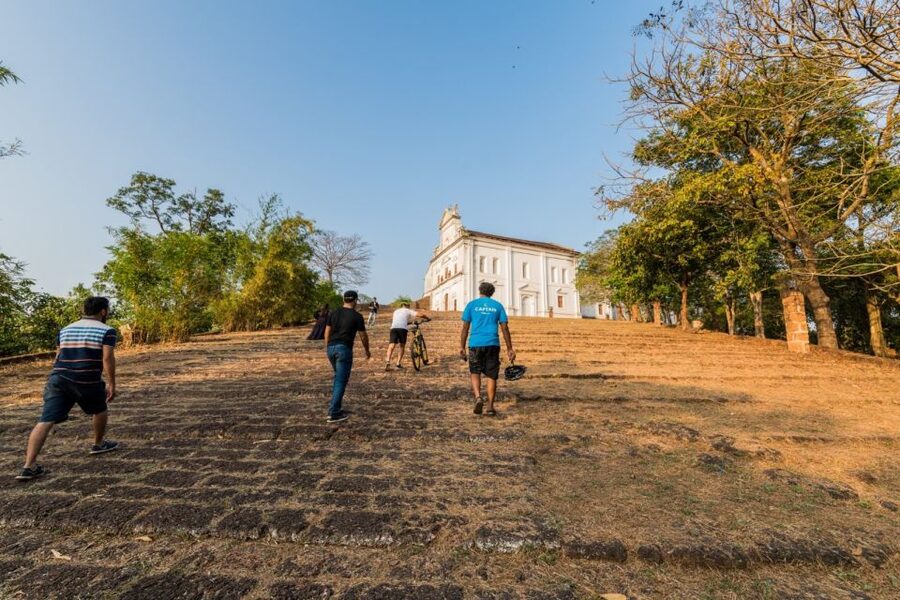
At $12 per person, this tour is priced in a way that makes sense for what you get: multiple major churches, an English guide, and a mid-walk drink, all within 2.5 hours and capped at 10 people.
Think of it like this: in areas like Old Goa, you can spend money on taxis to move between sites, and you may still miss the context that turns monuments into meaning. Here, you pay once and get the interpretation while you’re physically in front of the art and architecture.
This is also a good deal if you hate slow, aimless walks where you end up reading signs alone. The guide’s stories help you “see the point” quickly. And the small group size keeps the experience from becoming a chaotic herd.
Dress code, photos, and comfort: don’t let rules slow you down
There’s a clear dress code for churches: cover your knees and shoulders. Comfortable clothes and shoes are strongly recommended—this is a walking tour, and you’ll be moving between stops.
Also plan for photography rules. The tour information says photography inside churches and museums may be restricted. If you’re not sure whether your camera is allowed, ask your guide on the spot. That simple question prevents awkward moments and keeps the group moving.
One more comfort note: the tour is outdoors much of the way. Goa weather can be unpredictable, and at least one booking described torrential rain disrupting the ability to finish the whole plan. You can’t control the weather, but you can control your readiness—wear shoes you can handle on uneven paths and bring a rain-tolerant plan if your itinerary is weather-sensitive.
Who should book this Old Goa heritage churches walk
This tour is a strong fit if you want:
- Portuguese-era context without reading a stack of guidebooks
- A guided walk that connects art (like frescoes) to meaning
- Church visits that move at a human pace, with time for questions
- A small-group experience rather than a large bus crowd
It’s also a good pick if you’re short on time. Two and a half hours in Old Goa can give you a lot of “first contact” with the area, especially if you’re combining it with other nearby sights later.
It’s not recommended for infants and toddlers, mainly because it’s a walking tour through active religious sites with dress rules.
Should you book this Old Goa walking tour?
If your goal is to understand Old Goa quickly and respectfully, I’d book it. The best reason is the way the route connects Portuguese influence to specific churches, and the way guides like Pawan, Vimala De Souza, Yashasvi, and Sejal are described as storytellers who make the monuments feel connected instead of random.
Skip it if you’re not willing to follow church dress code rules or you get frustrated by photo restrictions. Also, if you’re extremely sensitive to walking time or weather changes, plan for that upfront.
FAQ
FAQ
Where is the meeting point for the tour?
Meet at Viceroys Arch, Goa (Velha Goa, Goa 403110, India). Try to arrive about 10 minutes early.
How long is the Old Goa walking tour?
The duration is 2.5 hours.
What is the price per person?
The price is $12 per person.
Do I get picked up from my hotel?
No. Hotel pickup and drop-off are not included.
What’s included in the tour price?
You get an English-speaking guide and a healthy refreshing non-alcoholic drink.
Is food included?
No. Food and drinks are not included (besides the included drink).
How big is the group?
The tour is small group, limited to 10 participants.
What language is the tour guide?
The tour guide speaks English.
What should I wear for church visits?
You should wear comfortable clothes and comfortable shoes. Churches have a dress code: cover your knees and shoulders.
Can I take photos inside the churches and museums?
Photography inside churches and museums may be restricted. If you’re unsure, ask your guide before you take a picture.
Is the tour suitable for infants or toddlers?
It is not recommended for infants and toddlers.