REVIEW · ST ANDREWS
St Andrews: Golf Origins and Old Course History Tour
Book on GetYourGuide →Operated by St Andrews Tours · Bookable on GetYourGuide
Golf in St Andrews is history you can walk on. This tour traces the origins of golf through the Old Course with a perfect Swilkan Bridge photo stop and stories you actually remember. The main catch: you need fluent English, and the pace can be tough if you struggle to follow conversation quickly.
You’ll meet outside Hotel du Vin St Andrews, then take a guided walk that connects links-land views, famous fairway bends, and key Old Course moments—ending at the Jigger Inn with a classic pint option nearby. In past tours, the guide has included Richard, a former caddie/looper type of background who mixes humor with real course know-how, and he stops to photograph each person at the iconic spots.
In This Review
- The real appeal: golf origins you can see (and not just hear)
- Where your St Andrews tour starts (and why prompt matters)
- The 75-minute route around the Old Course landmarks
- Links-land panoramas: getting your bearings fast
- The 1st tee and fairway angles: tradition in plain sight
- Road Hole memories: the story behind the drama
- Swilkan Bridge photo shoot (and why it’s more than a pose)
- Walking across fairways: the part you plan for
- Jigger Inn finish: where the Old Course talk continues
- Price and value: is $20 worth 75 minutes of Old Course story?
- Who this tour suits best (and who should skip it)
- Should you book this St Andrews Old Course origins tour?
- FAQ
- How long is the St Andrews Golf Origins and Old Course History Tour?
- Where does the tour start and where does it finish?
- Is the Swilkan Bridge photo shoot included?
- Do I need to speak fluent English?
- Is this tour suitable for children?
- Is the tour accessible for people with mobility impairments or wheelchair users?
The real appeal: golf origins you can see (and not just hear)
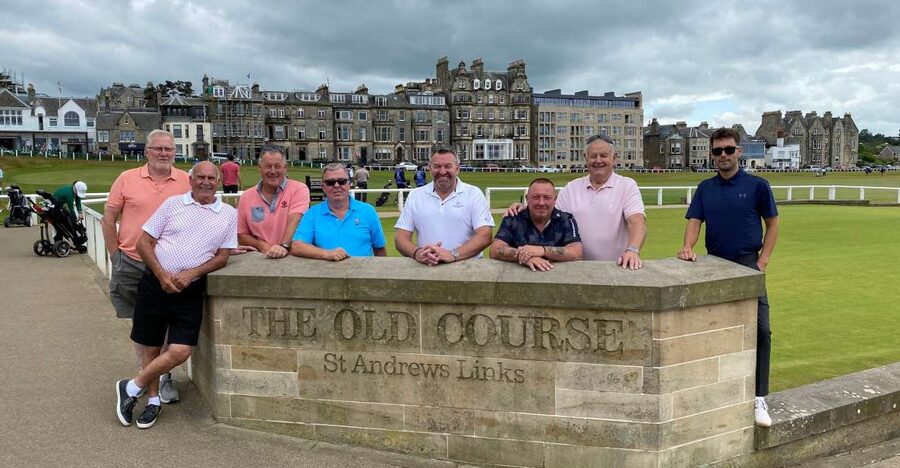
The Old Course isn’t museum quiet. It’s a working landscape where the game’s early ideas still show up in layout, angles, and the way people talk about risk.
What I like about this tour is that it doesn’t treat the Old Course like a postcard. You get the “why” behind the places: how the course shaped play over time, how certain features became part of the game’s identity, and how St Andrews earned its long-standing title as the Home of Golf. You also get a myth-buster tone, with the guide focusing on the important history first, then letting the story build.
The second thing I like is the photo element. Posing on the Swilkan Bridge is a bucket-list moment, but it’s also tied to a historical point—rare photos, including information about the bridge’s earlier height. That turns a quick stop into something you can explain later.
One more factor: the tour is very “walk-and-look.” If you don’t enjoy short walks between viewpoints, you’ll feel the walking nature of it more than the history.
Where your St Andrews tour starts (and why prompt matters)
The tour meets outside Hotel du Vin St Andrews at 40 The Scores. Tours leave prompt at the scheduled time, and they don’t wait, so arrive a few minutes early and give yourself time to find the exact meeting spot.
This matters because you only have 75 minutes. That’s enough time to get the story, take photos, and walk the key sections—but it’s not long enough to recover from lateness. Plan to wear comfortable shoes. You’ll be on uneven terrain at the course edge, and you’ll be standing for photo stops.
Also, no luggage drop-off is offered, so pack light if you’re moving around St Andrews that day.
You can also read our reviews of more tours and experiences in St Andrews.


The 75-minute route around the Old Course landmarks
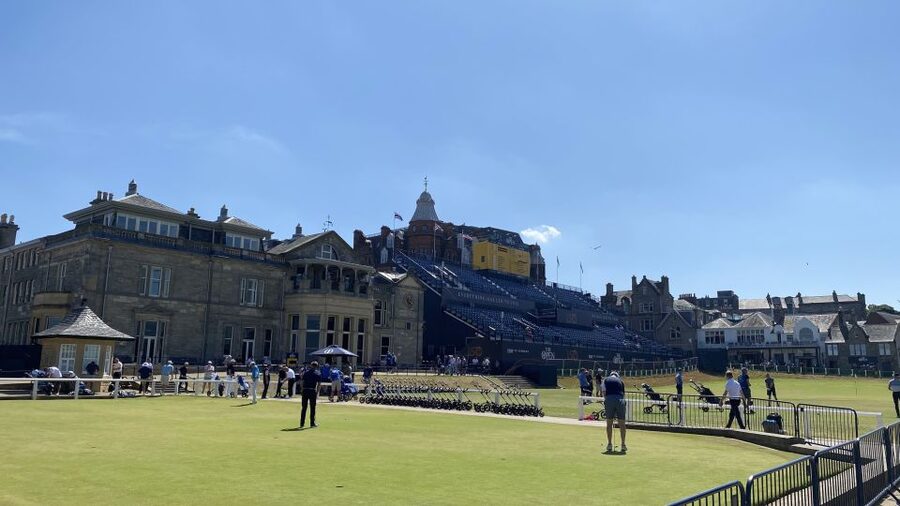
The tour is designed as a tight loop around the Old Course’s most recognizable moments. You’ll start with wide views across the links land—home to six golf courses, with four on links land—so you can understand what kind of ground golfers are dealing with before you zoom into the holes.
From there, the walk focuses on classic wayfinding points:
- The 18th green
- The 1st tee, with the Royal and Ancient Clubhouse as a backdrop
- The 1st and 18th fairways
- Road Hole memories
- A finish at the Jigger Inn
That structure is smart. It prevents the usual problem with short history tours: you end up with names but no sense of place. Here, you’re always anchored to what you can see and walk toward.
Time-wise, you’ll likely feel the pace shift as you move closer to the famous photo spots. One practical note for planning: a few guests have flagged that the first part can feel a bit measured before the story picks up, so don’t expect maximum energy from minute one.
Links-land panoramas: getting your bearings fast
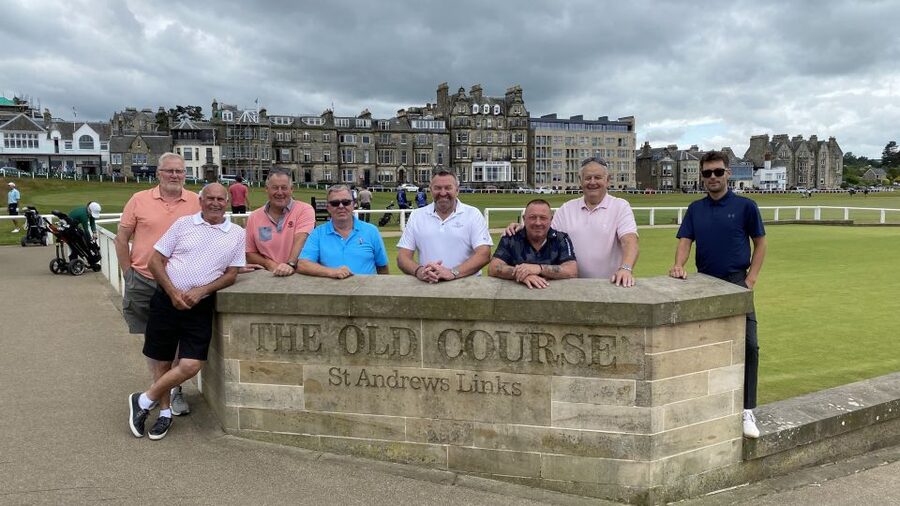
The tour opens with panoramic views over the links land. This is where you start to see why St Andrews golf is its own kind of challenge. Links courses aren’t just pretty. They’re wind-shaped, ground-shaped, and tradition-shaped.
You also get a quick sense of the “golf ecosystem” around the Old Course. Seeing the six courses in the broader area—then hearing how the tour ties the Old Course’s development into the larger St Andrews golfing setting—helps you understand why the town became such a magnet for the sport.
If you’ve never seen links turf in person, this first segment is your orientation. And if you have played elsewhere, it’s still useful, because it frames what’s special here before you step into the most famous landing zones.
The 1st tee and fairway angles: tradition in plain sight
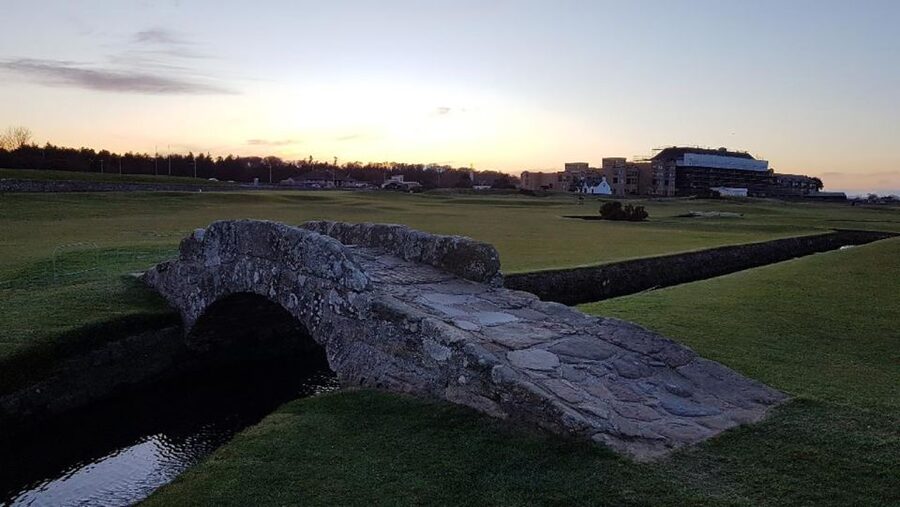
Next comes the iconic stuff. You’ll look toward the 1st tee, with the Royal and Ancient Clubhouse in the background. This isn’t just a photo opportunity. The point is to connect the club’s role to the broader evolution of golf—how rules, organization, and competition helped shape what the game became.
Then the tour moves through key fairway areas, including both the 1st fairway and later the 18th fairway. Those sections help you understand how golfers read the course, not just how spectators talk about it.
Here’s the practical tradeoff: because this is a working course environment, you’re walking near live play. The tour asks you to keep an eye out for golf balls during active play, and you cross parts of the 1st/18th fairway at your own risk.
That means you should stay alert and not treat the walk like a relaxed stroll with headphones. You’ll enjoy it more if you move with purpose and look around often.
Road Hole memories: the story behind the drama
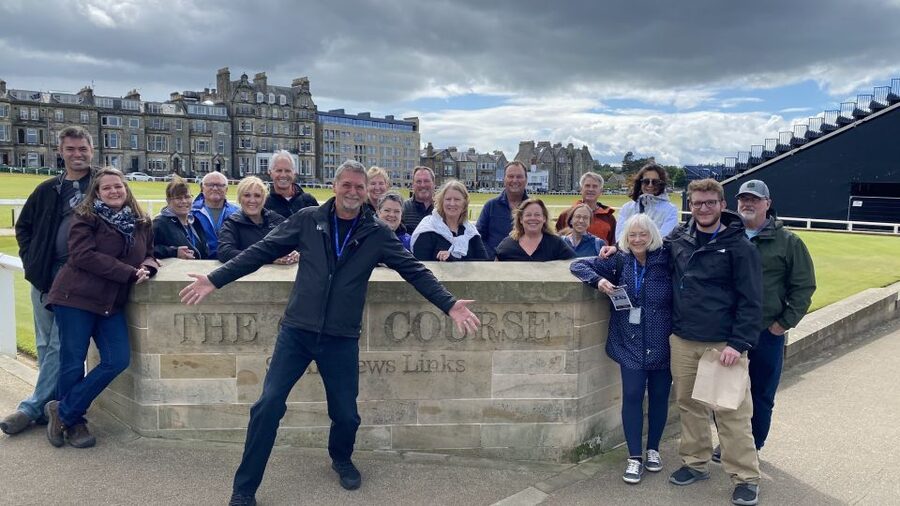
The Road Hole is one of those names that golf fans toss around like a legend. What this tour does well is connect that reputation to the actual place. You’re shown “memories” of the Road Hole, which helps turn the lore into something spatial.
Even if you’re not a die-hard golfer, you’ll likely appreciate how the guide threads people and events into the course story. The game evolves through competing needs—fairness, challenge, and repeatable conditions—and the Road Hole is a good example of why St Andrews became the reference point.
This part also tends to be where the humor and pacing click for many people. The best tours don’t just recite facts; they keep the story flowing while you walk between landmarks. That’s what you’re aiming for here.
Swilkan Bridge photo shoot (and why it’s more than a pose)
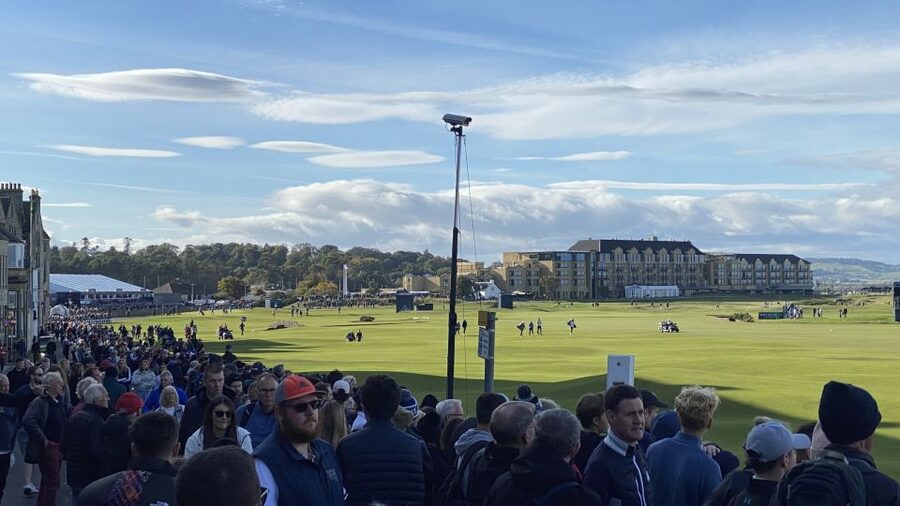
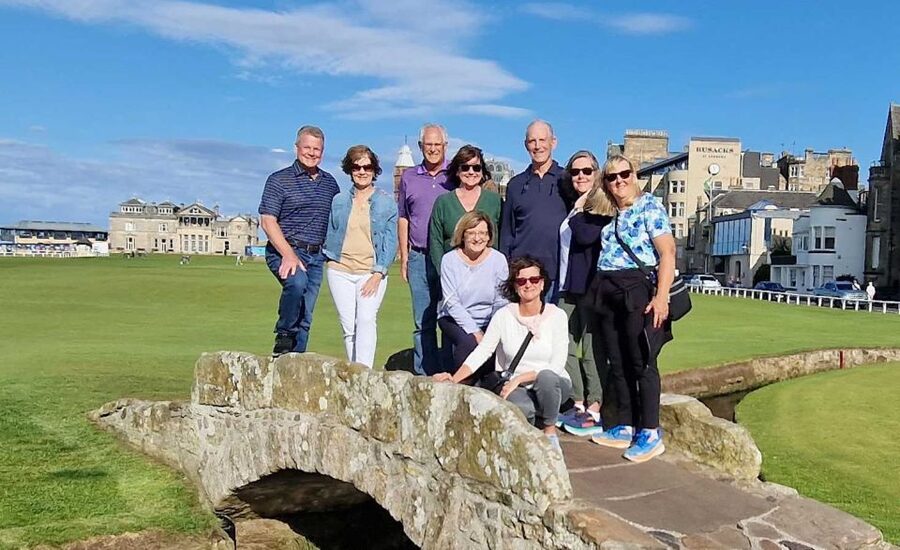
The highlight for many people is the Swilkan Bridge photo shoot. It’s included, and there’s an important limitation: the photo shoot is not on tournament days.
That detail matters because it affects access and crowd flow. On non-tournament days, the bridge moment works like a clean, iconic finish line to the Old Course storytelling. You take the photos, but you also get context as part of the tour narrative.
What makes the Swilkan Bridge stop especially worthwhile is the historical angle. The tour includes rare golfing photos, including information about the bridge’s original height. That’s a small detail, but it changes how you look at the bridge itself. It’s not just a symbol. It’s a structure that has changed with time.
Practical tip: bring your camera settings ready. You’ll have a clear chance to pose, and you’ll want at least one sharp shot without fumbling menus.
Walking across fairways: the part you plan for
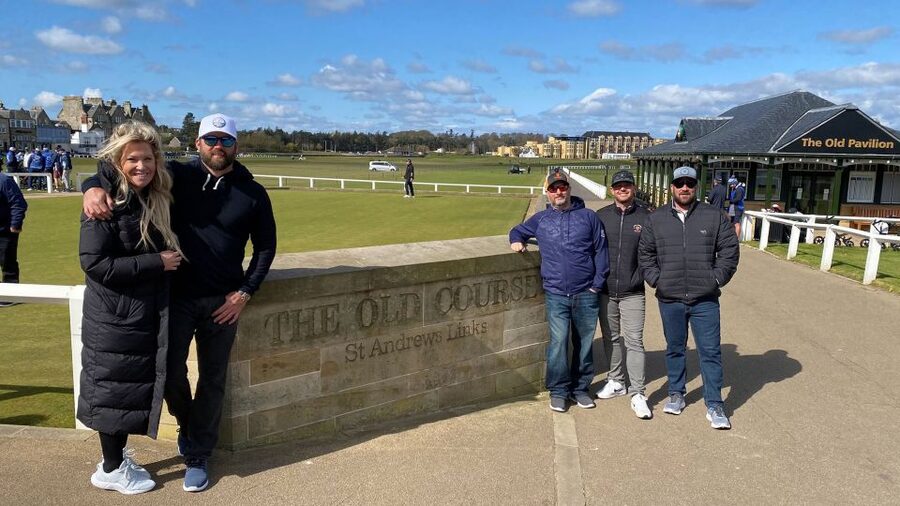
This is the segment that separates a smooth experience from a stressful one.
As part of the tour, you’ll be by the Old Course and walk across parts of the 1st/18th fairway. You do this at your own risk, and you must keep an eye out for golf balls during live play. That doesn’t mean the tour is unsafe, but it does mean you should treat this like a shared space, not a private walkway.
Also, the tour isn’t suitable for everyone. It specifically notes it’s not for people with walking difficulties and includes those who use walking aids such as crutches, walking frames, or mobility scooters. It’s also not suitable for wheelchair users.
And if you’re bringing kids, note the limits: children under 16 must be accompanied by an adult, and the tour isn’t suitable for children under 5.
If you fit those parameters, you’ll likely find the walk length very manageable at 75 minutes. If you don’t, it can feel frustrating quickly.
Jigger Inn finish: where the Old Course talk continues
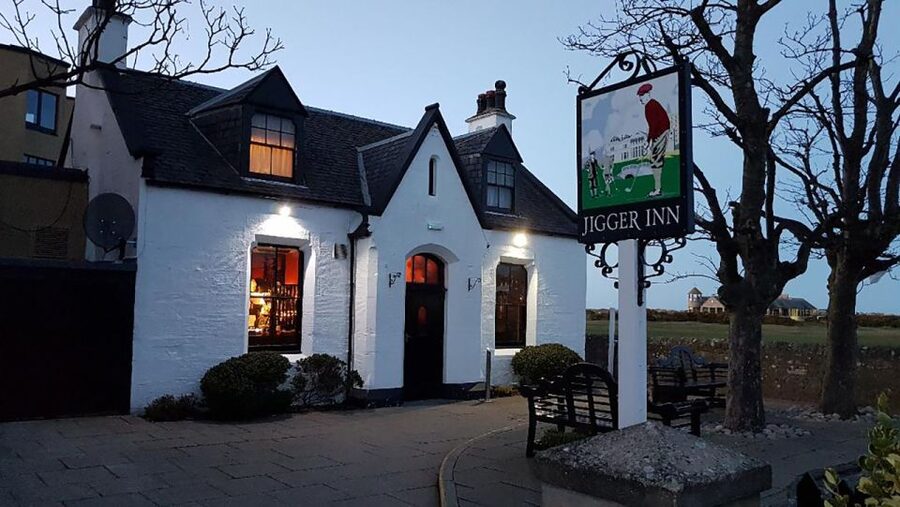
The tour finishes at the Jigger Inn. This is a strong ending point because it gives you a natural “pause” right at the course edge, with an easy way to reflect on what you just learned.
There’s also an optional add-on that many people like: refreshments overlooking the 17th fairway at the Jigger Inn are available, but they aren’t included in the tour price. If you want to stay in the golf mood, this is the moment to do it.
One more practical thought: if you plan to eat or have a drink after, let the tour end first. You’ll get a better feel for where you are, plus it avoids rushing.
Price and value: is $20 worth 75 minutes of Old Course story?
At about $20 per person for 75 minutes, this tour is good value if you like golf history and want a guide to translate the Old Course into a story.
Why the price works:
- You get a professional local guide for the full walk, not a quick one-off talk at a single viewpoint.
- You get real photo moments, including the Swilkan Bridge stop and time for cameras.
- You get historical framing tied to the course layout and major golf evolution, rather than random trivia.
What you’re not getting: transport, luxury pacing, or a long sit-down lesson. It’s a walk-through history built around outdoor landmarks.
So if your goal is to spend hours inside a museum-type setting, this won’t match. If your goal is to see iconic course features while learning what made them important, it’s a solid deal.
Also worth noting: this tour is endorsed by David Joy, a famed St Andrews Golf Historian. That endorsement lines up with what people come for—golf history grounded in the actual place.
Who this tour suits best (and who should skip it)
This tour is a great match if:
- You’re a golf fan or you’re curious about why golf started the way it did
- You enjoy short walking tours with clear stops and photo moments
- You want the Old Course story told in a way you can repeat later
It may not be a match if:
- You need slower delivery or prefer translation. The tour requires fluent English, and speaking slowly or translating does not work.
- You have hearing challenges. It’s specifically not suitable for hearing-impaired people.
- You have mobility limitations or use walking aids like crutches, frames, or mobility scooters.
- You’re carrying a baby stroller or similar items—strollers aren’t allowed.
One more small reality check: the rules also say no alcohol should be consumed during the tour, and anyone under the influence may be asked to leave without a refund. If you want to drink, save it for after at the Jigger Inn.
Should you book this St Andrews Old Course origins tour?
Book it if you want your St Andrews visit to connect golf history to actual turf, with a guide who focuses on the important story beats and helps you capture the iconic Swilkan Bridge moment.
Skip it if you can’t handle the walking-by-live-play setup, or if fluent English conversation will be a strain. This tour is short on time by design, so it expects you to keep up.
If you fit the basics—comfortable shoes, solid English, and a willingness to walk near live play—you’ll leave with a much clearer sense of why St Andrews became golf’s reference point, and you’ll have photos that make the history feel real.
FAQ
How long is the St Andrews Golf Origins and Old Course History Tour?
The tour lasts 75 minutes.
Where does the tour start and where does it finish?
The tour meets outside Hotel du Vin St Andrews, 40 The Scores, St Andrews KY16 9AS, UK. It finishes at the Jigger Inn.
Is the Swilkan Bridge photo shoot included?
Yes. The tour includes a photo shoot on the Swilkan Bridge, and it does not run on tournament days.
Do I need to speak fluent English?
Yes. A fluent command of English is essential, and speaking slowly or translating does not work.
Is this tour suitable for children?
It is not suitable for children under 5. Children under 16 must be accompanied by an adult.
Is the tour accessible for people with mobility impairments or wheelchair users?
No. It is not suitable for people with walking difficulties and includes people using walking aids such as crutches, walking frames, or mobility scooters. It is also not suitable for wheelchair users.