REVIEW · TIRANA
UNESCO Heritage Sites in Albania on 3 day tour
Book on Viator →Operated by Local Friends Albania · Bookable on Viator
Albania turns into a time machine fast. This 3-day UNESCO-focused route strings together big names like Butrint and Berat, plus a few “not-yet-listed” stops that feel like you’re in on the plan.
What I like most is the mix of serious archaeology with real street-level wandering, and the way your day-to-day pace stays human (even with long drives). One thing to think about: you’ll spend a lot of time in the car, so snacks and comfort matter.
In This Review
- Key Highlights at a Glance
- A UNESCO Route That Doesn’t Feel Like a Checklist
- Day 1: Butrint Ruins, Sarandë Promenade, and Gjirokastër Fortress Views
- Butrint National Park: Where the Past Keeps Changing Hats
- Sarandë: Easy Sea-Time and a Proper Break
- Gjirokastër: The Ottoman-Style Museum City on a Hill
- Gjirokastër Bazaar Square: Where News and Commerce Traveled
- Gjirokastër Castle: The Crown and the Views
- Day 2: Apollonia’s Quiet Ruins and Berat’s Thousand Windows
- Apollonia Archaeological Park: Preserved Ruins in a Calm Setting
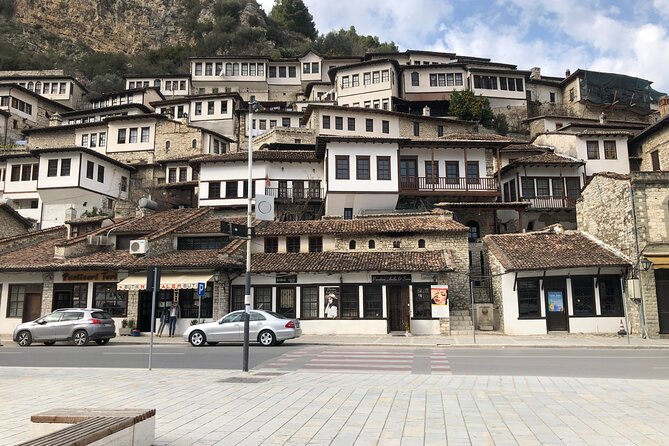
- Berat: The UNESCO City of Many Windows
- Berat Castle (Kalaja): 13th-Century Walls Over Ottoman and Byzantine Layers
- Day 3: Durres Promenade and the Amphitheater That Hosted Gladiators
- Durres Amphitheatre: A Big-Class Monument in a Coastal Setting
- The Promenade: Why This Matters at the End
- Price and Value for a Private UNESCO Route From Tirana
- What’s Included (and What You Should Budget For)
- Guides Make the Difference: When Albania Feels Personal
- Who This Tour Fits Best
- Should You Book This UNESCO 3-Day Tour?
- FAQ
- What time does the tour start?
- What’s included in the price?
- Are lunches or dinners included?
- Do I get a mobile ticket?
- Is this tour private?
- Can I cancel for a refund?
Key Highlights at a Glance
- Private feel with group discounts: only your group travels together, with pricing that can get friendlier for larger bookings
- Butrint and Apollonia covered: entrance included for Butrint and Apollonia, the big-ticket archaeology stops
- Gjirokastër done right: you get both the old-town stroll and time at the castle for wide valley views
- Berat’s “City of Many Windows”: Ottoman-era architecture meets Christian Orthodox heritage in one walkable core
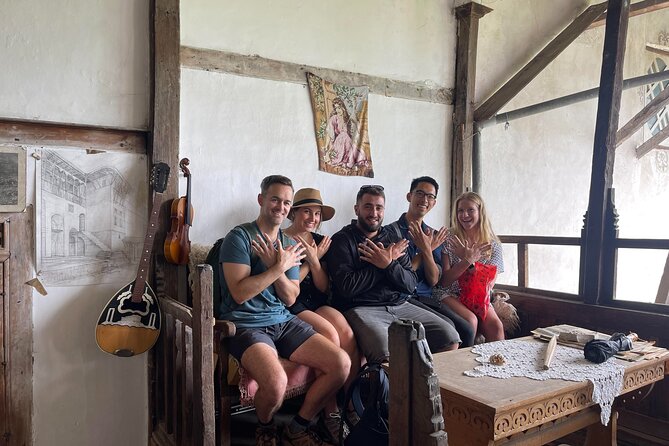
- Local flavor time: you can pause for gliko and Turkish coffee at a guesthouse stop in Berat
A UNESCO Route That Doesn’t Feel Like a Checklist
This tour works because it doesn’t only drop you at monuments. You also get the in-between moments that make Albania click: sea air on the road, mountain town streets that feel unchanged, and citadel viewpoints that put the geography into context.
Two things stand out for me. First, you hit multiple UNESCO sites across different eras and regions, without feeling rushed through ticket lines. Second, the trip is built around guided interpretation—so ruins and churches aren’t just “old stuff,” they’re part of a story you can actually follow.
One possible drawback is the travel time. Day 1 includes a near 4-hour drive from Tirana (with short breaks), and you’ll repeat similar “get there, then see” timing across the days. If you’re the type who hates sitting in a vehicle, pack accordingly.
You can also read our reviews of more tours and experiences in Tirana.


Day 1: Butrint Ruins, Sarandë Promenade, and Gjirokastër Fortress Views
Your first day starts with a long but scenic run south. The drive from Tirana takes almost 4 hours once you factor in small stops, and you pass some of the most famous beach areas in southern Albania—think Sarandë and Ksamil—before you reach Butrint National Park.
Butrint National Park: Where the Past Keeps Changing Hats
Butrint is one of those places where the ground feels like a museum map. You’ll step into Butrint Archaeological Park for about an hour, with the admission fee handled as part of the tour.
What makes Butrint special here is the variety of what you’ll be looking at, even in a short visit: you’re moving through layers of ancient life, not just a single monument. Add the natural setting of the park, and the ruins don’t feel isolated—they feel placed, like the environment helped shape how people lived and built.
Sarandë: Easy Sea-Time and a Proper Break
On the way back, you stop in Sarandë, a port city with a seaside promenade. You’ll have about an hour here for a walk and lunch on your own.
This pause matters more than it sounds. After hours of driving, you want legs and ocean air. If you travel in warmer months, this is a good moment to cool down before continuing inland.
Gjirokastër: The Ottoman-Style Museum City on a Hill
After lunch, you head to Gjirokastër, another UNESCO site. The town sits on the side of a mountain, on top of a hill overlooking the valley, and it’s often described as a museum city because the old core is so well preserved.
You get around 2 hours here for the old town. What you’ll notice fast: cobbled streets, stone architecture, and that slightly theatrical feeling when the town climbs toward the castle. It’s not just pretty—it’s practical for understanding how this place worked.


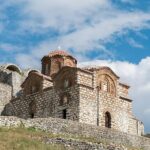
Gjirokastër Bazaar Square: Where News and Commerce Traveled
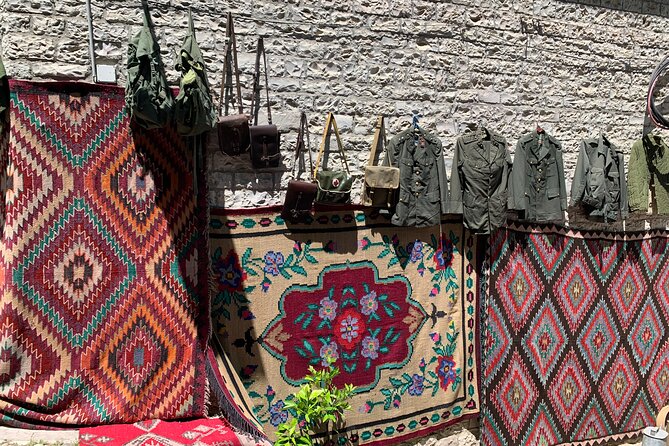
Inside the old core, there’s time in the Bazaar area—about 15 minutes. The main square is named after Cerciz Topulli, a 19th-century Albanian patriot, and the space is tied to the Ottoman-era rhythm of the city.
This stop is brief, but it’s useful. You’ll get the sense of how the bazaar functioned as the city’s social engine—where transactions happened and information spread quickly. Even if you only have a short amount of time, you’ll understand why people built a town like this.
Gjirokastër Castle: The Crown and the Views
Then you climb up to the Gjirokastër Fortress for about 30 minutes, with admission included.
The castle sits in a dominant position, partly because of the hilltop defenses. It’s also connected to local legend, including the story of Argjiro, a young princess linked to the idea behind the castle’s identity as the crown of the city. Historically, the fortress served as a fortress and prison across different regimes, so it’s not only a lookout point—it has a heavier chapter.
When you look back over Gjirokastër from here, you finally understand the town’s design. The street layout, the way the hills shape everything, even the spacing of buildings—all of it makes more sense once you’ve seen it from above.
Practical tip: Wear shoes you trust. Old-town stones can be uneven, and the castle climb rewards solid footing.
Day 2: Apollonia’s Quiet Ruins and Berat’s Thousand Windows
Day 2 balances “big archaeology” with “big town walking.” It also shifts your scenery from southern coastal energy toward inland city life.
Apollonia Archaeological Park: Preserved Ruins in a Calm Setting
You’ll visit Apollonia for about an hour. Admission is free as part of this stop, and it’s one of Albania’s best-known archaeological park experiences.
This is a place for slow attention. Even within a short visit, you’ll get a feel for how Apollonia’s long story is still visible in the site’s layout. The setting is described as relaxed, almost meditative, which is exactly what I’d want on a day that later includes more walking in a living city.
Berat: The UNESCO City of Many Windows
Next comes Berat, the City of Many Windows, which has been on the UNESCO World Heritage list since 2008. The tour time here is about 2 hours, and admission is free.
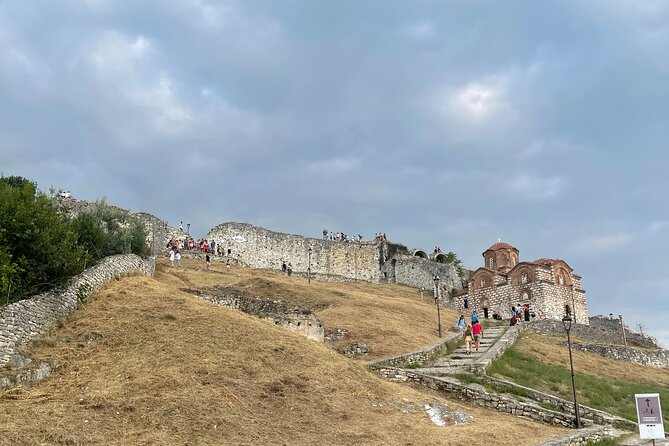
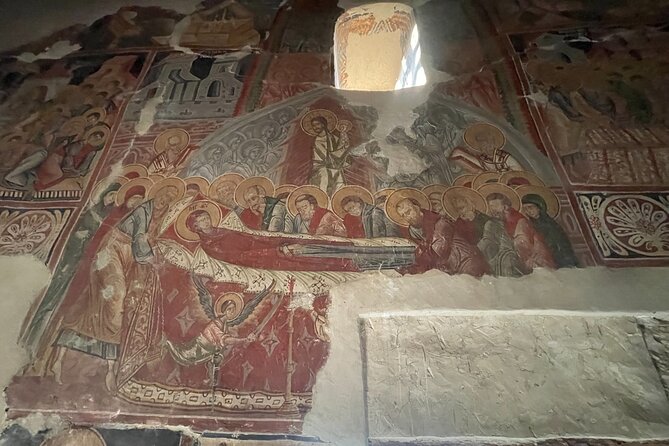
Berat’s core value is its mix of eras living side-by-side. The oldest district is the castle area called the Kalaja, and it’s strongly linked to the Christian Orthodox population. That matters because you’ll see a cluster of churches, some dating back to the 14th century, while the city also carries Ottoman-era influences.
If you like cities where architecture tells you who lived where and when, Berat is a strong match. You don’t just look at buildings; you start reading the town’s geography through windows, doors, and hillside placement.
Berat Castle (Kalaja): 13th-Century Walls Over Ottoman and Byzantine Layers
Then you head to Berat Castle, often called the citadel. Time here is about an hour, and admission is free.
The walls date back to the 13th century, and the castle quarter is surrounded by Byzantine churches and Ottoman mosques. That combination is the point: Berat isn’t one-style, one-era. It’s a layered city that kept changing without wiping its past clean.
You also get a practical cultural moment: you can try traditional gliko and Turkish coffee at a local guesthouse. If you’ve ever tasted something in a place, then later understood the geography behind it, you’ll get why this small stop fits the bigger day.
Practical tip: Gliko can be sweet. If you’re sensitive to heavy desserts, go for a smaller portion and save room for coffee afterward.
Day 3: Durres Promenade and the Amphitheater That Hosted Gladiators
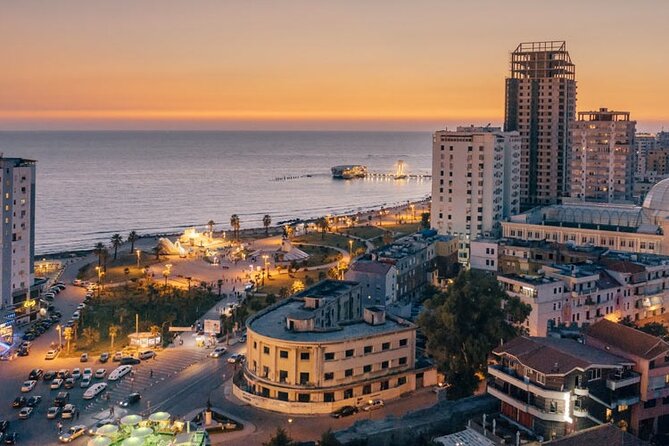
On your final day, you shift to the coast again, heading to Durrës (Durres). You’ll have about an hour to stroll the main promenade and check out the historic amphitheatre, a place long associated with gladiator battles.
This stop is easier than the mountain days, mostly because the walking is gentler and the setting is open. You get sea views and a chance to reset your pace before returning to Tirana at the end of the tour.
Durres Amphitheatre: A Big-Class Monument in a Coastal Setting
The amphitheatre part is the “history anchor.” Even if you only have an hour total in Durres, it’s a great way to end because it gives you a monument that feels grand and public—something built for crowds.
The Promenade: Why This Matters at the End
The promenade is more than free time. It’s your decompression zone. After castles and ruins, the sea helps you switch gears: photos become simpler, walking feels less focused, and your brain finally catches up.
Price and Value for a Private UNESCO Route From Tirana
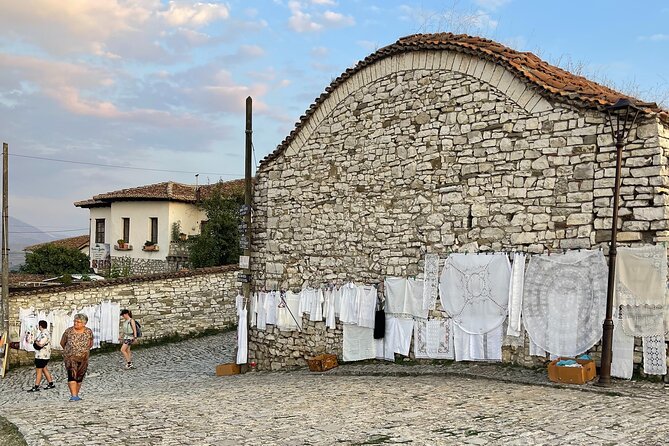
At $520.40 per person for roughly three days, the value comes down to what you’re getting for the money.
First, you’re not just paying for “entry tickets.” The tour includes an air-conditioned vehicle, all fees and taxes, and entrance fees for Butrint and Apollonia. Those two archaeology stops alone are the most logistically annoying parts to DIY, especially when you want smooth timing across multiple destinations.
Second, this is a private tour/activity. That means your day-to-day pacing tends to be controlled by your group rather than a big crowd schedule. You’ll still ride in the car, but the visit rhythm is often more adjustable.
Third, group discounts are offered, which can make a big difference if you’re traveling with friends or a small group. If you can fill enough seats, this kind of UNESCO-heavy trip can start to feel like good planning rather than a splurge.
What you should expect, though: lunches and dinners aren’t included. You’ll be stopping for a meal break in places like Sarandë, but you’ll pay for food yourself.
What’s Included (and What You Should Budget For)
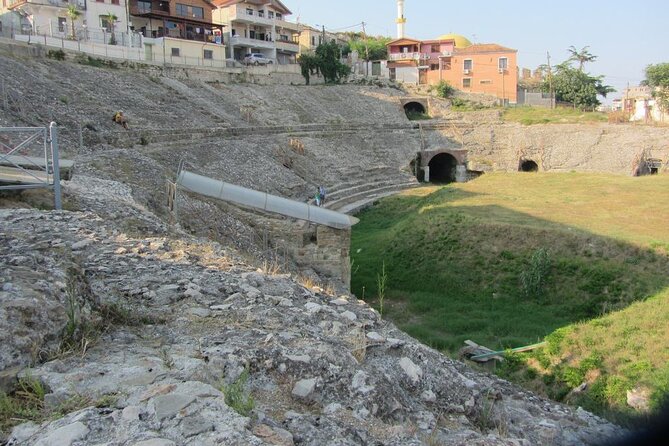
Here’s the practical breakdown based on what’s clearly included:
Included:
- Air-conditioned vehicle
- All fees and taxes
- Entrance fees for Butrint and Apollonia
Not included:
- Lunches and dinners
So your budget planning is mainly about meals. I’d also think about snacks for the car days. Even when there are small breaks, you don’t want your whole day to revolve around finding the first place that sells something.
One more helpful detail: the tour uses a mobile ticket, which usually cuts down on hassle at entrances. It’s a small thing, but it matters when you’re moving between towns.
Guides Make the Difference: When Albania Feels Personal
The “stones and streets” part is obviously important. But the best part of this kind of route is the human layer—the way a guide turns geography into meaning.
On this route, guides you may encounter include people like Zeni and Skerdi. The common thread with guides in this program is that they bring Albania’s history and culture to life with a friendly, professional style that makes the information stick.
You’ll notice it most in the stops where the time is short. A castle visit can feel like a quick viewpoint. With the right guide, it turns into a story about who held power, why the location mattered, and what people believed.
If you like asking questions—why a building looks the way it does, how a town’s layout developed, what legends were doing in everyday life—this tour format supports that.
Who This Tour Fits Best
This is a good match if:
- You want a 3-day UNESCO-focused highlight route without juggling driving and ticket details.
- You’re interested in both archaeology (Butrint, Apollonia) and living historic towns (Gjirokastër, Berat).
- You like guided interpretation more than self-guided “read a plaque” tourism.
It might feel less ideal if:
- You hate long road transfers. Day 1’s southbound drive can be a chunk of your day.
- You want maximum free time in each town. This is a “see a lot, with stops built in” style tour.
Should You Book This UNESCO 3-Day Tour?
Book it if you want an efficient, guided way to see Albania’s top heritage stops in a short window, with the added bonus of visiting sites like Apollonia and Durres that feel like they’re part of the next UNESCO chapter.
Skip or compare if you need more downtime or you get motion-sick in vehicles, because the schedule is structured around travel between regions.
If you do book, do two things: pack comfortable shoes for old-town walking, and plan for meals as a separate budget item. Then show up curious. Places like Butrint and Gjirokastër reward attention, and with a good guide in your corner, the trip feels less like sightseeing and more like understanding how Albania layers its past on top of the present.
FAQ
What time does the tour start?
It starts at 9:00 am.
What’s included in the price?
The price includes an air-conditioned vehicle, all fees and taxes, and entrance fees for Butrint and Apollonia.
Are lunches or dinners included?
No. Lunches and dinners are not included, so you’ll want to budget for meals during your town stops.
Do I get a mobile ticket?
Yes, the tour offers a mobile ticket.
Is this tour private?
It’s listed as a private tour/activity, meaning only your group participates.
Can I cancel for a refund?
Yes. You can cancel up to 24 hours in advance for a full refund. If you cancel less than 24 hours before the start time, you won’t get the refund.