REVIEW · VERONA
Verona: Street Food and History Tour with Local Guide
Book on GetYourGuide →Operated by Food Raphael Tours and Events · Bookable on GetYourGuide
Verona tastes better when you walk it. This street food and history tour strings together famous landmarks with real local bites, so your evening feels like a story you can eat. You start at the ancient Arena di Verona, then move through the romantic core of town while your guide connects what you see to what you taste.
I love how the tour mixes big sights with small moments: the assaggio di formaggi e salumi stop gives you a clear taste of Veneto, and you also get classic treats like pandoro, espresso, and artisan gelato without turning it into a food-only parade. Second, the Juliet’s House visit lands perfectly in the middle of the walk, including the famous balcony that inspired Shakespeare’s lovers.
One thing to consider is the walking surface. You’ll be on cobblestones, and the tour isn’t designed for wheelchair users or people with severe allergies, so it helps to plan accordingly.
In This Review
- Key highlights worth planning around
- Arena di Verona to Juliet’s House: Roman scale meets romantic stories
- Piazza delle Erbe and Piazza dei Signori: where markets turned into power
- Cheese, cured meats, pandoro, espresso, gelato: how the food keeps you moving
- Arche Scaligere and Romeo’s House: the lovers’ walk gets a backbone
- Sottoriva arcades and Ponte di Pietra: views that make the snacks feel worth it
- Castelvecchio finish: ending with medieval muscle
- Price and value: what $65 really buys you
- Who should book this Verona street food and history tour
- Should you book it?
- FAQ
- How long is the Verona Street Food and History Tour?
- What food tastings are included?
- Is the tour in English?
- Is there a vegetarian option?
- Where does the tour take place and do you visit Juliet’s House?
- What should I bring for the tour?
Key highlights worth planning around
- Arena di Verona start: a Roman setting that still has concerts and opera today
- Juliet’s House balcony: Shakespeare’s Verona in the middle of your route
- Assaggi di formaggi e salumi: cheeses and cured meats as a Veneto intro
- Classic drinks and sweets: espresso the Italian way plus pandoro and gelato
- Local street snacks: a cicchetto stops the tour from feeling staged
- River views and medieval ending: Ponte di Pietra and the finish near Castelvecchio
Arena di Verona to Juliet’s House: Roman scale meets romantic stories
The tour kicks off at the Arena di Verona, the huge Roman amphitheater that’s been part of the city since the 1st century AD. What I like about starting here is that Verona doesn’t feel like a postcard. It feels layered. You’re standing in something built for crowds, and you immediately understand why performances still matter here.
From the Arena, you’ll head into the tighter, older streets where walking feels like it shrinks the city around you. That’s the magic of this kind of route: you’re not just getting photos of famous places, you’re learning the geography of how Verona holds its landmarks close.
Then comes Juliet’s House and the balcony tied to Shakespeare’s tale. Even if you’re not a literature obsessive, this is a great mental reset in the middle of the walk. It’s one of those stops that turns history into emotion. You’ll also appreciate where it sits on the route, because it breaks up the architectural sightseeing with something more personal and legend-driven.
If you want the best experience, wear shoes you trust. This tour is short, and that means you’ll feel every step. The good news is the pace stays lively because the stops keep arriving right when your feet start to wonder what’s happening.
You can also read our reviews of more tours and experiences in Verona.

Piazza delle Erbe and Piazza dei Signori: where markets turned into power
After Juliet’s House, you move toward the heart of Verona’s public life: Piazza delle Erbe. This is where the city’s Roman forum once sat, and now it’s a lively marketplace square. It’s colorful in a practical way, not just for show. You’ll feel how Verona functions as a day-to-day city, not only as a monument collection.
Nearby is Piazza dei Signori, framed by elegant Renaissance buildings. This is a smart stop because it gives you contrast. One square tells you about commerce and everyday life. The other feels like governance and status. Put them together and you get a clearer picture of how cities work: food and politics share the same space, just with different rules and different crowds.
A quick word about why this part pairs well with food. The tastings aren’t random snacks. They act like punctuation. You take something local on a bite-sized schedule, and each plaza helps you place it. It’s easier to remember what you tasted when you connect it to a specific setting.
Cheese, cured meats, pandoro, espresso, gelato: how the food keeps you moving
This tour earns its value because the food is scheduled with purpose. You’re not stuck waiting at one long table. You’re sampling as you walk, which keeps the whole evening from feeling heavy or slow.
One of the first tastings is assaggio di formaggi e salumi, the local way of starting with cheeses and cured meats from the region. This stop matters because it’s an intro to Veneto flavors in a single bite sequence. You get a chance to taste without committing to a huge meal, and you also learn what to look for later when you’re shopping on your own.
Next up is pandoro, Verona’s famous sweet bread. The tour highlights it as something traditionally tied to the holidays, which gives you context beyond dessert. It’s a nice reminder that local food traditions don’t exist only for tourists; they have a calendar and a culture.
You’ll also enjoy a rich espresso made the Italian way. This is one of those details that changes your whole perception of what “coffee” means in Italy. Instead of treating it like a big comfort drink, you experience it as a quick, focused ritual.
Then comes artisanal gelato, made from organic and seasonal ingredients. That’s not a random marketing line. If you pay attention, you can taste the difference between heavy, generic sweetness and flavors that follow the season.
And yes, you’ll also encounter a cicchetto, a small savory snack typical of northern Italy. This is the kind of street-food detail I love because it feels local in both form and timing. It makes the tour feel like you’re learning how people actually nibble while socializing.
Vegetarian options are available upon request, so you’re not automatically stuck with a plain swap. If you have dietary needs, send them when you book so the tour can adjust the tastings.
Arche Scaligere and Romeo’s House: the lovers’ walk gets a backbone
Verona’s “lovers” reputation isn’t just branding. The tour helps you see the city’s romantic legend with a stronger base in real places.
You’ll pass the Arche Scaligere, the elaborate Gothic tombs that honor the powerful Scaliger family. This stop gives the romance a darker, older edge. Love stories usually get told with light and flowers, but Verona reminds you that cities are built and ruled by people with power, money, and ambition. Those tombs show the long memory of the city.
Then you’ll pass Romeo’s House, rounding out the iconic lovers’ thread. The effect is simple but useful: you see both sides of the Shakespeare connection as you continue your walk through the historic core. It helps the story feel placed in real geography, not floating as random myth.
Sottoriva arcades and Ponte di Pietra: views that make the snacks feel worth it
As you move through Sottoriva, you’ll enjoy the charm of arcades, the kind of covered street structure that makes strolling feel comfortable and old-world at the same time. This is also a natural area to slow your camera work down. The streets here help you see Verona’s texture: stone, shadows, storefront rhythm, and that gentle sense that the city has been walking the same way for centuries.
Then comes Ponte di Pietra, Verona’s oldest bridge. Crossing it gives you a different kind of history: the view is part of the story because the bridge connects the city to the Adige River. Even if you’ve seen other Italian river scenes, this one hits differently because it’s tied directly to the oldest parts of the walk.
I like this segment because it resets your senses. After tastings and storytelling near the squares, you get open sightlines and that “now I can breathe” feeling. It’s also a good time to check your remaining energy. The tour still ends strong, but this is your practical midpoint.
Castelvecchio finish: ending with medieval muscle
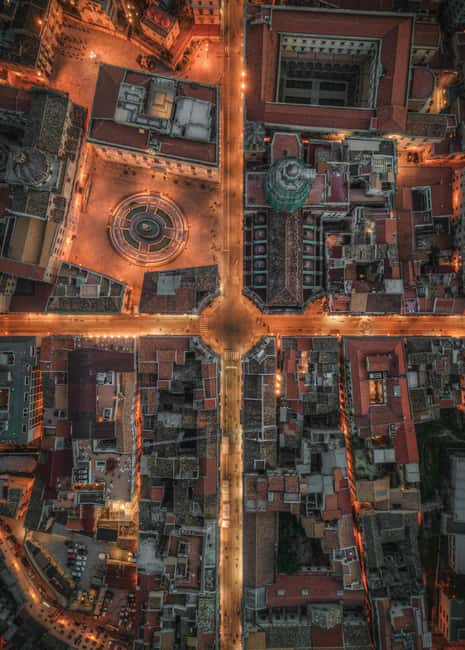
The route ends near Castelvecchio, a fortress from the 14th century. This final stop is a solid choice because it shifts you from legend to structure. You’ve spent time with poetry and plazas. Now you get military architecture, with a clearer sense of why Verona mattered.
Castelvecchio gives you a window into the city’s military and artistic legacy. Even if you don’t go inside (entry to monuments or museums isn’t included), you still get the feeling of a place built to last, built to defend, built to project power. It’s a good ending for a tour that started at the Arena, another endurance landmark.
If you like walking tours that end with something visually grounded, this finish helps. You leave with a real sense of Verona’s time span: Roman scale at the start, medieval fortification near the end.
Price and value: what $65 really buys you
At $65 per person, this tour is priced like a compact experience that expects you to get your money back in both taste and time. You’re paying for a guided walk plus multiple tastings that include cheeses and cured meats, pandoro, espresso, artisan gelato, and a cicchetto. That’s more than a quick snack stop, and it explains why the price feels fair if you’d otherwise spend money on several separate items.
Time is also part of the value. The tour is listed as 2 hours, and the guided walking segment is listed as 2.5 hours, so you should plan on a couple of hours on your feet with frequent stops. That format matters in Verona, where the historic center is best handled on foot.
You also get an English-speaking local guide, which is worth its weight in gold if you care about how the pieces connect. And the vibe from the guide side is a real strength. In particular, I’ve seen how Martina earns strong praise for being enthusiastic and for explaining stories between bites, so the tour doesn’t feel like you’re following a checklist.
One small practical note: if you enjoy these tours when the group feels relaxed and social, this one tends to hit that tone. The best guide style here is the one that keeps you talking while you eat.
Who should book this Verona street food and history tour
This is a great pick if you want Verona in one evening without building an itinerary from scratch. It works especially well for:
- First-time visitors who want major landmarks in a short span
- Food-minded travelers who like street-level tastings rather than sit-down meals
- Couples and small groups who enjoy storytelling as much as sights
It’s less ideal if you:
- Need wheelchair access, since it isn’t set up for wheelchair users
- Have severe allergies, since food tastings are central to the tour
- Prefer long museum-style visits, since monument entry isn’t included
If you’re traveling with people who get bored on purely architectural tours, this format usually solves that problem. You have a clear rhythm: walk, stop, taste, learn, repeat.
Also, you’ll want to check the weather like you would for any short walking tour. The tour runs in all weather, so dress for cobblestones and changing conditions. Bring water, and wear shoes that handle uneven ground.
You can also usually manage risk in planning because there’s free cancellation up to 24 hours in advance and a reserve now & pay later option. That makes it easier to lock in a great evening without betting everything on the forecast.
Should you book it?
Yes, I’d book this if you want Verona with both flavor and context. The combination is the point: Roman scale at the Arena, romance at Juliet’s House, public life at Piazza squares, then food tastings that keep showing up before you get tired of walking. The finish near Castelvecchio gives you a medieval endpoint that feels earned.
Skip it only if your priority is museum entry or if your situation is complicated by severe allergies or mobility needs. If you fit the core audience, you’ll likely leave with a better sense of how Verona’s landmarks and food traditions connect in real life.
FAQ
How long is the Verona Street Food and History Tour?
It’s listed as a 2-hour tour, with a 2.5-hour guided walking tour included.
What food tastings are included?
You’ll have tastings such as local cheeses and cured meats (assaggio di formaggi e salumi), plus pandoro, espresso, artisan gelato, and a cicchetto.
Is the tour in English?
Yes, the live tour guide speaks English.
Is there a vegetarian option?
Vegetarian options are available if you inform the provider at the time of booking.
Where does the tour take place and do you visit Juliet’s House?
The tour begins at the Arena di Verona and includes a visit to Juliet’s House, including the famous balcony.
What should I bring for the tour?
Bring comfortable shoes (the tour involves cobblestone streets), a camera, water, and weather-appropriate clothing.