REVIEW · SINGAPORE
Singapore: Private Food & Heritage Walking Tour
Book on GetYourGuide →Operated by Monster Day Tours · Bookable on GetYourGuide
Singapore’s streets taste like history. This private, 6-hour walk is built around three ethnic quarters and the food that locals actually chase—Chinatown, Little India, and Kampong Glam—plus 9 to 10 dishes and drinks explained by an English-speaking guide. Guides such as Rayney, Bryan, and Leo come up in the best feedback for making history feel personal, not lecture-y, and for pointing out the small details you might otherwise miss.
I especially like the pacing: you’re walking through neighborhoods, stopping often enough to eat well, and using MRT and bus so the day feels like part of everyday Singapore. One thing to consider: this tour is not suitable for guests with dietary restrictions or food allergies, and it involves a moderate amount of walking outdoors, rain or shine.
In This Review
- Key things that make this tour worth your time
- Why the Chinatown–Little India–Kampong Glam combo works
- Meeting at Chinatown MRT Exit A and what to do before you go
- The Chinatown start: eating your way through a neighborhood’s habits
- Maxwell Food Centre: where a lot of the real tasting happens
- Little India: sharper flavors, warmer stories, and Arab Street energy
- Kampong Glam: the heritage side of food and the community behind it
- Using the MRT and bus like a local (and why it’s part of the point)
- The included River Cruise ticket: a good follow-through
- How the food tasting part really adds value
- Price and value: what $196 really covers
- Who this Singapore food and heritage walk suits best
- Who should skip it
- Should you book this private food and heritage walking tour?
- FAQ
- How long is the Singapore Private Food & Heritage Walking Tour?
- Where does the tour start?
- Which neighborhoods will you visit?
- How many food and drink items are included?
- Is public transport included?
- Is a river cruise ticket included?
- What should I bring for the day?
- Is the tour suitable for dietary restrictions, food allergies, or wheelchair users?
Key things that make this tour worth your time
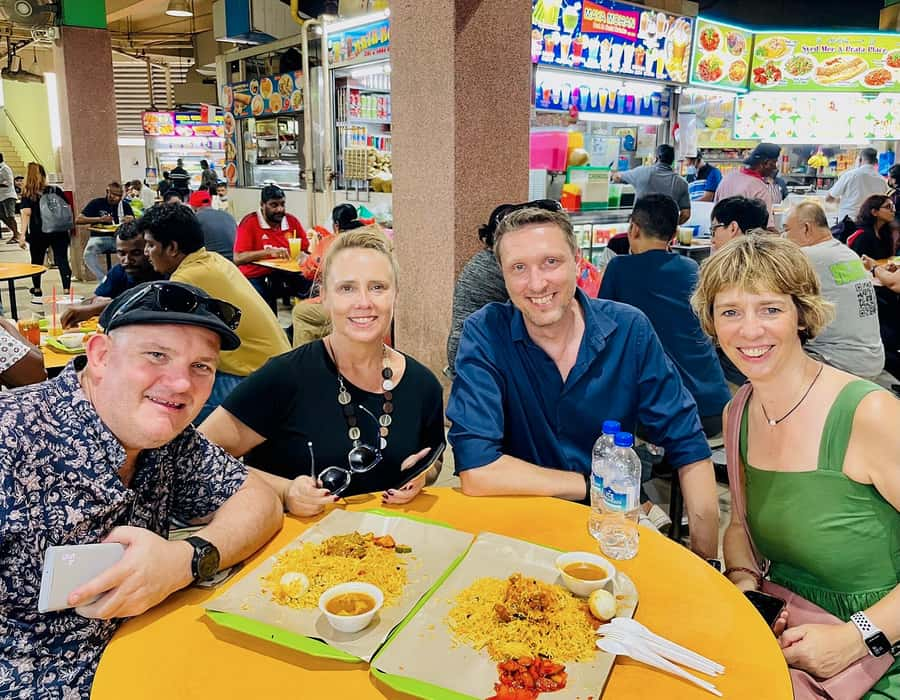
- Three neighborhoods, one story: Chinatown, Little India, and Kampong Glam connected through food and community history
- 9 to 10 tastings and drinks included: you’re not stuck figuring out what to try on your own
- English-speaking local guides: feedback highlights guides like Rayney, Bryan, and Leo for clear stories and great conversation
- You ride public transport: MRT and bus are part of the experience, not just transportation
- River cruise admission ticket included: it adds a sightseeing follow-through to the food-heavy morning/day
- Rain or shine operations: you’ll be out walking, so come prepared
Why the Chinatown–Little India–Kampong Glam combo works
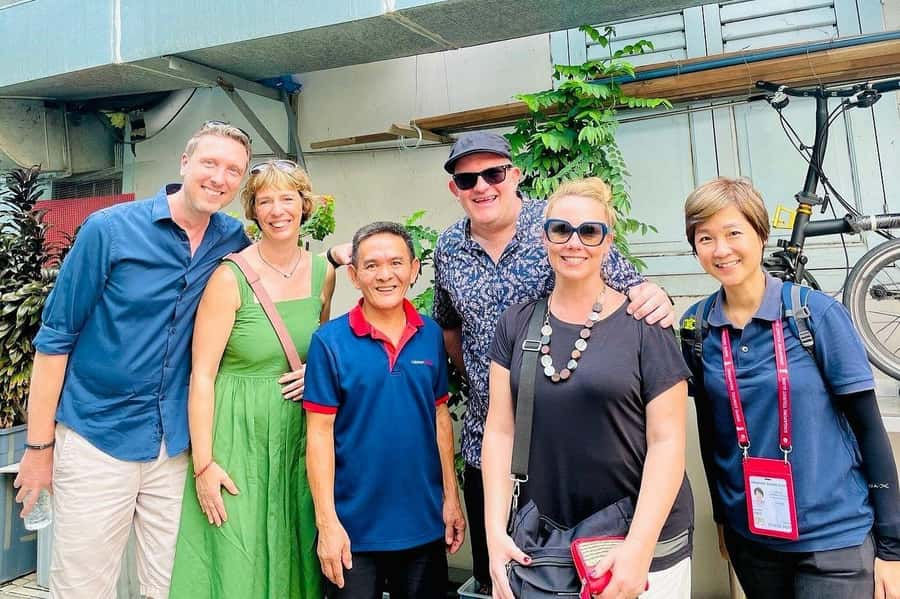
Singapore can feel like one city with many chapters, and this tour keeps you moving across three of the biggest ones. By organizing your day around Chinatown, Little India, and Kampong Glam, you get food that reflects different communities, religious influences, and long-standing neighborhood identities.
What I like is that the focus isn’t just sampling dishes. You also get context for why those foods and places matter. The guide’s job is to connect the dots between what you’re eating and what shaped the streets around you—markets, community habits, and local traditions.
If you’re the type who wants a city to make sense fast, this layout helps. You see how Singapore’s culture shows up in everyday life: where people queue, how they order, and what tastes feel “normal” to locals.
You can also read our reviews of more tours and experiences in Singapore.

Meeting at Chinatown MRT Exit A and what to do before you go
The tour starts at Chinatown MRT Station, Exit A (street level). You’re looking for guides in purple Monster Day Tours shirts, so you can spot your group quickly and get moving without delay.
Plan to arrive on time. This is one of those days where the schedule matters because food stops and transit connections are part of the flow. If you’re running late, you’re more likely to miss a tasting window than a museum ticket.
Since the tour runs rain or shine, I strongly recommend you treat this like an outdoor day first, food day second. Bring a poncho or umbrella, plus water. Comfortable shoes are non-negotiable here—there’s moderate walking, and some of it stays outdoors.
The Chinatown start: eating your way through a neighborhood’s habits
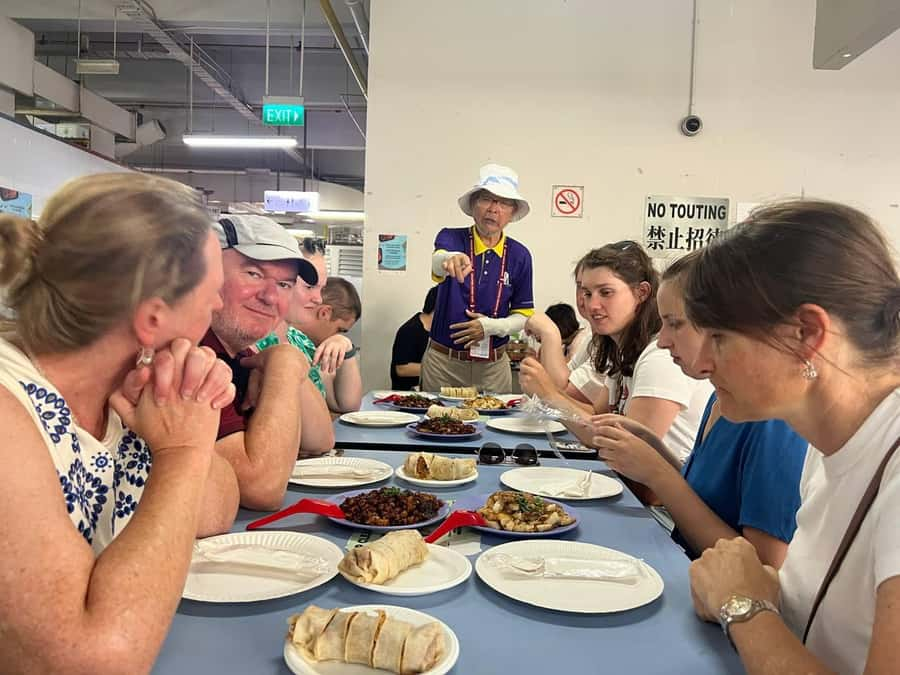
Chinatown isn’t just one landmark. It’s a whole food map, and this tour uses it as your kickoff. Expect to wander through streets and local spaces where families and regulars make the quarter feel alive, not staged.
The guide walks you through what you’re eating with details that go beyond taste. You’ll get in-depth insights into each dish and drink, which is handy if you’re trying to learn how Singapore flavors actually work. And because the tour includes a challenge element to your culinary attention, you’ll likely be paying closer focus than you would on a casual meal stop.
Chinatown is also a great place to start because your guide can explain the bigger “why” behind what you’re seeing—how communities formed, how traditions travel, and why certain foods stick around. Then, you carry that understanding forward to the next neighborhoods.
Maxwell Food Centre: where a lot of the real tasting happens
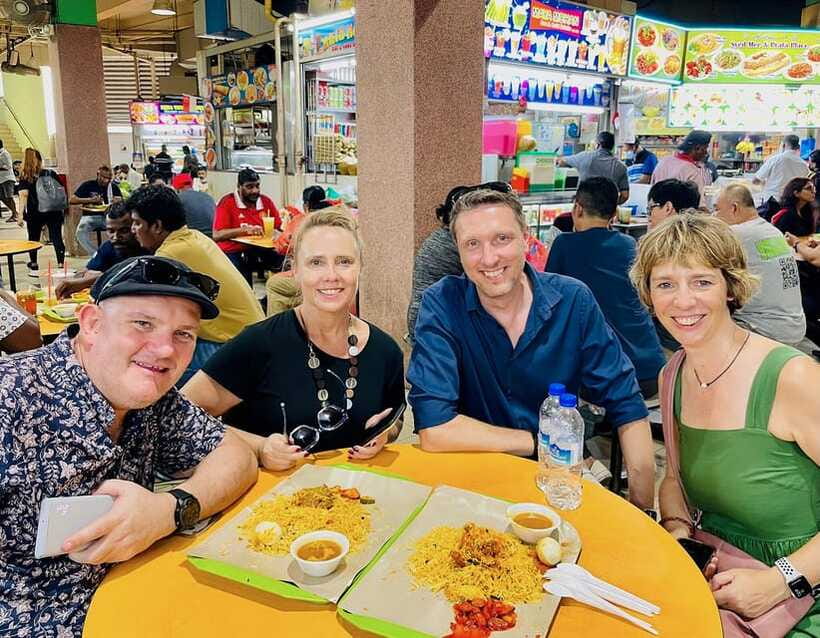
One stop that shows up clearly in strong feedback is Maxwell Food Centre. This is the kind of place that can feel overwhelming if you walk in cold: lots of stalls, lots of choices, lots of smells, and you’re stuck trying to guess what locals go for.
That’s where a guide earns their fee. At Maxwell, you get the advantage of someone steering you toward a good mix, with explanations as you go. In the best reviews, this meal period is described as a wide selection where each dish seems to keep topping the last.
For you, the value is simple: you don’t waste time deciding between a dozen options. You also learn what makes each item distinct, so later—maybe even the same day—you can recognize the style of cooking rather than just the name.
Little India: sharper flavors, warmer stories, and Arab Street energy
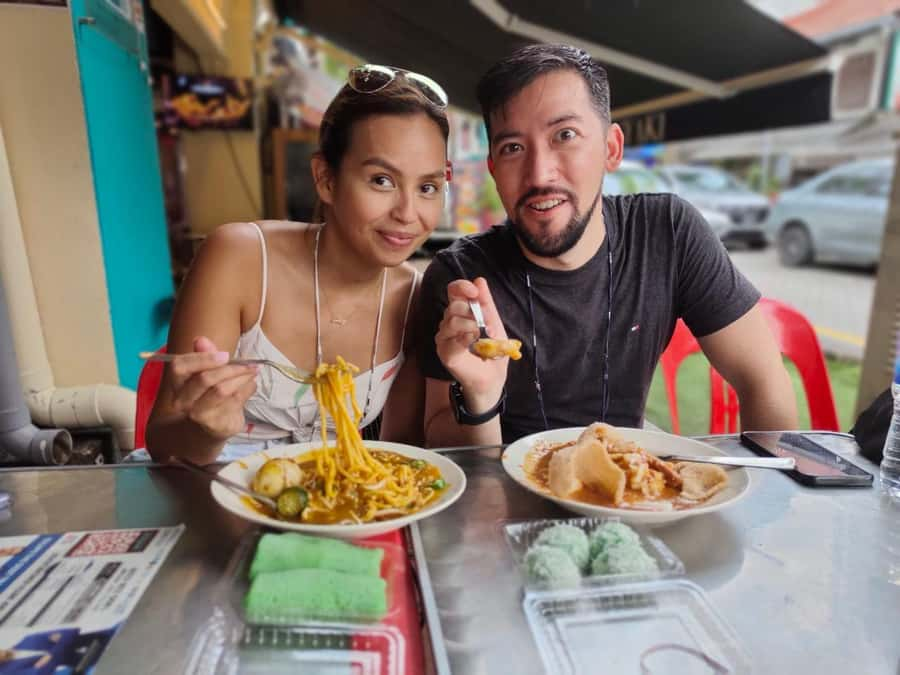
After Chinatown, the tour shifts gears to Little India, a neighborhood where spice, religion, and community life blend into the street scene. The pace stays walking-based, but the food experience changes character quickly, so you get variety instead of repeating the same “snack theme.”
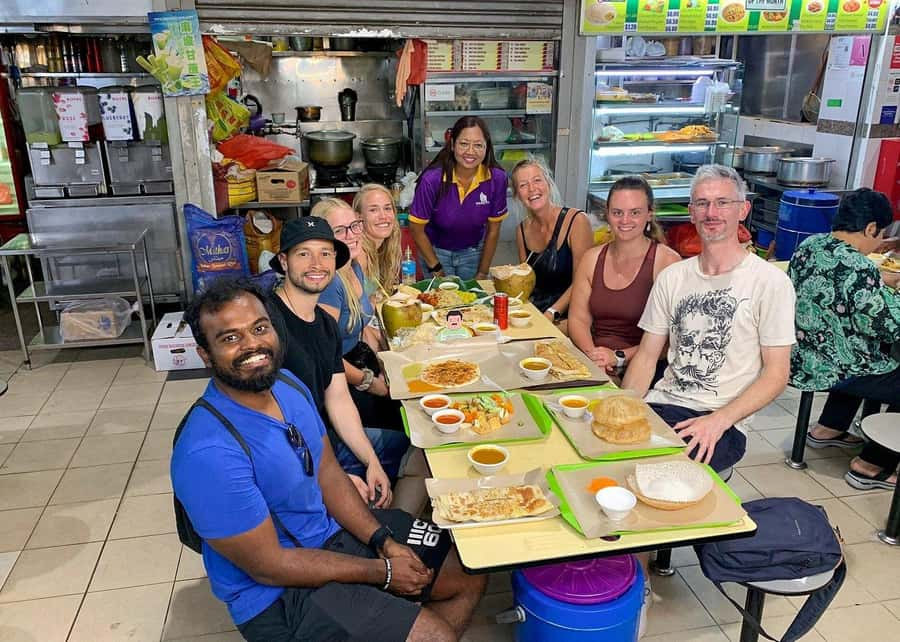
A standout detail from feedback: you’ll visit Zam Zam on Arab Street, known for Indian food that’s described as genuinely delicious. Arab Street has that lively, shopping-and-eating rhythm, and with a guide you’re more likely to understand what you’re looking at: what’s commonly ordered, how flavors are built, and what local diners treat as comfort food.
In practical terms, this part of the tour is ideal if you want your Singapore trip to include more than the safe, mainstream choices. Little India is where Singapore’s culinary variety feels most obvious—and where your guide’s context helps you taste with intention.
Kampong Glam: the heritage side of food and the community behind it
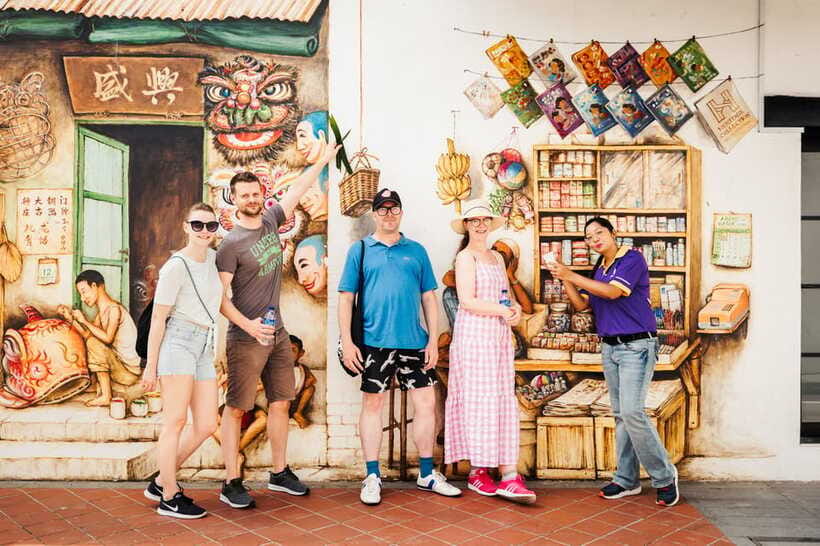
Next comes Kampong Glam, and this is where the tour’s “heritage” angle becomes more noticeable. This neighborhood is strongly tied to cultural identity, and your guide connects what you see on the streets to the community stories behind the food.
Even if you’re not a history buff, I think this section works because it’s grounded in daily life. You’re not only looking at buildings; you’re learning how communities live, gather, and keep traditions moving through generations. That matters in a place like Singapore where neighborhoods can look tidy and modern, yet still hold older rhythms.
Since the tour includes arts and historical landmarks in the overall experience, your guide’s job here is to translate the neighborhood’s meaning for your eyes. You’ll likely leave with a better sense of how Singapore’s different groups share space and influence the city’s character.
Using the MRT and bus like a local (and why it’s part of the point)
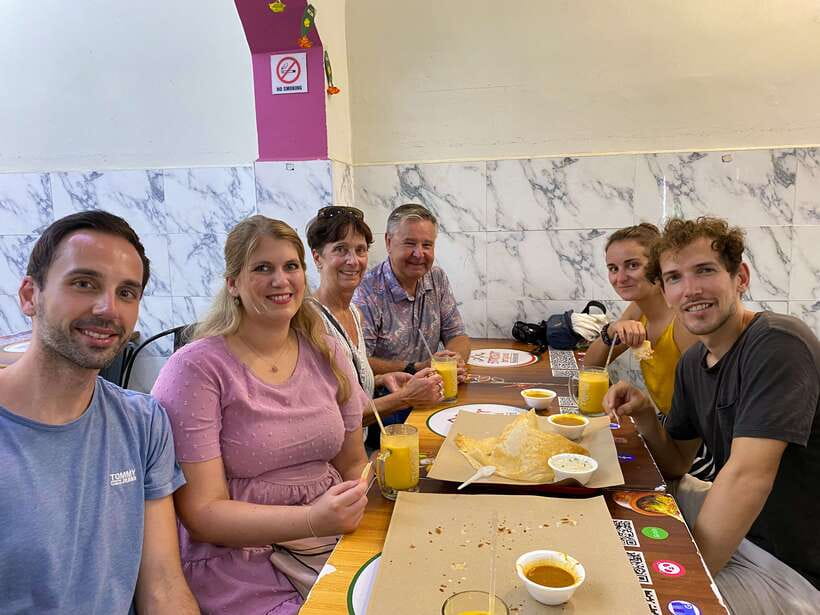
This tour doesn’t just take you between neighborhoods by taxi or car. It includes public transport (MRT and bus), and that changes the feel of the day.
When you ride with a guide, you’re moving through real transit routes. You get a chance to experience the flow of the city the way residents do—how people move, where they get on, and how everyday travel fits into life.
There’s also a practical bonus: the neighborhoods you’re visiting are spread out enough that local transport makes sense. You avoid the stress of navigating transit on your own while still getting time on the street for food stops and stories.
The included River Cruise ticket: a good follow-through
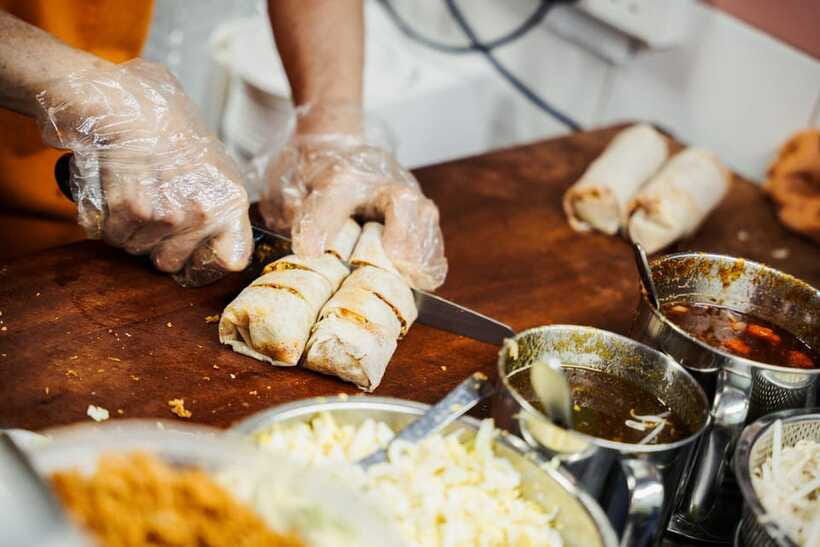
The tour includes an admission ticket to a River Cruise. That doesn’t replace the walking day—it complements it.
Why it helps: after a food-heavy, street-level tour, a cruise offers a different angle on the city. It’s a chance to step back and see Singapore’s geography and waterfront character in one shot, without hunting for tickets later.
Even if you’re not the type who loves boat rides, this can be a smart use of your time. You’re already learning about the city’s cultural layers. The cruise gives you another layer visually, so the day feels complete.
How the food tasting part really adds value
The tour includes 9 to 10 local ethnic food dishes and drinks. For me, the biggest value in tasting tours isn’t the number—it’s the direction.
A guide helps you taste with context:
- what the dish is trying to be
- what ingredients or techniques give it its signature
- how the dish fits into the neighborhood culture
That’s why feedback often calls out the guide’s ability to point out little things you would otherwise miss. When your guide frames food, you notice more. You also start to understand Singapore’s flavor logic, not just sample a few bites.
One more practical point: this isn’t a light snack tour. With multiple tastings across three areas, you’ll want to pace your appetite. Wear clothes that make it comfortable to eat, walk, and keep going without feeling rushed.
Price and value: what $196 really covers
At $196 per person, this tour isn’t a bargain-basement street-food crawl. But it includes several items that usually cost extra when you book separately:
- an English-speaking local guide
- 9 to 10 tastings and drinks
- public transport via MRT and bus
- all taxes, fees, and handling charges
- a River Cruise admission ticket
When you total that in typical travel terms—guide time, transit, multiple food stops, and a cruise ticket—the price starts to look less like “just a walking tour” and more like a day package built for convenience.
The key tradeoff is that it’s private and food-forward. If you love learning how cities work through what people eat, the value clicks. If you only want a casual stroll and a single meal stop, you might not use enough of what’s included.
Who this Singapore food and heritage walk suits best
This tour is a strong match if you:
- want a fast, organized introduction to Singapore’s major cultural neighborhoods
- like your food tours with explanations, not just menus
- enjoy walking and want to see how local life looks in motion
- appreciate guides who can turn stories into something you remember later
It’s also a great first-day option, based on the kind of feedback given by people who did it early. After you get your bearings, the rest of Singapore tends to feel less like random sights and more like a connected city.
Who should skip it
This one matters. The tour is not suitable for guests with dietary restrictions and it’s not suitable for people with food allergies. You’re sampling multiple local dishes across different cultures, so there’s no room for custom substitutions based on the provided info.
Also, the tour is not wheelchair accessible, and it’s not suitable for guests who require walking assistance. The day includes moderate walking with some outdoors, plus weather happens.
If you fall into those categories, it’s better to choose a tour style with clearer accommodations and a safer food approach.
Should you book this private food and heritage walking tour?
I’d book it if you want a day where Singapore makes sense through food and neighborhood storytelling. The combination of Chinatown, Little India, and Kampong Glam hits the big cultural anchors, and the fact that tastings, transit, and a River Cruise ticket are wrapped into one package makes planning simpler.
I’d think twice if food allergies, dietary restrictions, or mobility limits are part of your needs. Also, go in ready to walk and deal with weather. With the right preparation—comfortable shoes, umbrella/poncho, and water—the day feels like a guided pass into everyday Singapore life, not just a sightseeing route.
If you’re the type who enjoys learning while you eat, this is an excellent use of your time.
FAQ
How long is the Singapore Private Food & Heritage Walking Tour?
It’s a 6-hour experience.
Where does the tour start?
The meeting point is Chinatown MRT Station, Exit A (street level).
Which neighborhoods will you visit?
You’ll explore Chinatown, Little India, and Kampong Glam.
How many food and drink items are included?
You’ll sample 9 to 10 local ethnic food dishes and drinks.
Is public transport included?
Yes. The tour includes public transport (MRT & bus).
Is a river cruise ticket included?
Yes. There’s admission ticket to River Cruise included in the tour.
What should I bring for the day?
Bring comfortable shoes, an umbrella/poncho, water, and rain gear. Comfortable clothes help too.
Is the tour suitable for dietary restrictions, food allergies, or wheelchair users?
No. The tour is not suitable for dietary restrictions or for people with food allergies, and it’s not wheelchair accessible. It’s also not suitable for guests who require walking assistance.