Birds, canals, and village views in one walk. This walking wildlife-and-Edinburgh story pairs close-up nature time with a few well-chosen stops that help you see how the city grew around water.
I love the binocular time and how bird-spotting turns into a skill you can keep using after the tour. I also like the Dean Village stop, because it feels like a postcard, but you get there at walking pace, not by rushing past.
The only catch I’d plan for is logistics: the tour ends in a different location than where it starts, so sort your return transport early.
In This Review
- Key moments that make this walk work
- How this Edinburgh wildlife walk plays out in real life
- Meeting at Coates Crescent: what to expect before you start
- Colinton Station & Tunnel mural stop: a quick start with big visual payoff
- The Water of Leith area: a viewpoint moment before you reach Dean Village
- Dean Village: atmospheric water-and-stone, paced for noticing
- Water of Leith Visitor Centre and Café: where you slow down on purpose
- Union Canal towpath: flat walking that rewards patience
- Binoculars, bird spotting, and Julian’s small “wow” moments
- Price, value, and whether $61.10 makes sense
- Who should book this tour (and who might not love it)
- Should you book Walking Wildlife History Tour in Edinburgh?
- FAQ
- How long is the Walking Wildlife History Tour in Edinburgh?
- What is the price per person?
- Is the tour offered in English?
- What group size should I expect?
- Where does the tour start?
- Is there a mobile ticket?
- Can I cancel for a full refund?
Key moments that make this walk work
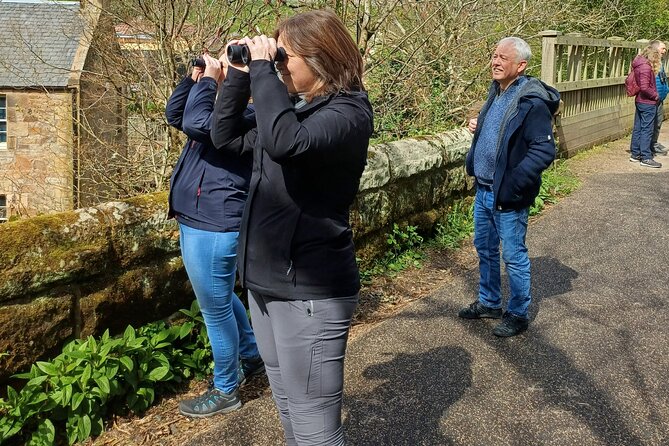
- Binoculars included: the guide brings gear that actually helps you pick out birds, not just “try your luck.”
- A small group: maximum 8 people means questions don’t get lost and stops can stay unhurried.
- Dean Village + Water of Leith: you get atmosphere, then a proper indoor break at the visitor centre.
- Colinton Station mural stop: a short pause turns into a better understanding of Scotland’s industrial and cultural threads.
- Union Canal towpath walking: flat, steady ground that’s ideal for scanning the water and banks for wildlife.
- Julian’s personal touches: flexible pacing, bus fare coins, and (on this experience) a small whisky tasting.
How this Edinburgh wildlife walk plays out in real life
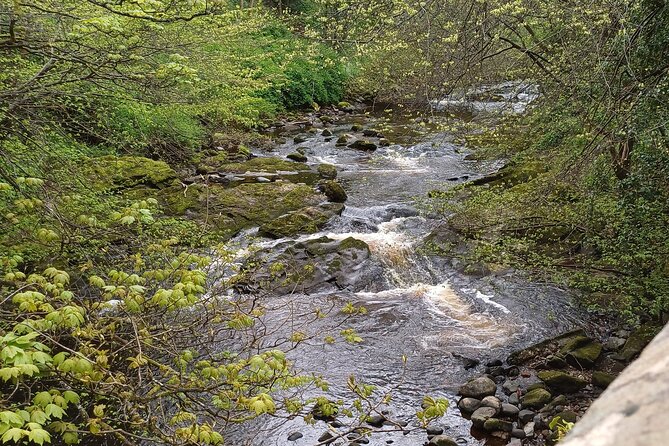
This is not a marathon. You’re out for about 3 to 5 hours, paced for looking—at birds, at water, and at the city details that most people speed by.
What makes it feel special is the rhythm. You’ll walk between spots, then stop long enough to actually notice something. The guide’s style is built around frequent bird-spotting breaks, so the trip doesn’t feel like a checklist of landmarks.
Also, it’s designed for comfort and access. The group is capped at 8, it’s in English, it runs near public transportation, and most people can participate. If you travel with a service animal, that’s allowed too.
Finally, remember the end point. The tour finishes somewhere else, so bring a plan for getting back to your hotel or next stop.
You can also read our reviews of more tours and experiences in Edinburgh.

Meeting at Coates Crescent: what to expect before you start
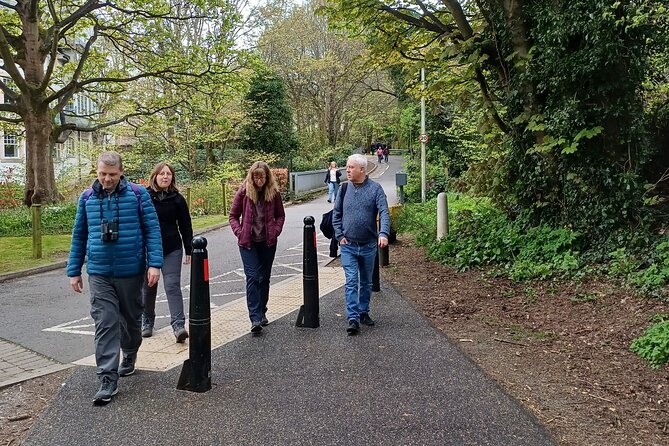
You’ll meet at 11 Coates Cres, Edinburgh EH3 7AT. From there, the tour unfolds as a connected walk through a handful of settings: mural-and-tunnel surroundings, a village-water scene, an interpretive visitor centre, and then canal towpath walking.
You don’t need to worry about printed tickets either. It’s run with a mobile ticket, and you’ll get confirmation when you book.
If you’re thinking about timing—late lunch, another booking, or a train later—this is the kind of tour where the pace can be adjusted. The guide can work around your available time, and you can choose options for stopping if you need to wrap up earlier.
My practical tip: show up a few minutes early. Not to be “on time,” but so you can get settled and start looking with a clear head.
Colinton Station & Tunnel mural stop: a quick start with big visual payoff
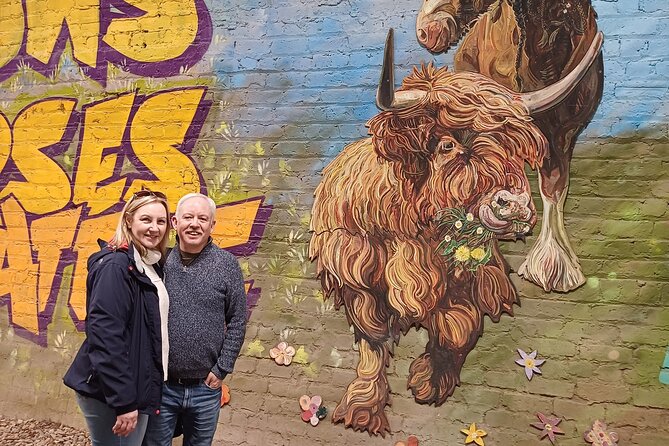
Your first stop is Colinton Station & Tunnel. You’ll spend around 10 minutes focused on a mural that shows Scotland’s industrial, social, artistic, and literary movements. It’s a short block of time, but it works because it gives you context right at the start.
Here’s why that matters for the rest of the walk. When you’ve got one visual anchor—how people used to work, create, and live—you start noticing more in the streets and waterways. Even if you only catch a few details, it changes how you read the area while you’re walking.
Practical note: this is a free admission stop, so you’re not hunting for entrances or fees. You’re just stepping out, looking, and getting back on the move.
If you like street art, public history, or just having something to look at while the group gathers, this is a smart opener.
The Water of Leith area: a viewpoint moment before you reach Dean Village
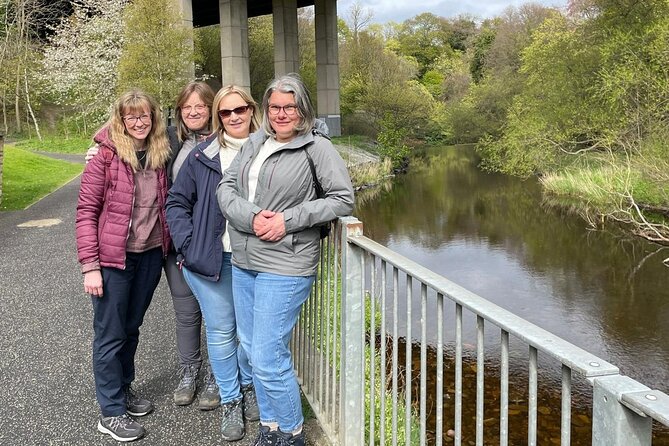
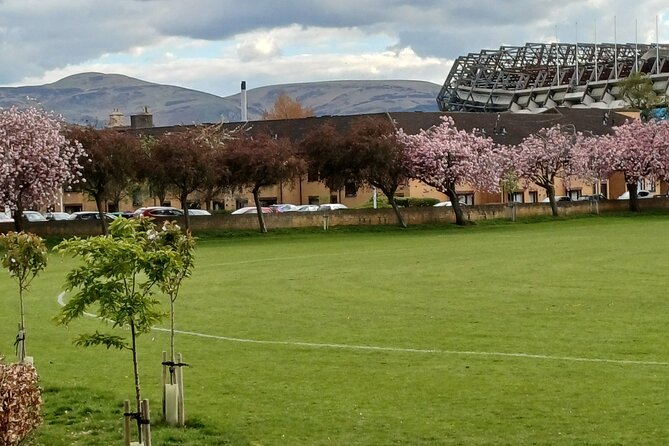
Between the main stops, you’ll have a small moment looking toward the outside of a stadium as you walk along the Water of Leith. It’s not the kind of “big sight” stop that forces you to stand in one place for ages. It’s more like a breather in the route.
This matters because Water of Leith isn’t just a scenic line on a map. It’s a working corridor that has shaped movement and settlement for centuries. Even in a short stretch, you’ll feel how the water controls where people built, walked, and gathered.
If you’re bird-focused, this is also a helpful mental warm-up. Your eyes are already paying attention to edges—waterlines, tree cover, and open stretches—so the next stop clicks faster.
Dean Village: atmospheric water-and-stone, paced for noticing
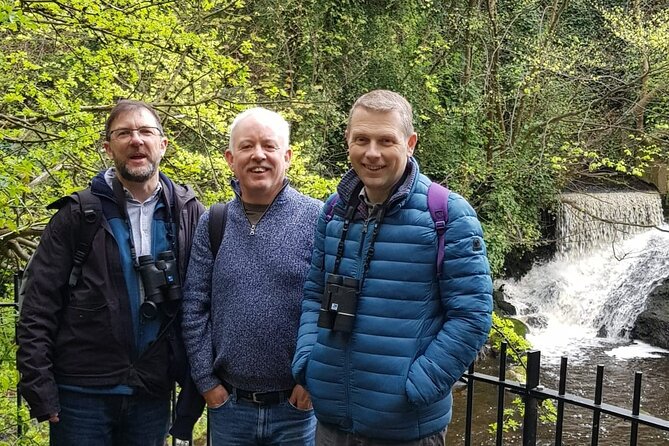
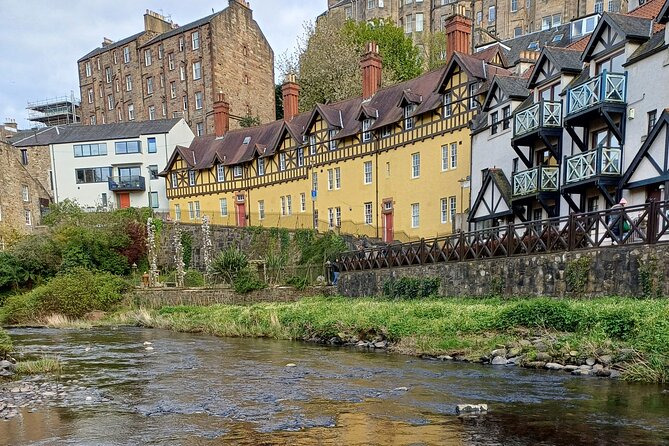
Next up is Dean Village, also with about 10 minutes to settle in. This stop is short, but it’s chosen well. Dean Village has that “slow down” feeling: stone buildings, water nearby, and a calmer mood than you’d expect from being in the middle of a city.
I like that the timing keeps it from feeling rushed. You’re not sprinting through photos for a few seconds. You can look around, spot details, and then move on without losing the thread.
Is this a perfect stop for birding? It can be, depending on the day, because the water and nearby greenery give birds options. Even if birds are quiet, the village atmosphere keeps the stop satisfying.
Drawback to consider: because the stop is brief, if you’re the type who likes to linger 30–45 minutes, you may want to spend extra time after the tour ends in the area you like most. The main walk keeps a steady pace.
Water of Leith Visitor Centre and Café: where you slow down on purpose
Then you get the best “take a breath” section: Water of Leith Visitor Centre and Café. Plan around 45 minutes here, and admission is free.
This is where the tour turns from street-level looking into interpretation. You’ll take time to relax and learn about the heritage of the Water of Leith, and the visitor centre gives you a comfortable reset before you move back outside.
I’m a fan of breaks like this because it keeps the day from blurring together. After you’ve been scanning water and banks, it helps to sit, read a bit, and refocus. The café option also gives you an easy way to grab something without derailing your schedule.
If you’re traveling with someone who’s less into birds, this stop helps them too. It’s still connected to the theme, but it’s not only “spot the animal.” It’s a story-and-place moment.
Union Canal towpath: flat walking that rewards patience
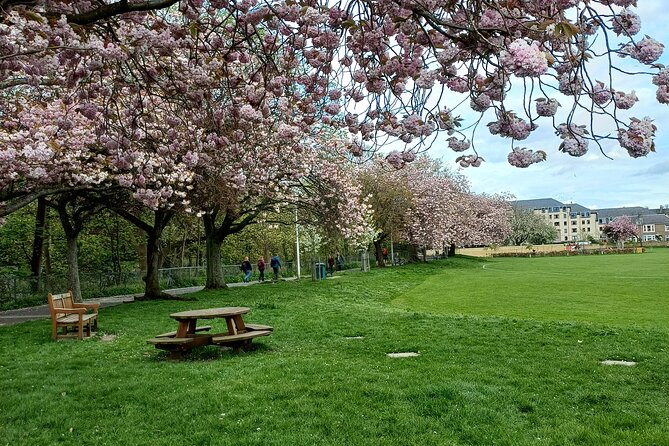
After the visitor centre, you’ll walk along the Union Canal towpath. This part is all about following the canal’s line and learning why it mattered—how it connected Edinburgh with Glasgow and why canals shaped travel and work over the centuries.
The towpath is ideal for bird-spotting for a simple reason: you can keep moving without constantly changing your footing. That’s one reason the walk tends to feel easier than you might expect. You’re not bouncing up hills. You’re walking a steady route where your attention can stay on the water and nearby cover.
This is where the guide’s binocular approach pays off most. When you have stable walking conditions, you can stop, scan, identify, then move again without losing the group.
Pro tip: wear layers you can adjust. Canal-side air can feel different than streets, and once you’re moving steadily, you’ll warm up.
Binoculars, bird spotting, and Julian’s small “wow” moments
The standout theme in how this tour feels is attention. Not the rushed kind. The careful kind.
With Julian, the bird-spotting component becomes active. The guide provides high-quality binoculars, so you’re not just looking with your eyes and hoping. The scanning is practical too: you pause, you look, you compare, then you talk through what you’re seeing.
One review-style highlight that’s easy to see in the structure: the guide’s patience leads to big bird tallies when conditions cooperate. It’s not about luck alone. It’s about how you’re taught to notice shapes, movement, and where birds like to feed.
There’s also a small taste-of-Scotland moment. On this experience, Julian includes a whisky tasting with different drams. It’s not a party stop. It’s a short, thematic pause that fits the walking pace and makes the history-feel more personal.
And if you’re dealing with transport gaps, Julian can help. He has provided coins for local bus fare, which is exactly the kind of small support that saves your day.
Price, value, and whether $61.10 makes sense
At $61.10 per person, you’re paying for a guided, half-day nature-and-history walk with a small group, plus thoughtful inclusions.
Here’s the value angle I’d focus on:
- Max 8 people means more personal attention and better chances for bird-spotting.
- Binoculars are provided, which matters if you don’t want to buy gear for one trip.
- Key stops are set up as free admission moments, so the cost isn’t mostly going to entrances.
- You get a real visitor centre break (about 45 minutes), not just a quick look at a building.
- The experience can include small extras like a whisky tasting and practical help with transit changes.
If you enjoy walking tours where the guide actually teaches you how to look, this price feels fair. If you want pure sightseeing with minimal stopping, you might find the bird-watching takes more time than you planned. In that case, you may prefer a more monument-focused route.
Who should book this tour (and who might not love it)
This fits best if you:
- like nature watching and want a skill, not just photos
- enjoy walking tours that include short stops with meaning
- want a mix of quiet places (Dean Village, canal towpath) and a proper indoor break (Water of Leith Visitor Centre)
- travel with a person who likes history but also appreciates slowing down
It may not be the best fit if you:
- hate being outdoors for a few hours, regardless of weather
- want only one “big attraction” type moment
- need a tight schedule with no flexibility, because it ends in a different location
The group size helps here. It’s small enough that the guide can shift pace, but it’s still a group walk, so you’re not wandering completely on your own.
Should you book Walking Wildlife History Tour in Edinburgh?
Yes, if you want a half-day that mixes city place-names with real looking. The binocular component, the Water of Leith visitor centre break, and the Union Canal towpath are a solid trio. Add Julian’s habit of frequent bird-spotting stops and the small whisky tasting, and you get a tour that feels more like a guided experience than a rushed route.
Don’t book it if you’re only interested in major landmarks and long indoor time. This is an outdoors-first walk with purposeful pauses, so the reward is noticing, not checking boxes.
If you decide to go, plan your return transport early since the end location is different. Then go in with a simple mindset: slow down, look longer than you think you need to, and let the birds do their part.
FAQ
How long is the Walking Wildlife History Tour in Edinburgh?
It runs for about 3 to 5 hours.
What is the price per person?
The price is $61.10 per person.
Is the tour offered in English?
Yes, it’s offered in English.
What group size should I expect?
The tour has a maximum of 8 travelers.
Where does the tour start?
The meeting point is 11 Coates Cres, Edinburgh EH3 7AT, UK.
Is there a mobile ticket?
Yes, it’s listed as a mobile ticket experience.
Can I cancel for a full refund?
Yes. It has free cancellation and you can cancel up to 24 hours in advance for a full refund.