REVIEW · VARANASI
Varanasi: Ancient ghat walk tour with local guide
Book on GetYourGuide →Operated by Incredibile kashi tour · Bookable on GetYourGuide
Ghat steps and sacred stories start here. This private 2-hour walk turns Varanasi’s riverfront into a guided route, with Assi Ghat’s calm start and temple visits that explain what you’re seeing. One caution: you’re on foot the whole time, so expect uneven steps, heat, and a steady flow of people along the water.
I like that the pacing stays tight and practical, starting near Pizzeria Vaatika Cafe and moving toward the most important ghats. You’ll also have a live guide in Italian, Hindi, or English, so even small details—like why a specific kund or temple matters—don’t feel random.
In This Review
- Key highlights you’ll feel fast
- Why this 2-hour ghat walk is such a smart plan
- Getting oriented at Pizzeria Vaatika Cafe
- Assi Ghat: the serene entry point
- Lolark Kund: fertility, blessings, and a pause that matters
- Jain Temple stop: another faith thread on the river
- Durga Kund Temple (Monkey Temple): the power of a single iconic stop
- Kedareshwar Ghat: Lord Shiva’s architecture and atmosphere
- Harishchandra Ghat: oldest cremation ghat, seen with respect
- Dashashwamedh Ghat: the main ghat and the river’s daily drama
- Manikarnika Ghat: another major riverfront stop
- Guide quality: where this tour earns its near-perfect rating
- Price and what you actually get for $26
- Practical tips so you can enjoy the walk more
- Should you book this Assi-to-Dashashwamedh ghat walk?
- FAQ
- Where does the tour start and end?
- How long is the ghat walk tour?
- What ghats and temples are included in the route?
- What is the focus of the tour?
- What’s included in the price?
- What is not included?
- What language options are available for the guide?
- Is Ganga Aarti included?
- Do I need to bring ID?
- Is the tour suitable for everyone?
Key highlights you’ll feel fast
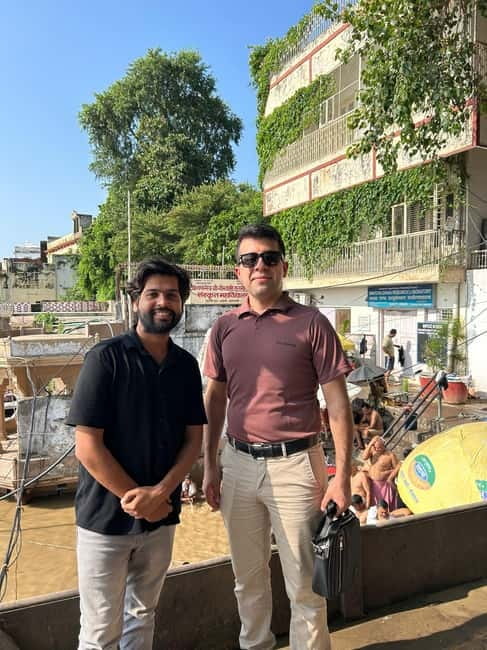
- Assi Ghat begins quieter than the bigger riverfront spots, so you get your bearings early
- Lolark Kund connects spirituality to daily life, with a fertility-and-blessings story you can photograph
- Durga Kund Temple adds color and context, including its famous Monkey Temple identity
- Kedareshwar Ghat brings Shiva’s presence back into the walk with a focused temple stop
- Harishchandra Ghat teaches respectful viewing of cremation ghats from a distance
- Dashashwamedh Ghat is the main stage, and evening can include Ganga Aarti
Why this 2-hour ghat walk is such a smart plan
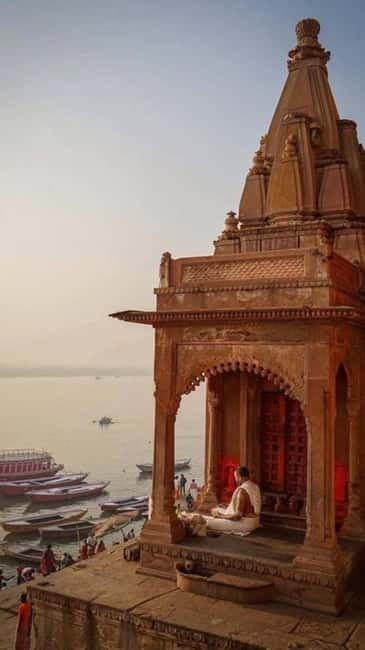
Varanasi can feel like a living map with no labels. This kind of short, private walk is useful because it gives you a sequence—where to start, what to look for, and what questions to ask as you move. You’re not trying to “do everything.” You’re learning how to read the place.
The route is built around key ghats and small sacred stops. That matters because ghats in Varanasi aren’t just scenery; they’re places where religion, family life, ritual, and time all overlap. With a local guide, you’ll understand why one spot feels quieter and another feels more ceremonial.
The time limit is also a gift. Two hours is long enough to connect the dots, but short enough that you’re not stuck rushing or exhausted. And because it’s private, you can ask follow-up questions instead of feeling like you’re holding up a group.
You can also read our reviews of more tours and experiences in Varanasi.


Getting oriented at Pizzeria Vaatika Cafe
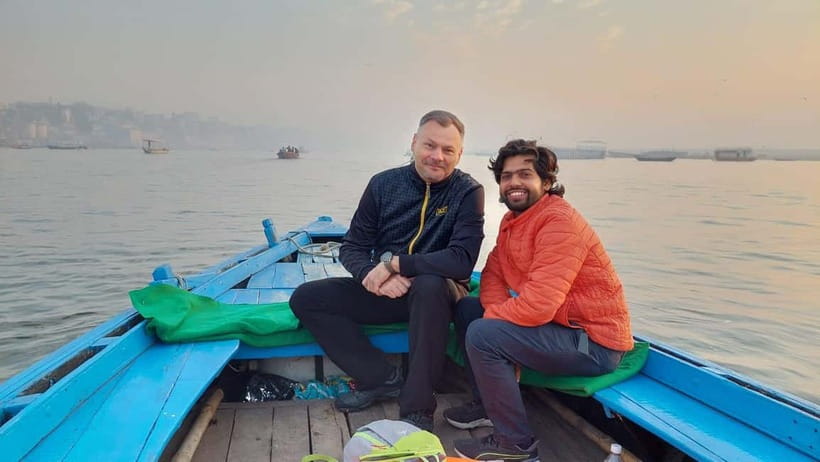
Your walk kicks off from Pizzeria Vaatika Cafe, which is a handy meeting point for starting near Assi Ghat. If you arrive early, this is a good moment to slow down and notice what “river life” looks like from street level: people moving in and out, small offerings, and the constant sound of the Ganges.
One nice practical angle: starting at a recognizable spot like a cafe helps you avoid the classic travel problem of wandering around trying to find a meeting point by description. Once you’re walking, the guide takes over and you just follow the logic of the route.
You’ll also get bottled water right away, which is worth it in a city where temperatures can rise quickly. Even if you’re from a cooler climate, the walk format makes hydration feel like a basic safety step, not a luxury.
Assi Ghat: the serene entry point
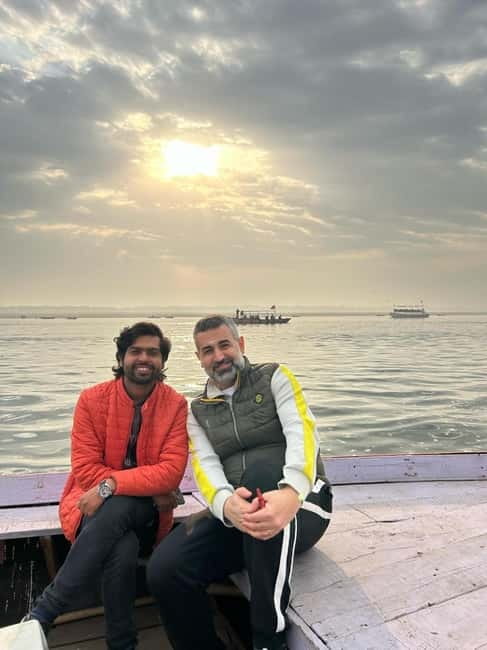
The tour starts at Assi Ghat, which is specifically chosen because it’s generally less crowded. That’s a big deal. It means you can watch the river, take photos, and listen before the walk reaches the more famous, busier ghats.
Assi Ghat sets the tone: spiritual ambiance without the sensory overload that hits later. You get that “oh, this is why people come here” feeling without having to fight for space immediately.
Your guide will point out what to notice along the waterline—how rituals and daily routines share the same space. You’re not just seeing steps and boats; you’re learning how the Ganges functions as both a sacred space and a real public place.
Lolark Kund: fertility, blessings, and a pause that matters
After Assi Ghat, you walk toward Lolark Kund and stop for a guided visit. This sacred well is associated with fertility and blessings, and that connection changes how you interpret what you see. A kund isn’t just a hole in the ground; it’s a spiritual focal point with meaning people trust.
The tour includes darshan and time for photography. That’s helpful because kund areas can feel busy, and it’s easy to miss the point if you don’t know what you’re looking at. With the guide, the stop becomes a small lesson you can carry forward to the next temple.
A practical consideration here: wells and temple corners can involve lines or tight spaces. The guide’s job is to help you move respectfully and safely, so you’re not guessing your way through.
Jain Temple stop: another faith thread on the river
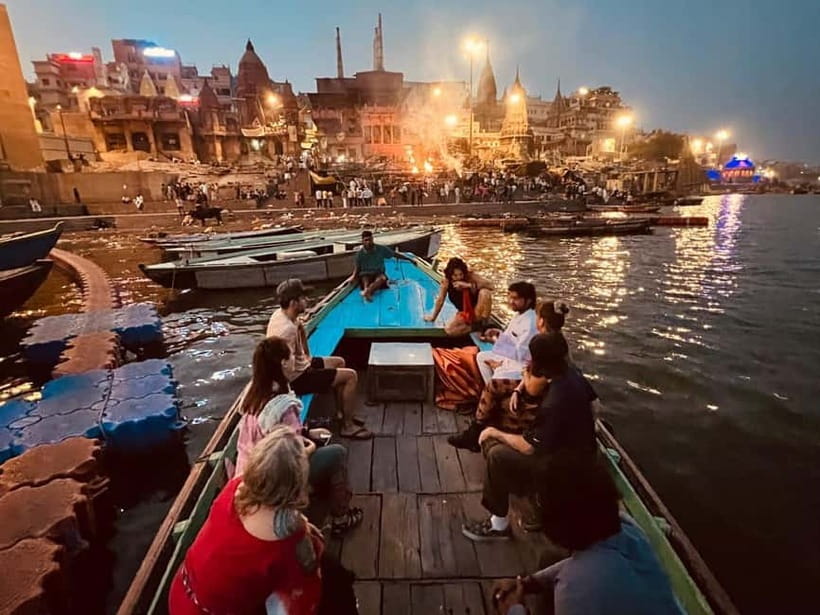
Next, the walk includes a stop at a Jain Temple. Even without a lot of extra time, a brief temple pause can add perspective—Varanasi isn’t only one tradition. You get to see how different beliefs use similar sacred geography: the same riverfront, different spiritual focus.
Because the tour is private, you can ask quick questions tailored to your interests. If you want to understand how a Jain temple’s role differs from nearby Hindu shrines, this is the moment to do it—when the details are still in front of you.
This stop also helps the walk feel balanced. You’re not marching from one Hindu landmark to another. You’re picking up the broader religious texture of the city.



Durga Kund Temple (Monkey Temple): the power of a single iconic stop
Then comes Durga Kund Temple, famous as the Monkey Temple. The striking red color is part of what makes it memorable, but the real value is what your guide explains around it—why this temple is tied to Goddess Durga and how it fits into the surrounding sacred geography.
This is the kind of stop where you can get photos that actually make sense later. If you’ve ever taken a picture at a landmark and then wondered what it was, you’ll appreciate a guided moment that labels the important features. Here, you’ll know what you’re photographing and what story sits behind it.
If you’re sensitive to noise or crowds, note that temple areas can get active. Still, a good guide keeps the pace respectful—so you can observe without getting swept up.
Kedareshwar Ghat: Lord Shiva’s architecture and atmosphere
From there, you move to Kedareshwar Ghat, including a visit to a Lord Shiva temple. This stop is about returning to the Shiva thread of the walk and noticing how temple architecture changes the feeling of a place.
The guided visit focuses on the spiritual ambiance and the visual details people tend to overlook when they’re walking solo. You’ll also learn what devotees value about the site for Kashi devotees—so it doesn’t feel like another pretty structure. It feels like a living religious address.
One small drawback to keep in mind: any temple stop can involve rules about where you can stand or how you should dress. The tour includes temple entry, which helps, but you’ll still want to follow the guide’s advice on appropriate behavior and movement.
Harishchandra Ghat: oldest cremation ghat, seen with respect
Next is Harishchandra Ghat, one of the oldest cremation ghats of Varanasi. This is the emotional center of the riverfront for many people, and it’s handled in a very specific way on this tour: you observe rituals from a respectful distance.
That matters because this isn’t about spectacle. Your guide helps set expectations and keeps the viewing posture right. If you come in expecting a postcard moment, you might be surprised. If you come ready to learn, you’ll leave with a deeper understanding of how death rituals shape the rhythm of the city.
Also, because you’re watching from a distance, you don’t need to push in or take risky photos. The goal is clarity and respect, not close-ups.
Dashashwamedh Ghat: the main ghat and the river’s daily drama
As the walk continues, you reach Dashashwamedh Ghat—the most famous ghat in Varanasi. This is where the riverfront becomes the headline. Life flows in more directions at once: worship, river activity, and the pull of nearby markets.
The tour includes sightseeing here, plus time to understand why this ghat draws attention year after year. Even if you’ve seen photos online, the guide helps you notice the small patterns: how people gather, how space is used, and where attention concentrates.
If it’s evening, this is where the experience can level up. You’re encouraged to stay for the Ganga Aarti, which is a highly recommended add-on. Watching the ceremony while the riverfront has energy feels like seeing Varanasi’s calendar turn in real time.
Manikarnika Ghat: another major riverfront stop
The walk also includes Manikarnika Ghat as an additional sightseeing stop. It’s another important part of the riverfront story, and reaching it within the two-hour route helps you see more than just one iconic cluster of ghats.
Since you’ll be on foot and the route is structured, you won’t feel like you’re doing random wandering. You’ll have a sequence in your head—moving from quieter spaces into larger, more significant ghats.
If you’re hoping to get photos that show the breadth of Varanasi’s riverfront, this extra stop adds variety without extending the total walk time.
Guide quality: where this tour earns its near-perfect rating
This is a private experience with an experienced local guide, and the standout theme is how the guides handle people. The most praised guides are polite, flexible, and quick to adjust the walk to your needs—especially for families.
You might be guided by someone like Anmol or Prassan, who are described as friendly and very good at answering questions on the spot. One person noted that the guide even arranged a visit to Kashi Vishwanath Temple even though it wasn’t part of the standard route. That’s the kind of flexibility that can turn a good tour into a memorable one.
Language ability matters too. One guide is specifically praised for excellent Italian, which can make the explanations feel more natural and detailed for Italian speakers. For everyone else, it’s still a relief to know you’ll have English or Hindi support if you want to ask follow-ups.
Price and what you actually get for $26
At about $26 per person for a 2-hour private walk, the value comes from more than the landmarks. You’re paying for a guide to translate the riverfront into meaning, plus a tour structure that includes temple entry, bottled water, and chai/coffee.
That combination reduces two hidden costs of self-guided wandering in Varanasi: time spent figuring out where to go next, and the risk of missing the significance of what you see. Here, you get the “why” along the way, not just the “what.”
Also, the included chai/coffee is a small thing that helps you slow down during a city walk. It keeps the tour from feeling like a constant rush from ghat to temple.
If you prefer solo exploration, you can go without a guide. But if your goal is to understand Varanasi quickly and respectfully, the $26 price feels reasonable for what you’re buying: clarity, access, and a human translator for sacred spaces.
Practical tips so you can enjoy the walk more
This tour is walking-focused, so wear comfortable shoes with good grip. Steps can be uneven, and near-steps-to-water transitions can be slippery if you hit a damp patch.
Carry a copy of your ID or passport. That’s an unusual request until you’re standing near security or temple entry rules, so it’s smart to have it ready.
You’ll want to dress with temple visits in mind. Bring something light for the weather, but plan to cover appropriately if the guide asks you to adjust.
One more note: the tour is not suitable for wheelchair users and isn’t recommended for people over 95 years. If that’s relevant for you, consider a shorter, less step-heavy alternative.
And if you’re the type who likes questions, bring them. This is one of the tours where your “why is that so?” questions get answered in real time, not later.
Should you book this Assi-to-Dashashwamedh ghat walk?
If you want a focused introduction to Varanasi’s sacred riverfront, I’d say yes. The route is designed to take you from a calmer start at Assi Ghat to the bigger, more central ghats like Dashashwamedh within two hours, with multiple temple stops that explain what you’re looking at.
Book it if:
- you want temple-and-ghat context, not just sightseeing
- you prefer a private pace where your guide can tailor the walk
- you might stay for Ganga Aarti if timing lines up with the evening
Skip or reconsider if:
- you’re looking for a fully relaxed, minimal-walking experience
- you need wheelchair accessibility or longer seating breaks
- you want a self-paced photo walk without guidance or rules
For most people, this tour hits the best balance: short enough to feel manageable, detailed enough to make the ghats click in your mind.
FAQ
Where does the tour start and end?
The tour starts at Pizzeria Vaatika Cafe and returns to the same place at the end.
How long is the ghat walk tour?
It lasts about 2 hours.
What ghats and temples are included in the route?
The route includes Assi Ghat, Lolark Kund, Jain Temple, Harishchandra Ghat, Kedareshwar Ghat, Dashashwamedh Ghat, and Manikarnika Ghat. It also includes Durga Kund Temple.
What is the focus of the tour?
It’s a private temple and ghat tour that explains spiritual and cultural significance while you stroll along the Ganges.
What’s included in the price?
Temple tour components are included, along with an experienced local guide, bottled water, temple entry, and chai/coffee.
What is not included?
Meals and personal expenses are not included.
What language options are available for the guide?
The guide is available in Italian, Hindi, and English.
Is Ganga Aarti included?
If the tour timing is in the evening, you’re encouraged to stay for the Ganga Aarti, which is highly recommended.
Do I need to bring ID?
Yes. You should carry a copy of your ID or passport.
Is the tour suitable for everyone?
It’s not suitable for wheelchair users and it’s not recommended for people over 95 years.