REVIEW · ANTALYA
Antalya: Perge Ancient City Tour
Book on GetYourGuide →Operated by Antalya Local · Bookable on GetYourGuide
A hot walk through ancient streets beats museum-only plans. This Antalya to Perge tour turns ruins into a real place, with stops that let you picture how people lived. I love the well-preserved monumental structures and the way the guide helps you connect what you see to daily life.
Two things make this one work: the small group size (up to 10) and the guide-led explanations that make the site feel organized, not random. The tour covers the big hits like the ancient theater and stadium, then keeps going through gates, fountains, and built spaces tied to work and worship.
One caution: Perge is a mostly outdoor walk with limited shade. Bring water, wear a hat, and expect sun and some uneven ground.
In This Review
- Quick Hits
- From Antalya Pickup to Perge: Getting There Without Stress
- First Views at Perge: Theater, Stadium, and the City’s Power
- How the Tour Keeps You Oriented: The City Model and Storytelling
- Colonnaded Streets, Fountains, and the Feeling of a Living City
- Gymnasion, Baths, and the Spaces Where People Spent Time
- Agora, Basilica, and the City’s Public Side
- Perge’s Past, Including Alexander the Great
- Photo Stops and What to Watch For While You Walk
- Price and Value for a 3.5-Hour Guided Walk
- Practical Tips to Make the Most of Perge
- Should You Book This Perge Tour From Antalya?
- FAQ
- How long is the Perge Ancient City tour?
- Where does the pickup happen in Antalya?
- Is the entrance ticket to Perge Ancient City included?
- What’s included in the price?
- What language is the guide?
- Is this tour suitable for wheelchair users?
Quick Hits
- Small-group pace (up to 10): you get more attention and better photo stops.
- Real structure, not guesswork: you see the theater, stadium, gates, colonnaded streets, fountains, gymnasion, and baths.
- Daily-life focus: the guide ties ruins to how Pamphylia people lived.
- A mental-map builder: a model of the city helps you place monuments as you walk.
- Easy start from Antalya: city-center pickup and a clear meeting point at Shell Gas Station.
From Antalya Pickup to Perge: Getting There Without Stress
This tour is designed to feel like a focused half day. You start with pickup from the Antalya city center, then travel out to Perge with your licensed, English-speaking guide.
Your meeting point is simple: Shell Gas Station. If you’re the type who likes to arrive early and settle in, you’ll appreciate having one clear place to meet rather than hunting for a van in a busy area.
Once you’re at Perge, the whole experience clicks. You’re not just dropped at the entrance and left to wander. The guide sets the route so you spend your energy on the best parts and don’t waste time bouncing between scattered ruins.
You can also read our reviews of more tours and experiences in Antalya.

First Views at Perge: Theater, Stadium, and the City’s Power
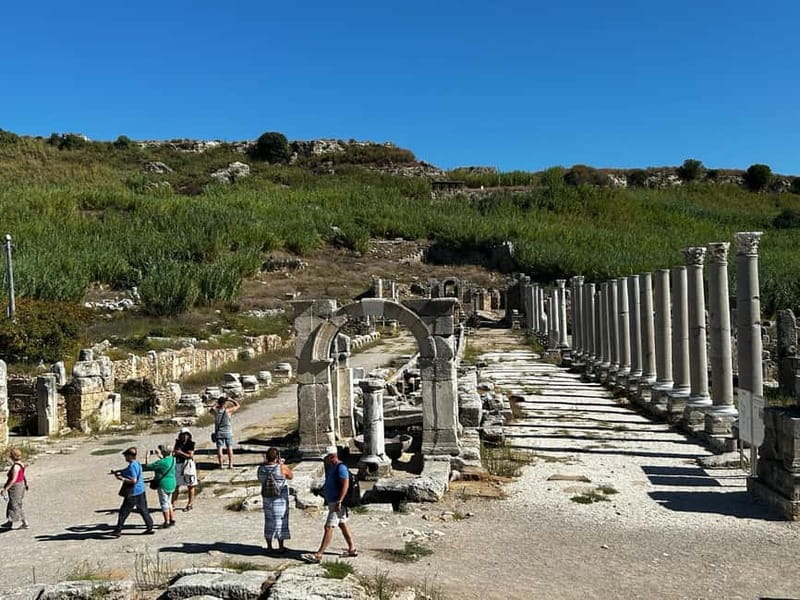
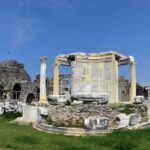
Perge is known for how its major monuments still read as monuments. The first big feeling you get is scale: you can see why this place mattered as a center of the Pamphylia region, once its capital.
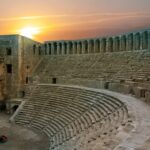
The ancient theater is usually the star of the early part of the walk. Even without a performance, the structure tells you how public life worked—crowds gathered, people watched, and the city displayed itself. If you’re into photography, this is a solid spot to capture sweeping angles that show how seating, stage area, and the surrounding setting relate.
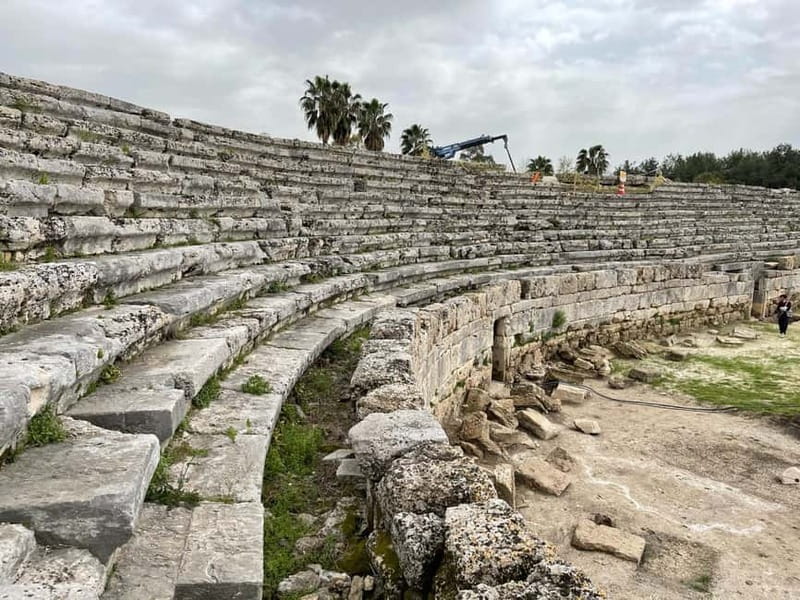
Then comes the stadium. You’ll see it as more than a sports relic. It’s part of the civic rhythm of the city—training, competition, and status tied to public spaces. When your guide points out details, the stadium stops being a blank “big oval” and starts feeling like a place with jobs and routines.
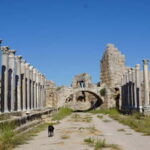
You’ll also pass monumental gateways and key entry points like the city gate. These features matter because they weren’t decorative. Gates helped define movement and identity—who entered, what routes mattered, and how the city projected itself.
How the Tour Keeps You Oriented: The City Model and Storytelling
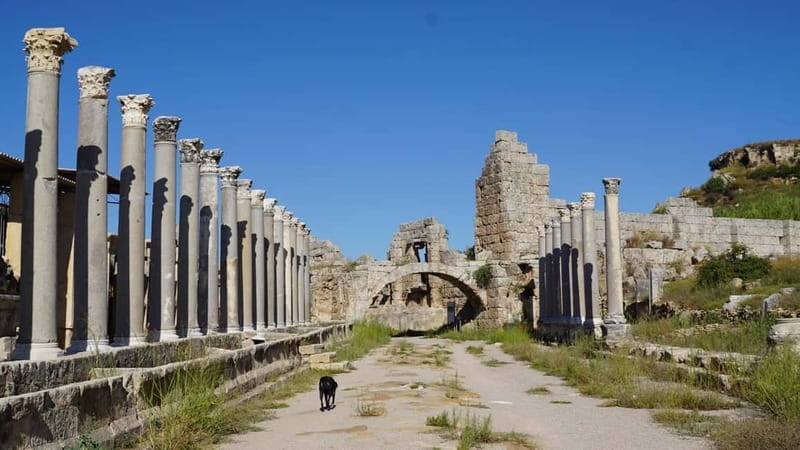
One of the smartest parts of this tour is that you get a model of the city. It’s the kind of thing that instantly gives you a map in your head, especially if you’ve never been to Perge before.
The model doesn’t replace walking the grounds. It helps you interpret what comes next: what you’re looking at, where it sits, and how pieces connect. For me, that’s the difference between seeing ruins as random stones and understanding the city as a system.
The guide is also the glue. In the same way that a good walking tour makes street corners feel meaningful, Onder (the guide name that comes up in multiple bookings) uses explanations to connect structures to daily life. You end up with a clearer story than you’d get from just reading signage.
Colonnaded Streets, Fountains, and the Feeling of a Living City
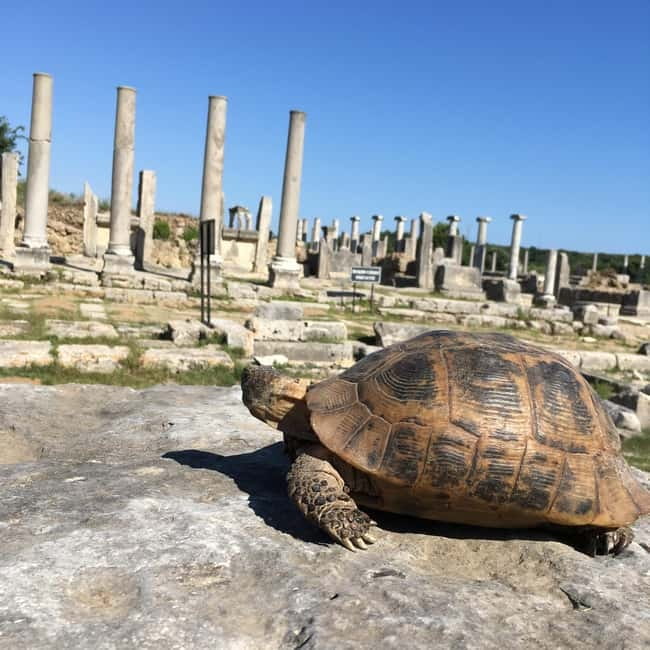
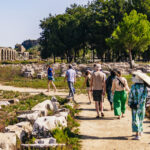
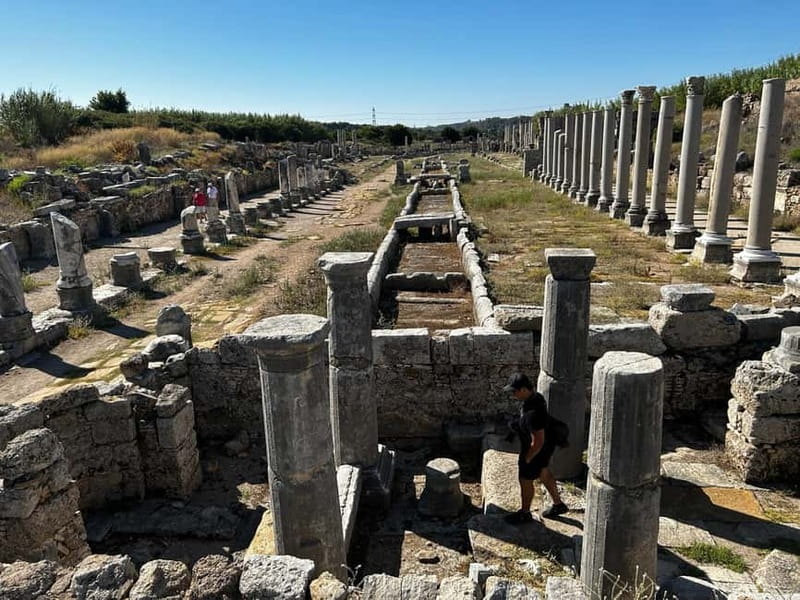
This is where Perge starts to feel like a real place rather than a checklist. You’ll walk through colonnaded streets—and that word matters. Colonnades weren’t just pretty. They shaped how people moved, where they paused, and how the city handled foot traffic.
As you move along, you’ll see fountains and other water features. Water is one of those “small detail, big meaning” topics for ancient cities. It tells you about daily routines: washing, drinking, gatherings, and the city’s ability to support life and crowds.
If you like the in-between moments—shade corners you wish were still shaded, street alignments that make sense of the whole site—Perge delivers. It’s a place where wandering actually helps, because the monuments are arranged enough to let you keep a mental thread.
Gymnasion, Baths, and the Spaces Where People Spent Time
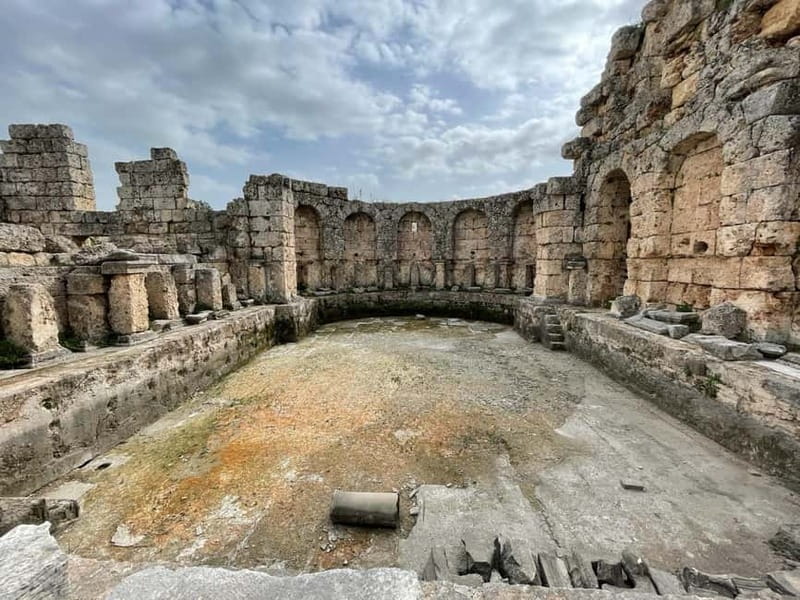
Ancient cities had buildings for work and politics, sure. But some of the most human insights come from places tied to routine: exercise, cleansing, and social life.
You’ll see the gymnasion (gymnasium) and the bath complex. These aren’t just ruins to point at. They’re clues to the kinds of people Perge served and the habits that shaped everyday culture.
A gymnasion tells you about training and education—physical and social. Baths tell you about hygiene and comfort, and they also show how people shared time. The bath structures give you a sense of layered spaces: moving through rooms, changing conditions, and spending time where daily life paused.
In this part of the tour, the guide’s explanations really pay off. If you’ve ever felt like ancient sites only give you fragments, this is where you start feeling the full routine behind those fragments.



Agora, Basilica, and the City’s Public Side
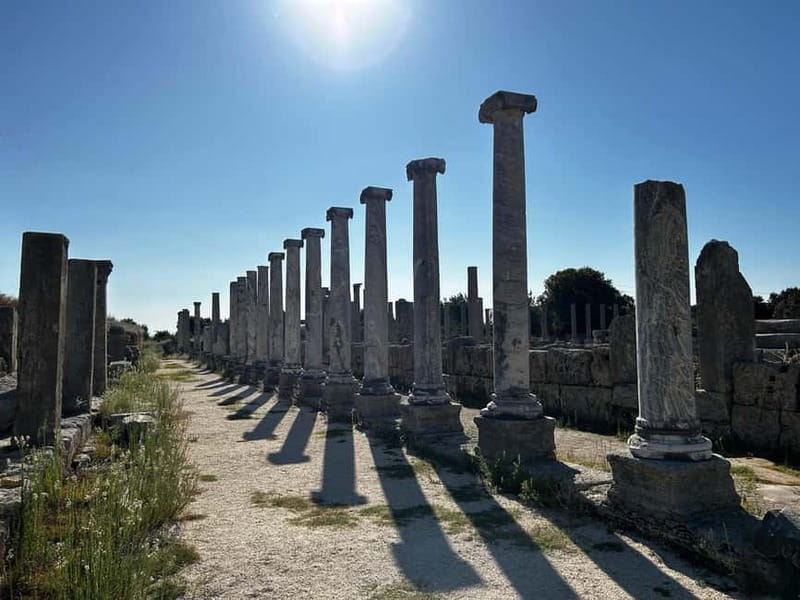
Perge wasn’t only about entertainment and personal routine. You’ll also spend time at public-facing spaces such as the agora and basilica.
The agora is the kind of place where community life happened: conversation, commerce, and decisions. Even when you’re just standing among stones, you can understand why people would gather there. It was practical space in a civic system.
The basilica adds another layer. It often connects to administration and gatherings. When your guide explains what these spaces were for, it helps you see the city as a functioning machine—public life moving through established rooms and courtyards.
This is one reason I think this tour is good value. You’re not paying for isolated monuments. You’re getting guided meaning that turns several categories of buildings into one connected picture.
Perge’s Past, Including Alexander the Great
You’ll learn the broader story as you walk. Perge was once the capital of the Pamphylia region, and the city’s history includes an invasion by Alexander the Great.
That context matters for your experience because it changes the way you read the site. Instead of wondering why monuments look the way they do, you start asking better questions: how power shifted, how the city’s status influenced its architecture, and why certain areas remained important.
The guide keeps that context tied to what you’re seeing on the ground. That’s how the history sticks, especially when you’re walking between multiple key buildings in a short time.
Photo Stops and What to Watch For While You Walk
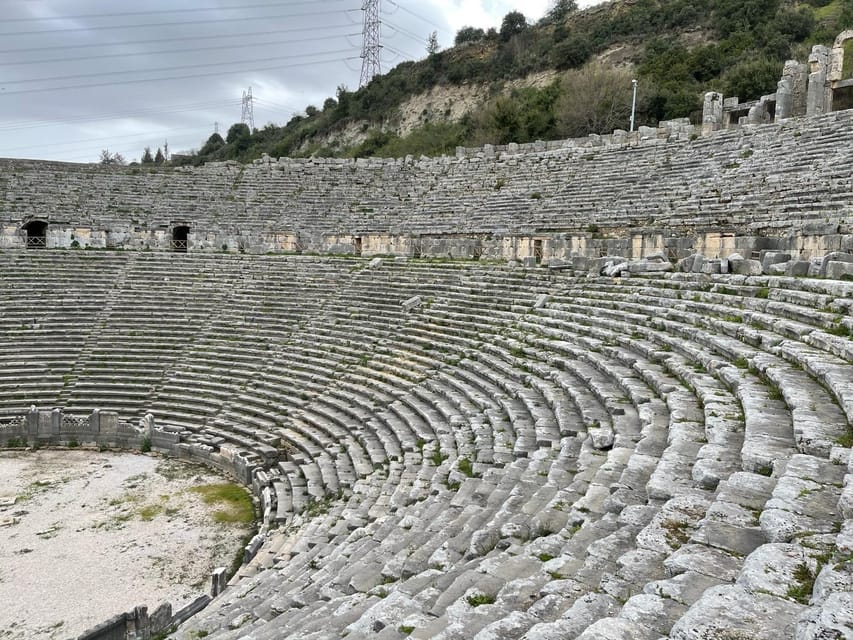
This tour is built around architecture you’ll want to photograph. You’ll be at the kind of spots where the angle matters: theaters, stadium lines, colonnaded streets, gates, and monumental structures.
Here’s how to get more out of your camera time without slowing the group too much:
- Pick one “wide” photo per area that shows the structure and its setting.
- Then take one closer shot for details your guide points out.
- Keep an eye on light. With limited shade, you’ll often find harsh sun overhead, so planning a few minutes for positioning can help.
Comfort-wise, the experience makes sense only if you wear comfortable shoes. Perge is not designed for flip-flops and casual sandals. Bring what you need so you can focus on the ruins instead of foot pain.
Price and Value for a 3.5-Hour Guided Walk
At $59 per person for a 3.5-hour tour, this is priced in the “half-day anchor activity” category. The key value isn’t just time—it’s the guide’s interpretation and the fact you cover a lot of major monuments without getting lost.
Included basics are solid: pickup and drop-off at the city center plus a licensed tour guide. You also get English live guiding, and you’re in a small group limited to 10. That small size is more than a comfort perk. It’s what makes it easier to ask questions and get helpful pointing-out on details.
Two cost notes to plan for:
- Entrance to Perge Ancient City is not included. You purchase your ticket at the gate, so have some cash or a card ready.
- There’s no meal included. That’s normal for a shorter tour, but it means you should plan a snack plan before or after.
If you want a “see the highlights” visit where someone organizes the story and you walk out with a clearer mental map, this price feels fair.
Practical Tips to Make the Most of Perge
Perge rewards preparation. Since there’s not a lot of shade, your comfort will make or break the tour.
Bring:
- Water (you may get thirsty)
- A hat and sunscreen
- Camera and a fully charged phone (you’ll want lots of shots)
- Comfortable shoes
Plan around walking:
- Expect a guided pace with stops at multiple monuments.
- You’ll likely do best if you’re okay with uneven ancient ground.
If you’re sensitive to heat, go early in the day when possible. Even with the best guide, the sun still has the final say.
One more reality check: this tour is not suitable for wheelchair users or people with mobility impairments. The walking is part of the point, and Perge’s surfaces can be tough.
Should You Book This Perge Tour From Antalya?
I’d book this if you want more than a photo pass. The combination of major landmarks (theater, stadium, gates, colonnades, fountains, gymnasium, baths) plus the guide’s focus on how people lived makes Perge feel understandable fast.
Skip it if you only want a self-paced stroll and you’re comfortable figuring out the story yourself. But if you like structure—where you’re told what you’re seeing and why—it’s a smart half day.
A good final check: if you’re traveling with sun sensitivity or limited mobility, reconsider the route and timing. For everyone else, it’s a strong way to turn Antalya time into an ancient-city experience that actually clicks.
FAQ
How long is the Perge Ancient City tour?
The tour lasts about 3.5 hours.
Where does the pickup happen in Antalya?
The meeting and pickup point is Shell Gas Station.
Is the entrance ticket to Perge Ancient City included?
No. You purchase the entrance ticket at the gate, so have some cash or a credit card ready.
What’s included in the price?
The tour includes pickup and drop-off at the city center and a licensed tour guide.
What language is the guide?
The live tour guide speaks English.
Is this tour suitable for wheelchair users?
No. It is not suitable for wheelchair users or people with mobility impairments.