REVIEW · SINGAPORE
Street Food, Cultural & Historical Tour of 3 Ethnic Quarters
Book on GetYourGuide →Operated by Singapore Foodsters / Livin' Da Local Experiences · Bookable on GetYourGuide
Six hours, three cultures, one hungry plan. This street-food and history walk stitches Chinatown, Little India, and Kampong Glam together through UNESCO hawker centres, public-transport rides, and a local Peranakan guide who treats the past like it’s still in the street.
I love the way the story connects what you eat to how people lived, using old photos and real immigrant hardships as context. I also like the plain practicality of the day: constant tastings, with beer included, so you do not need to plan breakfast like it’s a second job.
One catch: this tour is not for everyone, especially if you need vegan food or you are gluten intolerant. You should also expect about 6,000 steps, plus walking in markets and around hawker centres.
In This Review
- Key Things That Make This Tour Worth Your Time
- Why This 6-Hour Hawker Tour Works for First-Time Singapore
- Meet the Guide: Peranakan Gerry and the Stories Behind Each Quarter
- Chinatown Stop: Hawker Centre Tastes, Temple Peace, and the Street of the Dead
- Little India Markets and a Family-Run Meal With Beer, Coffee, and Tea
- Kampong Glam: Haji Lane, Arab Street Textiles, Sultan Mosque, and Old Shophouse Dessert
- Street-Food Reality Check: How to Order, Pace Yourself, and Eat With Confidence
- Price and Value: What $148 Buys in Food, Transport, and Local Access
- Who Should Book This Tour (and Who Should Skip It)
- Should You Book This 3-Quarter Street Food and History Tour?
- FAQ
- What is the duration of the tour?
- How many people are in the small group?
- What does the tour include for food and drinks?
- Where are the pickup and drop-off locations?
- Is the tour suitable for vegans or gluten intolerance?
- Can I cancel for a full refund?
Key Things That Make This Tour Worth Your Time
- Gerry’s family timeline (Fujian, 1910): his great grandparents arrived in 1910, and the guide uses that family thread to explain what the quarters look like today.
- UNESCO hawker centres and Michelin-listed bites: you get the street-food setting and the higher-profile listings without the formality.
- Market-to-stall context: you see ingredients and traders up close, not just finished food on a plate.
- Three quarters in one efficient loop: rides by public transport keep the day moving and reduce the stress of figuring things out.
- Small group size (up to 8): it feels like you’re roaming with friends rather than a big bus group.
- Food-forward with a history backbone: old images, specific stories, and community-focused stops make the tastings feel meaningful.
Why This 6-Hour Hawker Tour Works for First-Time Singapore
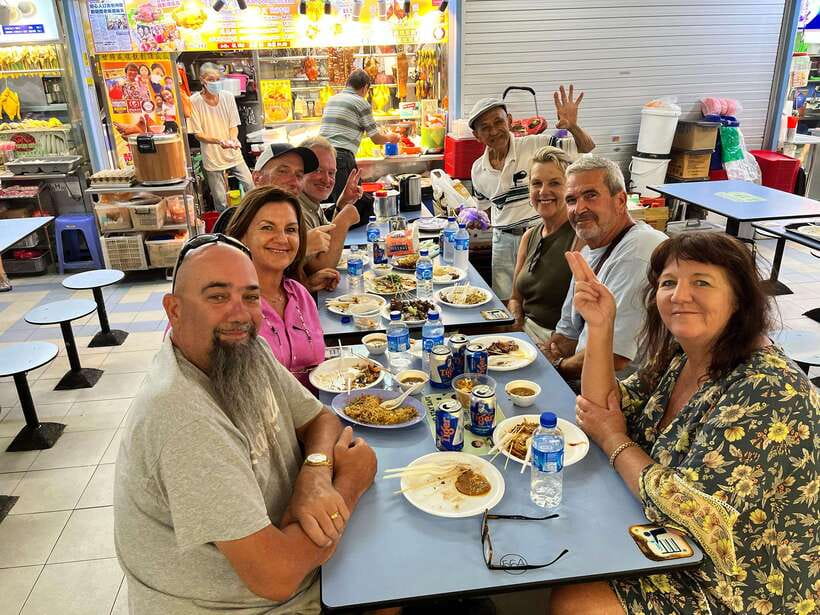
Singapore can feel like a place where everything is tidy and scheduled. This tour intentionally slows you down in the best way: by walking you through three ethnic quarters and feeding you while you learn how each neighborhood formed.
You are not just collecting stamps. You’re getting the cause-and-effect story behind the food. Chinatown’s older trade routes, Little India’s spice and produce markets, and Kampong Glam’s Muslim heritage all show up in daily life, not in a museum box.
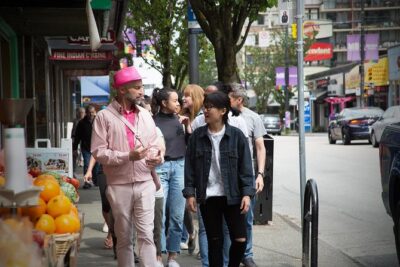
The format matters. You get a small group (limited to 8), lots of short stops, and public transport links between areas. That means you spend less time lost and more time eating at real hawker centres and family-run spots.
And yes, you’ll walk. Roughly 6,000 steps for a 6-hour day is manageable for most people with decent shoes, but it does mean you should dress for movement, not sightseeing photos only.
You can also read our reviews of more tours and experiences in Singapore.

Meet the Guide: Peranakan Gerry and the Stories Behind Each Quarter
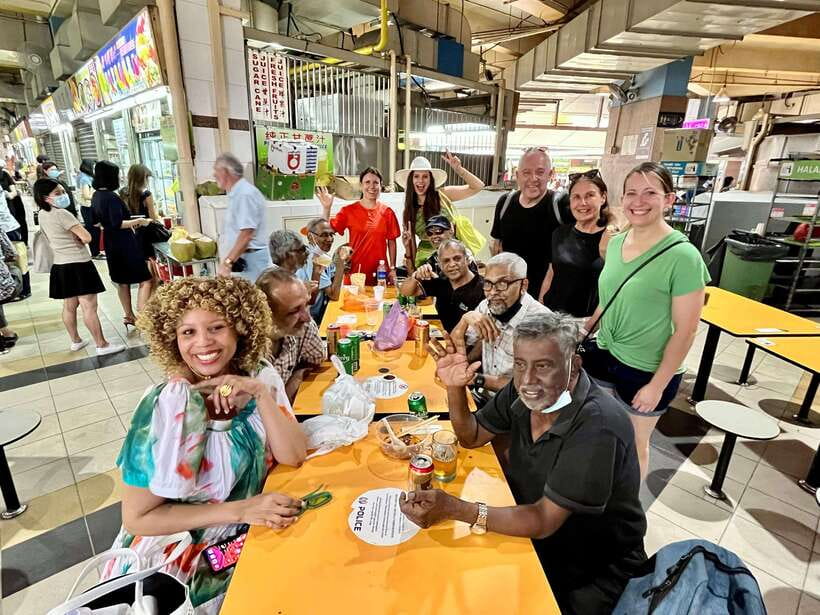
The star here is the guide. Gerry is a native Singaporean Chinese Peranakan guide, born in Singapore six years after independence in 1965. That matters because he can explain not only what the streets are named, but how everyday Singaporeans think about those places now.
He brings family history into the conversation in a way that feels personal, not rehearsed. His great grandparents arrived from Fujian, China in 1910, and that background becomes a lens for understanding migration, community, and the way food travels.
What you get during the day is interactive storytelling, supported by old images. You’ll see early scenes connected to themes like immigrant hardship and neighborhood survival. In Chinatown, those themes get darker with specific stories tied to places and trades; in the other quarters, the tone shifts toward daily markets, faith, and the kinds of shops that have served families for generations.
You also benefit from the practical nature of his humor and pacing. Based on the experience I’d expect from someone who has guided many small groups, you’ll never feel stuck waiting for the next stop, and you’ll have plenty of moments to ask questions without derailing the schedule.
Chinatown Stop: Hawker Centre Tastes, Temple Peace, and the Street of the Dead
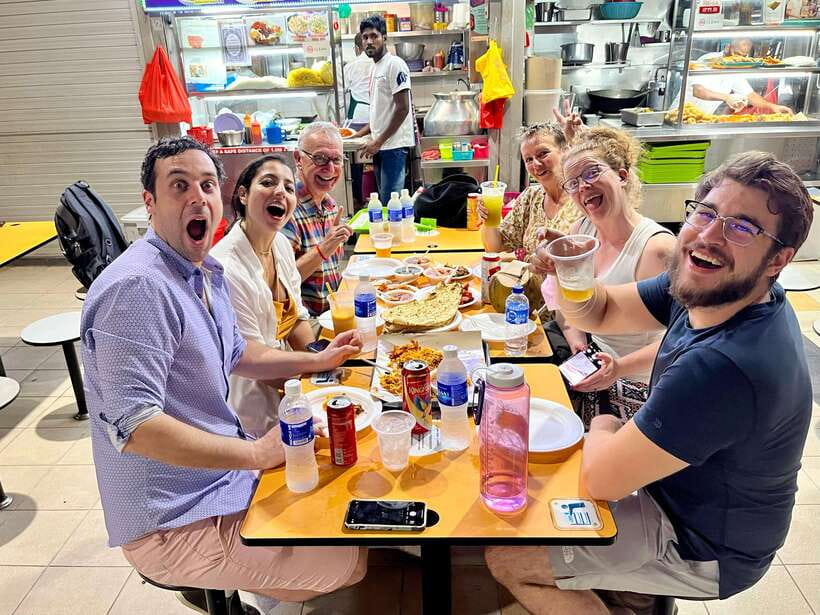
Chinatown is where the tour sets its tone. You start with a UNESCO-listed hawker centre experience, then you work outward into the neighborhood atmosphere: a Buddhist temple visit and street market stalls with real trading energy.
This is not a generic stop where you sample a random mix and move on. The way Gerry frames Chinatown helps you understand why the area looks the way it does. You get history tied to specific concepts and street stories, including the Street of the Dead and the Red Lanterns and Private Chambers. There’s also discussion of Opium Dens, which keeps the day honest about the harder sides of urban history.
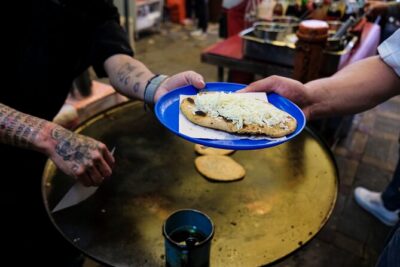
For food, expect local Chinese favourites and local Chinese drinks at the hawker centre. The important thing is the guidance. Hawker food can be intimidating if you’re not sure what to order or where to start. Here, your guide helps you choose without turning it into a tasting scavenger hunt.
Drawback to consider: Chinatown’s storytelling includes heavier themes. If you prefer your food tours to stay light and only skim history, this portion might feel more serious than you expected. Still, it makes the later stops more understandable, because you see how neighborhoods evolve rather than freeze in time.
Little India Markets and a Family-Run Meal With Beer, Coffee, and Tea
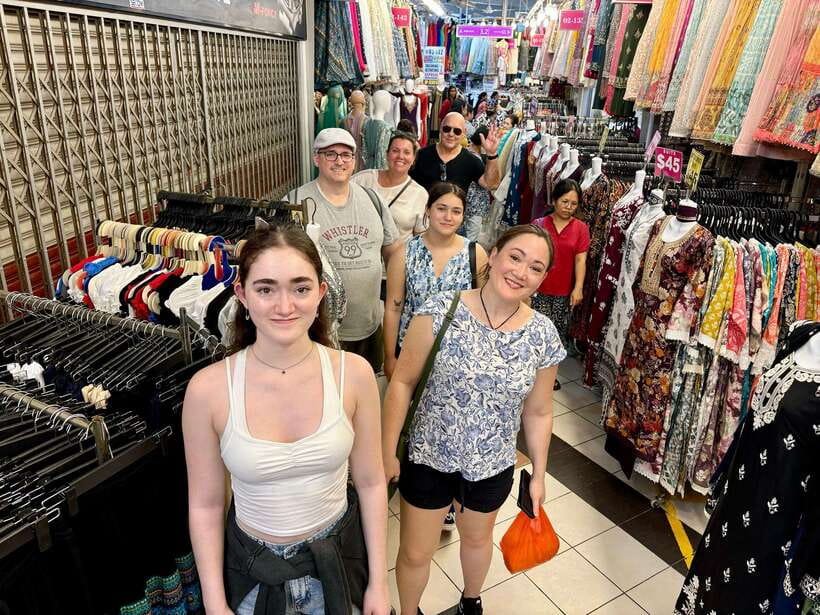
Little India is where ingredients take center stage. You’ll visit a wet and dry produce market and see the work of seafood stalls, meat stalls, fruit and vegetable stalls, and spice stalls. It’s sensory in a practical way: you see where the flavors come from, and you learn the kinds of goods that shaped day-to-day cooking.
You also get the spice angle, which is key to making sense of why Indian food tastes the way it does. Even without a formal lecture, the market walk connects the dots between sellers, traders, and the dishes people order at lunch.
After the markets, the route moves into clothing and street life. You’ll spend time at an Indian clothing market and also explore vibrant street stalls. This part helps you feel the neighborhood beyond food, like you’re stepping into the everyday rhythm rather than only passing through as a visitor.
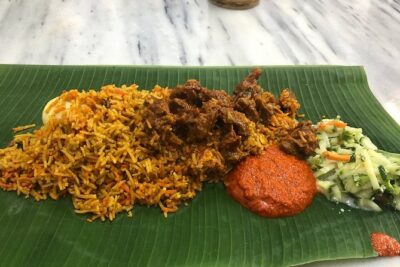
Then comes the big payoff: a family eatery where you can enjoy Indian and Malay food and drink. The tour includes lunch here, with beer as part of the included drinks, plus coffee and tea as you go.
This is one of the spots where I think this tour delivers real value for money. You’re not only sampling; you’re sitting down in a neighborhood setting that supports small businesses. You get a clearer sense of how the community eats, not just what a menu describes.
One consideration: this day is designed for people who enjoy variety. The tour includes beer and multiple tastings, so if you prefer quiet, sit-down fine dining only, this may feel more lively and food-centric than you want.
Kampong Glam: Haji Lane, Arab Street Textiles, Sultan Mosque, and Old Shophouse Dessert
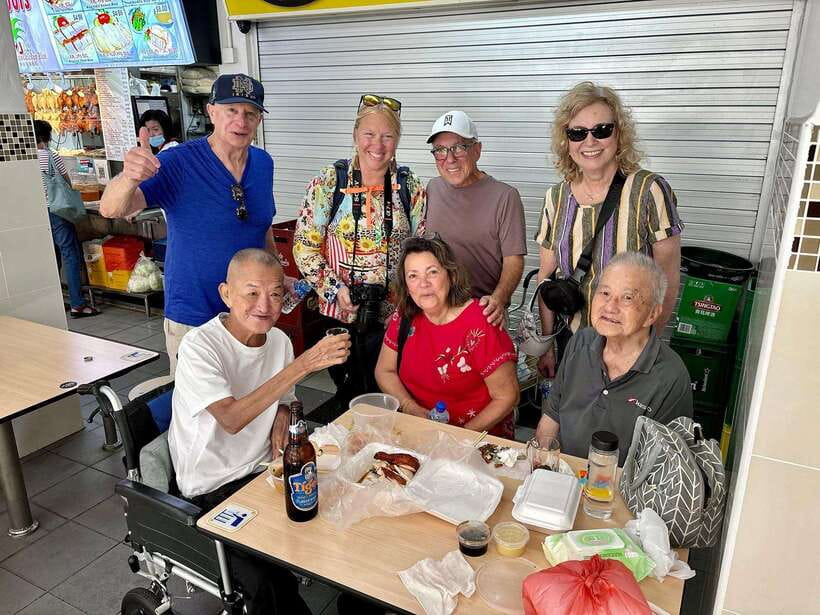
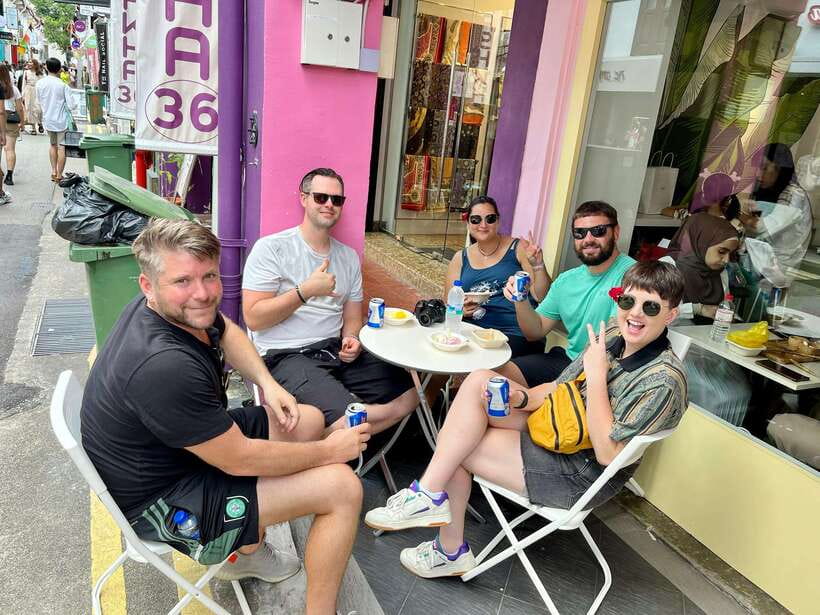
Kampong Glam is a contrast in textures. You start with Haji Lane and move through graffiti walls of the neighborhood, then you head to Arab Street to browse textile shops. You’ll get the visual side of the quarter fast, but Gerry also gives you context so the street details make sense.
A key stop is the introduction to Singapore’s 1st Sultan Mosque. This isn’t presented like a quick photo stop; it’s a chance to understand why the quarter has its identity and how faith and community shape what you see on the ground.
Then you finish with dessert in an old shophouse setting used by 19th century Muslim pilgrims. That historical detail turns the dessert stop into more than a sweet ending. It links the quarter’s past movement of people to the kind of hospitality and gathering space that built community over time.
Dessert is also where you’ll likely appreciate the tour’s pacing strategy. You’ve walked and sampled for hours, so the final segment is a gentle shift from savory to sweet. One note from a recent participant’s perspective: the dessert included an ice-cream option, and while it was tasty, someone wished for even more variety. If you are picky about desserts, it’s worth remembering that the final stop is still part of the tour’s structured plan, not a free-for-all.


Street-Food Reality Check: How to Order, Pace Yourself, and Eat With Confidence
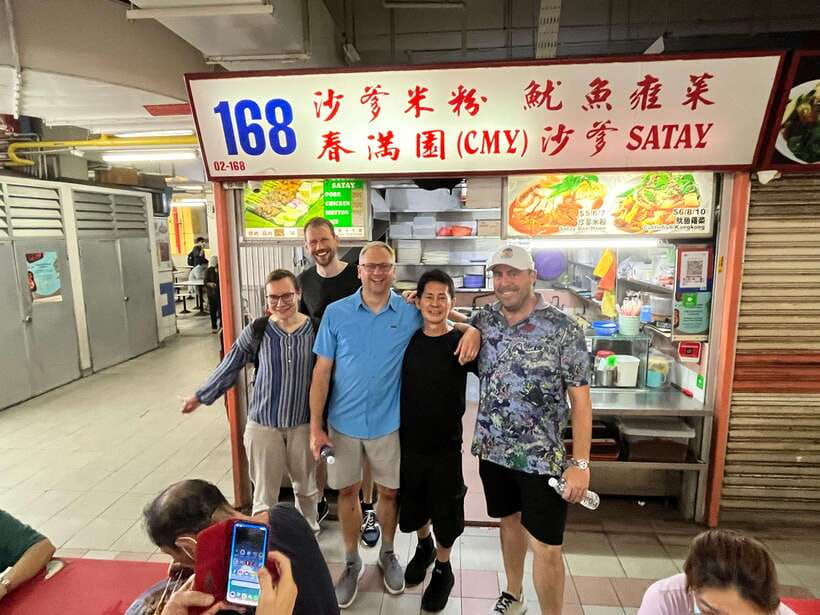
Here’s the thing about hawker-centre days: they can either be fun or messy, depending on how you pace yourself. This tour solves the hardest part by letting Gerry manage the flow. You show up, and he guides you to places where locals actually eat and trade.
You should still do two simple things. Wear comfortable shoes, and keep your expectations realistic about how much food you’ll eat. The experience is designed for you to skip breakfast. Expect enough quantity that you will not feel like you’re nibbling.
Also, the tour includes drinks and not just water. Beer is part of the included food-and-drink plan, and coffee and tea show up along the way. That helps you slow down at each stop and experience the quarter like a local, not like someone racing to beat a clock.
Practical tip: do not over-plan what you’re going to eat later that day. If you want an evening meal, aim for something light. This tour has a habit of turning your stomach into a cheerful, satisfied problem.
Price and Value: What $148 Buys in Food, Transport, and Local Access
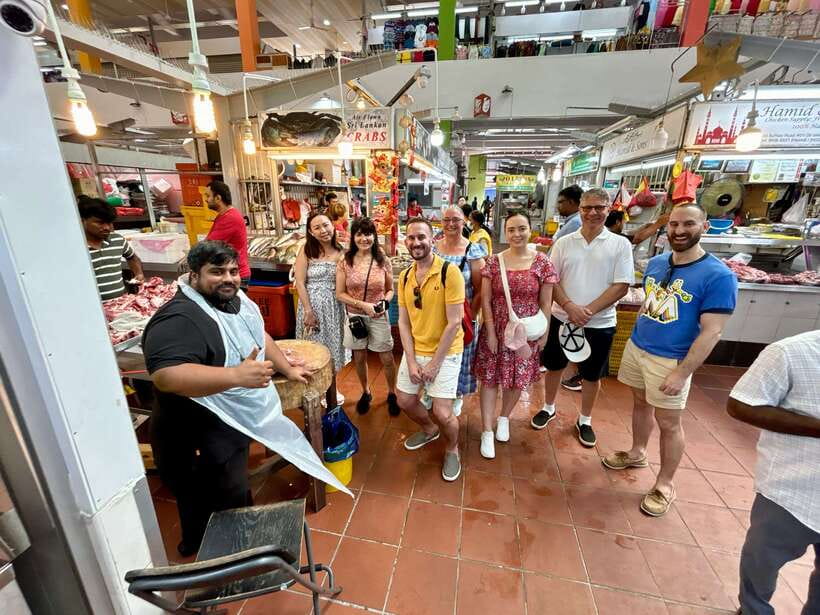
At $148 per person for 6 hours, this isn’t a cheap snack tour. But it also isn’t overpriced if you look at what’s included and what it replaces.
You’re paying for:
- Food and drink throughout the day, including beer
- Public transport tickets between areas
- Hotel pickup and drop-off, limited to city areas (with options around City Hall MRT or Raffles City)
- A small-group guide experience with stories and historical visuals
The value comes from the combination. Many tours either focus on food but ignore context, or focus on history but treat street food like a side dish. This one keeps both working at the same time.
Also, the included public transport tickets are a quiet win. In a city where everything is efficient, it still saves you from the mental load of hopping between lines and timing. The tour uses short commutes (about 10 minutes between quarters), and that makes the walking feel more doable.
If you’re a first-timer, the most important part is local access. Your guide helps you find food settings you might miss on your own, including UNESCO hawker-centre stops and family-run eateries where the point is the people behind the stalls.
If you’re the type who wants to taste widely and still understand what you’re tasting, this price starts to look reasonable.
Who Should Book This Tour (and Who Should Skip It)
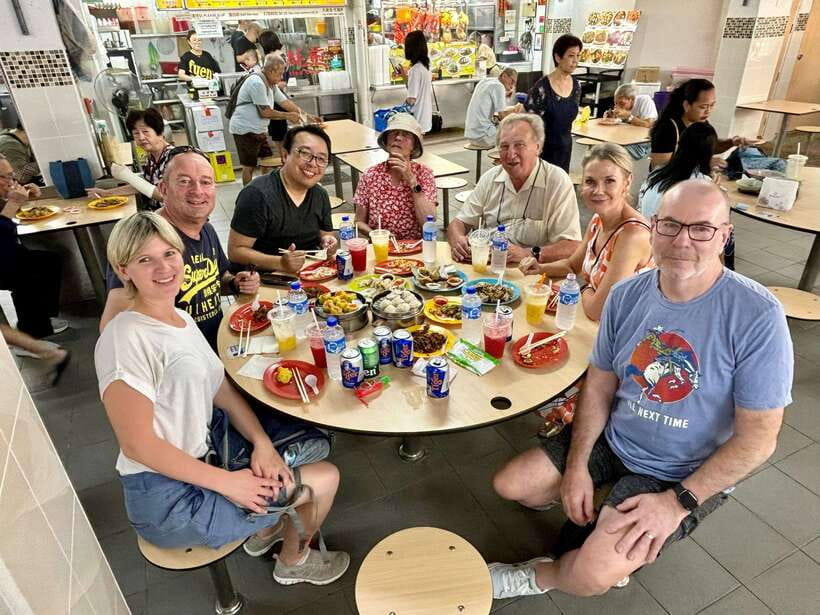
This tour fits best if you:
- Like street food culture and want hawker centres, markets, and family eateries in one day
- Enjoy guided storytelling and historical context tied to everyday neighborhoods
- Can walk about 6,000 steps and spend time standing in market areas
- Prefer a small group setting (up to 8), where you can ask questions
It’s not suitable for some people, and the rules are straightforward. It is not suitable for pregnant women, people with back problems, people with mobility impairments, wheelchair users, people with vertigo, or people with respiratory issues. It also is not suitable for vegans or people with gluten intolerance, and it’s not a fit for very low fitness levels.
If you fall into any of those categories, you’ll probably have a rough day, not because the tour is unkind, but because the route is built around food stops, public spaces, and walking.
Also, the tour doesn’t allow oversize luggage, baby strollers, or large bags. If you plan to travel carry-on light, you’re in good shape. If you’re bringing bulky gear, you’ll want to reorganize before you go.
Should You Book This 3-Quarter Street Food and History Tour?
Book this tour if you want a single, guided day where Chinatown, Little India, and Kampong Glam all connect through food, markets, and real neighborhood history. It’s especially worth it if you like the idea of UNESCO hawker-centre eating paired with Michelin-listed mentions, plus a guide who explains the why behind what you’re tasting.
Skip it if you need strict vegan or gluten-free options, if you cannot comfortably handle standing and walking, or if you prefer food tours that stay strictly light on heavier historical themes.
If you’re flexible, bring comfortable shoes, show up hungry, and let Gerry set the pace. This is the kind of day that makes Singapore feel personal fast, because you’re not just watching the city. You’re eating its stories.
FAQ
What is the duration of the tour?
The tour lasts 6 hours.
How many people are in the small group?
The group is limited to 8 participants.
What does the tour include for food and drinks?
Food and drink are included throughout the tour, and beer is included as part of the drinks.
Where are the pickup and drop-off locations?
Pickup and drop-off depend on your chosen option, with locations including City Hall MRT and Raffles City.
Is the tour suitable for vegans or gluten intolerance?
No. The tour is not suitable for vegans and it is also not suitable for people with gluten intolerance.
Can I cancel for a full refund?
Yes. You can cancel up to 24 hours in advance for a full refund.