REVIEW · MADRID
Black History Tour of Madrid: Heritage & Resistance
Book on GetYourGuide →Operated by Afroibérica Tours · Bookable on GetYourGuide
Madrid has a habit of hiding stories in plain view. This Black History Tour of Madrid puts those stories front and center, using guided walk-and-talk storytelling to connect African legacy and resistance to the city you’re already seeing. I like the clear focus on heritage and resistance, and I also love how the guide (Kwame, in multiple reviews) points out symbolism you’d normally miss while taking photos. One thing to consider: it’s only two hours, so if you want lots of food stops, rest time, or slower pacing, you may need to plan extra time on your own afterward.
In This Review
- Key Points You Should Know Before You Go
- The Point of This Tour: Madrid’s Story With Afro-European History in the Lead
- How the 2 Hours Work: Simple Route, Clear Timing, No Side Quests
- Plaza de Isabel II: Your Starting Line and the Story’s First Thread
- Royal Palace Area Stop: Power, Empire, and What You Notice When You Look Again
- Almudena Cathedral: A Guided Look at Religion and Historical Memory
- What You Learn From the “Hidden in Plain Sight” Approach
- The Finish at Puerta del Sol: Easy Exit, Easy Next Step
- Price and Value: Why $41 Can Be Worth It
- Who This Tour Fits Best (and Who Might Want a Different Option)
- Small Things to Bring So You Can Enjoy the Walk
- Should You Book This Black History Tour of Madrid?
- FAQ
- Where does the tour start and end?
- How long is the Black History Tour of Madrid?
- What languages are offered?
- What’s included in the price?
- Is this tour wheelchair accessible?
- Is the tour refundable if my plans change?
Key Points You Should Know Before You Go
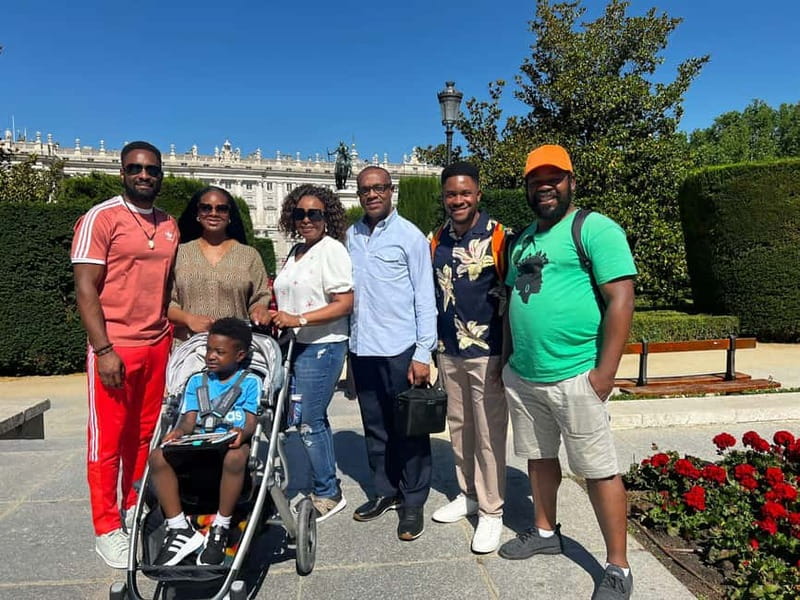
- A Black-focused lens on Madrid: slavery, colonization, the Moors, and Black presence are treated as part of the city’s real story.
- Kwame’s storytelling style: reviews highlight how personable, clear, and symbol-focused the explanations can be.
- Central landmarks, small time commitment: you cover major downtown sights without needing a whole day.
- You end at Puerta del Sol: it’s an easy place to keep exploring right after the tour.
- No food included: bring your own plans for water and snacks since you won’t get them on the tour.
- Private group + wheelchair accessible: the format is designed to be easier to manage and participate in.
The Point of This Tour: Madrid’s Story With Afro-European History in the Lead
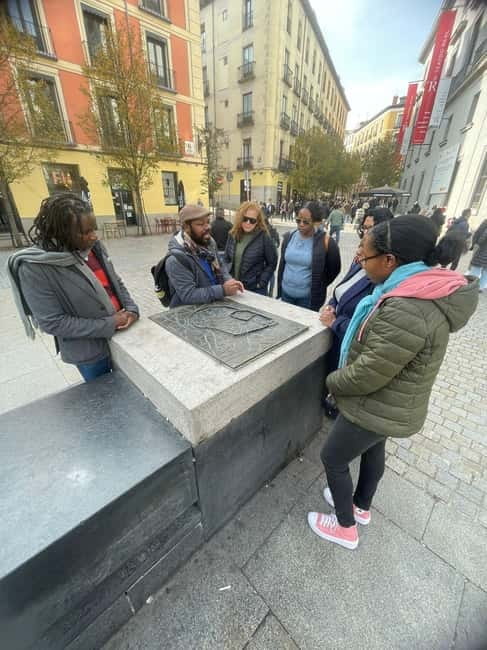
If you’ve ever walked through Madrid and thought, I know this place, but I’m missing parts of the picture—this is the kind of tour that helps fix that. The whole idea is simple: Spain’s Black history has often been left out of the way people tell the story, even though it’s connected to how cities, empires, and wealth developed.
What I find especially useful is that the tour doesn’t just list big names. It frames African legacy, resistance, and culture as woven into the streets themselves. That means you’re not only hearing history in theory—you’re connecting it to what you can see from the outside, especially around sites tied to power, worship, and public life.
The tour also makes a specific historical argument about Spain’s place in the Atlantic slave system, with Spain described here as the penultimate territory in the Atlantic World to end slavery definitively. I’d treat that as part of the tour’s perspective (not a neat trivia fact to memorize), but it’s a meaningful way to understand why Madrid’s story gets told the way it does—and why this tour tries to correct that.
You can also read our reviews of more tours and experiences in Madrid.



How the 2 Hours Work: Simple Route, Clear Timing, No Side Quests
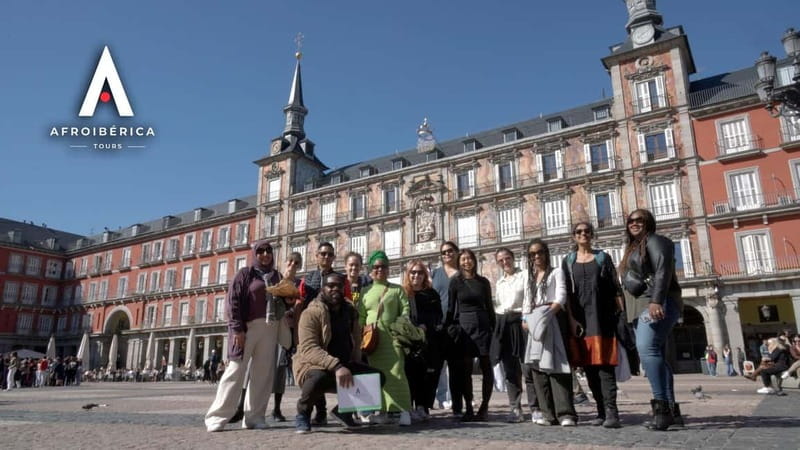
You’re in and out in about two hours, which is perfect if you want a strong cultural hit without sacrificing your whole day. The meeting point is outside Starbucks at Plaza de Isabel II, near Metro Opera. You’ll then start downtown and finish at Puerta del Sol, so you’re not stuck at the end of nowhere.
Because it’s a guided street experience, it helps to wear shoes you can walk in for an hour or more on uneven old-city surfaces. Also, bring what the tour suggests: sunglasses, sun hat, sunscreen, a reusable water bottle, and comfortable clothes. Madrid weather can go from mild to intense faster than you’d expect, and you don’t want to spend the tour thinking about shade.
This tour is also listed as a private group. That matters because it often means you can ask questions more freely and get more direct attention from the guide, instead of feeling like a number in a large crowd.
Plaza de Isabel II: Your Starting Line and the Story’s First Thread
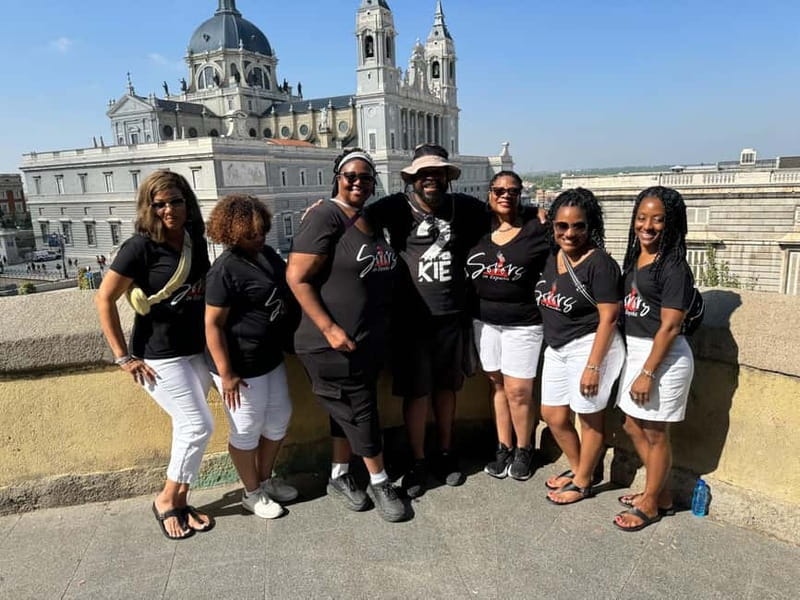
The tour begins at Plaza de Isabel II, outside Starbucks. It’s a practical spot: easy to find, surrounded by transit options, and close to the heart of downtown. More importantly, it’s a clean starting point for building the tour’s main theme—how history lives in a city’s layout and public spaces.
In tours like this, that first minute matters. If the guide sets the frame well, you’ll spend the rest of the walk noticing details with fresh eyes. Multiple reviews mention the guide highlighting symbolism hidden in plain sight, and that approach usually starts right away. You’ll likely get oriented to what to watch for as you move toward the royal and religious landmarks.
A small tip: arrive a few minutes early. Plaza de Isabel II can feel busy, and you’ll want to get settled before the briefing and walking start.
Royal Palace Area Stop: Power, Empire, and What You Notice When You Look Again
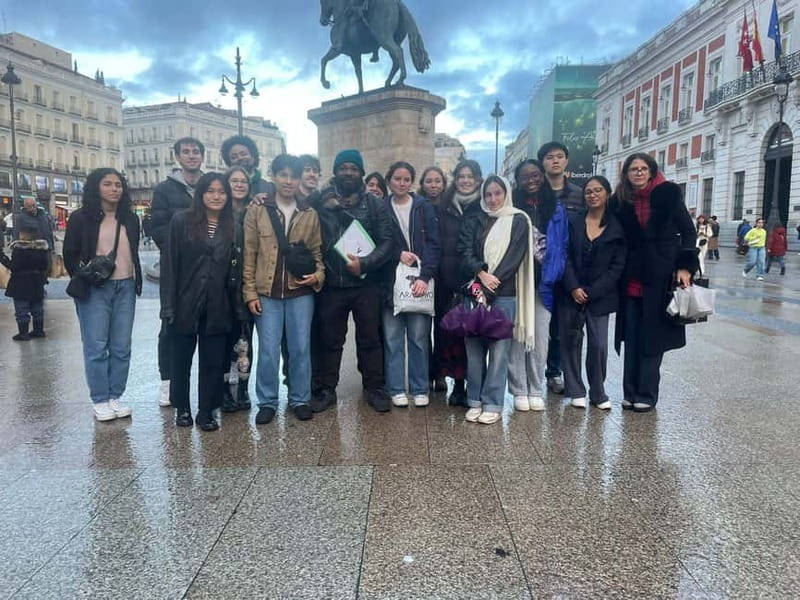
Next up is the Royal Palace of Madrid area. You’ll do a photo stop and get a safety briefing. Even if you don’t go inside, the exterior views matter because they’re part of the story people associate with monarchy and state power.
Here’s where the Afro-European framing becomes important. The guide connects the look and symbolism of “royal grandeur” to the broader history of empire—especially the systems of colonization and slavery that helped generate wealth and influence across European courts. You won’t have to be a history buff to follow the logic, but you will need to stay mentally present as you look at the building.
What I like about having this stop early is that it sets expectations for the tour’s tone. The history isn’t treated like an add-on lecture. It’s woven into the way you’re looking at the city in front of you.
The photo stop is exactly what it sounds like: grab a few pictures, but also pay attention to what the guide points out around the palace area. If you go in snapping photos only, you’ll miss the tour’s best trick—teaching you to see.
Almudena Cathedral: A Guided Look at Religion and Historical Memory
The tour then heads to Almudena Cathedral. You’ll have another photo stop, plus a guided tour there. This is one of the larger “attention” moments in the route because cathedrals aren’t just architecture—they’re institutions with deep ties to cultural memory and official narratives.
In a Black history framing like this, the cathedral stop often works as a bridge between how societies worship and how they constructed ideas about legitimacy, morality, and who belongs in the official story. You might see the guide connect religious power and the social systems that supported empire. Even without going too far into argument, the guided part helps you understand why this location matters to the overall theme.
One practical note: cathedrals can mean standing, walking slowly, and spending time looking up. If you’re prone to getting overheated, use your sun hat and keep water for afterward, since food and drinks aren’t included.
Also, since this stop includes guided time (not just a quick look), it’s a good place to ask questions if anything feels confusing. Reviews mention that explanations were very illustrative, and that style tends to show up most when the group has a chance to slow down.



What You Learn From the “Hidden in Plain Sight” Approach
I appreciate tours like this because they don’t rely on one museum or one indoor exhibit. Instead, they teach you a skill: reading a city like a text.
Based on the tour’s theme, you can expect the guide to connect African legacy and resistance to the places you thought were only about Spain’s national story. That connection is the whole value. You start noticing how history is often told through the conqueror’s perspective, while the labor, lives, and influence of everyday people get minimized or erased.
The reviews back up that this is one of the tour’s strongest moments. People specifically mention how the walk helps you see context behind historical figures and how colonialization played a role in the rise of Madrid’s power and wealth. That lens can change the way you look at other European capitals too, because the pattern is common: empire leaves marks, and cities keep using those marks as symbols long after the people affected by empire are forgotten.
The Finish at Puerta del Sol: Easy Exit, Easy Next Step
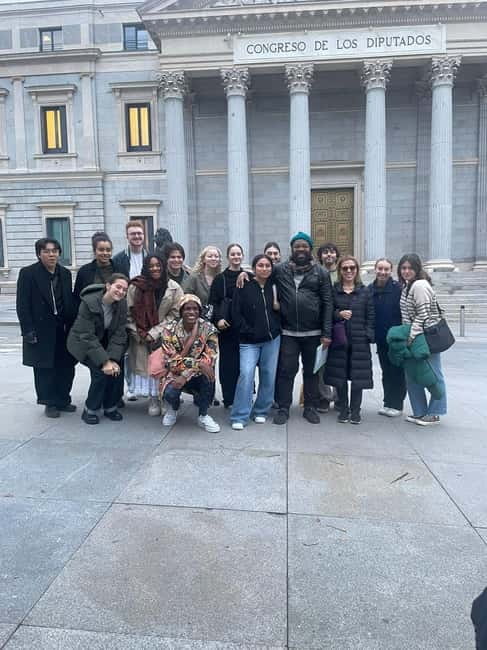
You end at Puerta del Sol, one of the most central squares in Madrid. This is a smart design choice for a two-hour tour because it reduces friction. After the tour, you’re already in a place where you can decide what you want next—wander, grab a bite, or head to a museum or viewpoint.
Since the tour doesn’t include food or drinks, this is exactly where you’ll want to pivot into your own plan. Puerta del Sol is packed with options, but I’d still suggest you take a moment to cool down and drink water first. Two hours on foot can feel fine until Madrid decides it wants to be August.
Price and Value: Why $41 Can Be Worth It
At $41 per person, you’re paying for a guided street experience that’s built around more than location—built around interpretation. This isn’t a general walking tour where history is only a light seasoning. The tour focuses on African legacy and resistance in Madrid, which is a niche you don’t reliably get from standard city guides.
For value, think about this like you would a good private lesson: you’re paying for guided storytelling, and you’re buying time with a human who can help you connect symbols and sites to a bigger narrative. Reviews highlight that the guide is personable and that the explanations can be very illustrative and interesting. That kind of communication matters. A history tour where the guide can’t frame the story clearly turns into a list of facts. This one is positioned to do more than that.
Two practical value notes:
- It’s short: two hours means you can still plan the rest of your day without spending your whole schedule.
- It’s focused: you’re not paying for a long detour or added attractions. You’re paying for a guided route with a specific theme.
Who This Tour Fits Best (and Who Might Want a Different Option)
This tour fits best if you want:
- a Black history perspective on Madrid, not just a standard overview
- a walk that connects history to the streets and symbols you see
- guided discussion you can ask questions through, especially with a private group format
It also sounds like a solid family option for older teens and adults. One review describes doing it with kids aged 16 and 12, and it clearly worked for that age range, with the explanations landing well.
Who might not love it as much:
- If you want a heavy emphasis on hands-on museum time, you may feel this is mostly outside and conversational.
- If you expect food, it’s not included, so plan your meals around it.
Small Things to Bring So You Can Enjoy the Walk
The tour’s packing list is practical, so I’d follow it:
- comfortable shoes (Madrid streets can be uneven)
- sunscreen plus a hat
- sunglasses
- a reusable water bottle
- credit card and cash (you’ll need your own water/snacks later)
- comfortable clothes for the weather
The goal is to stay focused on the story, not on your discomfort. And yes, I’m saying that as someone who has definitely sweated through the wrong shoes in Europe.
Should You Book This Black History Tour of Madrid?
Yes—if you’re the kind of traveler who wants more than a photo and a quick timeline. This tour is built for people who care about how history gets told, who benefits from that storytelling, and what happens when you look at major sites with an Afro-European lens.
Book it especially if you value guided interpretation and want to understand the city beyond the postcard version. With Kwame named in multiple reviews, and with the focus on symbolism and context, you’re likely to get a tour that changes how you notice Madrid for the rest of your trip.
If you’re mostly hunting for indoor attractions or don’t want to connect history to today’s conversations at all, then it might feel heavy. But for most curious, thoughtful travelers, this is strong value for the time.
FAQ
Where does the tour start and end?
It starts at Plaza de Isabel II, where you meet the guide outside Starbucks near Metro Opera. The tour finishes at Puerta del Sol.
How long is the Black History Tour of Madrid?
The tour lasts 2 hours.
What languages are offered?
The live tour guide speaks English and Spanish.
What’s included in the price?
Guide services are included. Food and drinks are not included.
Is this tour wheelchair accessible?
Yes, the tour is listed as wheelchair accessible.
Is the tour refundable if my plans change?
You can cancel up to 24 hours in advance for a full refund, based on the tour’s free cancellation terms.