REVIEW · SEOUL
Korean Heritage Tour: Palaces and Villages of Seoul Including Gyeongbokgung Palace
Book on Viator →Operated by KOREA TOUR (DMZ TOUR) · Bookable on Viator
Seoul’s palaces make the day fly by. This Korean heritage tour strings together the big visual hits (Gyeongbokgung Palace) with quieter culture stops like Jogyesa Temple and a living crafts experience at the Folk Village. I like that it’s structured, but not so tightly packed that you never get your bearings.
Two standouts for me are the chance to see the Joseon-era palace grounds on foot with a guide, and the way the day balances scenery with practical context through museum exhibits and cultural demonstrations.
One thing to consider: the itinerary includes a ginseng center stop, and for some people this feels more like a sales detour than heritage. If you hate being nudged to buy, treat this as a browse-only stop (and keep your expectations flexible).
In This Review
- Key Points Worth Noting
- Morning Pickup, Blue House Drive, and a Real Start Time
- Gyeongbokgung Palace: The Big Joseon-Start You Can Manage in One Hour
- If Gyeongbokgung Is Closed: Deoksugung as the Backup Plan
- National Folklore Museum: Replica Exhibits That Make Daily Life Click
- Jogyesa Temple: Short Stop, Big Calm Energy
- Lunch at a Traditional Restaurant: More Than a Break
- The Ginseng Center Stop: Heritage Study or Sales Detour?
- Korean Folk Village: Crafts, Traditions, and the Risk of Feeling Too Staged
- Guide Quality Matters More Than You Think
- Price and Value: What $140 Buys You in a Full Day
- Who Should Book This Tour (and Who Might Skip It)
- Final Verdict: Book It If You Want a Structured Culture Day
- FAQ
- How long is the Korean Heritage Tour in Seoul?
- Is hotel pickup and drop-off included?
- What palace do I visit first, and is admission included?
- What happens on Tuesdays when Gyeongbokgung Palace is closed?
- Do I need to pay for museum or temple entry?
- What kind of walking should I expect?
- Can I cancel for a full refund?
Key Points Worth Noting
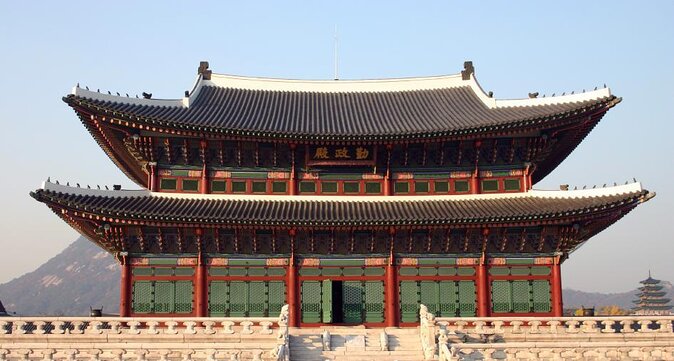
- Gyeongbokgung Palace walk-through with admission included, timed for a meaningful first visit
- National Folklore Museum uses replicas, which can make history feel easier to grasp
- Jogyesa Temple is quick but memorable, with centuries-old main-hall context
- Korean Folk Village is hands-on in feel, with crafts and traditional making you can watch
- Group size is capped at 10, which helps questions and pacing
- Your day lives or dies by guide quality, and several named guides were praised for clear English and good flow
Morning Pickup, Blue House Drive, and a Real Start Time
You’ll start at 8:30 am with hotel pickup, then board an air-conditioned coach. That matters more than it sounds, because Seoul traffic can turn a “simple ride” into a stress test. The coach keeps the morning comfortable and gives you a smooth intro to the city as you travel.
After pickup, you’ll drive past the Blue House, which is the executive office and official residence of the South Korean head of state. Even if you only get a look from the road, it’s a useful orientation moment. It helps you place the palace visit later in the day as more than just pretty buildings—it’s tied to Korea’s governance history and court life.
One more practical detail: the ride-by descriptions and guide narration create a shared baseline for everyone in the group. That’s why the tour works well even when you’re not Korean-history fluent.
You can also read our reviews of more tours and experiences in Seoul.
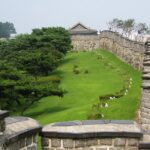
Gyeongbokgung Palace: The Big Joseon-Start You Can Manage in One Hour
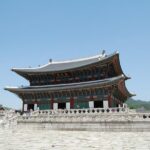
Your first major stop is Gyeongbokgung Palace, built in 1395 and restored after much of it was destroyed during the Japanese occupation. The palace is huge, and you might worry that one hour won’t be enough. Here’s the honest trade-off: you won’t see every corner, but you will see the most important ones in a way that makes sense.
What you’re likely to notice quickly is the palace layout: gates, pavilions, and royal halls arranged for movement and ceremony, not random wandering. On this tour, you’re not left to guess. A guide leads your walk, so you understand why buildings are where they are and what their role was in court life.
One review highlight called out the changing of the guard experience at the palace. That’s not something you can force, but if it lines up with your timing, it’s a great photo moment and a strong “this is live history” feeling.
What to do before you go: wear comfortable shoes and keep your phone battery ready. Even with guided pacing, palace grounds add up on foot.
If Gyeongbokgung Is Closed: Deoksugung as the Backup Plan
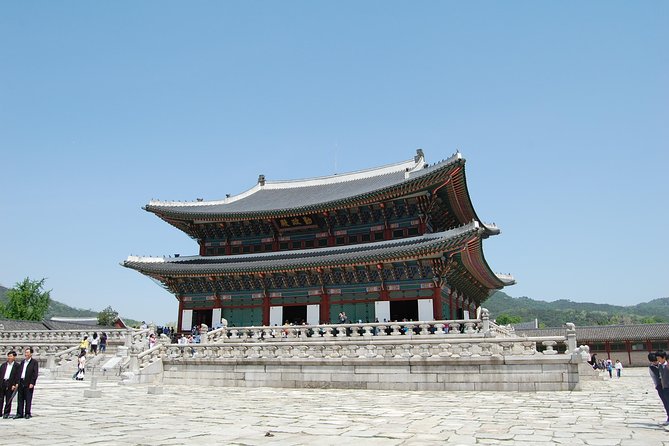
There’s a built-in calendar reality: Gyeongbokgung Palace is closed on Tuesdays. On those days, the tour switches to Deoksugung Palace, and you’ll also visit the Seoul Museum of History inside that walled compound.
This is one of those details that can quietly make or break your satisfaction. If you’re traveling on a Tuesday, this substitution is valuable because you’re not stuck with a watered-down day. Instead, you still get palace architecture plus museum context—just under a different roofline of history.
National Folklore Museum: Replica Exhibits That Make Daily Life Click
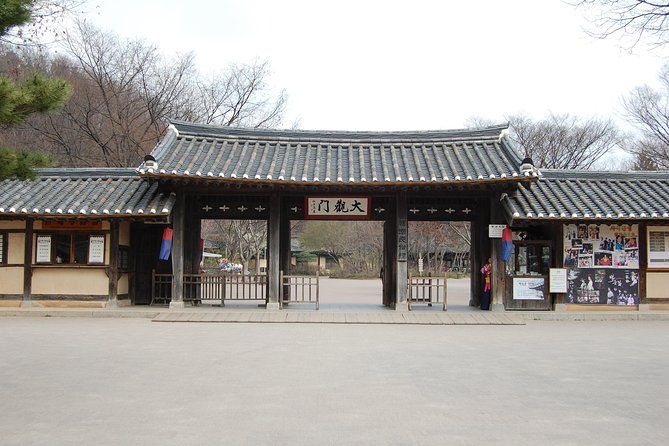
Next up is the National Folklore Museum, with admission listed as free. The museum uses replicas to illustrate Korean life from ancient times through the 20th century. For first-timers, this approach can be surprisingly effective.
Real artifacts are great, but they can also feel distant when you don’t have the everyday context. Replica scenes and models help you picture what rooms looked like, how people lived, and how objects connected to daily routines. You don’t need to be a scholar. You just need a little time to look closely.
Your time here is short—about 20 minutes—so treat it like a targeted introduction. Go for the themes your guide points out. If you try to read everything yourself, you’ll run out of minutes fast.
Jogyesa Temple: Short Stop, Big Calm Energy
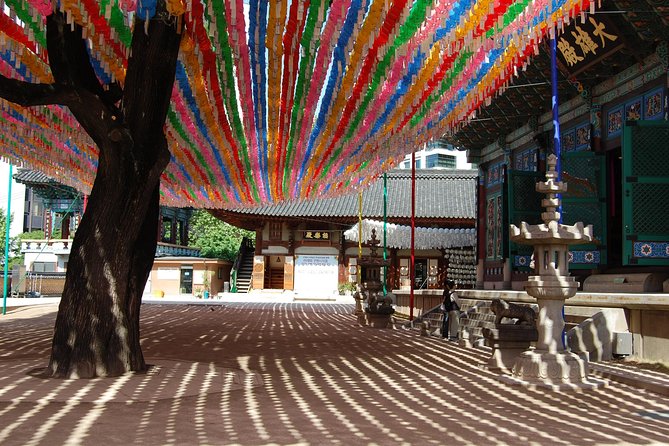
Then you’re off to Jogyesa Temple, the chief temple of the Jogye Order of Korean Buddhism. The visit is brief (a couple minutes listed in the schedule), but it centers on the main hall and an enlightened Buddha dating back roughly 500 years.
Even in a quick stop, temples do something practical for you: they break the pace after palace walking and keep the day from turning into pure sightseeing fatigue. The tour also cues your eyes with details like the trees lining the entrance (locust and baeksong), which makes the area feel intentional rather than just scenic.
If you like quiet spaces and want a reset button mid-day, this is the kind of stop that helps.
Lunch at a Traditional Restaurant: More Than a Break
Around midday you’ll stop for lunch at a local restaurant. Lunch is included, and the time slot is about 1 hour.
This is one of those simple-but-important parts of any cultural tour. If you’re hungry, you’ll rush everything else. If you’re not, you’ll actually notice how food and culture connect—taste, table manners, and comfort after hours of walking.
One review described lunch as a great experience and called out how good it was. That matches what I’d expect from a tour that keeps lunch in-house rather than letting everyone scatter.
Tip: if you have dietary restrictions, mention them at booking so the restaurant can be arranged appropriately.
The Ginseng Center Stop: Heritage Study or Sales Detour?
This is the most debated part of the day. You’ll make a 30-minute stop at a ginseng center before lunch or before the next segment, depending on the day’s flow.
Korea has a major ginseng industry, so there’s a legitimate “learn a bit” angle. You may hear health-and-production explanations and get a chance to purchase ginseng if you want souvenirs.
But here’s the catch: multiple reviews flagged the ginseng center as an odd fit. Some people felt it took too long or pushed them toward buying. Another complaint grouped it with other retail-style presentations.
My practical advice is boring in the best way: go in with a plan. If you’re curious, ask a couple questions and enjoy the explanation. If you’re not, treat it like a quick orientation stop. You don’t have to buy anything for the rest of the tour to be good.
Korean Folk Village: Crafts, Traditions, and the Risk of Feeling Too Staged
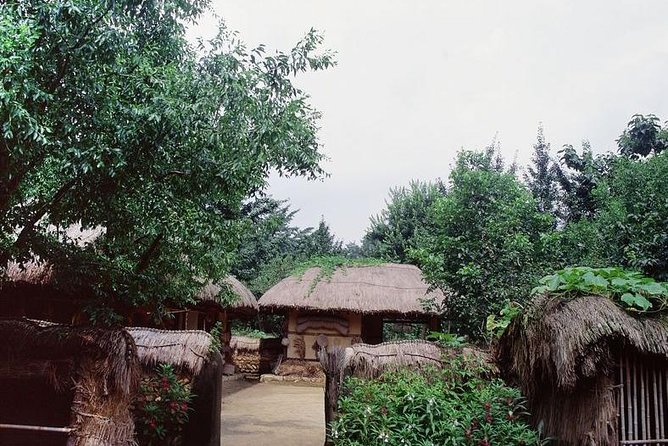
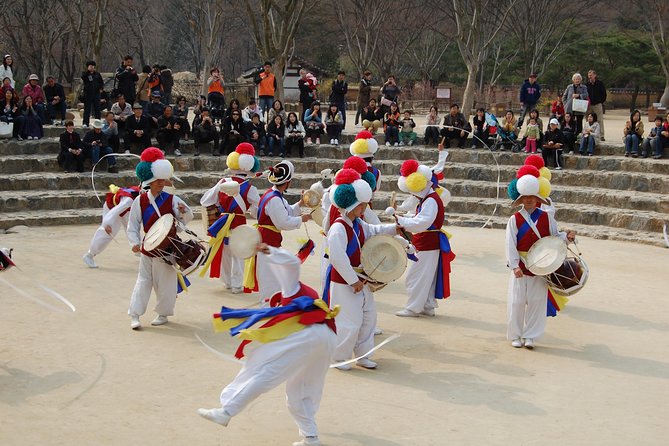
In the afternoon, you’ll visit the Korean Folk Village, described as a living showcase for traditional life and folk culture. The scheduled time is about 1 hour 20 minutes, and admission is included.
This is one of the strongest parts of the itinerary on paper because you can watch craft work, not just read about it. The tour highlights include pottery making, basket weaving, hand-making of winnows, and traditional embroidery, plus displays of bamboo/wood/brass-related wares and musical-instrument style crafts.
That’s the value: it turns culture from images into motion. You get to see skill being practiced, which helps you remember it later.
One common complaint, though, was that some people found the Folk Village less like a museum and more like a staged experience. That doesn’t automatically mean it’s bad. It just means your expectations should be realistic: you’re going to see demonstrations and curated scenes, not everyday village life in the literal sense.
If you enjoy watching artisans and you like “how it’s made” moments, you’ll probably enjoy this. If you hate souvenir-pressure environments, keep your distance from sales areas and focus on the workshops and displays.
Guide Quality Matters More Than You Think
Across the reviews, the guide shows up as a major factor. Several named guides got praise for English and for keeping people moving in a way that makes sense: Sunny, Winnie, David, Michelle, and Dora were all mentioned positively.
When guides are strong, the tour feels like a coherent story: Blue House drive sets context, palace walk gives you structure, museum stop adds grounding, and the Folk Village gives you craft-based closure.
When guides are weaker (or audio is hard to hear), the same itinerary can feel rushed or skimpy, because the day is only truly enjoyable when narration connects the dots.
The good news: group size is small (max 10 travelers). That gives guides more room to manage timing and questions.
Price and Value: What $140 Buys You in a Full Day
At $140 per person for about 8.5 hours, this tour isn’t the cheapest way to see Seoul. But it can be good value if you count what’s actually included:
- Hotel pickup and drop-off by air-conditioned coach
- A professional guide
- Lunch
- Admission included at Gyeongbokgung Palace and Korean Folk Village
- Museum admissions listed as free for the National Folklore Museum and Jogyesa
In other words, you’re not paying separately for everything you’d normally line up yourself. You’re also paying for logistics that can eat time and energy—getting from palace to temple to museum to village without figuring out routes all day.
Where value dips is in the stops that feel retail-like (ginseng). If you end up spending time there feeling pressured, the effective value drops. If you keep that stop light and focus on the palace and Folk Village, the day still feels like a solid cultural sweep.
Who Should Book This Tour (and Who Might Skip It)
I think this tour suits you best if:
- you’re visiting Seoul for the first time and want a palace-and-culture starter day
- you like walking tours with explanations, not just photo stops
- you enjoy craft demonstrations and cultural context
- you want the comfort of pickup and an organized route
You might reconsider if:
- you strongly dislike sales-focused presentations and want minimal time in retail spaces
- you prefer long, slow museum time over a fast intro package
- you’re very sensitive to rushed mornings
Final Verdict: Book It If You Want a Structured Culture Day
Should you book? I’d say yes if your priority is seeing Seoul’s major palace architecture plus a cultural day that includes museum context and a craft-focused village stop. The palace walk and the overall structure are the reason this tour works.
Just go in knowing one thing: the ginseng center is the weak link for some people, and the Folk Village can feel a bit curated. If you can accept those trade-offs, you’ll likely leave with a clear sense of Korea’s traditions and the bigger historical picture.
FAQ
How long is the Korean Heritage Tour in Seoul?
The tour lasts about 8 hours 30 minutes.
Is hotel pickup and drop-off included?
Yes. You get round-trip hotel transport by air-conditioned coach, with pickup included from your Seoul hotel.
What palace do I visit first, and is admission included?
You visit Gyeongbokgung Palace first, and admission is included.
What happens on Tuesdays when Gyeongbokgung Palace is closed?
On Tuesdays, the tour visits Deoksugung Palace and also includes the Seoul Museum of History.
Do I need to pay for museum or temple entry?
The National Folklore Museum admission is listed as free, and Jogyesa Temple entry is also free. Admission at the Korean Folk Village is included.
What kind of walking should I expect?
There is moderate walking, so comfortable walking shoes are recommended.
Can I cancel for a full refund?
Yes. Free cancellation is available up to 24 hours before the experience’s start time for a full refund.