REVIEW · COLOMBO
Day Trip to the Ancient Capital of Polonnaruwa From Colombo
Book on GetYourGuide →Operated by Apple Vacations Sri Lanka · Bookable on GetYourGuide
Polonnaruwa hits you with instant ancient grandeur, and this Colombo-to-Polonnaruwa day trip delivers the biggest sacred sights with an English-speaking driver and guided time on the ground. You’ll see old Buddha statues, Buddhist shrines, and palace ruins all packed into one long, focused day.
I love two things most: the way the route centers on major Buddhist landmarks—Lankatilaka Gedige, Gal Vihara, and Demala Maha Seya—so the city’s spiritual purpose is obvious fast. I also like that the core visit is a guided ruins walk (about 3.5 hours), then you get a proper break before heading back.
One drawback to plan for: it’s a full 14 hours with moderate walking and heat rules at temples, so you’ll want comfortable shoes and a calm attitude toward timing and traffic.
In This Review
- Key takeaways before you go
- Why Polonnaruwa feels different when you’re coming from Colombo
- Leaving Colombo: the 14-hour rhythm you should actually plan for
- The guided ruins walk: how the ancient city visit works
- Lankatilaka Gedige, Gal Vihara, and Demala Maha Seya: the sacred core
- Thuparama and Topa Wewa (the Sea of Parakrama): heritage with a different feel
- Food and rest stops that keep a long day workable
- Price and value: is $111 a fair deal for Polonnaruwa from Colombo?
- Temple etiquette: what you must do at Buddhist and Hindu sites
- Who should book this trip (and who should skip it)
- Should you book this Polonnaruwa day trip from Colombo?
- FAQ
- How long is the Polonnaruwa day trip from Colombo?
- What’s included in the price?
- Are entrance fees included?
- Is a local Sri Lankan guide included?
- Are meals included?
- How much walking should I expect?
- What should I bring?
- What clothing rules apply at temples?
- Is smoking or bringing large bags allowed?
- What happens if weather is poor or I need to cancel?
Key takeaways before you go
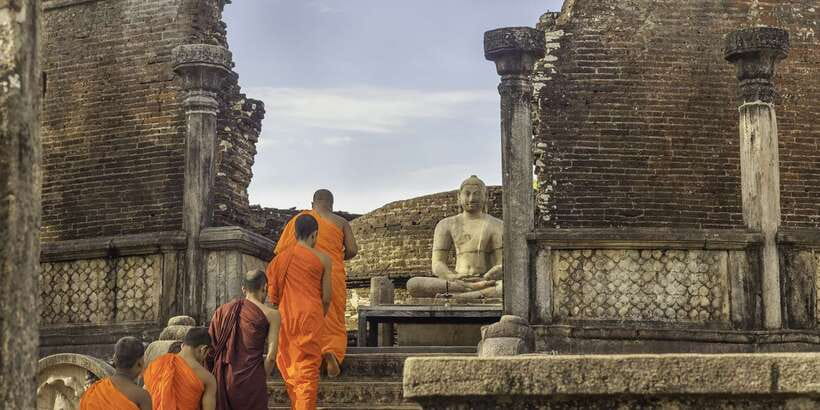
- 3.5 hours of guided walking inside the ancient city, with enough structure to feel efficient
- Buddhist highlights grouped together: Lankatilaka Gedige, Gal Vihara, Demala Maha Seya
- Heritage beyond the temples at Thuparama and Topa Wewa (the Sea of Parakrama)
- Pickup and drop-off from your Colombo accommodation, plus bottled water
- Long day, so pack for comfort: sun protection and footwear you can trust
Why Polonnaruwa feels different when you’re coming from Colombo
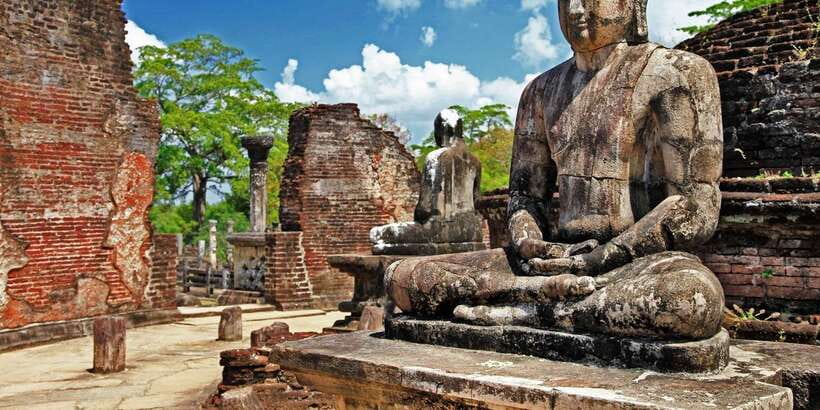
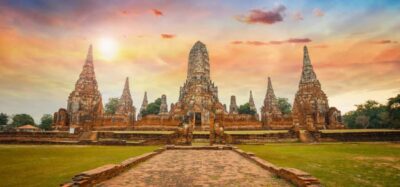
Polonnaruwa was the ancient capital of Sri Lanka’s North Central Province, and it’s one of the country’s most important archaeological sites. The monuments here connect closely to Buddhism and Hinduism, which matters because the city doesn’t feel like random ruins. It reads like a place built for worship, royal life, and stone-made beliefs.
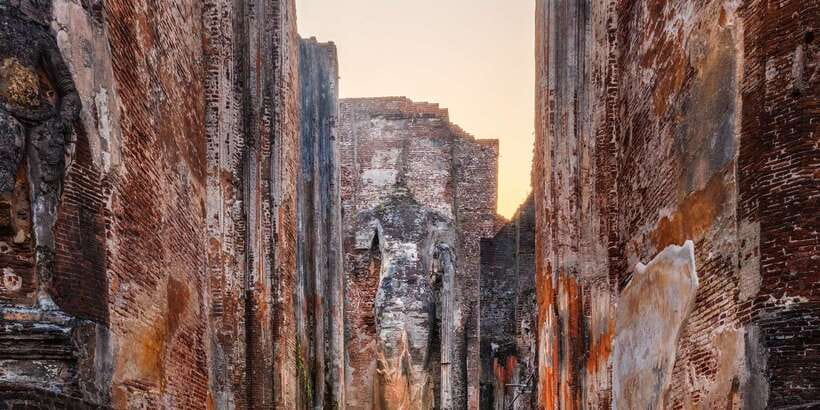
What makes this day trip especially appealing is how it targets the core parts of the city. You’re not just driving past big names; you’re spending time on the ground where you can actually connect the dots: image shrines, Buddha icons, and the remnants of palace spaces. Even if you know little before you go, the route helps you understand why Polonnaruwa was so powerful for its rulers and religious communities.
The fact that you’re doing this from Colombo in one day also changes the tone. It feels like a “big highlights” visit, not a slow archaeological retreat. If you want a controlled, structured taste of Polonnaruwa without moving cities, this fits.
You can also read our reviews of more tours and experiences in Colombo.
Leaving Colombo: the 14-hour rhythm you should actually plan for
This is a full-day outing: about 14 hours from pickup to return. That duration isn’t just trivia—it shapes how enjoyable the trip will be. You’ll be spending a lot of the day on the road, and the timing depends on the day and traffic conditions, so the real goal is to stay flexible.
Pickup is included from your accommodation in Colombo. You should plan to arrive in the hotel lobby about 10 minutes before your selected pickup time. It’s also a shared transfer, and the operator notes that early or late pickup isn’t available—so don’t build your whole schedule around being able to shift pickup by an hour.
The drive can be relaxing when the day feels well paced. In one booking, a passenger described the vehicle setup as comfortable and even quiet enough to feel almost like a solo day with the driver/guide. You can’t count on that every time, but it’s a good sign that the transportation tends to be handled carefully.
Bottom line: go in knowing this is a long day. If you can handle one stretched outing, you’ll likely love how much Polonnaruwa you can pack in.
The guided ruins walk: how the ancient city visit works
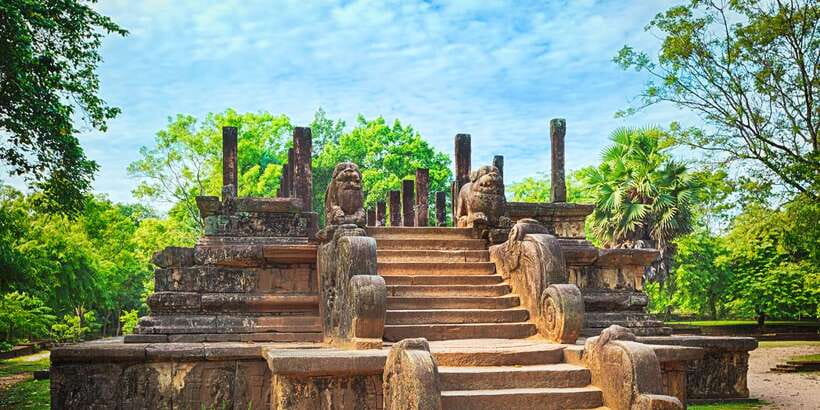
Once you arrive, the heart of your day is a guided visit through the Polonnaruwa Ancient City. Expect a mix of sightseeing and walking, with about 3.5 hours set for the main exploration. This is where a guide really earns their place. Ruins can blur together fast, and having someone explain what you’re looking at helps you connect Buddhist shrines, Buddha statues, and the palace remains into one story.
The walking is described as moderate, but don’t treat that as “easy.” Ancient ground can be uneven, and temple areas require quick changes in posture and clothing. Bring shoes that won’t annoy you after an hour. Sunglasses and a hat are also practical, because sun can turn a long ruins walk into a full-time job.
You’ll also get a quick reset break mid-day. There’s time built in for lunch and free time at a local restaurant stop, plus the chance for coffee or tea. For a long day like this, that break isn’t a luxury. It’s what keeps you sharp for the afternoon sacred sites.
If you like structured time in the field—seeing a set of monuments in a clear order—this visit style works well.
Lankatilaka Gedige, Gal Vihara, and Demala Maha Seya: the sacred core
This day trip is built around three major Buddhist stops: Lankatilaka Gedige, Gal Vihara, and Demala Maha Seya. The best part is that they’re grouped so you can build a clear sense of Polonnaruwa’s religious focus.
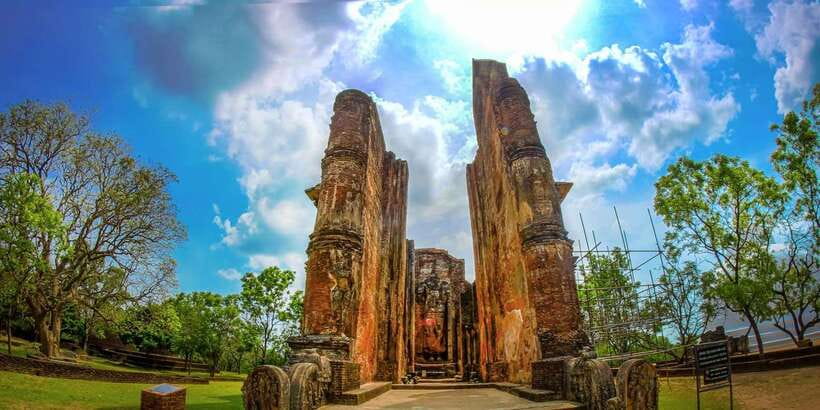
At Lankatilaka Gedige, you’ll be looking at one of the key Buddhist temple landmarks. It sets the tone for the rest of the day because the city’s sacred architecture is part of its identity.
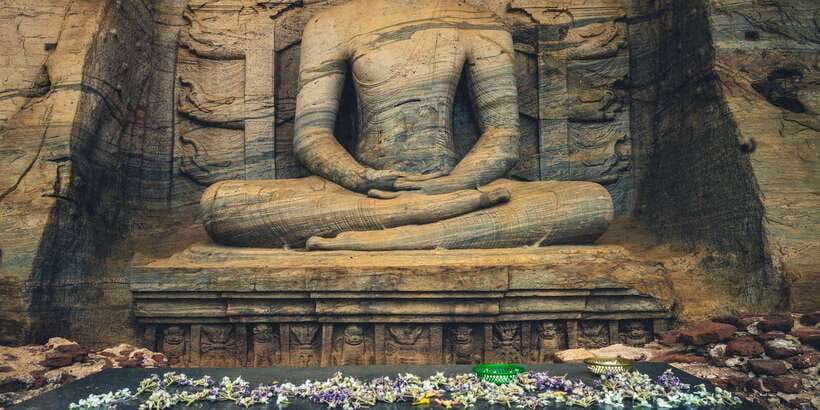
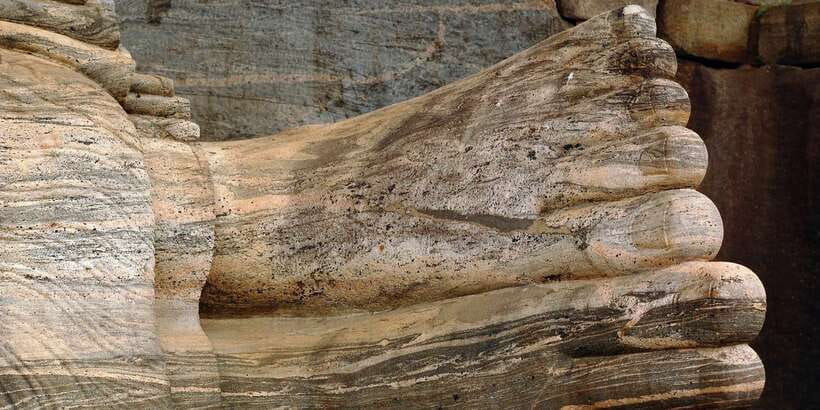
Then Gal Vihara is the moment many people remember. You’re there for stone-carved Buddha icons, including the famous Buddha imagery associated with the site. Even if you’re not a full-time architecture fan, seeing carved statues in person tends to hit differently than photos. It’s also one of those stops where time feels worth it because the stone work invites close attention.
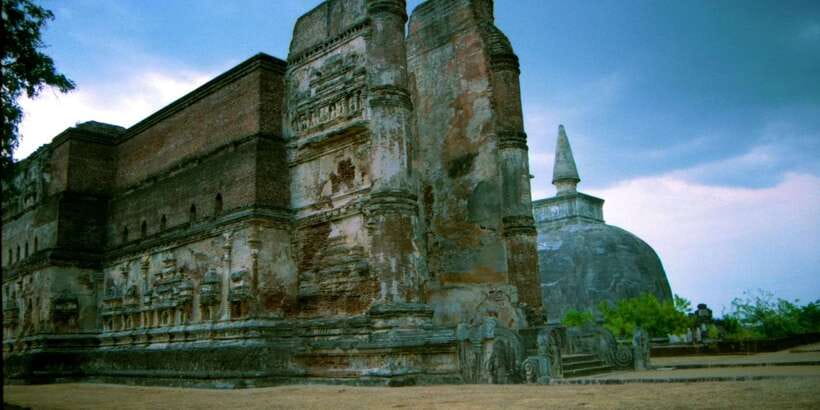
Finally, Demala Maha Seya rounds out the sacred circuit with another important Buddhist shrine stop. Together, these three give you a compact view of how the city expressed religious devotion in stone and structure.
Practical note: these are temples, so you’ll need to follow rules on what to cover and what to remove.
Thuparama and Topa Wewa (the Sea of Parakrama): heritage with a different feel
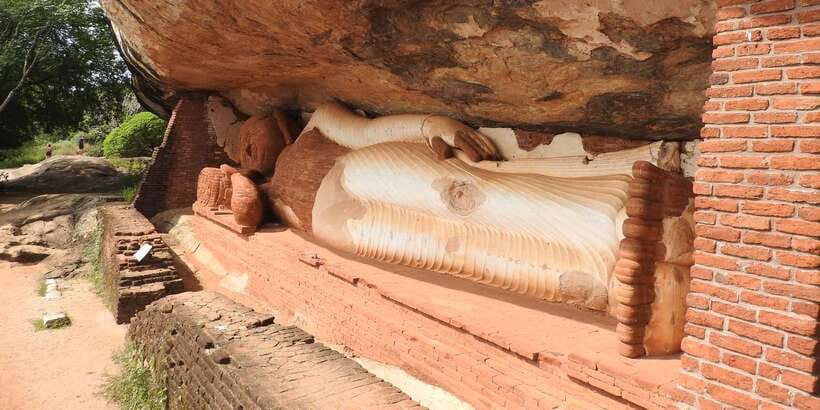
After the main temple trio, you shift to two more heritage sites: Thuparama and Topa Wewa, also known as the Sea of Parakrama. This is a smart change of pace. Once you’ve seen multiple shrine areas and Buddha imagery, it helps to also spend time at sites connected to the broader design of the ancient city.
Thuparama gives you another angle on the religious side of Polonnaruwa. It adds depth to your mental map, so the city doesn’t feel like a one-temple visit. Instead, it comes across as a place where multiple sacred centers mattered.
Then Topa Wewa stands out because it’s about the lake area—named the Sea of Parakrama—so it shifts you away from stone statues and into a broader sense of how this ancient capital used its setting. Even without deep technical details, it’s still valuable because it helps you see Polonnaruwa as a designed environment, not just scattered monuments.
This pairing is especially useful if you’re worried about “ruins fatigue.” The temples are impressive, but by adding Thuparama and Topa Wewa, the day feels less repetitive and more complete.
Food and rest stops that keep a long day workable
This trip includes a breakfast stop at a local restaurant before you head into Polonnaruwa, and it also includes a lunch stop during the day. The food is described as part of scheduled break time, with free time built in so you can recharge.
What’s worth knowing is that meals aren’t just about calories here. With 14 hours total, eating well helps you tolerate the heat, the walking, and the timing of driving. In one account of the experience, the restaurant stops were described as tasty with a good variety and with the basic amenities you need when you’re away from your hotel.
Also, bottled water is included. That small inclusion matters on ruins days, especially if you’ll be outdoors for multiple hours.
A helpful mindset: treat your meal breaks as part of your sightseeing plan, not separate from it. Eat, drink, rest your feet, then go back out for the afternoon highlights.
Price and value: is $111 a fair deal for Polonnaruwa from Colombo?
The price is $111 per person, and it’s easiest to judge value when you look at what’s included versus what’s not.
Included:
- Pick up and drop-off at your accommodation in Colombo
- English-speaking driver
- Bottled water
Not included:
- Entrance fees
- A local Sri Lankan guide
- Food or drink not detailed in the description
So what are you really paying for? You’re paying for one big convenience: getting from Colombo to Polonnaruwa and back in a structured way, with someone driving and handling the flow of your day. On a long trip, the transportation and timing can be the difference between enjoying ruins and feeling stressed.
The fact that entrance fees and a local guide aren’t included can affect your final total, especially if you want extra explanation on-site beyond the English-speaking driver. If you’re the kind of person who likes deep context, you may want to plan entrance fees and consider whether you’ll want a local guide for specific areas.
Still, if you want an organized, guided highlights day without arranging everything yourself, $111 can feel like solid value—especially because pickup/drop-off and water are covered.
Temple etiquette: what you must do at Buddhist and Hindu sites
One of the most important practical sections for this trip is temple etiquette. You’re required to remove your footwear and hat, and you must cover your shoulders and knees when you visit Buddhist or Hindu temples. That can feel like a hassle until you do it once—then you’ll realize it’s quick, and it keeps you from getting stuck mid-visit.
Also plan clothing with this in mind. Light, easy layers work best because you’ll be adjusting for comfort and rule compliance.
What to bring is simple and practical:
- Comfortable shoes
- Sunglasses
- Sun hat
And for what not to do:
- No smoking
- No luggage or large bags
If you’re traveling with small day items, keep them minimal so the rules don’t slow you down. This is one of those days where friction adds up fast, and you want your energy for the stone statues and shrine spaces.
Who should book this trip (and who should skip it)
This Polonnaruwa day trip is a strong match for you if you want:
- A structured highlights visit rather than an unplanned day
- An English-speaking driver who helps you move through the monuments
- A one-day option from Colombo to see multiple key sites
It’s also a good fit if you like being outdoors and you’re okay with moderate walking across archaeological grounds.
But it’s not for everyone. It’s not suitable for:
- Pregnant women
- People with heart problems or other serious medical conditions
- Wheelchair users
If you fall into any of those categories, you’d be better off choosing a different style of visit with less walking and a different accessibility setup.
Should you book this Polonnaruwa day trip from Colombo?
I’d book it if you want a clear, efficient way to see Polonnaruwa’s major Buddhist sites—including Lankatilaka Gedige, Gal Vihara, and Demala Maha Seya—plus Thuparama and Topa Wewa in a single outing. It’s built for people who want to get the most impact out of limited time in Sri Lanka.
Skip it or think twice if:
- You don’t handle long travel days well
- You’d struggle with moderate walking
- Temple clothing rules feel like a problem for your comfort
One more reason to feel confident: the experience is set up to be well-run, with an English-speaking driver and a clear flow of sightseeing and breaks. In one named instance, a guide named Anush was described as attentive and patient, which is exactly the kind of energy that helps a ruins day feel smooth.
If your goal is a memorable Polonnaruwa highlights day without organizing transport on your own, this is a sensible choice.
FAQ
How long is the Polonnaruwa day trip from Colombo?
The duration is 14 hours.
What’s included in the price?
Pickup and drop-off at your accommodation, an English-speaking driver, and bottled water are included.
Are entrance fees included?
No. Entrance fees are not included.
Is a local Sri Lankan guide included?
No. A local Sri Lankan guide is not included.
Are meals included?
Breakfast at a local restaurant and a lunch break are part of the day. Food or drink details beyond that are not specified.
How much walking should I expect?
There is moderate walking involved, and the main guided visit is about 3.5 hours.
What should I bring?
Bring comfortable shoes, sunglasses, and a sun hat.
What clothing rules apply at temples?
You must remove footwear and hat, and cover your shoulders and knees when visiting Buddhist or Hindu temples.
Is smoking or bringing large bags allowed?
Smoking is not allowed. Luggage or large bags are not allowed.
What happens if weather is poor or I need to cancel?
The trip depends on favorable weather. If it is canceled due to poor weather, you can attend on another date. There is free cancellation up to 24 hours in advance for a full refund.