REVIEW · COLOMBO
7-Day Culture and Heritage tour of Sri Lanka
Book on Viator →Operated by Beyond Escapes · Bookable on Viator
Sri Lanka rewards slow travel. This tour does it in smart batches. You get a full week of Buddhist sites, ancient capitals, UNESCO-grade stops, and a night of cultural performance, all organized around a comfortable 4-star base and an English-speaking chauffeur guide.
I especially like the way the days are built for momentum: you’re not stuck in limbo, and you move between places with a plan. I also like the hands-on touches, like the live wood-carving experience, which turns the trip from sightseeing into real context. One consideration: the pace is steady and some stops involve a lot of walking and climbing, especially if you choose to tackle Sigiriya’s steep stair climb.
If you want Sri Lanka’s culture and heritage without the stress of driving, guessing opening hours, or figuring out logistics, this is a strong value-minded route. It’s also a good match if you care about seeing the places behind the stories: relics, cave temples, ruined capitals, and the craft traditions still alive today.
In This Review
- Key highlights to expect on this Sri Lanka heritage week
- Colombo to Kandy Lake: where your week starts
- Temple time in Kandy: the Sacred Tooth Relic and five key stops
- Dambulla’s rock temples: the day wood, caves, and devotion meet
- Polonnaruwa and Sigiriya: UNESCO ruins plus a serious stair test
- Anuradhapura’s monastery complex and Mihintale’s early-Buddhism roots
- Yapahuwa and a softer finish in Negombo
- Flight home from Colombo: the week in one clean line
- Price and value: what $975 buys you on a private heritage route
- Practical tips that will make your week smoother
- Should you book this 7-day Sri Lanka culture tour?
- FAQ
- Where does the tour start and end?
- Are hotel breakfasts included?
- Is airport pickup included?
- What kind of transportation do I use during the tour?
- Do I need special clothing for temples?
- Is this tour private?
Key highlights to expect on this Sri Lanka heritage week
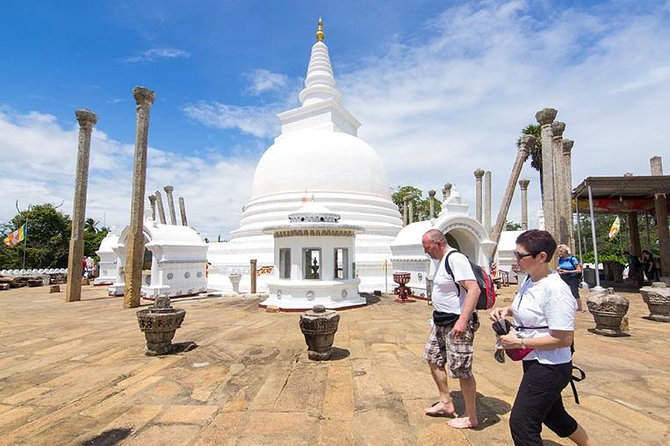
- Kandy’s major temple cluster, including the Sacred Tooth Relic site and multiple viewpoints over Kandy Lake
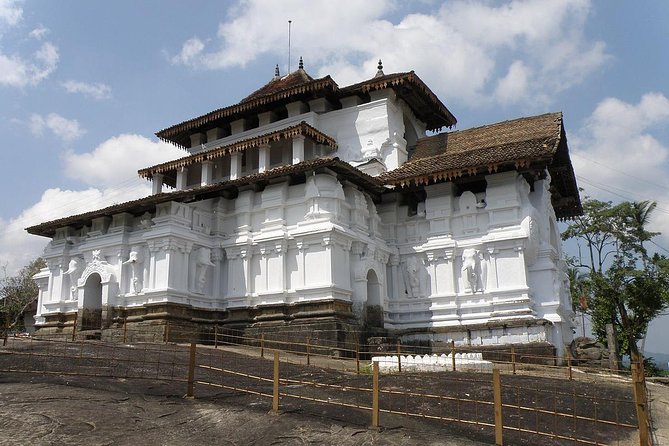
- Three-temple loop near Kandy (Embekka Devalaya, Lankathilaka, Gadaladeniya) that shows how style and symbolism connect
- Dambulla Cave Temple with a long guided walk through one of Asia’s best-preserved cave temple sets
- UNESCO pair: Polonnaruwa ruins and Sigiriya, with the option to take on the 1,200-step rock climb
- Ancient Anuradhapura + Mihintale, built around Buddhism’s early footprint in Sri Lanka
- Yapahuwa’s rock fortress history, including its connection to the Sacred Tooth Relic for 11 years
Colombo to Kandy Lake: where your week starts
Your trip begins in Colombo, with airport greeting and a transfer by an English-speaking chauffeur guide. After you check into a 4-star hotel, you keep the first day easy: a visit to Kandy Lake for a relaxed start.
Kandy Lake isn’t just a pretty pause. It’s a gentle way to get your bearings before the bigger religious and archaeological stops. You’re also setting yourself up for Day 2’s Kandy focus, where views and sacred sites tie together into one story of royal power and devotion.
You can also read our reviews of more tours and experiences in Colombo.
Temple time in Kandy: the Sacred Tooth Relic and five key stops
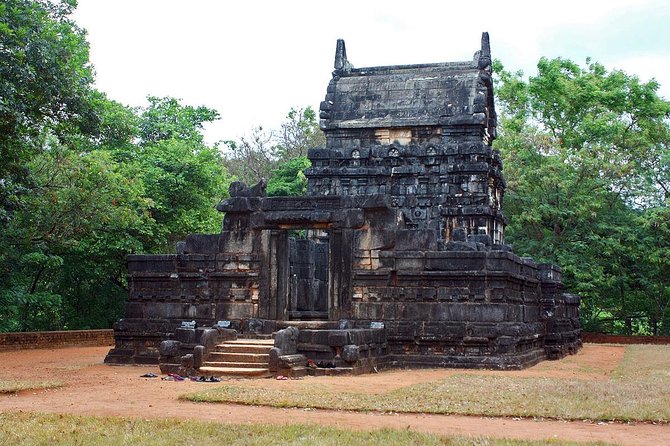
Kandy is the core of this tour, and Day 2 is packed with meaningful stops. You’ll start with the three-temple loop in the central highlands: Embekka Devalaya, Lankathilaka, and Gadaladeniya. These three are close enough to feel like one outing, but distinct enough to make you notice details—architectural choices, layout, and how the sites communicate belief through stone and design.
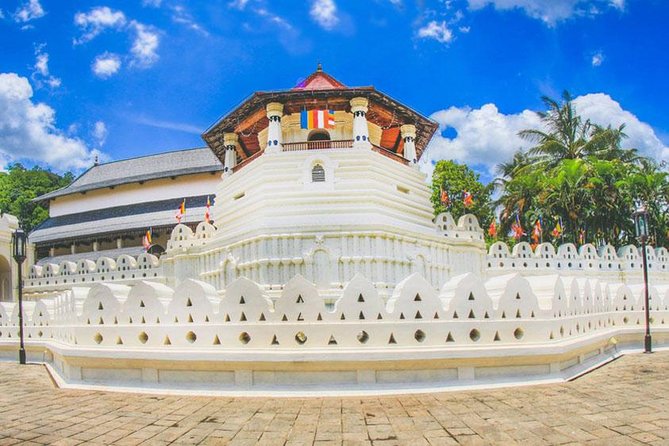
Next comes one of Sri Lanka’s most important religious anchors: the Temple of the Sacred Tooth Relic. This is where the story of the relic (and its political weight) meets everyday temple life. If you pay attention during the guided city tour, you’ll understand why Kandy became a last stronghold for the Sinhalese kingdom.
From there, you continue with Sri Maha Bodhi Viharaya and Bahirawakanda temple, which help broaden the picture beyond one single famous site. Then you shift to a practical treat: Kandy View Point on the upper lake drive, where the city’s geography makes the religion make more sense.
The last part of the day is where culture becomes something you can feel. You’ll stop at a gem lapidary and craft center, and then enjoy a traditional cultural dance show at Kandy Lake Club. It’s a nice balance after all the quiet stone work—part performance, part explanation, and a reminder that heritage isn’t only in ruins.
Dambulla’s rock temples: the day wood, caves, and devotion meet
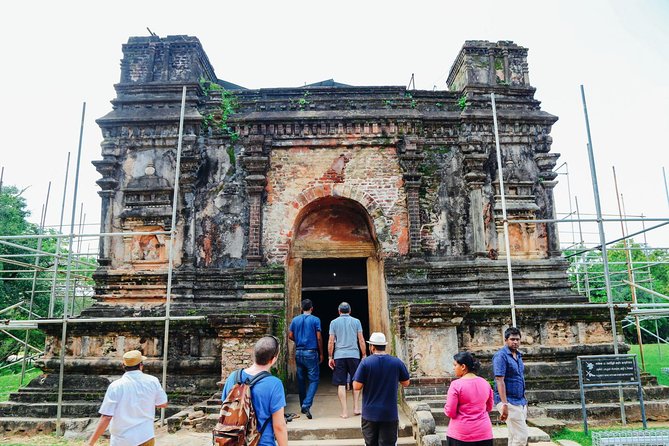
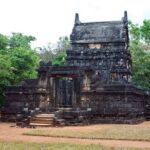
Day 3 moves you out of the Kandy orbit and into a different kind of heritage. The first stop is Nalanda Gedige, described as a fusion of Buddhist and Hindu architecture. Even if you’re not an architecture geek, you’ll likely notice the blend in the way the structures are composed—how influences overlap instead of staying in separate boxes.
Then you get a more grounded, human-scale experience: a live wood carving stop at a small factory in the village of Matale. This is one of those moments that turns the whole trip less abstract. Instead of only learning what people believed, you see how artisans still translate skills into everyday objects and craft.
In the late afternoon, you head to Dambulla Rock Cave Temple, one of the most impressive and well-preserved cave temples in Asia. The visit is planned as a walk through the caves, with about two hours on site. You’ll see how cave space shapes worship—tight, cool chambers, religious art, and a sense of time that feels much older than your phone’s camera roll.
Polonnaruwa and Sigiriya: UNESCO ruins plus a serious stair test
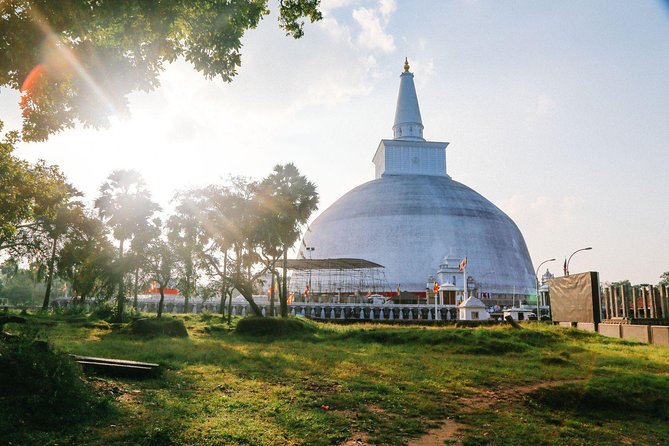
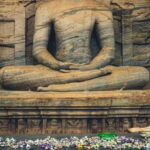
Day 4 is where Sri Lanka’s “wow” factor gets physical. You start at Polonnaruwa, the ancient capital, for a long, focused visit of around four hours. Expect ancient dagobas, moonstones, parks, massive buildings, and statues. This stop works best when you slow down for the details—moonstones especially reward a bit of patience, since they’re small stories in stone.
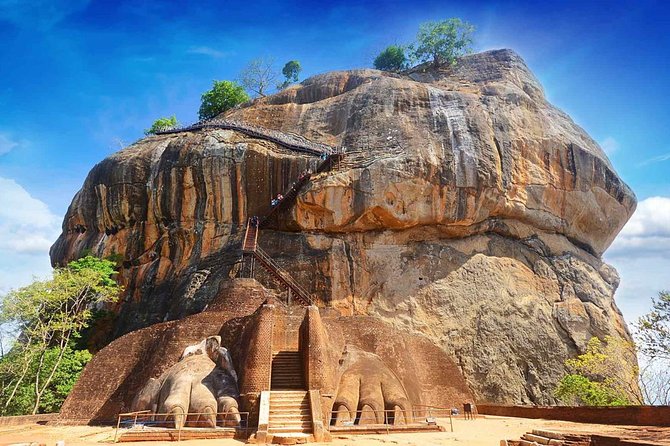
After that, you head to Sigiriya, the 5th-century rock fortress and a UNESCO World Heritage site. This one includes the climb: 1200 steps up to panoramic views. The climb is the main event, but the architecture and fortress layout also matter. You get the sense of engineering plus power, with views that explain why this place dominated the landscape.
Practical note: if you’re sensitive to long stair climbs, plan your pace and take breaks. This is the one stop on the tour where “energy” matters more than “interest.”
Anuradhapura’s monastery complex and Mihintale’s early-Buddhism roots
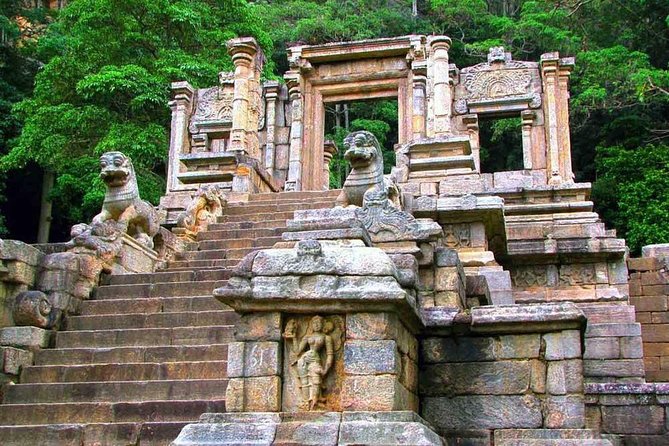
Day 5 is designed for readers of old stories who want to see where they actually happened. You travel to Anuradhapura, Sri Lanka’s first capital, to visit the Mahamevnawa Dhammachethiya Buddhist Monastery complex. The time on site is about four hours, and the focus is on ruins and temple life, including bathing pools and irrigation systems.
That irrigation detail is worth your attention. It’s easy to think ancient sites are only about religion and buildings. But these systems show how daily life, food, and belief depended on one another.
On the way back, you stop at Mihintale, described as the birthplace of Buddhism in Sri Lanka in the 3rd century BC. It’s a shorter stop (about one hour), but it gives you a timeline anchor. If Kandy helps explain later royal Buddhism, Mihintale helps you understand the early spread and roots of Buddhist practice.
Yapahuwa and a softer finish in Negombo
Day 6 slows down the emotional intensity a bit, which is smart after two heavy days of ancient sites. First up is Yapahuwa Rock Fortress, noted as the 4th Kingdom of Sri Lanka. The standout detail here is the fortress’s connection to the Sacred Tooth Relic, which it housed for 11 years.
Then you head to Negombo Beach for your relaxing night. The stop is brief, but the timing matters. After castles in the sky and cave temples in the rock, a beach hour or two lets your legs recover and your brain reset.
Flight home from Colombo: the week in one clean line
Day 7 is straightforward: transfer to Colombo Bandaranaike International Airport for your flight home. The tour ends back at the meeting point area, and your “culture circuit” wraps up with a final reminder that all good trips end where logistics start.
Price and value: what $975 buys you on a private heritage route
At $975 per person, this tour sits in the midrange for a 7-day Sri Lanka cultural package—mainly because you’re getting more than sightseeing. Your inclusions cover the big cost drivers:
- 4-star hotels (B&B basis)
- AC transport via one vehicle for the group
- English-speaking chauffeur guide for the whole journey
- Mineral water (500ml per person per day)
- Admission tickets included for the listed stops
- Breakfast included 6 times
That matters because Sri Lanka distances can be real. When transport, guide time, and key entrance tickets are bundled, you avoid the “add-on creep” that often turns heritage trips into a guessing game.
One other value point: this is a private tour/activity, meaning only your group participates. That usually improves pacing and comfort. In the guide feedback you’re likely to see for this company, names like Mr Caesor, Krishan, Dinesh, and Kumar come up with the same theme: attentive service and adapting the plan so you aren’t stuck waiting around between stops. If you care about moving efficiently without feeling rushed, that kind of guide support is a big deal.
Practical tips that will make your week smoother
A few details are worth planning around before you go:
Dress code for holy places: You must wear clothing that covers shoulders and knees for sacred sites. It’s not a suggestion. Pack something light and breathable that still meets the rule.
Expect a steady rhythm: Transfer times are approximate and can shift with time of day and traffic, but the overall sequence stays active. The tour is built for you to see a lot in a short window, not for long, slow wandering.
Walking and climbing are real: Most stops are visit + walk + photos, but Sigiriya’s 1200 steps is the standout physical demand. If stairs are an issue for you, it’s better to know that early than to discover it halfway up a rock fortress.
Food option: A vegetarian option is available if you tell them when booking. Since breakfasts are included, you’ll have a predictable start most mornings.
Should you book this 7-day Sri Lanka culture tour?
Book it if you want a clear, heritage-first Sri Lanka plan from Colombo that hits Kandy, cave temples, ancient capitals, and UNESCO highlights in one week. It’s especially attractive if you like structured days with an English-speaking guide and you want most entrance tickets handled for you.
Consider skipping—or at least think hard before booking—if you don’t like physical challenges, because Sigiriya can be a dealbreaker for some people. Also, if you’re hoping for tons of free time each day, this route prioritizes guided visits over long personal downtime.
If you do book, keep your day-to-day expectations realistic: you’re trading “slow travel freedom” for “maximum cultural coverage.” For many people, that trade is exactly the point.
One last note: the operator lists free cancellation up to 24 hours in advance for a full refund, so you can book with some breathing room if your dates are still firming up.
FAQ
Where does the tour start and end?
The tour starts in Colombo (Western Province) and ends back at the meeting point.
Are hotel breakfasts included?
Yes. Breakfast is included on 6 days (Bed & Breakfast basis).
Is airport pickup included?
Yes. Airport pick up is arranged based on your flight details.
What kind of transportation do I use during the tour?
You travel in an air-conditioned vehicle, with transport included throughout the tour.
Do I need special clothing for temples?
Yes. You must wear clothing that covers your shoulders and knees when visiting sacred or holy places.
Is this tour private?
Yes. It’s listed as private, so only your group will participate.
If you’d like, tell me your travel month and whether you prefer fewer stairs or tighter schedules, and I’ll suggest how to plan around Sigiriya and the longer temple days.