REVIEW · DENVER
Private Tour: Denver’s Wild History Tour & Ballpark Museum
Book on Viator →Operated by Best Tours of Denver LLC · Bookable on Viator
Denver history moves fast on foot. This private Wild History Tour pairs an easy meetup near Larimer Square with a guided walk through places tied to Denver’s ghosts, scandals, and old-school hangouts, then lands you near the National Ballpark Museum. I like the tight, practical flow—stop after stop without wasting time crossing the city—and I especially like the guide’s storytelling energy; Bill, in particular, is described as very informative and entertaining. One possible drawback: it’s only about 1 hour 30 minutes, and the experience requires good weather, so you’ll want comfy shoes and a ready-to-walk mindset.
What makes it work well in real life is that the route lines up with where you’ll naturally want to linger afterward. You end near some of Denver’s best eating and shopping areas, including spots tied to Coors Field and the Dairy Block, so the tour isn’t just facts—it helps you plan the next hour.
Because it’s private, you’re not stuck with a giant herd. It’s just your group, with a mobile ticket and guided stops that are mostly free to enter, but you’ll still pay for anything you choose to eat or drink on your own.
In This Review
- Key highlights you’ll feel right away
- Why Denver’s Wild History Tour feels like more than a quick walk
- Market St start, National Ballpark Museum finish: the route logic
- Stop 1: The Clocktower Cabaret and why Denver copies greatness
- Stop 2: 16th Street Mall for easy momentum and free buses
- Stop 3: Larimer Square, Denver’s oldest neighborhood vibe
- Stop 4: Corridor 44 and Denver’s scandal-and-shadow side
- Stop 5: Brass Tacks, built after the Great Fire
- Stop 6: Rockmount Ranch Wear, the Western brand that shows up in movies
- Stop 7: Union Station’s modern comeback
- Stop 8: The Oxford Club, Spa & Salon and what a hotel can whisper
- Stop 9: McGregor Square for a modern night-out option
- Stop 10: Coors Field and why a stadium changes a whole area
- Stop 11: The Dairy Block for that alleyway-to-destination feeling
- Stop 12: National Ballpark Museum—finish with baseball memorabilia heaven
- What you pay $99 for (and why it can make sense)
- Who this private tour is best for
- Practical tips to make the 10:30 am start feel easy
- Should you book the Denver’s Wild History Tour & Ballpark Museum?
- FAQ
- What’s the duration of the Private Tour: Denver’s Wild History Tour & Ballpark Museum?
- How much does the tour cost per person?
- Where do we meet, and what time does the tour start?
- Where does the tour end?
- Is the National Ballpark Museum admission included?
- What language is the tour offered in?
- Do we need good weather for the tour to run?
Key highlights you’ll feel right away
- Easy downtown meetup at Waxing The City (1664 Market St), right off Larimer
- Story-driven stops like the haunted Corridor 44 and the old saloon Brass Tacks
- Western pop-culture stop at Rockmount Ranch Wear, tied to a lot of famous filming
- Turn-of-the-century atmosphere at Denver Union Station (often a quick indoor visit)
- Ballpark Museum time with free admission included at the end
- Flexible after-tours plan near 19th & Blake, Coors Field, and the Dairy Block
Why Denver’s Wild History Tour feels like more than a quick walk
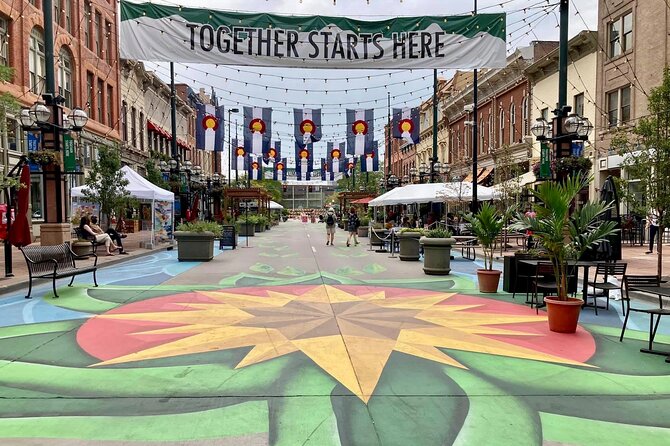
This is the kind of tour that gives you a head start on a city. Instead of treating downtown as a list of sights, it frames the streets as a timeline—how Denver started, what changed, and what kept showing up in different forms.
You’ll get a guided mix of landmarks tied to serious history and the lighter (sometimes darker) tales that people actually remember. The “wild” part isn’t just spooky for show. It’s about how Denver’s old neighborhood culture collided with money, power, and reinvention over time.
The time length matters. At about 1.5 hours, the pace is brisk, but not rushed into a sprint. You’ll cover a lot of ground while still having short stops where you can absorb what’s happening at each building or corner.
You can also read our reviews of more tours and experiences in Denver.


Market St start, National Ballpark Museum finish: the route logic
The tour starts at Waxing The City, 1664 Market St at 10:30 am. That’s a smart choice because it puts you close to the action right away. You’re in downtown Denver, and you’re already near areas that make sense to revisit after the tour.
It ends at the National Ballpark Museum at 1940 Blake St, and the provider specifically notes the ending near 19th and Blake. That matters because you won’t be stranded far from dinner. You can walk to shops and restaurants, or keep exploring the ballpark-adjacent stretch while your energy is still good.
Also, the tour is offered in English and uses a mobile ticket. That’s helpful if you prefer less paper and less hassle on arrival. It’s private, so your group stays together.
Stop 1: The Clocktower Cabaret and why Denver copies greatness
You’ll begin with the Clocktower Cabaret, a standout building in Denver’s downtown history. The big hook here is the clock tower’s design inspiration—patterned after St. Mark’s Campanile in Venice. Even though the original St. Mark’s fell in 1902, this Denver version has lasted and remains iconic.
This is a good first stop because it sets the theme: Denver didn’t just grow; it borrowed ideas and adapted them. You’ll notice right away that the architecture is part of the story, not just a backdrop for it.
A quick practical note: the stop is described as a short stop with a free admission ticket. So even if you’re not a “museum person,” this works because you’re not waiting around.
Stop 2: 16th Street Mall for easy momentum and free buses
Next is the 16th Street Mall, Denver’s best-known pedestrian stretch. It’s also the kind of place where you can immediately translate the tour into your own plans because it’s packed with stores and food.
Two smart details make this stop useful:
- It’s listed as the tour’s final stop, meaning you’ll likely already have your bearings.
- The free buses run all day, which is a big help if you want to keep moving without committing to rideshare or parking.
If you like practical travel—getting from point A to point B with minimal friction—this is the part that helps most.
Stop 3: Larimer Square, Denver’s oldest neighborhood vibe
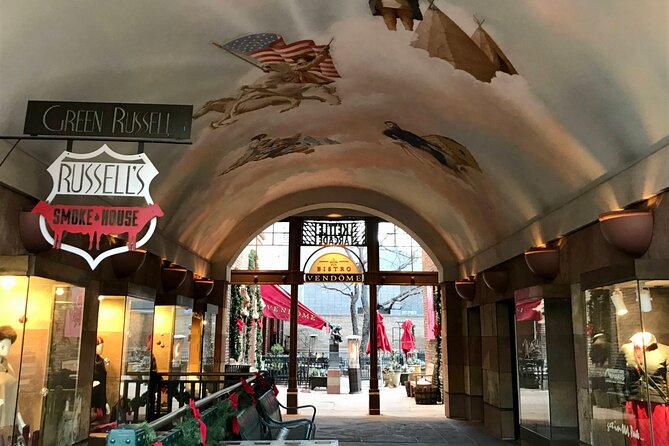
Then you step into Larimer Square, framed as the oldest part of Denver and labeled Historic District #1. The details here are more than marketing. The area is noted for Western Victorian architecture, and the tour highlights that this style is rare—only one of two remaining places in the United States with this architecture.
What you’ll likely notice on the ground is the sensory mix: coffee smells, boutique storefronts, and that “older buildings are now trendy” feeling. It’s a reminder that preservation and reinvention can share the same sidewalk.
Timing-wise, it’s a longer stop than some others, at around six minutes. That’s enough to take pictures and listen without feeling like you’re being dragged through.
Stop 4: Corridor 44 and Denver’s scandal-and-shadow side
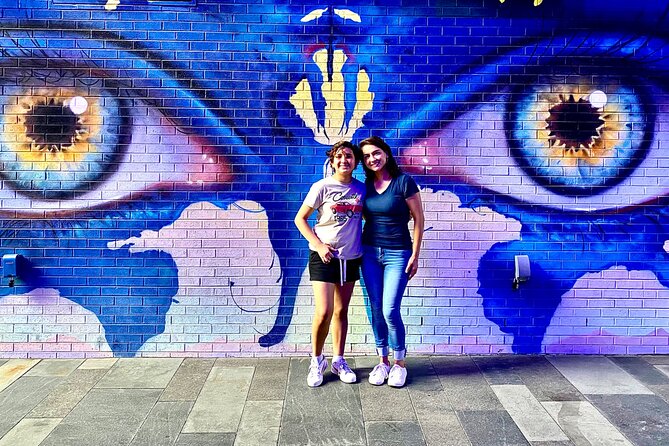
Corridor 44 is described as a haunted former speakeasy known for scandalous history. The tour’s most infamous story connected to the site involves a mob boss, his daughter, and murder.
Whether you’re into ghost stories or not, this stop has a real travel payoff. It shows how Denver’s nightlife and power networks worked in the past—and why people still feel the echoes in the architecture and reputation.
This is also the kind of stop where your guide’s tone makes a difference. Bill’s storytelling is described as entertaining, and with a stop like this, that matters.
It’s a short stop—only a few minutes—but it gives you a specific story thread you can carry with you as the tour moves on.
Stop 5: Brass Tacks, built after the Great Fire
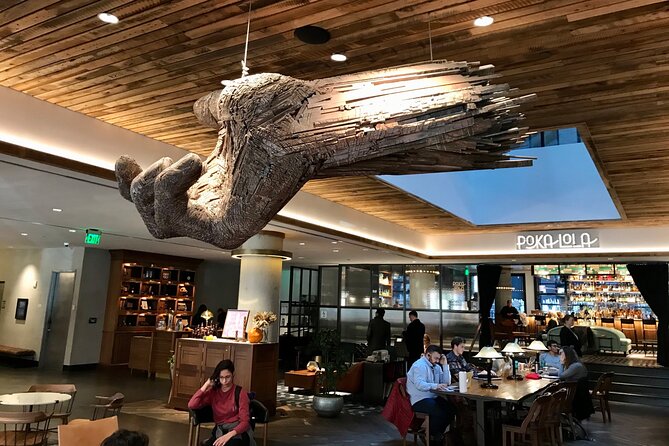
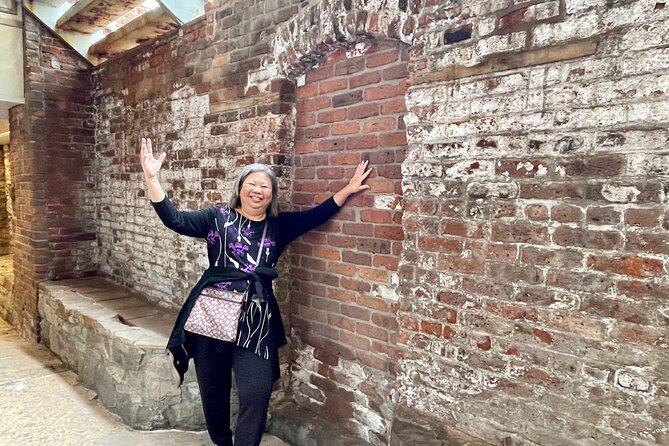
You’ll then hit Brass Tacks, noted as one of Denver’s oldest saloons. The timeline is grounded: it was tied to the early post-1863 period after the Great Fire of Denver, with the building being among the first constructed afterward.
This is where the tour shifts from legend into physical history. A building that old isn’t just a set of walls; it’s a survivor of major change. And because the tour describes it as full of haunts and history, you’ll get both a sense of atmosphere and a sense of what Denver was rebuilding.
The stop is short, so think of Brass Tacks as a snapshot: quick, focused, and memorable.
Stop 6: Rockmount Ranch Wear, the Western brand that shows up in movies
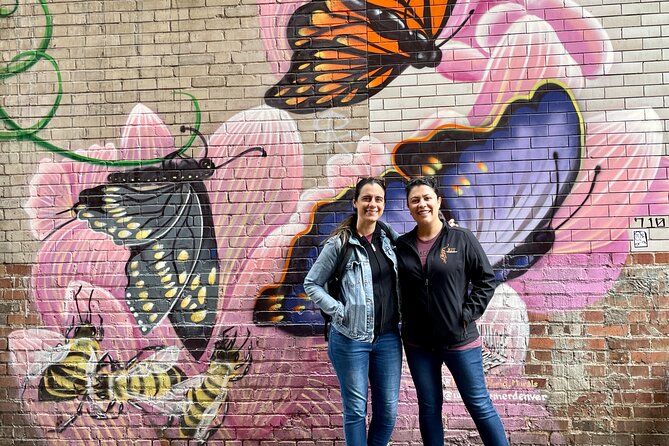
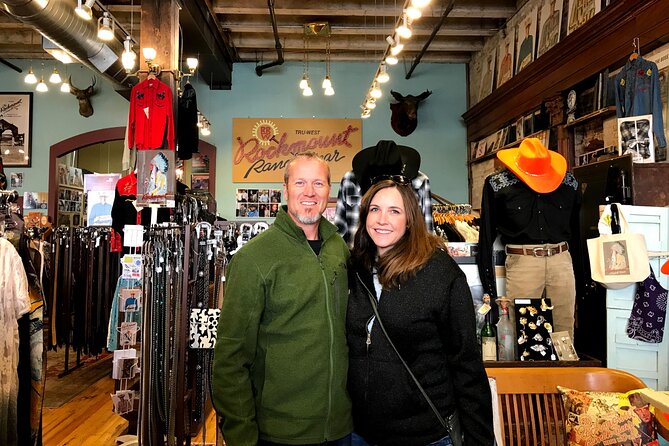
Next up is Rockmount Ranch Wear, presented as a western institution. The story here gets specific and fun: the original owner, Papa Jack, is noted as being the oldest CEO in America. And the tour points out that the store’s products were used across a surprising list of westerns and famous productions, including titles like Electric Horseman and Brokeback Mountain.
If you like pop culture, this stop hits hard. The walls are described as covered with photos of famous clients—names mentioned include Elvis Presley, Ronald Reagan, James Garner, Tom Brady. In other words, this isn’t just a store; it’s a living snapshot of how the American West got marketed and filmed.
The tour says that in most cases, you’ll go into the location. That’s important because seeing these photos and details in person is different from reading about them.
Stop 7: Union Station’s modern comeback
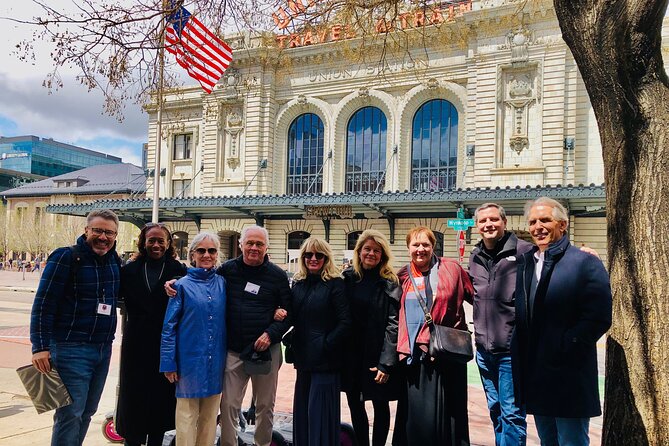
Then comes Denver Union Station, described as a turn-of-the-century train station that’s been beautifully revitalized into a modern hub. The tour emphasizes that it’s a hot spot for shops, bars, and restaurants.
This is another reason the tour is worth doing even if you’re only in Denver briefly. You’ll see how the city reused infrastructure instead of only replacing it. And because the tour notes that in most cases you’ll go into the station, you’ll get more than a curbside photo stop.
If you want a “real Denver” break during the day, Union Station is where people naturally drift—especially if you’re planning to snack or take a quick breather after the walk.
Stop 8: The Oxford Club, Spa & Salon and what a hotel can whisper
Now you move to The Oxford Club, Spa & Salon, identified as the oldest hotel in Denver, built in 1891. The tour also ties it to haunts and scandals, including a note that the bar inside the hotel was a former speakeasy.
One detail adds flavor: the interior Art Deco architecture is described as designed after the luxury cruise ship Queen Mary. That’s the kind of cross-world reference that makes the stop feel like a mini time machine.
The tour says that in most cases you’ll go inside. That matters here because hotel interiors are the whole point—if you only see the outside, you’ll miss the atmosphere.
Stop 9: McGregor Square for a modern night-out option
After the older architecture and darker tales, the tour turns toward what’s next: McGregor Square, described as a newer hotspot. It’s presented as a mix of restaurants, bars, and an entertainment complex.
This stop works as a planning tool. You don’t just learn history—you also learn where to land when you’re done with the guided part. It’s described as a great place to return to for a bite, watching sports on large screens, listening to a band, or even an outdoor movie.
That’s useful if you’re traveling with people who want both: culture in the first half and comfort-food plus fun in the second.
Stop 10: Coors Field and why a stadium changes a whole area
Then you reach Coors Field, highlighted as a major driver behind the revitalization of lower downtown Denver. The idea is straightforward: the stadium’s popularity helped create an enclave of restaurants, bars, and unique shops around it.
Even if baseball isn’t your thing, this is a good stop because stadium areas often reveal how cities shift from older commercial life into newer entertainment districts.
It’s a short stop, but it gives context for why the neighborhood around the field feels the way it does today.
Stop 11: The Dairy Block for that alleyway-to-destination feeling
Next is the Dairy Block, described as the trendiest place in Denver. The key image is simple: an alleyway repurposed into an oasis lined with restaurants, shops, and bars.
If you like places where you can wander and choose your vibe—quick snack, sit-down meal, or a casual drink—this is the part that helps you transition from “tour mode” to “explore mode.”
The tour says you’ll go into this area in most cases, which is important. Alley blocks are built for walking slowly. You’ll want the chance to look around rather than just pass by.
Stop 12: National Ballpark Museum—finish with baseball memorabilia heaven
Your tour concludes at the National Ballpark Museum, and here’s a big value note: you’re treated to the option of free admission, and it’s listed as included. The museum is described as having one of the largest collections of baseball memorabilia in the country.
The payoff is choice. You can stay as long as you like. That freedom is great if your group has mixed interests—someone can go all-in on the exhibits, while others might do a lighter pass and still feel satisfied.
For families or for anyone who likes sports history, this ending makes the whole tour feel complete instead of stopping right before the fun.
What you pay $99 for (and why it can make sense)
At $99 per person for about 1 hour 30 minutes, you’re paying for a guided downtown loop with multiple story-based stops and free admissions layered in.
What’s included is the guide, and the museum admission is included (with other stops described as free tickets where applicable). You’re not paying extra for the main historic stops, but you will pay for anything you buy along the way—food and drink are your responsibility.
Is it good value? For me, the value comes from three things:
- You get a guided narrative that connects stops into a single storyline.
- Several stops are free to enter or include admission tickets for quick on-site views.
- You end with museum time, giving you real downtime rather than rushing straight to shopping.
It’s also a private tour, so if you’re traveling with a small group, this can work out better than piecing together multiple paid attractions.
Who this private tour is best for
This tour is a strong fit if you want:
- A downtown walk with a clear theme (wild history + Denver’s identity)
- A quick way to learn where things are without getting lost
- A fun mix of architecture, saloon lore, and pop-culture western branding
- An ending that doesn’t just end—it shifts into museum time
If your travel style is history plus atmosphere, you’ll likely enjoy the combination. If you hate walking, you might find the 1.5-hour format a bit active, but you’ll be outdoors between stops.
Because it’s private and described as “most travelers can participate,” it’s also a good default for groups who want control over pacing and questions.
Practical tips to make the 10:30 am start feel easy
- Wear comfortable shoes. This is a stop-and-walk style tour, with multiple short segments.
- Plan for weather. The experience requires good weather, so keep an eye on conditions.
- Bring your curiosity. Some stops are brief, but they’re packed with story details (like the architecture references and speakeasy scandals).
- Use the mobile ticket on your phone so you’re not fumbling at meetup time.
- If you feel the guide is doing excellent work, tips are optional but appreciated. The guide’s name Bill comes up in a 5-star experience as an especially entertaining storyteller.
Should you book the Denver’s Wild History Tour & Ballpark Museum?
I’d book it if you want a fun, guided way to understand Denver beyond the postcard spots. The itinerary makes sense because it layers older neighborhood identity (Larimer Square), iconic architecture (the clock tower and Union Station), and story-heavy locations (Corridor 44 and Brass Tacks) with a fun modern finish at Coors Field, the Dairy Block, and the National Ballpark Museum.
Skip it if you’re only interested in one kind of attraction—like you want a pure baseball museum day or a pure haunted-house night. This is a mixed “Denver in one loop” experience, and that’s exactly why it works.
If your group likes walking, asking questions, and then having easy options for food afterward, this private tour is a solid pick at $99 per person.
FAQ
What’s the duration of the Private Tour: Denver’s Wild History Tour & Ballpark Museum?
The tour lasts about 1 hour 30 minutes (approx.).
How much does the tour cost per person?
It costs $99.00 per person.
Where do we meet, and what time does the tour start?
You meet at Waxing The City, 1664 Market St, Denver, CO 80202 at 10:30 am.
Where does the tour end?
The tour ends at the National Ballpark Museum at 1940 Blake St, Denver, CO 80202, near 19th and Blake.
Is the National Ballpark Museum admission included?
Yes. You’re offered the option of free admission, and it’s listed as Included for this experience.
What language is the tour offered in?
The tour is offered in English.
Do we need good weather for the tour to run?
Yes. The experience requires good weather, and if it’s canceled due to poor weather, you’ll be offered a different date or a full refund.