REVIEW · ATLANTIC COAST
Discovery of Moroccan Culinary Heritage, History and Secrets
Book on Viator →Operated by Moroccan Culinary Arts Museum · Bookable on Viator
Spices are easier when you measure them. This 2-hour class in Marrakech happens on the second floor of a restored riad, where a reception desk, a teaching kitchen with 34 stations, and a Moroccan living room set the tone for a hands-on intro to Moroccan food. You also get a museum visit on the same experience, so you leave with both technique and context.
On the menu: bread making, a trip to a neighborhood bread oven and herbalist area for spice origins, then cooking with a traditional cook (a Dada) and a Moroccan tea ceremony. Your meal is served on the terrace, and Moroccan wines can be added as an option.
What I like most is how practical it feels. You’re not just watching—you’re making Moroccan bread and learning how spice dosing works in real cooking, not as vague advice. The second standout is the teaching setup: clear instructions, a professional-style kitchen designed for learning, and a small group max of 34.
One thing to consider: the class is run with a French or English interpreter, and language can be a mix depending on availability. Also, while bottled water and coffee/tea are listed as included, a few past participants reported small mismatches—so it’s smart to confirm drinks at the start.
In This Review
- Key highlights to look for
- Entering The Riads: Where Cooking Becomes a Lesson
- The Moroccan Bread Moment: Oven Heat and Real Spice Smell
- Cooking With the Dada: Tajine Thinking, Spice Dosing, and Timing
- Tea Ceremony on Your Terms: A Ritual That Ties It Together
- Terrace Tasting and Moroccan Wines: Optional, But Worth Understanding
- The Museum Visit: Artifacts, Process, and Why It Matters After Cooking
- Price and Time: Is $69.79 Worth It?
- Who This Is Best For (and Who Should Skip It)
- Practical Tips Before You Go
- Should You Book This Marrakech Cooking and Culinary Museum Experience?
- FAQ
- How long is the Moroccan culinary cooking experience?
- What’s included in the price?
- Do I get to make Moroccan bread or just watch?
- Is Moroccan tea part of the program?
- Where does the experience start?
- Can I cancel for a full refund?
Key highlights to look for
- Bread oven and herbalist stop: See where spices come from and how bread gets its character.
- Dada-led cooking in a teaching kitchen: Technique is explained in a way you can copy.
- Moroccan tea ceremony: A ritual you’ll understand after you’ve cooked.
- Terrace tasting with optional Moroccan wines: Eat what you made, then compare flavors.
- Museum context right after: You can connect what you cook to what you see in the exhibits.
Entering The Riads: Where Cooking Becomes a Lesson
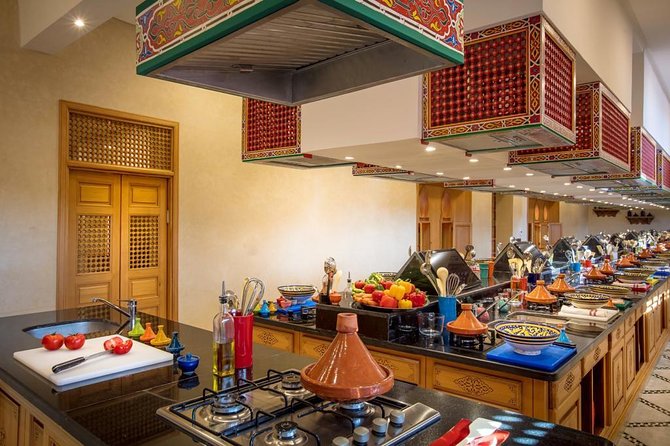
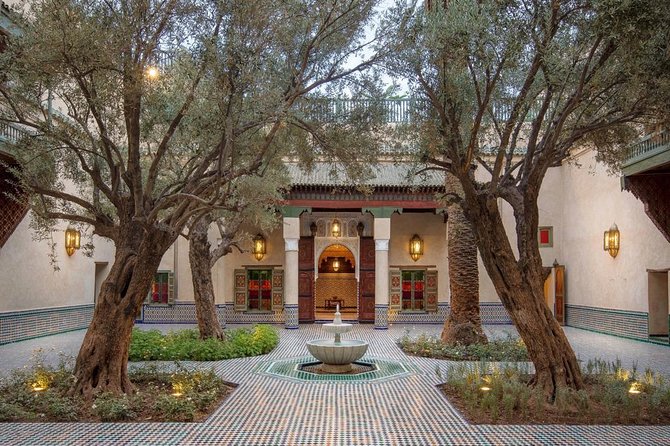
Marrakech’s Moroccan Culinary Arts Museum is the kind of place that makes you slow down. The setting matters here: you’re not in a loud, warehouse-style classroom. You’re on the second floor of a riad, with a reception area, a Moroccan living room vibe, and a dedicated teaching kitchen.
That matters because Moroccan cooking is hands-on. If you try to learn it only from a screen, you miss the feel of dough, the timing of heat, and how spices actually behave once they hit warm fat or broth. In this space, the kitchen stations are laid out for instruction—past participants highlighted that the kitchen is designed for teaching, with staff support and clear guidance.
You’ll also get an interpreter reception in French or English. That’s a big deal in a food class, because the difference between a good meal and a great one often depends on tiny details: how much spice, when to add it, and what to do if the texture seems off.
The Moroccan Bread Moment: Oven Heat and Real Spice Smell
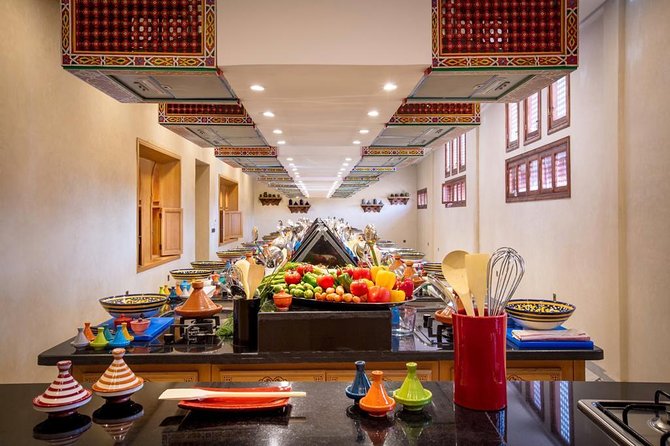
Bread is the best “starter” for Moroccan cooking because it teaches you the logic of the kitchen. This experience includes a Moroccan bread-making demonstration plus time to visit the bread oven area and the herbalist district where spices come from.
Why this is valuable: Moroccan bread is not just a side. It’s part of the rhythm of meals—what you use to scoop, dip, and share. And bread dough tells you about environment and technique: hydration level, kneading, and the timing of proofing before baking. Even if you’ve watched bread tutorials at home, you’ll likely notice how different the approach feels when you’re standing near the oven.
The bread oven and herbalist visit is also your shortcut to understanding spice flavor. When spices are sold as powders in plastic bags, they’re easy to treat as interchangeable. Seeing where the herbs and spices come from helps you connect taste to origin and aroma. You’re also walking through a part of daily life, not a staged market performance.
This is one of the most praised parts of the experience because it turns an abstract concept—spices—into something you can recognize by smell and timing.
Cooking With the Dada: Tajine Thinking, Spice Dosing, and Timing
The class itself is led by a traditional cook, described as a Dada. This is where the “secrets” are less mystic and more practical: dosing spices correctly, learning baking and cooking tricks, and understanding how Moroccan dishes build flavor.
You can expect a guided cooking session where you help prepare dishes to taste later. The broader program description also points to learning how to prepare tajines and couscous-style cooking secrets, so you’re not limited to one technique. In real Moroccan kitchens, it’s the blend of spices plus the heat control that makes the dish feel like it belongs to Morocco.
A key thing to watch for during the class: spice dosing. Moroccan spice blends can taste very different depending on ratio and when you add them. If you go heavy too early, a blend can go harsh. If you go too light, it can taste flat. This course aims to teach you that balance—how to add spices with intent, not guesses.
Also, pay attention to texture cues. Past participants praised the clarity of instructions and the hands-on support from staff and helpers. That’s important: if your dish looks a little off, the fastest fix is usually immediate adjustment, not waiting until it’s too late.
Tea Ceremony on Your Terms: A Ritual That Ties It Together
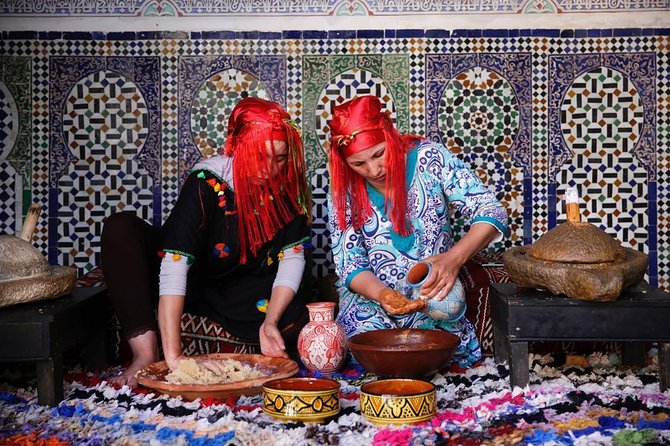
After you’ve cooked, there’s Moroccan tea ceremony time. Even if you think you already know mint tea, you’ll likely find this part changes how you taste the rest of the meal. In Moroccan culture, tea isn’t just a drink—it’s part of hospitality, pacing, and conversation.
Why it works after cooking: you’re already smelling spices, and your brain is in “flavor mode.” The tea’s sweetness and mint notes create a contrast that makes the savory dishes more readable. It also gives you a break between the warm kitchen and eating on the terrace.
The tea ceremony isn’t listed as optional; it’s part of the core flow.
Terrace Tasting and Moroccan Wines: Optional, But Worth Understanding
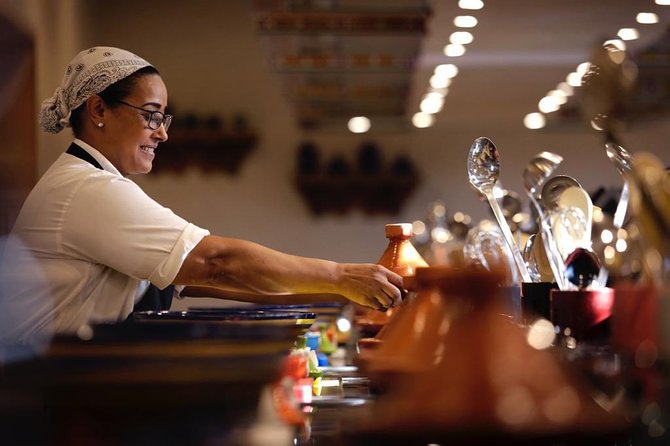
The meal part is straightforward and satisfying: you get to enjoy the dishes you prepared on the terrace. It’s also where the workshop’s payoff becomes clear—you see if the balance you learned actually tastes right.
Bottled water is listed as included, and coffee and/or tea are also included. That’s helpful because food classes can be dry on the throat when you’re working near heat. Still, a couple of participants reported small issues like water or coffee/tea not being offered exactly as expected. My practical advice: at check-in, ask what drinks are included for your group and what’s optional.
Moroccan wines are mentioned as part of the tasting, and they’re also described as optional. Alcoholic beverages are listed as not included. So you can plan your budget accordingly: if you want the wine pairing, you should expect to pay extra.
The Museum Visit: Artifacts, Process, and Why It Matters After Cooking
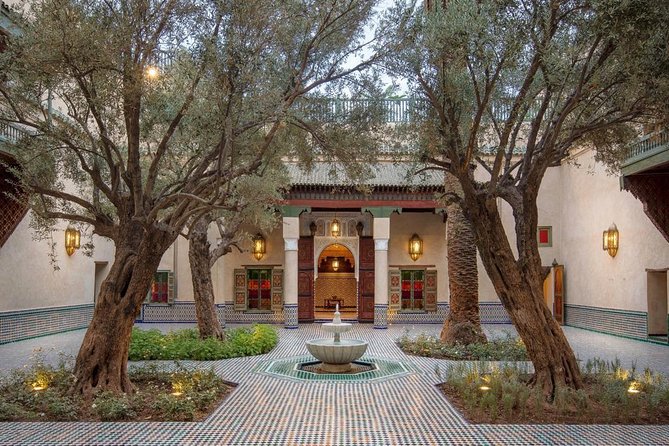
Your experience doesn’t end when you step away from the stovetops. You continue with the museum of Moroccan culinary art, located inside a restored riad in Marrakech.
What you’re looking at depends on the day and how the schedule flows, but based on what people highlighted, the museum experience helps you translate cooking into understanding. The exhibits show traditional recipes and cooking methods, and the place is built to explain food in a visual, process-focused way.
A lot of participants were wowed by the building itself—quiet, clean, and beautifully restored. Some even said it’s close to the Bahia Palace area, which makes it easy to understand the architectural context if you’re already touring that neighborhood. One person described the museum as recently renovated/opened around 2019 and noted it has multiple floors and a terrace.
Even when someone found the displays a little underwhelming, the general takeaway was that the museum makes a strong companion to the cooking class. You can connect what you learned—bread, spice dosing, dish types—to what you see: tools, tableware, and explanations of food traditions.
If you’re the kind of traveler who likes to understand a place, not just taste it, this part turns your class into something bigger.
Price and Time: Is $69.79 Worth It?
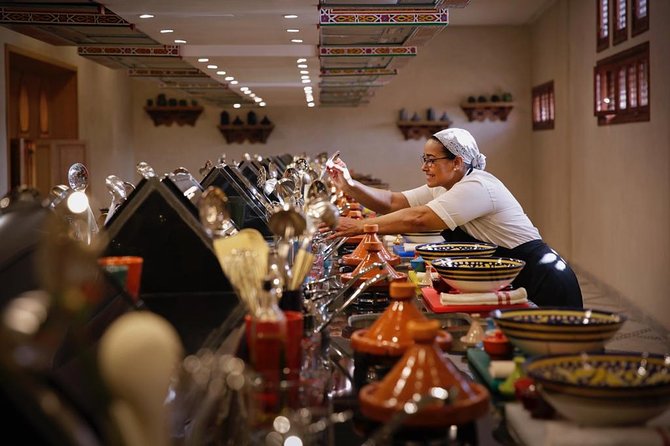
At about $69.79 per person for around 2 hours, this class isn’t trying to be a full-day food tour. It’s priced like a focused workshop: short enough to fit into a Marrakech itinerary, but structured enough to give you real hands-on learning.
Here’s why it’s good value for the right person:
- You get instruction plus a cooked meal, not just a demonstration.
- Bread making and spice origins give you more than one skill thread.
- Lunch and coffee/tea are listed as included, and bottled water is included too.
- The museum adds context, so you’re not just leaving with “I ate food,” you’re leaving with “I get why it’s made that way.”
Where it might not be perfect:
- If you’re expecting a longer cooking session (more courses, more dishes, or more time in the kitchen), the duration may feel brief. Some people also mentioned that doing the cooking class taught three courses looked different depending on availability—so if you’re booking last minute, manage expectations.
- If you’re very sensitive to language delivery, you’ll want to make sure your interpreter language matches what you expect.
Overall: for a time-smart traveler who loves food and wants technique, this is a strong deal.
Who This Is Best For (and Who Should Skip It)
This works best for you if you:
- Want a hands-on Moroccan cooking experience without a full-day commitment.
- Like learning how spices work, not just copying recipes.
- Plan to visit the Bahia Palace area or already like museum breaks between meals.
- Prefer smaller groups (max 34) and a kitchen designed for teaching.
You might consider another option if:
- You only want a museum, with no kitchen time.
- You strongly require English-only instruction and want zero chance of interpreter mix-ups.
- You’re mainly chasing a food tasting event and don’t care about cooking.
Practical Tips Before You Go
These are the details that help the experience run smoothly:
- Eat lightly beforehand. You’ll be cooking and then eating what you made on the terrace.
- Ask at the start what’s included for drinks (since bottled water and coffee/tea are listed but small reporting inconsistencies exist).
- If you care about wine, decide early. Moroccan wines are mentioned as optional, and alcoholic beverages are not included.
- Comfortable shoes help for the herbalist and bread-oven portion, which involves walking in a neighborhood setting.
And yes, bring your curiosity. Moroccan cuisine makes more sense when you notice the chain: spice → heat → texture → serving.
Should You Book This Marrakech Cooking and Culinary Museum Experience?
If you love food, this is a smart booking. You get a bread-and-spices foundation, a Dada-led cooking class structure in a real teaching kitchen, a tea ceremony, and then a meal on the terrace. The museum part makes it more than a quick souvenir of flavors—it helps you understand the “why” behind the dishes you’re tasting.
Book it if you want technique you can repeat at home and a Marrakech experience that stays calm and organized instead of rushing you through a checklist.
Skip or double-check details if your top priority is long cooking time, English-only delivery with no ambiguity, or if you’re only interested in the museum exhibits. In those cases, you may want a different format.
FAQ
How long is the Moroccan culinary cooking experience?
It lasts about 2 hours.
What’s included in the price?
Bottled water, lunch, and coffee and/or tea are included. Alcoholic beverages are not included.
Do I get to make Moroccan bread or just watch?
You get a Moroccan bread-making demonstration.
Is Moroccan tea part of the program?
Yes, a Moroccan tea ceremony is included.
Where does the experience start?
It starts at Moroccan Culinary Arts Museum, Rue Riad Zitoun el Jdid, Marrakesh 40000, Morocco, and ends back at the meeting point.
Can I cancel for a full refund?
Yes. You can cancel up to 24 hours in advance for a full refund. If you cancel within 24 hours of the start time, the amount paid isn’t refunded.