REVIEW · LIMA
Lima´s Vibrant Heritage & Larco Museum of Cultures Half Day Tour
Book on Viator →Operated by VIPAC Travel · Bookable on Viator
A half-day that packs real Lima into one afternoon. This tour blends Historic Center landmarks with a top-notch Museo Larco visit, so you’re not stuck choosing between churches and culture.
I especially like the way the guide ties buildings to people and stories, not just dates and names. At Santo Domingo, you’ll hear about the convent’s link to the San Marcos University legacy (the oldest in the Americas) and get a clear picture of who’s connected to the site, including San Martín de Porres and Santa Rosa de Lima. I also love how the Larco Museum visit includes time in the big ceramic warehouse-style displays, where faces, fruits, birds, and everyday objects are shown in a way that’s easy to understand.
One consideration: there’s a strict dress code for places of worship and selected museums—no shorts or sleeveless tops—so plan your outfit early or you risk being turned away.
In This Review
- What You’ll Remember Most
- A Tight 4-Hour Loop With Hotel Pickup That Actually Helps
- Stop 1: Santo Domingo Convent and the San Marcos University Legacy
- Stop 2: Lima Cathedral by the Plaza Mayor—Art With a Story
- Stop 3: Museo Larco—Pottery Warehouse Displays That Click Fast
- What the $69 Price Really Covers (and Why It’s Fair)
- The Guide Makes or Breaks It: Susanne, Gabriel, Daniel
- Small-Group Pace: Good for First-Timers, Not Ideal for Ultra-Solo Days
- Dress Code and Visit Timing: The Two Things That Can Surprise You
- Should You Book the Lima Heritage & Larco Half-Day Tour?
- FAQ
- What’s included in the $69 ticket?
- Where do you get picked up from in Lima?
- How long is the tour, and how big is the group?
- What happens if the cathedral is closed on my day?
- Is there a dress code?
- Is this tour suitable for most travelers?
What You’ll Remember Most
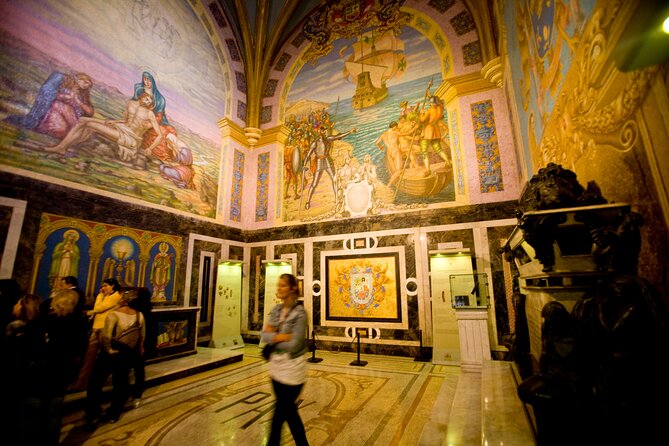
- Santo Domingo Convent connections to the earliest Lima education and revered local saints
- Lima Cathedral time with guided context, especially the religious art linked to major moments in the city’s past
- Museo Larco ceramics up close, including the museum’s standout warehouse-style pottery displays
- Hotel pickup convenience from Miraflores or San Isidro, plus air-conditioned round-trip transport
- Small group size (max 15) for questions and a smoother pace than large buses
A Tight 4-Hour Loop With Hotel Pickup That Actually Helps
This is built for your first days in Lima—or for any day when you don’t want to plan. You start with round-trip transport from Miraflores or San Isidro hotels, and you’re in and out in about 4 hours. For many visitors, that’s the sweet spot: long enough to feel you did something meaningful, short enough that you can still enjoy Lima’s evenings.
The group stays small, with a maximum of 15 travelers, which matters more than it sounds. With a smaller group, guides can keep track of pace and questions without everyone getting rushed through photo stops.
Also, the transport is air-conditioned. Lima traffic can be unpredictable, and it’s nice to know the ride won’t add to the misery.
You can also read our reviews of more tours and experiences in Lima.
Stop 1: Santo Domingo Convent and the San Marcos University Legacy
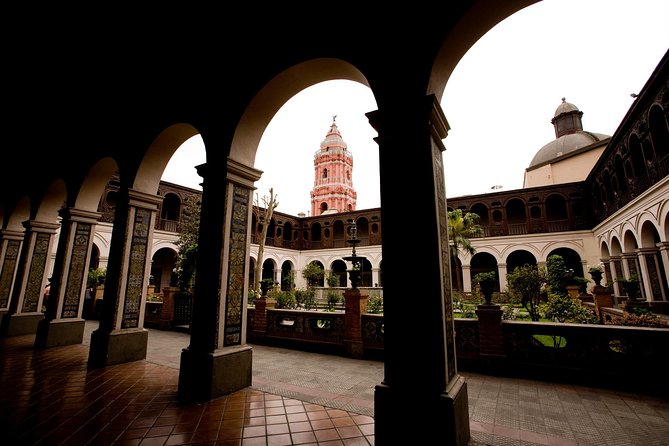
Your first big stop is the Basilica and Convent of Santo Domingo, a centerpiece of Lima’s Historic Center. This place carries layers. It’s religious, yes, but it also sits at the heart of Lima’s early institutions—especially the convent’s connection to San Marcos University, known as the oldest university in the Americas.
Here are the details that make this stop worth giving your attention:
- You’ll walk through historic corridors tied to the convent’s older educational role.
- You can see the kind of artifacts that make the past feel physical, like the mention of the country’s oldest chairs.
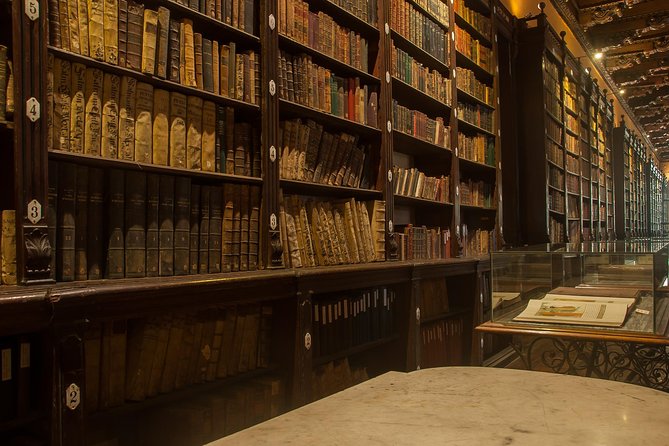
- You’ll also hear about a library with about 25,000 rare volumes, including books dating back to the 15th century.
And it’s not just academic. This is also a saint-centered site. You’ll learn about the spiritual legacy connected to figures like San Martín de Porres and Santa Rosa de Lima, both strongly associated with Lima’s religious history.
One extra thing to keep in mind: one part of this experience can include learning about the cemetery under the church. That specific detail may depend on how access is arranged during your visit, but it’s the kind of stop that turns a church visit into something more personal and eerie-in-a-good-way—in the sense that it makes you think about who walked these spaces before you.
Dress code note: this is one of the places where your outfit matters most. No shorts or sleeveless tops. If you’re even slightly on the fence, pick something lightweight but fully covered.
Stop 2: Lima Cathedral by the Plaza Mayor—Art With a Story
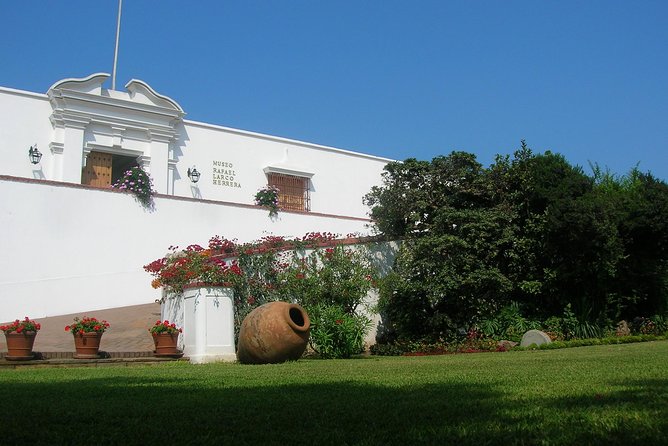
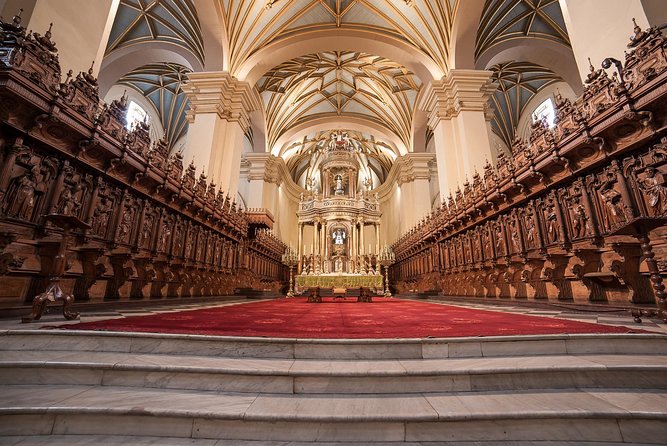
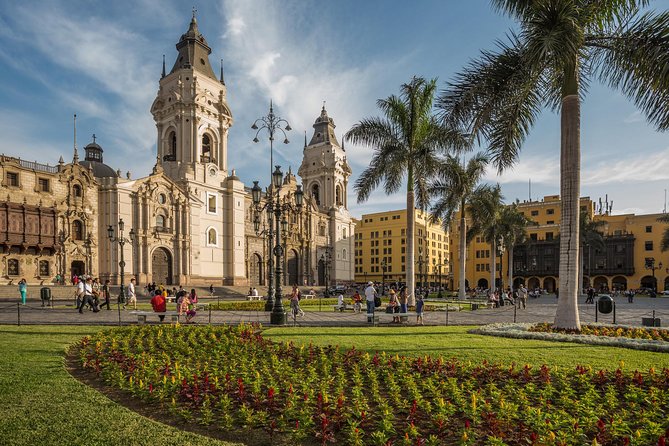
Next comes Lima Cathedral (Catedral de Lima). The location matters because you’ll be starting from the main plaza area, which is where Lima’s public life and official history intersect. From there, the cathedral visit focuses on religious art and how it links to key chapters in the city’s legacy, including references to Francisco Pizarro.
Here’s what I think makes cathedral tours work well—or fall flat. When it’s just “look at that dome,” it’s a blur. But when the guide connects specific artworks to events and people, the cathedral becomes a living timeline.
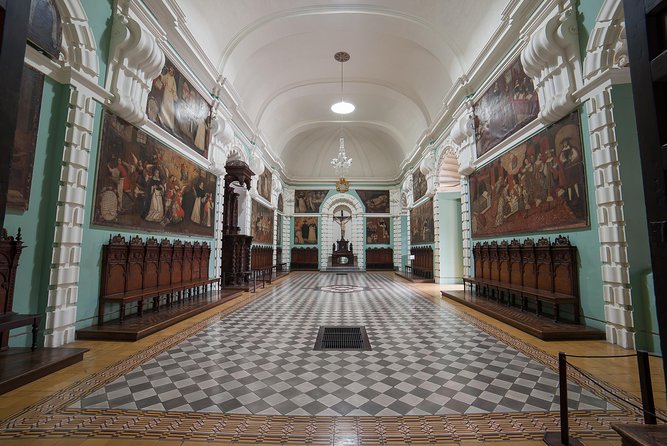
On this tour, you’re guided through the cathedral’s treasures with explanations meant to make the paintings and religious art make sense. That’s where the guide’s role becomes essential. A good guide helps you notice what you’d otherwise miss: symbols, styles, and why certain works were placed where they are.
Timing consideration: the cathedral has closures on certain days and times, including Saturday afternoons and Sunday mornings (plus some holidays). If your tour falls into that window, you won’t be left without a plan—you’ll visit the MALI Museum instead. That replacement can be a relief if you worry about wasting time due to closures.
Stop 3: Museo Larco—Pottery Warehouse Displays That Click Fast
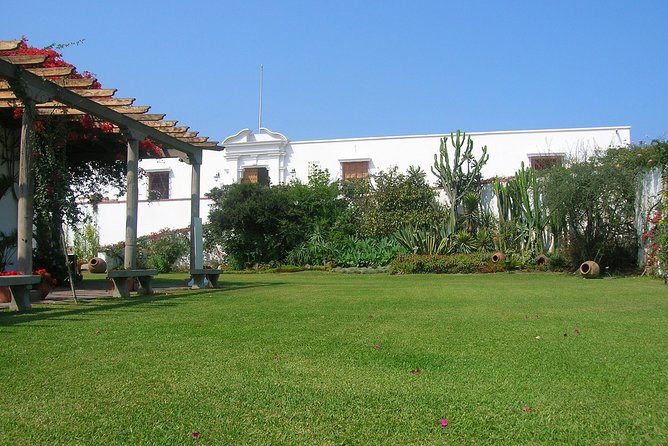
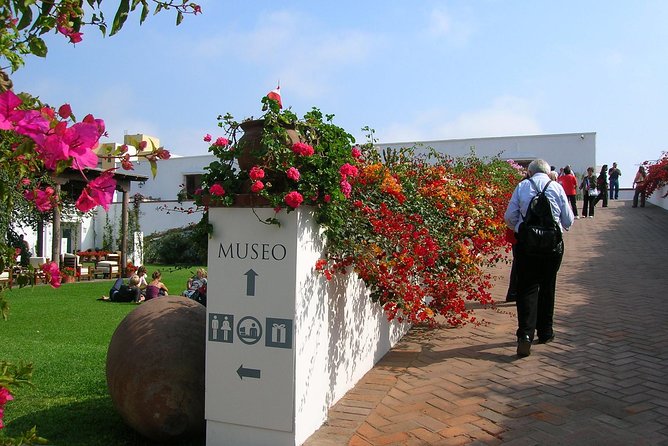
Then you head to Museo Larco. It’s about a 30-minute drive from Lima’s city center, which is long enough to give your feet a rest, but short enough that the day stays tight and focused.
Museo Larco is famous, but the best part of visiting it on a guided half-day is that you don’t get lost trying to decide what to see. You go with a plan—and you’ll get your time in the displays that most visitors don’t realize they should prioritize.
The standout detail here is the ceramics collection. The museum includes warehouse-style displays where you can see large groupings of pottery:
- faces and figures
- objects of daily life
- fruits and birds
- all sorts of imagery that make it easier to connect art to ancient culture
What I like about this approach is that it helps you interpret the collection quickly. Even if you know nothing about pre-Incan cultures going in, you can still read the human side of what you’re seeing. The guided explanations help you notice patterns and themes, rather than treating each piece like a separate museum poster.
If you’re deciding whether to do Larco on your trip, here’s the practical angle: this is one of the places where guided time genuinely improves your visit. You’ll understand more in less time, and you’ll leave with a clearer picture of what the artifacts are saying.
What the $69 Price Really Covers (and Why It’s Fair)
This tour costs $69 per person for about 4 hours, including:
- air-conditioned transportation
- an expert guide
- entrance fees to Santo Domingo Convent, Lima Cathedral, and Museo Larco
So you’re not paying extra for the “must-see” components. In Lima, admissions and taxi rides add up fast—especially if you’re doing these stops on your own and trying to coordinate timing. Having transport lined up plus guided entry can be a genuine value.
Is it the cheapest option? Probably not. But you are buying convenience and time discipline. You’re also buying the guide’s ability to connect architecture and art to stories, which is the difference between seeing a cathedral and understanding why it matters.
There are also tips to think about. The tour itself includes admissions and transport, but you’ll likely want to plan for gratuities based on your group experience and your guide’s effort.
The Guide Makes or Breaks It: Susanne, Gabriel, Daniel
This is one of those tours where the guide can turn “a checklist” into a real afternoon.
From examples shared by previous guests, guides such as Susanne, Gabriel, and Daniel are praised for:
- clear English and steady explanations
- turning cathedral paintings and museum artifacts into stories you can actually picture
- staying patient and helpful, including assisting with planning logistics for the next stop after the tour
Even if you don’t name your favorite guide the moment you get home, the impact matters: you should leave feeling like you understood what you saw, not just that you walked through it.
Small-Group Pace: Good for First-Timers, Not Ideal for Ultra-Solo Days
This half-day tour is usually a good fit if you:
- want a strong introduction to Lima’s Historic Center
- care about architecture, art, and culture more than shopping
- prefer guided context rather than solo wandering
The small group size (max 15) helps a lot, especially in places that require lines and timed entry. The downside is that you’re on the tour schedule. If you hate group pacing or want total freedom to linger, you may prefer a self-guided plan.
Still, for most people, this works nicely. Four hours lets you see major highlights without turning your entire day into a museum shuffle.
Dress Code and Visit Timing: The Two Things That Can Surprise You
Let’s talk about the two practical issues that can affect your experience.
1) Dress code rules are real.
For places of worship and selected museums, you need to cover up: no shorts or sleeveless tops. If you show up dressed for comfort but not compliance, you could be refused entry. Bring a layer you’re comfortable moving in, and you’ll be fine.
2) Cathedral hours can change your stop.
The cathedral is closed on some holidays, plus Saturday afternoons and Sunday mornings. If your departure time lands in that range, the tour switches to MALI Museum. That’s a smart backup plan, but it still means your day’s vibe might shift from cathedral-focused to museum-focused.
Should You Book the Lima Heritage & Larco Half-Day Tour?
I’d book this if you want a guided sampler that hits big Lima highlights in one go. It’s a strong choice for first-timers because it covers the city’s core spiritual architecture and pairs it with Museo Larco, one of Peru’s most talked-about museum experiences.
You should think twice if:
- you’re not willing to follow the dress code
- you’re traveling on a day when you’d be disappointed if the cathedral gets swapped for MALI
- you prefer going totally at your own pace with no schedule
For most visitors, though, the value is clear: transport + admissions + guided storytelling in a manageable 4-hour window, with a group size kept small.
If you’re in Lima for a short time, this is a very solid way to start feeling like you understand the city—one convent corridor, one cathedral artwork, and one pottery wall at a time.
FAQ
What’s included in the $69 ticket?
The price includes round-trip transportation with air conditioning, an expert guide, and entrance fees to the Basilica Catedral de Lima, the Santo Domingo Convent, and Museo Larco.
Where do you get picked up from in Lima?
Pickup is offered from hotels in Miraflores or San Isidro, with hassle-free round-trip transport.
How long is the tour, and how big is the group?
The tour lasts about 4 hours. The group size is capped at a maximum of 15 travelers.
What happens if the cathedral is closed on my day?
If your tour time falls on days when the cathedral is closed—such as Saturday afternoons and Sunday mornings, or certain holidays—you’ll visit the MALI Museum instead.
Is there a dress code?
Yes. A dress code is required for places of worship and selected museums. No shorts or sleeveless tops are allowed, and entry may be refused if you don’t comply.
Is this tour suitable for most travelers?
Most travelers can participate, and it’s described as having general suitability for a wide range of visitors.