REVIEW · AMSTERDAM
Amsterdam: Historic Tram Ride on Heritage Line to Amstelveen
Book on GetYourGuide →Operated by Electrische Museumtramlijn Amsterdam · Bookable on GetYourGuide
There’s nothing like riding history. On this Amsterdam heritage tram ride to Amstelveen, you’ll roll along a track that’s over 100 years old, and I love the ticket punching ritual and the whistle-and-bell departure moments. One heads-up: the route can feel a bit quiet if you’re hoping for nonstop big-city sights the whole way.
What really makes it fun is the old-school feel on a fully restored tram car, plus the chance to hop off at spots like the Olympic Stadion, Amsterdam Forest, lake Bosbaan, Heemtuinen wildlife garden, and the redbrick Old Village. Just know this isn’t a smooth, sit-forever tour for everyone; it’s not suitable for people with motion sickness or mobility impairments.
In This Review
- Key highlights to look forward to
- Old-time tram charm on Lijn 30
- A note on the “seeing” part
- Price and value: why $9 can feel like a steal
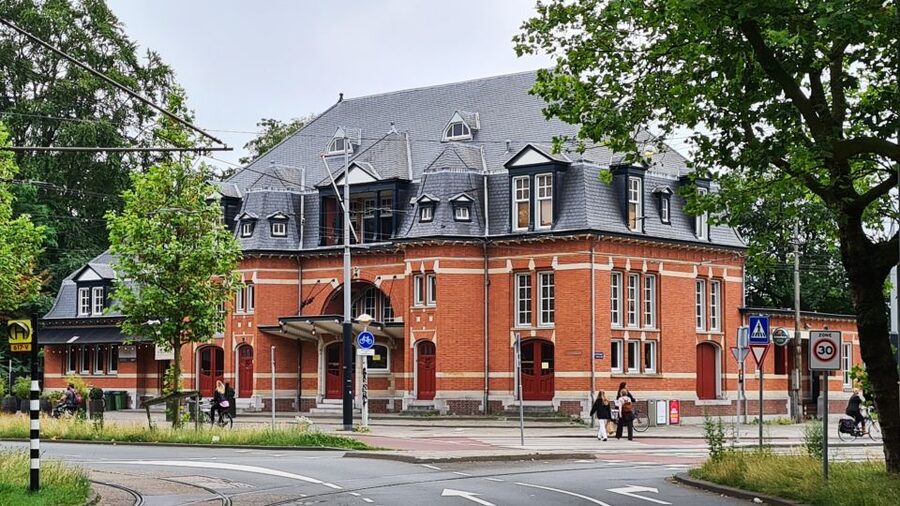
- Where to start: Haarlemmermeerstation’s Tramshop
- What it’s really like onboard: ticket punching, calls, and signals
- Conductor-run ticket punching
- Whistle, bell, and stop callouts
- Crossings and the “work” of a tram line
- At the terminus: preparing for the return
- The Amstelveen stops: where to hop off (and what each one is good for)
- Olympic Stadion stop: good for a quick city-style break
- Amsterdam Forest: best for fresh air without leaving town
- Lake Bosbaan: where the scenery does the work
- Heemtuinen wildlife garden: for quiet nature watching
- Old Village (redbrick buildings): the “time travel” vibe
- Timing and pacing: how to plan your hour
- Rules and comfort: what’s allowed, what isn’t, and who should skip it
- What you can’t bring on
- Who might find it tough
- Strollers
- Should you book? My decision guide
- FAQ
- Where do I exchange my ticket for the tram ride?
- What does the price include?
- How long is the tram ride?
- Can I choose to get off at stops during the ride?
- What happens at the terminus station in Amstelveen?
- Is food or drink allowed on the tram?
- Is this tram ride suitable for wheelchair users?
- Are there rules about smoking, alcohol, or drugs?
Key highlights to look forward to
- Conductor-run tradition with your ticket punched onboard
- Old-time sounds: whistle, bell, and the tram’s hum
- Historic track experience that’s over 100 years old
- Photo-and-walk stop options in Amstelveen (forest, lake, gardens, village)
- Real operational details like stop callouts and crossings secured with red flags
Old-time tram charm on Lijn 30
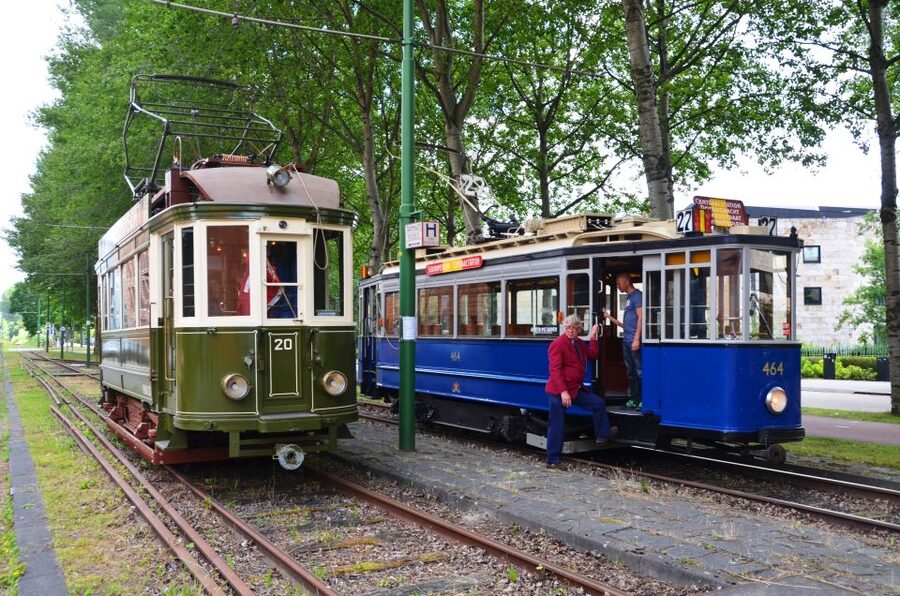
If you like rail nerd energy, this is your kind of ticket. This is the Lijn 30 tram ride between Haarlemmermeerstation and Amstelveen, run on a historic line. The best part isn’t just that it’s old—it’s that it acts old in the ways that matter.
You start with the basics: conductor-style service. Expect classic onboard routines where a conductor signals departure readiness and handles ticket punching. You’re not just watching a show; you’re part of the process. That old-school ticket punch is quick, satisfying, and very different from scanning a QR code and moving on.
Then there’s the soundscape. You’ll hear the tram’s hum, the ringing bell, and the whistle used as a signal before the driver is ready to move. Even if you’ve ridden modern trams in Amsterdam before, this one lands in a different place because it feels like a working museum—not a themed bus.
You can also read our reviews of more tours and experiences in Amsterdam.


A note on the “seeing” part
This is still a tram ride. Some stretches give you calm views and a chance to relax. If you’re expecting constant Amsterdam highlights along the tracks, adjust your expectations. The tram itself and the onboard rituals are the main event.
Price and value: why $9 can feel like a steal
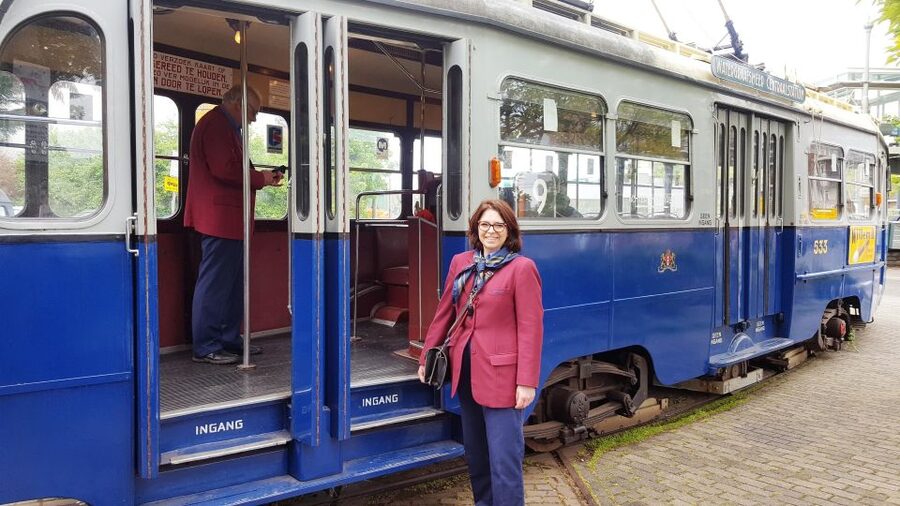
At about $9 per person for a roundtrip on a heritage line, the value is in what you’re actually getting: a real historic tram experience with a return ticket included.
There’s also a practical advantage. You’re not paying extra for entry fees to multiple sites. Instead, you get transportation with optional exploration stops built in—forest, lake, wildlife garden, and a historic-style village area. If you’re the type who likes “ride out, get off, walk around, ride back,” this pricing makes sense fast.
You should still think about what you’ll do at stops. If you stay on the tram the whole hour and don’t explore, you’re basically paying for the ride and the onboard experience. If you hop off for even one short walk, the ticket starts feeling much more worth it.
Where to start: Haarlemmermeerstation’s Tramshop
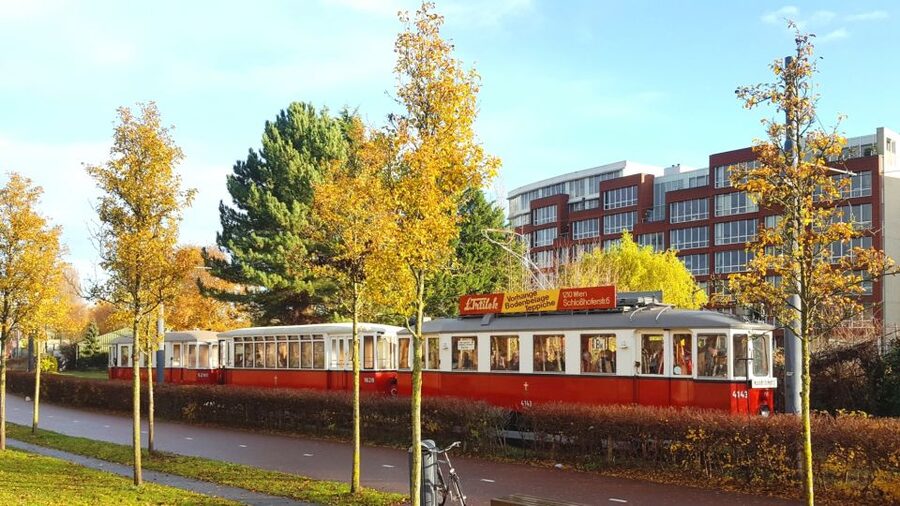
The start point is straightforward, but pay attention to the first step. You’ll exchange your ticket in the Tramshop at Haarlemmermeerstation, and then staff guide you from there to the tram.
That matters because this activity isn’t just “find a platform and board.” You’re entering a small process: ticket exchange first, then the guided walk to the tram cars. It’s an easy setup, but it’s worth arriving early enough to do the exchange without rushing.
The good news: the activity ends back at the meeting point, so you don’t need a second plan for getting home from the other side of the line.
What it’s really like onboard: ticket punching, calls, and signals
This ride leans hard into how trams used to operate, and the details are where it shines.




Conductor-run ticket punching
Your ticket is punched by the conductor. It’s quick, visible, and unmistakably old-fashioned. If you care about authentic touches, this is one of the strongest parts of the experience.
Whistle, bell, and stop callouts
As you ride, watch for the conductor’s signals—whistle and bell are used to communicate readiness before departure. Stops are called out by staff, and that’s your cue to decide whether you want to stay onboard or get off.
Crossings and the “work” of a tram line
One of the more interesting operational details is how crossings are handled, including the use of red flags to secure crossings. It’s the kind of thing you’d never notice on a modern system unless someone pointed it out. Here, you get the practical view of how the line functions.
At the terminus: preparing for the return
When you reach the end of the line in Amstelveen, the tram is prepared for the return journey. It’s not just arrival and then done—you’ll see the setup for heading back to Amsterdam.
One consideration: at the terminus, you may need to temporarily exit the vehicle or change vehicles. That’s not something you can plan your day around in advance, so give yourself a little buffer and keep your belongings easy to grab.
The Amstelveen stops: where to hop off (and what each one is good for)
You’ve got multiple options in Amstelveen, and the ride is set up so you can tailor how active you want to be. The key is to use the stop callouts to decide on the fly.
Here are the stops that can shape your experience:
Olympic Stadion stop: good for a quick city-style break
This is the stop most likely to feel urban and structured, since it’s tied to a well-known stadium area. If you want a short walk with fewer “nature rules,” this can be a simple choice.
Potential downside: it may not offer the same calm, outdoorsy feel as the lake or forest stops.
Amsterdam Forest: best for fresh air without leaving town
If your idea of a good tram stop is stepping out into green air, Amsterdam Forest is where you’ll want to aim. This is ideal when you want a break from street-level Amsterdam energy.
Even if you don’t go far, just stepping into a forest edge area can make the tram ride feel like more than a novelty.
Lake Bosbaan: where the scenery does the work
Lake Bosbaan is a strong choice if you want views that change as you walk. A lake stop turns your tram trip from a transit experience into something closer to a mini outing.
Practical tip: plan to use the stop as a short roam. You don’t want to sprint around trying to see everything—think “walk, breathe, enjoy the water,” then return to the tram when it’s time to move on.
Heemtuinen wildlife garden: for quiet nature watching
Heemtuinen wildlife garden is a good pick if you prefer smaller, calmer outdoor moments over big scenic overlooks. It’s the stop that feels most about slow observation.
It’s also great if you’re traveling with someone who likes nature but doesn’t want a long hike.
Old Village (redbrick buildings): the “time travel” vibe
The Old Village stop gives you that redbrick look that helps tie the heritage tram theme to the area around it. This is where you can get small visual payoffs without needing complicated planning.
If you like your tram day to feel like a cohesive story—historic ride, historic-feeling stop—this is the one that makes the whole trip click.
Timing and pacing: how to plan your hour
The ride is listed as about 1 hour total, and the exact starting times depend on availability. That means you should pick a departure time that fits your day rather than treating it like a flexible drop-in.
A helpful way to think about this: this is not a full-day “see everything around Amsterdam” transport plan. It’s a focused heritage ride with optional stop time. If you want nature walks, pick a stop that matches your interest and be realistic about how long you’ll spend outside before you need to get back.
Also remember: if the terminus involves a temporary exit or vehicle change, you’ll want to stay attentive when staff guide movement on the platform area. Don’t load up complicated side errands in the same time window.
Rules and comfort: what’s allowed, what isn’t, and who should skip it
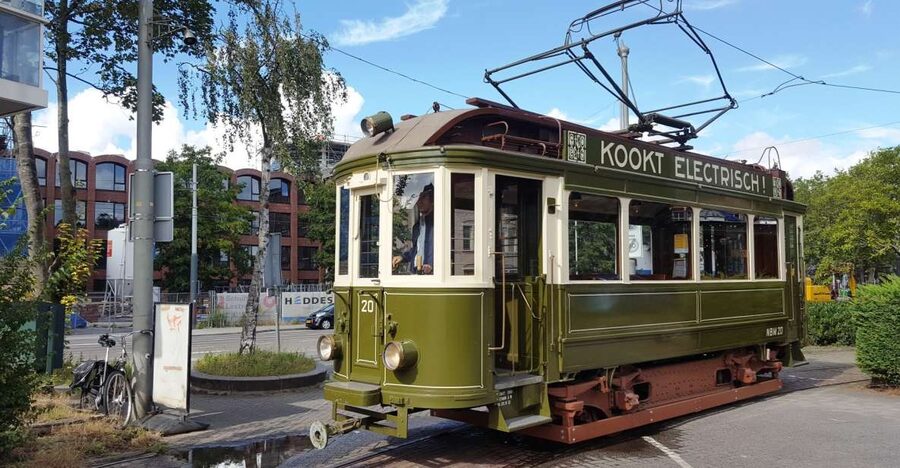
This is a tram ride, so you’ll find the typical onboard restrictions—plus a few things worth knowing.
What you can’t bring on
Food and drinks are not allowed onboard. Smoking is not allowed. Alcohol and drugs are not allowed. Non-folding strollers and non-folding wheelchairs are not allowed, and electric wheelchairs are not allowed.
If you’re the kind of person who likes to sip a drink while you ride, you’ll need to plan that ahead—save it for after you get off.
Who might find it tough
This ride is not suitable for:
- Wheelchair users
- People with motion sickness
- People with mobility impairments
If you’re unsure about comfort, treat this as a transit experience where your body needs to handle tram seating and movement. The “heritage” part can mean less flexibility than modern vehicles.
Strollers
Non-folding strollers aren’t allowed, so if you’re traveling with a small child and a stroller, you’ll want to check whether your stroller qualifies as allowed.
Should you book? My decision guide
Book this if you want an authentic, old-fashioned tram experience with a real conductor, classic onboard sounds, and the chance to get off at nature and village-style stops in Amstelveen. It’s also a great fit for families old enough to enjoy the novelty of ticket punching and for anyone who likes trains as much as views.
Skip it if you need step-by-step accessibility, if you get motion sick, or if you’re mainly looking for nonstop landmark sightseeing along the route. This trip is about the heritage ride and the stops—not about covering every major city icon in one hour.
FAQ
Where do I exchange my ticket for the tram ride?
You exchange your ticket in the Tramshop at Haarlemmermeerstation. After exchanging, you’ll be guided to the trams for your ride.
What does the price include?
The price includes a return ticket from Haarlemmermeerstation (Amsterdam) to Amstelveen.
How long is the tram ride?
The duration is about 1 hour. Starting times depend on availability.
Can I choose to get off at stops during the ride?
Yes. Stops include places like the Olympic Stadion, Amsterdam Forest, lake Bosbaan, Heemtuinen wildlife garden, and the Old Village, and you can decide whether to get off at those stops.
What happens at the terminus station in Amstelveen?
At the terminus, the tram is prepared for the return journey. It’s possible you may temporarily need to exit or change vehicles.
Is food or drink allowed on the tram?
No. Food and drinks are not allowed in the vehicle.
Is this tram ride suitable for wheelchair users?
No. It’s not suitable for wheelchair users, and electric wheelchairs are also not allowed.
Are there rules about smoking, alcohol, or drugs?
Yes. Smoking is not allowed, and alcohol and drugs are not allowed.