REVIEW · AMSTERDAM
Small-Group Women’s History Tour in Amsterdam
Book on Viator →Operated by Badass Tours · Bookable on Viator
Women’s stories change how you see Amsterdam. This 2-hour walk turns the usual canal postcard version of the city into street-level storytelling led by a trained storyteller. It’s small too, with a maximum of 12 people, which means you actually get to ask questions and follow the plot.
I love how the stories go past the usual shortcuts. Instead of only focusing on working women or Dutch feminists, you’ll hear a range of roles, from cultural influence to high-stakes social change. The guide also clearly knows how to connect the past to the buildings you’re standing beside.
One consideration: this is a walking tour that runs on good weather, so plan for some time outdoors and expect to move at a steady pace.
In This Review
- Key highlights you’ll care about
- Amsterdam, but told through the women who shaped it
- Starting at Prins Hendrikkade and getting oriented by Centraal Station
- Beurs van Berlage: women responding to both the old and the new stock exchange
- Dam Square: the hustle, plus one salacious story told tastefully
- Beurspoortje: motorcycles, an early gay bar, and dark comedy with Nazis
- Nes: theater streets and a woman who was a first in the Americas
- Queen Wilhelmina’s statue: a first queen regnant and the politics of “rule”
- Rokin: the Miracle of Amsterdam and the Women’s Riot connection
- Begijnhof finish: closing in a women’s enclave (when it’s open)
- Price, time, and what your money is really buying
- Who this tour suits best (and who might want to pick something else)
- Should you book Small-Group Women’s History in Amsterdam?
- FAQ
- How long is the Small-Group Women’s History Tour in Amsterdam?
- What does the tour cost?
- How big is the group?
- Where do I meet, and where does the tour end?
- Is a mobile ticket included?
- Is admission required at the stops?
- Are service animals allowed?
- Do I get confirmation after booking right away?
- What happens if the weather is poor?
Key highlights you’ll care about
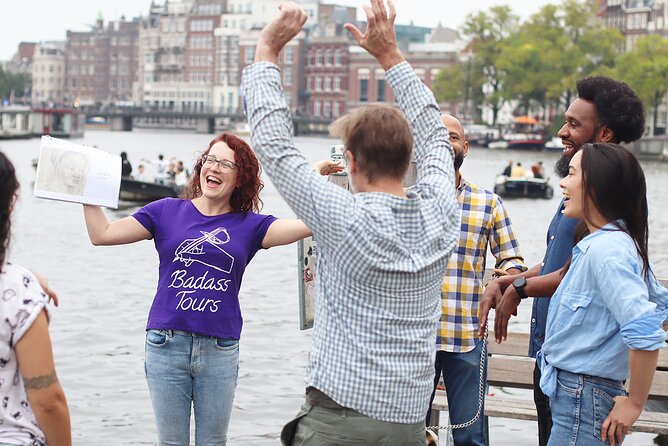
- Women in power across centuries: Not just one theme—expect politics, culture, and bold resistance.
- A story-driven route through landmarks: You’ll hit eight specific stops tied to each character.
- Small group energy (max 12): It feels personal, not like a moving lecture hall.
- Edgy stories, tasteful tone: Scandal and dark comedy show up, but the tour keeps it fun and respectful.
- A peaceful ending at Begijnhof: You finish in a quiet enclave after the busiest streets.
Amsterdam, but told through the women who shaped it

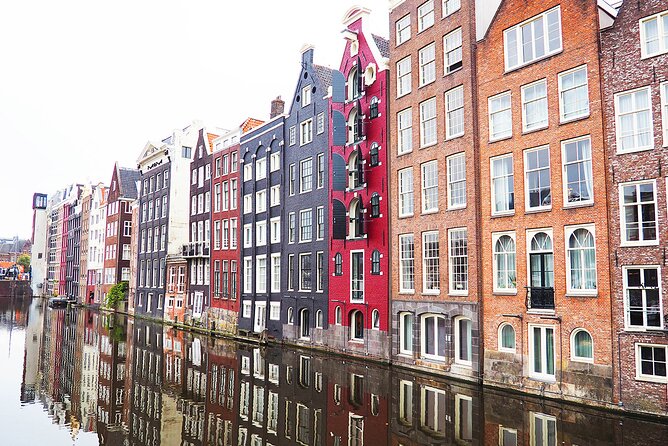
Amsterdam is easy to romanticize. Narrow houses, canals, bikes everywhere. The problem is that history often gets flattened into a few familiar headlines.
This tour fights that flattening. You’re guided through the historic center with a focus on women’s history that covers a wide variety of lives and motivations. You’ll hear that women changed society, influenced culture, and even defied earthly and spiritual powers—while pushing against real structural resistance.
I also like the tone. The guide is a storyteller first, an Amsterdam history nerd second (and sometimes both at once). When the tour works, it doesn’t feel like memorizing facts. It feels like you’re watching Amsterdam’s characters step onto the street.
You can also read our reviews of more tours and experiences in Amsterdam.


Starting at Prins Hendrikkade and getting oriented by Centraal Station
You begin at Prins Hendrikkade 48, in the 1012 area. The start point puts you near the old harbor, across from the iconic Centraal Station.
This first stop matters because it sets the mental map. You’re not just learning where you are—you’re learning how Amsterdam grew and where people moved. Even if you’ve already seen Centraal Station photos, the tour nudges you to look at it like a gateway to the city’s larger story.
There’s also a practical win here: you can easily reach the start using public transportation, so you don’t have to plan a complicated approach.
Beurs van Berlage: women responding to both the old and the new stock exchange
Next you head to Beurs van Berlage. This stop is built around two female fighters whose stories connect to Amsterdam’s stock exchanges—the newer one and the older one now used as an event hall.
Why is this a smart choice? Because it places women in the language of finance and power. You’re not hearing only about domestic life or protest slogans. You’re being shown that economic spaces and public institutions mattered—and that women fought back there too.
The tour spends about 15 minutes here, which is long enough to make the symbolism land. You’ll look at the building, then let the story explain why it mattered that these fighters pushed into spaces that were not designed for them.
Tip for your photos: stand so you can see architectural details around the square opening. Even if you’re not an architecture person, the tour makes those shapes feel important.
Dam Square: the hustle, plus one salacious story told tastefully
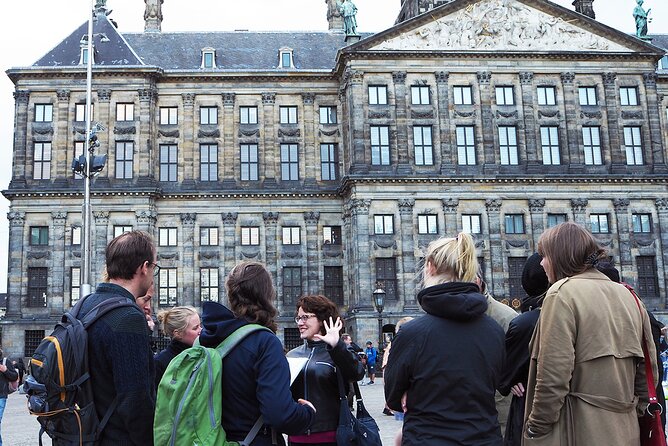
Dam Square is where Amsterdam shows its loud face. You get the noise, the crowds, the energy—then the guide turns that into one of the most talked-about storytelling moments.
The tour promises one of its most salacious stories, but it’s described as tasteful. That wording is useful. It signals that you’re in for a slightly edgy slice of history, not crude shock value.
This stop is about 10 minutes. That’s good because Dam Square can swallow time fast if you’re wandering. Here, you get just enough story to make the square feel like more than a photo stop.
Possible drawback: because Dam Square is busy, it can be harder to hear every word if you’re near a group that’s moving slowly. Aim for a spot where the guide can see you clearly and you can face them without turning your whole body.
Beurspoortje: motorcycles, an early gay bar, and dark comedy with Nazis
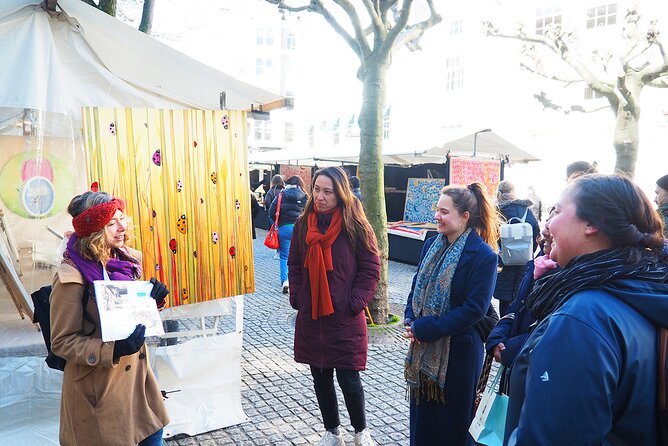
From Dam Square, the route continues to Beurspoortje. This is one of the tour’s more vivid stops, centered on a favorite badass story with motorcycles, Amsterdam’s first modern gay bar, and a darkly comic detail about drinking Nazis under the table.
That mix is exactly why this tour feels different from many women-focused walking tours. Instead of only emphasizing grief or hardship, the stories also include cleverness, humor, and survival tactics. Amsterdam history becomes less solemn and more human.
You’ll spend about 10 minutes here. It’s a short time, but the character detail is specific enough that you’ll remember the imagery: the street setting plus the story’s weird-and-true twists.
If you like nightlife history or you’re into stories that show how people carved community in hostile environments, this will likely be a favorite moment.






Nes: theater streets and a woman who was a first in the Americas
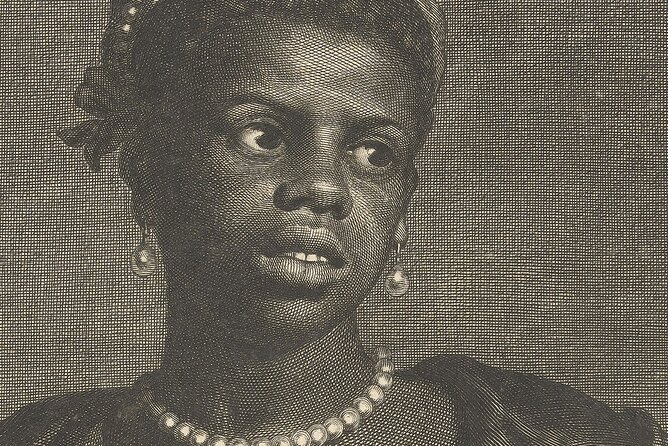
Next is Nes, a hub for cutting-edge theater. This stop focuses on powerful women, including the first Black female millionaire in the Americas—plus a hint that she wasn’t in the US.
That hint alone is a great way to reset your expectations. You’re forced to think about the word Americas as a wider map than many people assume. And you’re reminded that wealth, influence, and business history can be part of women’s stories too.
The tour allocates about 20 minutes here, which is the longest stop after Centraal and Beurspoortje. That longer time usually signals a richer story thread—one that likely needs pacing to make sense. Expect the guide to connect the theater setting to the idea of public culture and visibility, not just performance.
Practical note: Nes is a lively area. If you have hearing sensitivity, stay close and listen for cues on where to stand and when to move.
Queen Wilhelmina’s statue: a first queen regnant and the politics of “rule”
You’ll then walk past the equestrian statue of Queen Wilhelmina. The tour frames it as a chance to learn about the Netherlands’ first Queen Regnant.
This stop works well for a simple reason: statues are easy to ignore. But a good guide turns them into shorthand. The statue becomes a clue about how authority was imagined, displayed, and remembered.
The stop is about 10 minutes. That’s enough for a clear story beat without dragging you through a lecture. You’ll come away with a better understanding of why the city literally puts certain leaders on pedestals.
If you tend to pass statues without reading plaques, this is a good moment to slow down. The story makes the stone and metal feel like part of public memory.
Rokin: the Miracle of Amsterdam and the Women’s Riot connection
Rokin comes next, and the tour leans into water history. You’ll walk along Amsterdam’s first main waterway while learning about the Miracle of Amsterdam and how it led to The Women’s Riot.
This is where the tour starts linking different kinds of power: economic power, cultural power, and civic power tied to infrastructure. Even if you don’t know the background already, the tour’s structure helps. You see the street, then you hear how the city’s water story shaped social tension.
It’s one of the best stops if you like historical cause-and-effect. The guide doesn’t just say women were involved. It connects events, the city’s development, and the moment people pushed back. That’s a valuable lens, because it helps you recognize how “local” history isn’t small.
You’ll spend about 20 minutes here. Use that time to look up at the buildings and across the waterway. When the guide mentions key ideas, try matching them to what you can see around you.
Begijnhof finish: closing in a women’s enclave (when it’s open)
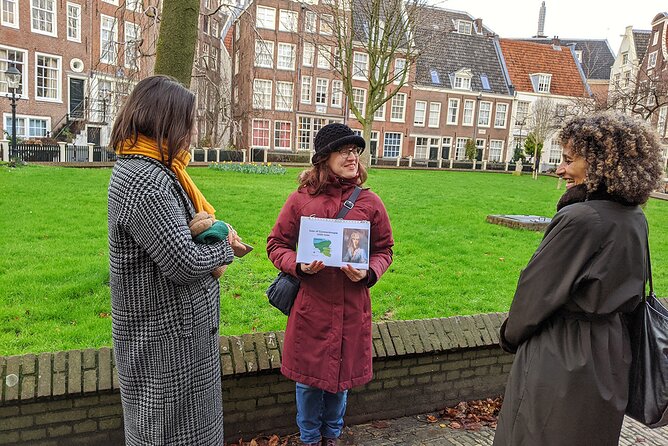
The tour ends at the Begijnhof area, outside it. The final stop is about 10 minutes and has a nice payoff: if you’re lucky, the Begijnhof will be open, giving you a chance to experience an idyllic women’s enclave in the heart of a noisy city.
This is the tour’s emotional punctuation mark. You go from busy streets and busy topics to a quieter space designed for women’s community life. Even just hearing about it makes you slow down.
Because it depends on whether it’s open, don’t plan on seeing it like a museum guarantee. But finishing here is still a great idea. You’ll leave with a sense of place, not just a list of stories.
Price, time, and what your money is really buying
The price is $47.47 per person for about 2 hours on a walking route with a small maximum group size of 12. That cost is less about admissions and more about the guide’s storytelling time, pacing, and research work.
Admission tickets at the stops are listed as free, so you’re not paying extra to enter each location. The value here comes from how the guide strings eight stops into one narrative arc instead of treating each landmark as disconnected trivia.
I also like that you get a mobile ticket. It’s usually one less thing to manage—helpful when you’re moving through busy public spaces.
If you’re visiting Amsterdam for a first full day, this tour can act like a fast orientation to themes and neighborhoods, without feeling like a standard “general highlights” walk.
Who this tour suits best (and who might want to pick something else)
This tour fits best if you want Amsterdam that feels human and specific. You’ll enjoy it if you like storytelling, if you care about women’s history as something broader than one narrow stereotype, and if you’re the type who notices street names and statues and wants them explained.
You’ll probably also like the edge in the stories. They’re described as salacious but tasteful, and the Beurspoortje story includes wild details like motorcycles and coded descriptions of early gay nightlife. That doesn’t mean the tour is crude. It means it’s not sanitized either.
Who might not love it? If you want quiet, strictly academic history with heavy documentary detail, this may feel more like narrative storytelling than research reading. And because it’s outdoors and weather-dependent, it’s not the best choice if you strongly dislike walking in open air.
Should you book Small-Group Women’s History in Amsterdam?
Yes, if you want a small-group, story-first way to understand Amsterdam through the women who shaped it across centuries. The route is paced for a short visit, and the choice of stops connects power, culture, money, and everyday civic life in a way that’s hard to get from a museum-only day.
Book it particularly if it’s your first day or you’re trying to break out of the standard Amsterdam routine. The ending at Begijnhof adds a calm finish that makes the whole experience feel complete.
Skip it only if you’re looking for a slow, indoor, museum-style experience or if you prefer strictly neutral, low-energy guiding. This tour has opinions, personality, and plot.
FAQ
How long is the Small-Group Women’s History Tour in Amsterdam?
It’s about 2 hours.
What does the tour cost?
The price is $47.47 per person.
How big is the group?
The tour has a maximum of 12 travelers.
Where do I meet, and where does the tour end?
Meet at Prins Hendrikkade 48, 1012 AC Amsterdam. The tour ends outside the Begijnhof, near Spui (1012 Amsterdam).
Is a mobile ticket included?
Yes, the tour includes a mobile ticket.
Is admission required at the stops?
Admission tickets at the listed stops are free.
Are service animals allowed?
Yes, service animals are allowed.
Do I get confirmation after booking right away?
You’ll receive confirmation at booking time unless you book within 2 days of travel, in which case confirmation is received within 48 hours, subject to availability.
What happens if the weather is poor?
The experience requires good weather. If it’s canceled due to poor weather, you’ll be offered a different date or a full refund.