REVIEW · NARA
Nara: UNESCO Heritage Sites & Deer Park Tour with Pro guide
Book on GetYourGuide →Operated by Trip with Goku · Bookable on GetYourGuide
Deer first, then the big Buddha. This tight 3-hour circuit packs Kasuga Taisha’s ancient forest vibe and the mind-blowing scale of Todai-ji’s bronze Buddha into one smooth, guided loop. I like that you get more than photos here: you get the why behind the shrines, the temple, and the traditions that still shape daily life in Nara.
I also like the small-group feel, capped at 10, with a real local guide who can answer questions on religion and Japanese culture in plain language. One possible drawback: there’s no hotel pickup, and you will be walking. If you have mobility limits or back trouble, this might not be the right fit.
In This Review
- Key things to know before you go
- First step: why this Nara tour feels different
- Meeting point at Himuro Shrine torii: get your bearings fast
- Nara Park deer feeding: fun, sacred, and not 100% free-for-all
- Kasuga Taisha: lanterns, cedar forest, and the feeling of continuity
- Todai-ji Great Buddha: the size you feel, not just see
- What you get from a local pro (and why it matters)
- Price and value: $83 for 3 hours, with key extras included
- Timing and pace: good for a short visit, not for zero-walking days
- Practical tips that make the day easier
- Who this tour suits best
- Should you book this Nara UNESCO tour with deer, shrine, and Great Buddha?
- FAQ
- Where do we meet for the tour
- How long is the Nara tour
- Is this a private tour or a group tour
- What’s included in the price
- What isn’t included
- Which languages are available for the live guide
- Are there rules about taking photos
- Is the tour suitable for wheelchair users or people with back problems
Key things to know before you go
- Small group (up to 10) keeps the tour from feeling rushed or chaotic.
- Deer feeding with shika-senbei turns Nara Park into an active, not passive, experience.
- Kasuga Taisha’s lanterns and forest explain how Shinto practice connects to place.
- Todai-ji’s Great Buddha scale hits harder when someone tells you what you’re actually seeing.
- Entrance fees and crackers included help the price feel more straightforward.
- Guides like Goku are praised for moving groups along efficiently and helping with next steps.
First step: why this Nara tour feels different
Nara is one of those places where it’s easy to wander, take pictures, and miss the meaning. A good guide changes that. Here, you’re not just ticking UNESCO boxes. You’re getting a guided path through Shinto and Buddhism that actually makes sense as you move from park to shrine to temple.
This tour is also timed well. Three hours doesn’t sound like much until you realize you’re covering Nara’s most iconic sites in a logical order, with guidance for what to notice along the way. That matters because Kasuga Taisha and Todai-ji can be busy, and it’s easy to lose time if you’re trying to figure out everything on your own.
You can also read our reviews of more tours and experiences in Nara.
Meeting point at Himuro Shrine torii: get your bearings fast
You meet at the red torii gate of Himuro Shrine. That’s a helpful detail because it gives you a clear physical reference point to aim for. Since hotel pickup and drop-off aren’t included, you’ll want to plan to arrive on your own and get there a few minutes early so you can start relaxed.
If you’re using transit, build in buffer time. Not because the tour is slow, but because temples and shrine areas often have small streets, walking-only zones, and lots of photo stops happening around you. Starting on time helps the guide keep the flow from park to shrine to temple.
Nara Park deer feeding: fun, sacred, and not 100% free-for-all
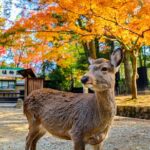
You begin at Nara Park, where the deer roam openly and calmly enough that you can feed them—if you do it the right way. The guide gives you special shika-senbei crackers and shows you how to handle the deer respectfully.
What I like about this part is that it’s not treated like a gimmick. You’re learning the connection between the deer and Shinto beliefs while you’re there. That changes how you interact. Instead of just laughing at deer photos, you notice things like how the park’s culture treats these animals as part of a sacred environment.
Practical reality check: these are friendly deer, but they’re still animals. You’ll want to follow the guide’s instructions closely—especially about where to stand and how to offer the crackers. Bring water, wear comfortable shoes, and be ready for that light sprinkle of chaos that comes with lots of deer and people in the same space.
Kasuga Taisha: lanterns, cedar forest, and the feeling of continuity
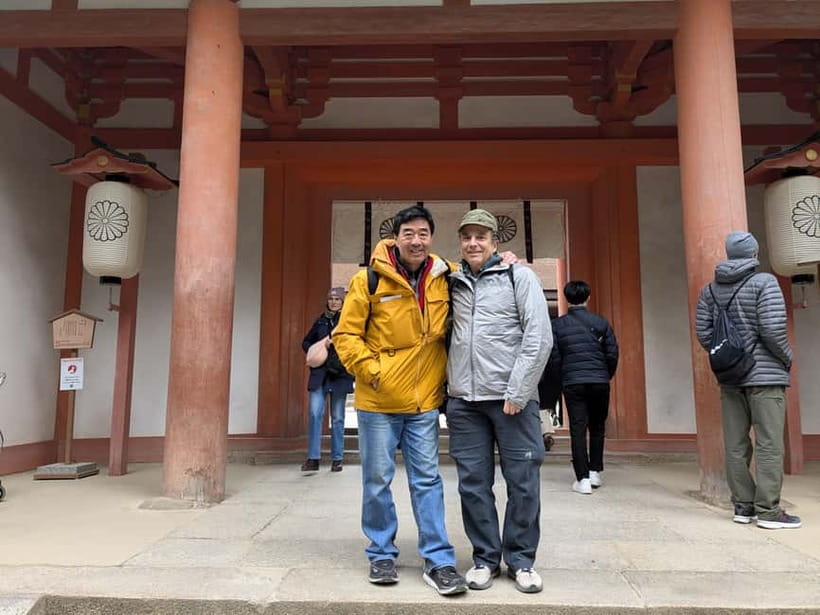
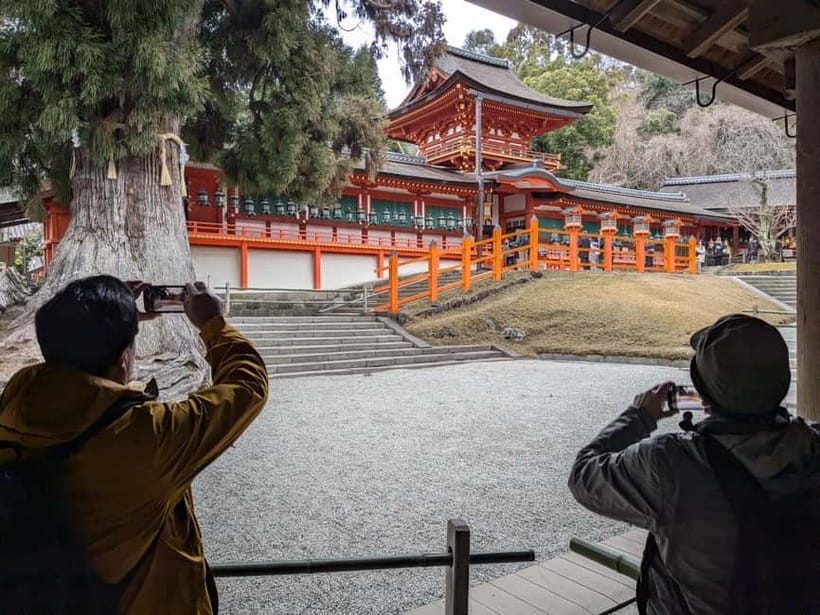
Next stop is Kasuga Taisha Shrine, one of Nara’s spiritual anchors. The tour’s focus here isn’t just what the shrine looks like. It’s the shrine’s meaning—plus the setting. Kasuga Taisha is surrounded by an ancient forest, and that matters more than you might think until you walk into it.
The forest does two things for your visit:
- It changes the sound and air around you, so the shrine feels quieter even when there are crowds.
- It reinforces the sense of long continuity, where the natural setting is part of the religious experience.
Then there are the iconic lanterns, which are visually striking but also tied to the shrine’s traditions. With a guide, you’re not stuck guessing what you’re seeing. You understand why lanterns show up, what they represent, and how they fit into the shrine’s role in Japanese religious culture.
A small tip that helps: slow down your pace for this segment. If you keep rushing, you miss how the forest frames the shrine structures. The tour format keeps you moving, but it’s still worth taking a moment to let the space sink in.
Todai-ji Great Buddha: the size you feel, not just see
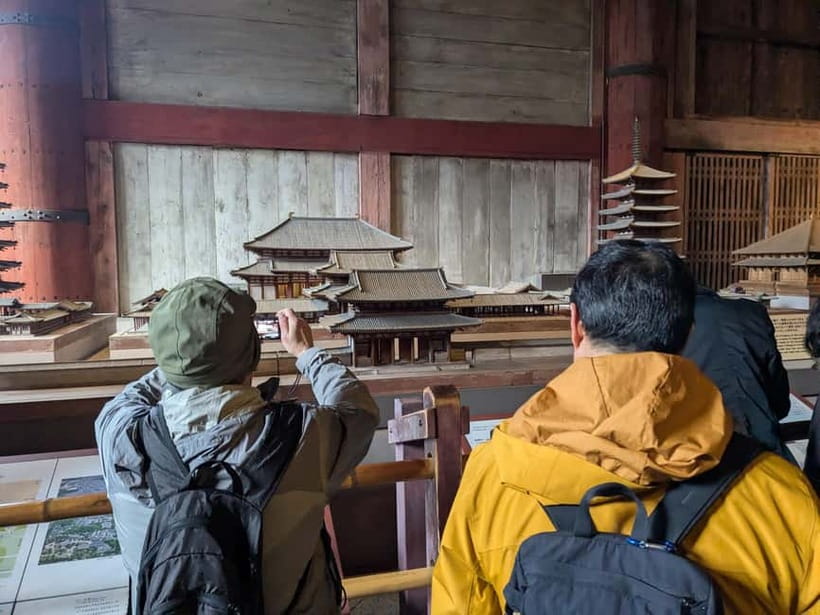
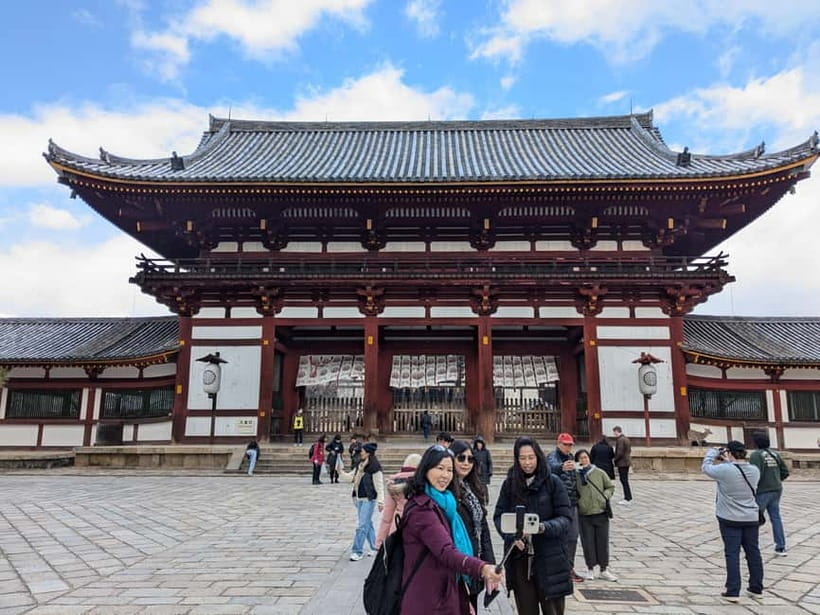
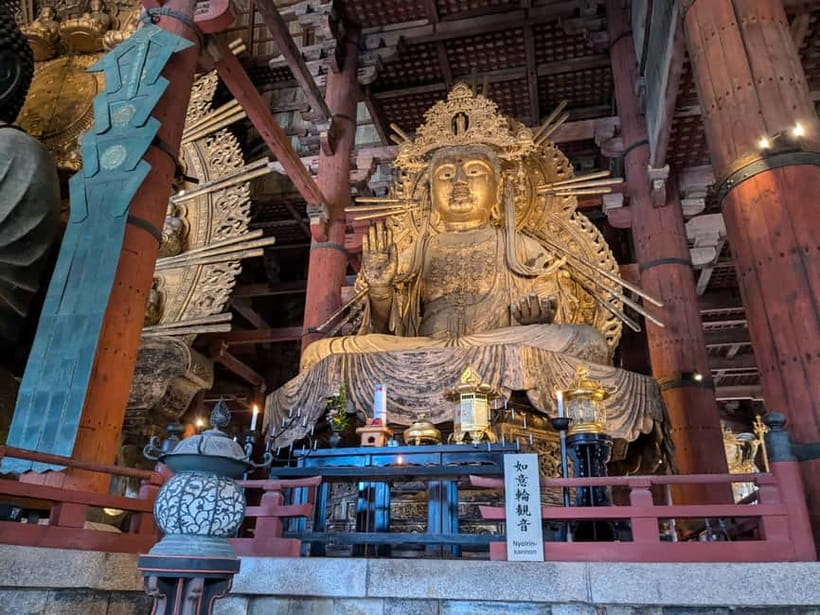
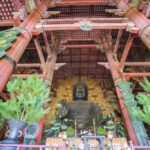
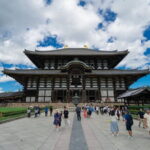
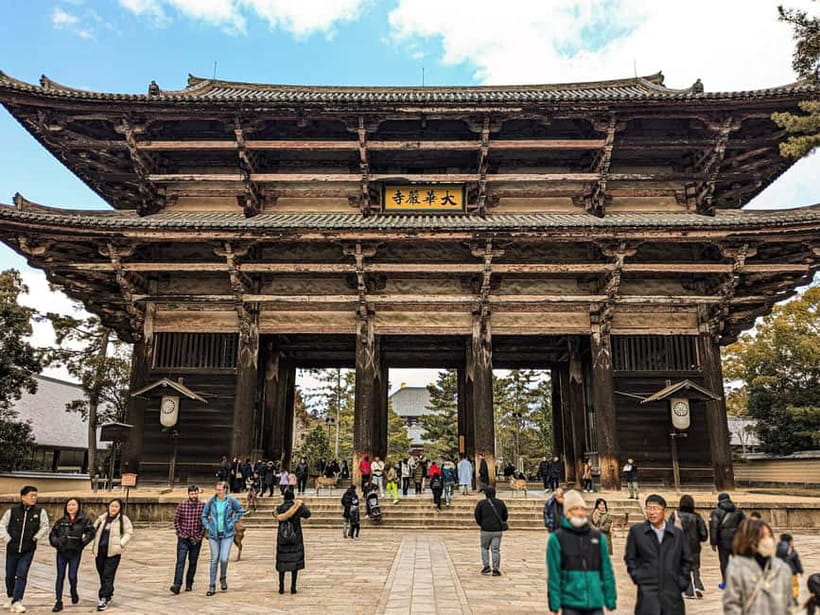
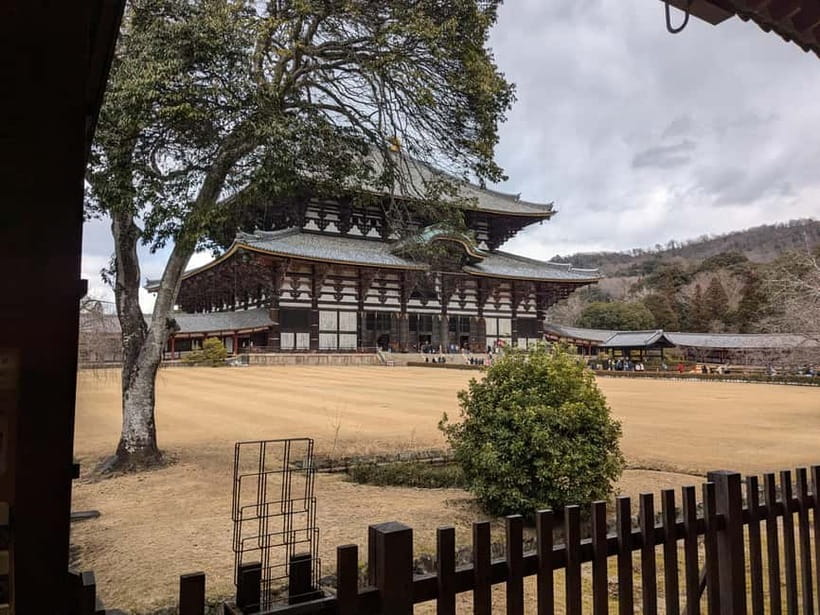
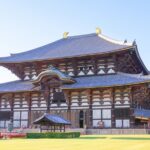
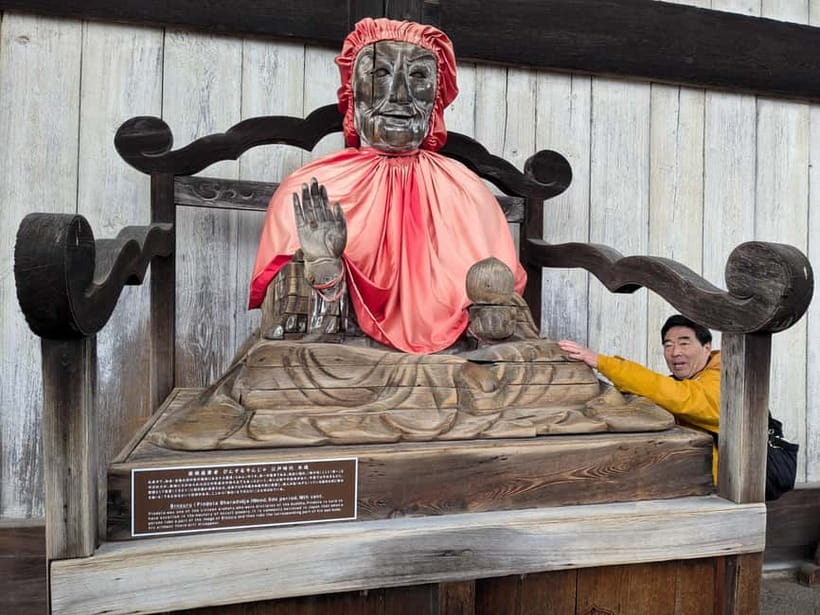
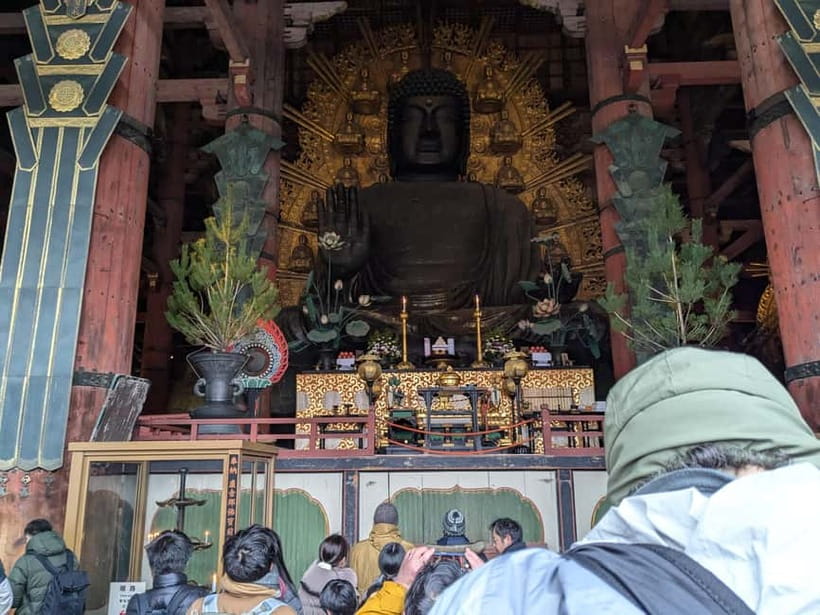
Your tour culminates at Todai-ji Temple, one of Nara’s most important landmarks. The main event is the world’s largest bronze Buddha statue, housed inside one of the world’s largest wooden buildings.
The scale hits you differently when you know what to look for. The guide helps you orient yourself: how the Buddha fits into the larger temple space, what the temple has meant historically, and why it became such a powerful influence on Japanese Buddhism.
This is also where a guide’s timing matters. Queue lines can eat your visit. The experience is designed to help you avoid long delays when possible, so you spend more minutes seeing and understanding rather than waiting.
One more helpful detail: Todai-ji can feel overwhelming because it’s big and multi-layered. A guide helps you prioritize. You won’t just walk in and hope you notice the right things. You’ll know what’s central and why.
What you get from a local pro (and why it matters)
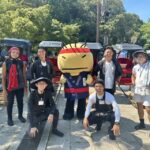
A lot of tours move from signboard to signboard. This one is built around a local expert in the Kansai region, with an ability to connect the dots between Shinto beliefs, Buddhism, and broader Japanese culture.
That shows up in the guide style. Guides in this experience, including Goku, are praised for:
- giving clear explanations of what places mean, not only what they are
- managing the group flow so you keep moving to the right next stop
- making the visit feel human, not robotic
There’s also a practical side. One guide (Goku) is noted for helping groups find their next destination afterward, and even recommending a ramen spot and helping with ordering, including keeping dietary needs in mind. That’s not the headline of a shrine visit, but it’s the kind of real-life help that turns a good tour into a smoother day.
Price and value: $83 for 3 hours, with key extras included
At $83 per person for a 3-hour guided tour, you’re paying for three things: a local guide, entrance fees, and deer-feeding crackers.
Here’s how the value often shakes out:
- Entrance fees are included, so your spending doesn’t balloon once you arrive.
- The shika-senbei crackers are included, which would otherwise be a small add-on you might forget.
- You’re getting a guided experience across multiple major sites, which usually costs more when booked separately.
What’s not included is also important. Hotel pickup and drop-off aren’t included, and meals aren’t included. So you’ll want to budget for getting to the meeting point on your own and grabbing food after the tour. The upside is that you’re not paying for a service you might not use.
Overall, if you’re staying in the Nara area and want a focused route through Todai-ji and Kasuga Taisha without wasting time, this price can feel fair. If you’re the type who loves self-guided wandering and doesn’t mind figuring out sites and timing, then the cost might feel harder to justify.
Timing and pace: good for a short visit, not for zero-walking days
This is a 3-hour experience, which sets the pace. You’ll be walking between Nara Park, Kasuga Taisha, and Todai-ji, plus time for stops, explanations, and viewing.
That pace works best if you:
- want a structured path
- prefer not to research everything beforehand
- enjoy learning while you walk
It’s not listed as suitable for people with back problems or wheelchair users. If you fall into either group, you’ll need to choose a different style of tour, or speak with the provider before booking to confirm what can be accommodated.
Practical tips that make the day easier
A few details matter here:
- Wear comfortable shoes. You’ll cover ground and spend time standing for views.
- Bring water and sunscreen. Nara can be sunny, and you might not want to pause to buy things mid-walk.
- Camera time is fine, but no flash photography is allowed at the sites.
- Follow the guide’s deer instructions. You’ll enjoy it more when you’re not improvising.
Also, plan your expectations: you’re going to see iconic spots, but the tour is designed to help you see them in context. If you treat it like a photo sprint, you may miss the explanations that are doing most of the value work.
Who this tour suits best
You’ll likely love this if you:
- have limited time in Nara and want maximum meaning per hour
- care about Shinto and Buddhism, or at least want a clearer picture of what you’re seeing
- enjoy nature alongside temples, especially the forest feel around Kasuga Taisha
- want a guide who can answer questions and keep the route moving
It’s also a good choice if you want to reduce hassle. When a guide helps with queue flow and keeps your group moving, the visit feels less stressful and more enjoyable.
Should you book this Nara UNESCO tour with deer, shrine, and Great Buddha?
I’d book it if you want a focused, guided day that connects the dots between Nara Park, Kasuga Taisha, and Todai-ji. The included entrance fees and deer crackers help, and the small group size keeps the experience from feeling like a factory line. Guides like Goku are especially noted for clarity and for keeping groups on track, which makes a short itinerary feel complete.
Skip or rethink it if you don’t want any structure, if you need a no-walking plan, or if you’re hoping for lots of extra time at one site. This tour is built to cover the essentials in 3 hours, so you’ll get breadth and meaning, but not a long sit-down experience.
If you match the pace and you’re curious about what the places represent, this is a strong way to spend a half day in Nara.
FAQ
Where do we meet for the tour
You meet at the red torii gate called the torii of Himuro Shrine.
How long is the Nara tour
The tour lasts 3 hours.
Is this a private tour or a group tour
It’s described as a private local tour guide experience, with a small group limited to 10 participants.
What’s included in the price
The price includes a private local tour guide, entrance fees to all sites, and special shika-senbei crackers for feeding the deer.
What isn’t included
Hotel pickup and drop-off and meals are not included.
Which languages are available for the live guide
Live guides are offered in Japanese, English, Russian, Spanish, French, and Portuguese.
Are there rules about taking photos
Flash photography is not allowed.
Is the tour suitable for wheelchair users or people with back problems
It is not suitable for wheelchair users or people with back problems.