REVIEW · ATHENS
2 Days Peloponnese Tour : Ancient Olympia – Corinth, Mycenae Nafplio Epidaurus
Book on Viator →Operated by Yomadic.Tours & Transfers · Bookable on Viator
A two-day Peloponnese hit the highlights. This private luxury route strings together Ancient Olympia, Epidaurus, and the seaside charm of Nafplio with smooth pickup, bottled water, and onboard Wi-Fi. I like the stress-free private format (no navigating, no parking headaches), and I like that you can request a licensed guide if you want deeper site interpretation. The main thing to watch is the fine print: entrance fees and meals are not included, and the description is inconsistent about whether the Nafplio hotel night is included, so confirm before you pay.
If you’re on a cruise, this kind of plan matters. It’s built to help you see a lot without gambling on traffic or timing, then get you back safely. If you’re not on a ship, it still works because it replaces the usual DIY scramble with a driver who handles logistics while you focus on the ancient sites.
In This Review
- Key points before you go
- Why This Peloponnese Route Works in Two Days
- Price and Value: What $554 Buys (and What It Doesn’t)
- Meeting Your Private Driver in Athens: Smooth, Name-Sign Pickup
- Day 1: Corinth Canal, Ancient Corinth, Epidaurus, Nafplio in One Flow
- Corinth Canal: A Quick Engineering Pause for Photos
- Ancient Corinth: Temple of Apollo and Paul’s Journey Connections
- Epidaurus: Theatre Acoustics and the Asklepios Healing Sanctuary
- Nafplio Overnight: Venetian-Era Charm and Waterfront Time
- Day 2: Nafplio to Ancient Olympia, Museum Time, and Back
- Ancient Olympia Sacred Grounds: Temple of Zeus, Stadium, Training Areas
- Archaeological Museum of Olympia: Where the Legacy Becomes Objects
- The Driver Setup: What You Gain When It’s Not a Full Guide
- Group Size, Private Format, and Why That Matters for Comfort
- Practical Tips to Get More Out of Every Stop
- Who Should Book This Tour (and Who Might Want a Different Plan)
- Should You Book This 2-Day Peloponnese Tour?
- FAQ
- How long is the Peloponnese tour?
- Is this a private tour or a shared group?
- Do you get hotel pickup in Athens?
- Is the driver a licensed tour guide inside the archaeological sites?
- What’s included in the price?
- Are entrance fees and meals covered?
- Can I cancel for free, and is there a weather backup?
Key points before you go
- Private, luxury transport between Athens, Corinth, Epidaurus, Nafplio, and Olympia
- Bottled water + onboard Wi-Fi so you’re not stuck offline or dehydrated
- English commentary from the driver (Alex in one review), with optional licensed guide add-on
- A full Ancient Olympia day plus the Olympia museum for context and artifacts
- Nafplio overnight giving you time to enjoy Venetian-style streets and waterfront after the sites
- Entrance fees and meals extra, and the overnight stay inclusion needs confirmation
Why This Peloponnese Route Works in Two Days
The Peloponnese can eat up time fast. Distances are real, and even when roads are fine, it’s still tiring to drive, park, and manage tickets while you’re trying to enjoy ancient sites. This tour is designed to remove that workload by chaining the big-name stops into a tight two-day loop from Athens.
You’re also getting a smart mix of places. Day 1 is built around ancient cities and a major healing sanctuary, then ends in Nafplio for a relaxed evening. Day 2 is all about Olympia, so you get the emotional payoff of the Olympic origin story without splitting it up across multiple days.
The private format is the other big win. With just your group, you can move at a pace that fits you, and you’re not stuck waiting around for slow walkers in a large bus lineup. For people who want “see the highlights, but don’t suffer,” that’s often the sweet spot.
You can also read our reviews of more tours and experiences in Athens.

Price and Value: What $554 Buys (and What It Doesn’t)
At $554 per person for the 2-day tour, you’re paying mostly for transportation, pickup, and the private experience package. What you still need to budget for is clearly spelled out: entrance fees and lunch/dinner are not included.
One important detail: the information provided is inconsistent about the Nafplio overnight stay. The inclusions list mentions an overnight in a selected Nafplio hotel, but the exclusions list says the overnight stay is not included in the price. Before you book, I’d confirm directly with the provider what’s included for your specific date and group size. That one check can prevent an unpleasant surprise.
Also note the tour guide setup: your driver is not an official tour guide, but they can give commentary and answer questions in fluent English. If you want a licensed guide inside the sites, services are available upon request for an additional cost. That’s a value choice: you can keep costs lower with driver commentary, or pay extra for guided interpretation at the archaeological sites.
Meeting Your Private Driver in Athens: Smooth, Name-Sign Pickup
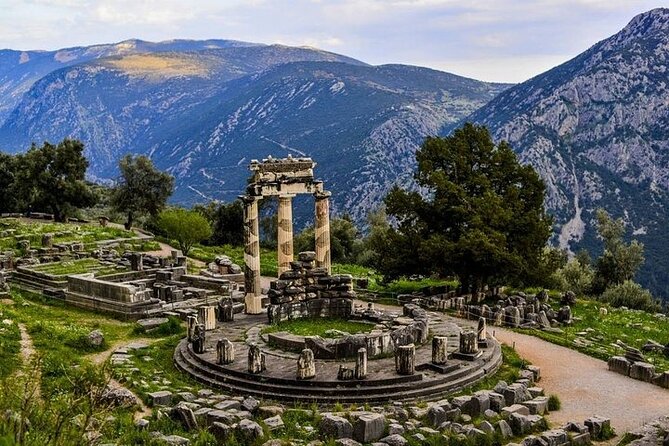
This experience is built around an easy handoff. Your personal driver meets you with a sign showing your name, and you can choose hotel pickup or meet at the designated spot depending on where you’re staying.
Here’s what that means in real life for you:
- If you’re in a hotel, the driver waits inside the lobby near reception.
- If you’re landing at the airport, you head to arrivals, and the driver is at the exit holding your name sign.
- If you’re on a cruise at Piraeus, you go to the cruise terminal exit and meet your driver just outside.
Two practical tips: keep your phone switched on (so they can reach you fast), and have your pickup point details ready. With any private transfer, the first 10 minutes matter.
Day 1: Corinth Canal, Ancient Corinth, Epidaurus, Nafplio in One Flow
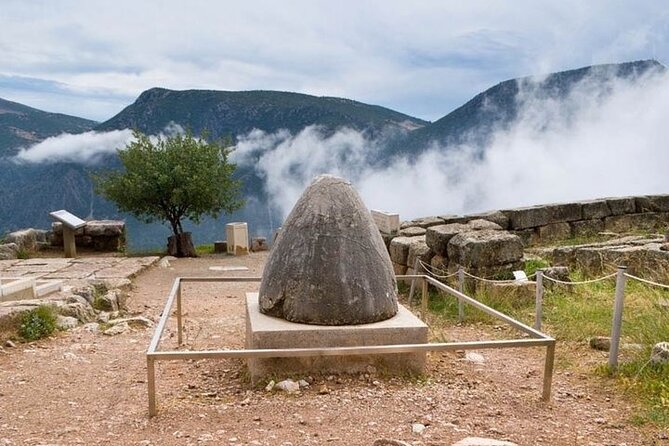
Day 1 is about building historical layers. You start with the Corinth Canal, then move to Ancient Corinth (including areas connected to Apostle Paul’s journey), then head to Epidaurus for both theatre and the Sanctuary of Asklepios, and finally land in Nafplio for the overnight.
It’s a lot on paper, but the private-vehicle logistics help. Instead of spending your time figuring out routes, you spend it looking at the places and asking questions along the way.
Corinth Canal: A Quick Engineering Pause for Photos
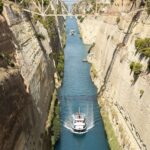
The Corinth Canal stop is described as an iconic photo moment. In practice, this kind of stop is ideal when you want one memorable, recognizable landmark without eating the entire morning.
If you’re the type who likes a clean shot and a short walk, you’ll appreciate it. If you want long explanations and deep downtime, you might feel the stop is brief, but it’s meant to set up the rest of Day 1, not replace it.




Ancient Corinth: Temple of Apollo and Paul’s Journey Connections
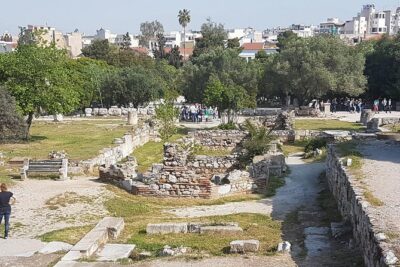
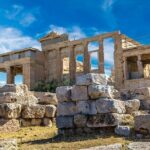
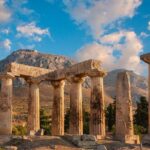
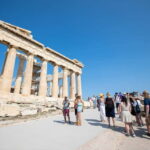
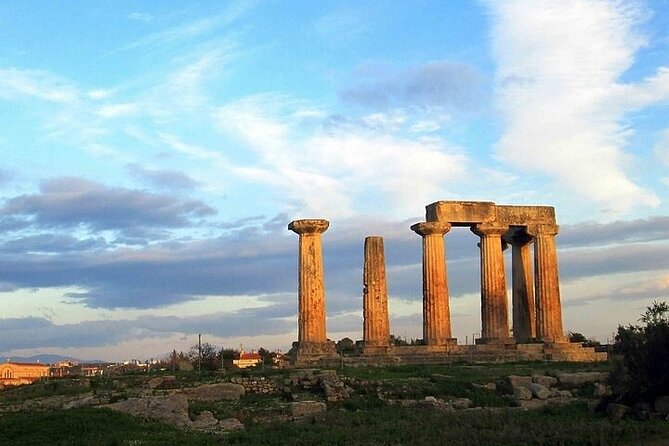
At Ancient Corinth, you’ll have time to explore the archaeological site and focus on specific highlights: the Temple of Apollo, the Roman Agora, and locations tied to Apostle Paul’s journey.
This stop can land in two different ways for different travelers:
- If you love classical archaeology, the scale and layout of ancient Corinth is the point.
- If you connect more through faith and stories, the Paul connection gives you a narrative path through the stones.
Either way, the fact that the itinerary explicitly mentions these elements is useful. It means you’re not wandering randomly through ruins hoping something clicks. You go in with a few clear anchors.
One “make it better” idea: bring a short list of what you want to see at Ancient Corinth (Temple of Apollo, Roman Agora, and the Paul-related sites). That helps your driver’s commentary feel targeted and saves you from information overload.
Epidaurus: Theatre Acoustics and the Asklepios Healing Sanctuary
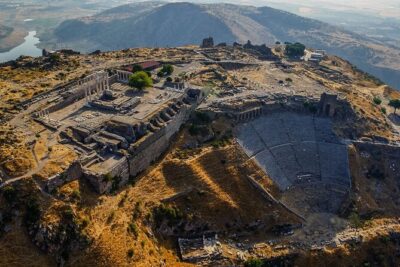
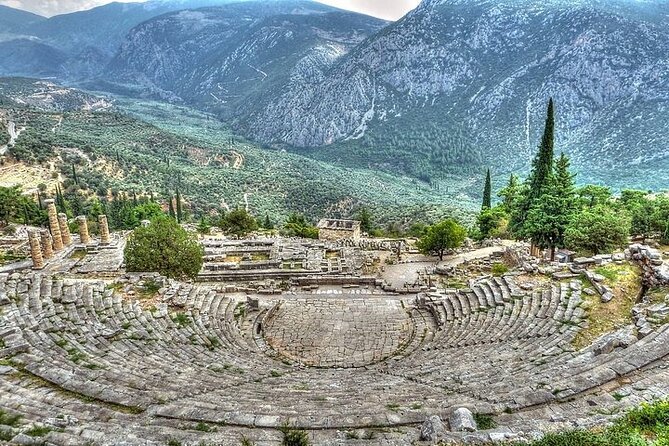
Then you shift to Epidaurus, and the mood changes. The Ancient Theatre is famous here specifically for its extraordinary acoustics and harmony, so you’re not just looking at a structure. You’re visiting a site designed around sound and performance.
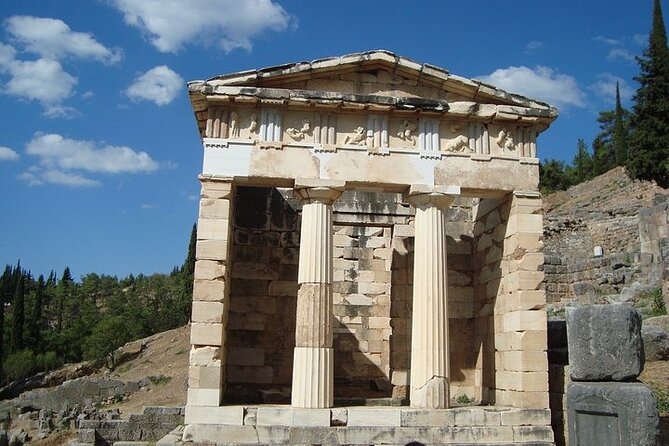
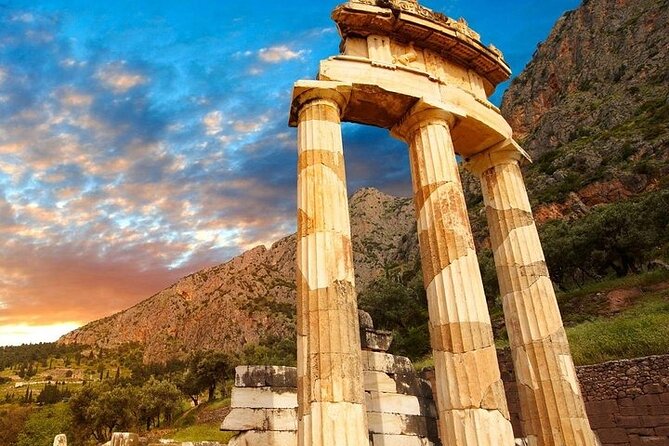
After the theatre, you visit the Sanctuary of Asklepios, described as one of the most important healing centers of the ancient world. That matters because it adds a different kind of ancient experience. You go from spectator life (theatre) to spiritual/medical life (healing sanctuary).
This combination is also a good reminder that ancient Greece wasn’t only temples and battles. It included performance and healing practices, and this stop makes that mix visible.
Nafplio Overnight: Venetian-Era Charm and Waterfront Time
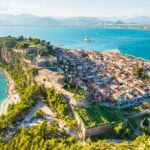
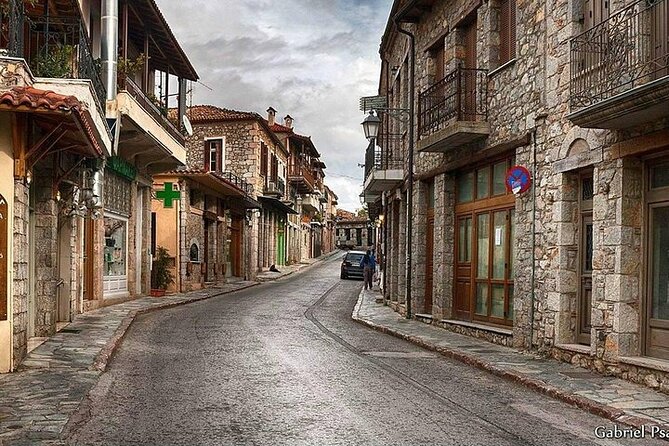
You finish Day 1 in Nafplio, described as Greece’s first modern capital, with elegant old-town streets and Venetian architecture, plus a romantic waterfront atmosphere.
This is the smart payoff moment. After a day of ancient sites, you get a real town break instead of rushing straight into Day 2. If you want to decompress, this is where you do it. Walk around the old town. Take your time with viewpoints. Eat without watching the clock.
One note: the dinner and lunch are not included, so you’ll be choosing meals yourself. That’s not a downside; it often means more freedom and better chances to eat what you actually want.
Day 2: Nafplio to Ancient Olympia, Museum Time, and Back
After breakfast, Day 2 travels through the Peloponnese toward Ancient Olympia, the birthplace of the Olympic Games. The plan is built around the sacred grounds, then the museum, and finally a relaxed return.
The structure is important: Olympia works best when you can see both the physical sites and the artifacts that explain them.
Ancient Olympia Sacred Grounds: Temple of Zeus, Stadium, Training Areas
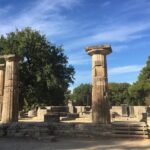
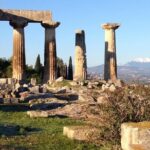
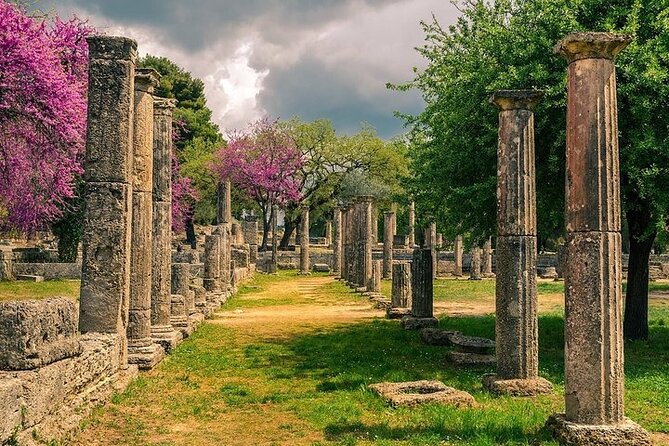
In Olympia, you’ll walk through the sacred grounds and visit the Temple of Zeus, the ancient stadium, and the training areas where athletes once prepared for competition.
What I like about this specific ordering is that it tells a story in spaces:
- Big religious landmark first (Temple of Zeus)
- Then the arena moment (ancient stadium)
- Then the lead-up context (training areas)
Even without a licensed guide inside, the itinerary anchors your attention. You can stand where athletes trained, then look toward where they competed, then wrap it up with the museum later.
A practical thing: wear footwear that’s comfortable for walking on uneven ground. Ancient sites rarely behave like paved city sidewalks.
Archaeological Museum of Olympia: Where the Legacy Becomes Objects
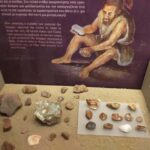
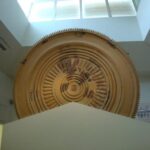
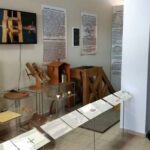
You also visit the Archaeological Museum of Olympia, home to remarkable sculptures and artifacts that bring the Olympic legacy to life.
This is where planning pays off. The museum helps you connect what you saw outside with physical objects and sculptural work, making the visit feel less like a checklist and more like a coherent experience.
Since entrance fees aren’t included, I’d mentally set aside time and money for museum tickets. If you’re hoping to keep the budget tight, this is one of the big cost variables to verify at booking.
The Driver Setup: What You Gain When It’s Not a Full Guide
This is a private tour with a professional English-speaking driver. However, the driver is clear: they are not an official tour guide, and they won’t enter the archaeological sites with you. They can still answer questions and provide commentary.
In practice, that can be a great model if:
- you like asking questions and receiving explanations from the car/meet-up context
- you want flexibility inside sites
- you don’t require a guide to manage each stop with scripted narration
It can be less ideal if you want a guide to walk you through each site like a classroom. In that case, you’d consider adding licensed tour guide services at extra cost.
One detail that pops in the feedback: a driver named Alex impressed one family by adding an unscheduled stop for a swim at a breathtaking beach. For kids, that’s not a small add-on; it turns a historic trip into a memory with water toys and laughter. It also hints at the driver being willing to adjust the experience within reason, which is a big deal on private tours.
Group Size, Private Format, and Why That Matters for Comfort
This is a private tour/activity, meaning only your group participates. There are group discounts available, but the key idea is you’re not merging into a big group schedule.
That matters because the two-day structure can feel intense. With a private vehicle, you can:
- manage breaks more naturally
- avoid waiting for a crowd at each stop
- keep your timing aligned with your own energy
If you’re traveling with family, this kind of setup can be even more valuable. You’re not wrestling for attention in a group, and the driver can respond to the needs of your party when practical.
Practical Tips to Get More Out of Every Stop
Since entrance fees and meals are extra, you’ll get the best value by planning your personal schedule around the essentials.
Here are a few ways to make it smoother:
- Keep water and snacks in mind. The tour includes complimentary bottled water, which helps a lot.
- Expect long days. You’re combining multiple major archaeological sites into two days, so comfortable shoes are not optional.
- Use questions wisely. Since your driver can answer questions but won’t enter the sites with you, ask for context while you’re in transit or at stop points. It will make what you see feel more connected.
- Budget for tickets ahead of time. Entrance fees are not included, and the museum is a key part of Day 2.
Who Should Book This Tour (and Who Might Want a Different Plan)
This tour fits best if you want:
- a highlight-focused Peloponnese route without driving
- a private, luxury feel with pickup in Athens
- a mix of classical sites and story-driven stops like Ancient Corinth’s Paul connection
It’s especially relevant for cruise passengers. The itinerary is designed for limited time frames and aims for a safe, timely return to the ship.
It may not be the best match if:
- you only want one site deeply and prefer slow pacing
- you expect the price to cover all museum and entrance costs
- you want the driver to physically accompany you inside every site (they won’t, though they can explain and answer questions)
Should You Book This 2-Day Peloponnese Tour?
I’d book it if your priority is maximum ancient-site value per day, without the stress of self-driving and timing. The best part is the combination of Corinth Canal, Ancient Corinth, Epidaurus, the town break in Nafplio, and then the full Olympia storyline with the museum.
Before you confirm, do two quick checks:
- Confirm whether the Nafplio overnight stay is included for your booking, since the provided details conflict.
- Confirm your expected entrance fee total so the final budget matches what you planned.
If you care about comfort and you want the highlights lined up in a sensible two-day flow, this is a strong choice.
FAQ
How long is the Peloponnese tour?
The tour runs for 2 days (approx.).
Is this a private tour or a shared group?
It’s a private tour/activity, so only your group participates.
Do you get hotel pickup in Athens?
Yes. Hotel pickup and drop-off in Athens are included, or you can meet at the desired spot if that’s easier.
Is the driver a licensed tour guide inside the archaeological sites?
Your driver is not an official tour guide and they won’t enter the archaeological sites with you. They are knowledgeable and can provide fluent English commentary and answer questions. Licensed tour guide services are available upon request for an additional cost.
What’s included in the price?
Included items are private luxury transportation, a professional English-speaking driver, hotel pickup/drop-off in Athens, an overnight stay in a selected hotel in Nafplio (double-check due to conflicting info), onboard Wi-Fi, bottled water, and all taxes and service charges. Entrance fees, meals, and tips are not included.
Are entrance fees and meals covered?
No. Entrance fees to archaeological sites and museums and lunch and dinner are not included.
Can I cancel for free, and is there a weather backup?
Yes. There is free cancellation up to 24 hours in advance for a full refund. If it’s canceled due to poor weather, you’ll be offered a different date or a full refund.