REVIEW · KUALA LUMPUR
From Kuala Lumpur: Full-Day Historical Tour of Malacca
Book on GetYourGuide →Operated by Travelvago · Bookable on GetYourGuide
Malacca in one day is a bit like speed-reading history. You’ll move through colonial-era icons on the Red Square, catch city views from St Paul’s Hill, then end in the quieter details of temples and fortress walls.
I especially like how the route strings together different chapters of Malacca without feeling random: you get the skyline-and-streets overview first, then the “walk and look” sections where you can actually see the blend of European and Chinese influences. A big plus is the English driver/guide approach, and the way guides like Aru can turn stop-to-stop viewing into real context instead of just directions. One drawback to plan around: the long road back to Kuala Lumpur can get bogged down in traffic, and that can cut into your relaxed pacing.
In This Review
- Key things to know before you go
- Why Malacca works best as a packaged 1-day plan
- The KL-to-Malacca coach ride: comfort, but respect the travel time
- Stadthuys and Red Square: where Malacca’s colonial look becomes obvious
- St Paul’s Hill: the viewpoint that makes the rest of the day click
- Lunch break: plan for food on your own
- Jonker Street Chinatown: shopping that tells you how the neighborhood changed
- A Famosa fortress: one-hour dose of European survival
- The in-between stops: quick turns that still matter
- Cheng Hoon Teng: the quiet power of a living temple
- What the guide experience can really change
- Price and value: what you’re paying for at $119 per person
- Logistics you should plan around (so the day stays enjoyable)
- Who this tour suits best
- Should you book this Malacca day trip from Kuala Lumpur?
- FAQ
- FAQ
- How long is the Malacca tour?
- Where do you get picked up in Kuala Lumpur?
- Is the tour fully guided in English?
- How do you get around during the day?
- Are meals included?
- Are entrance fees included?
- Is there a lot of walking?
- Is the tour wheelchair accessible?
Key things to know before you go
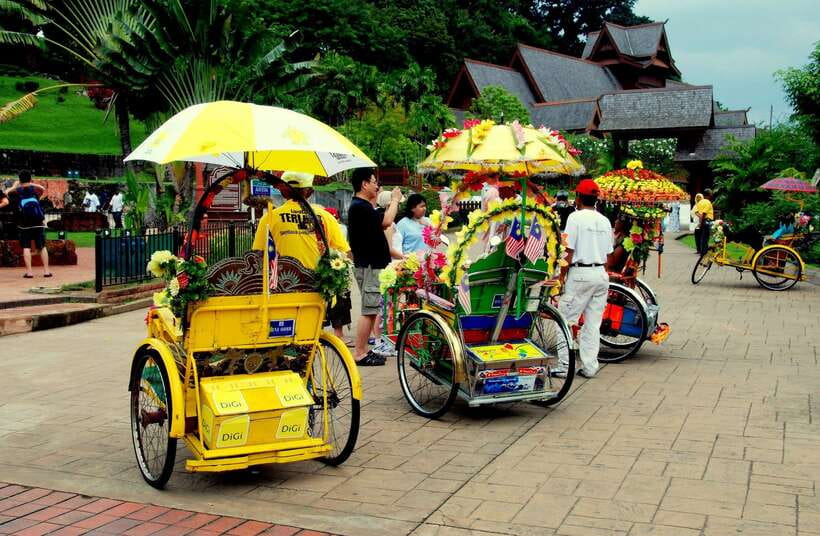
- Stadthuys on Red Square anchors the day with a classic historic centerpiece
- St Paul’s Hill + St Paul’s Church gives you the best big-picture views before you start street-level wandering
- Jonker Street is the Chinatown center for shopping and snacks, with antiques that have shifted toward clothes and crafts
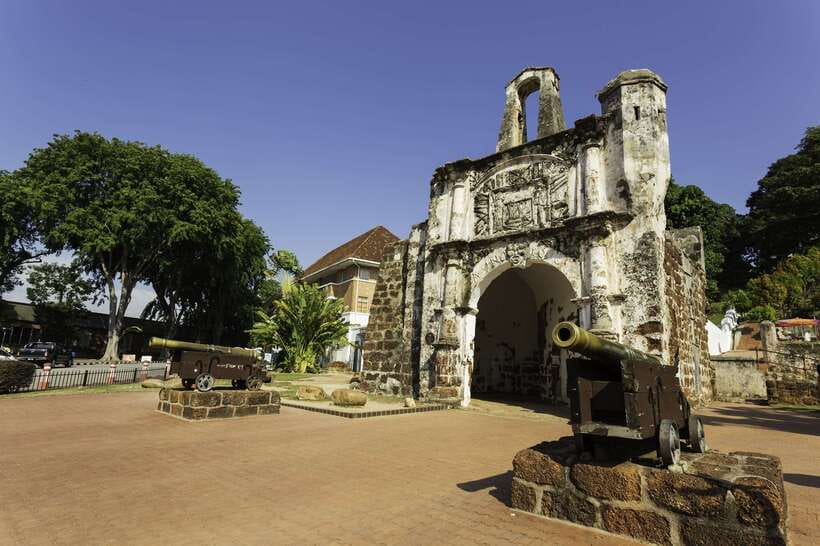
- A Famosa is an old European survivor you can photograph and walk around without rushing past it
- Cheng Hoon Teng is the standout cultural stop, tied to Taoism, Confucianism, and Buddhism
- Moderate walking means good shoes matter more than you’d think on a one-day schedule
Why Malacca works best as a packaged 1-day plan
Malacca is the kind of place where the streets tell the story. If you only have one day, the trick is choosing a route that gives you both the overview and the face-to-face details. This tour does that by starting with landmark architecture and viewpoints, then shifting into the street grid around Jonker Street and the older core by A Famosa and the temple area.
The other reason this format makes sense is logistics. Kuala Lumpur to Malacca is not a short hop, so you either spend time coordinating rides and timing on your own or you let a coach handle the heavy lifting. Here, you’re picked up from your Kuala Lumpur hotel, transported in an air-conditioned vehicle, and then returned the same way. That’s real value if you don’t want to burn part of your day on figuring out local transport.
You can also read our reviews of more tours and experiences in Kuala Lumpur.
The KL-to-Malacca coach ride: comfort, but respect the travel time
The day starts with hotel pickup in Kuala Lumpur and a comfortable, air-conditioned coach transfer to Malacca City. That’s a practical win if you’re trying to keep the day smooth. It also matters because you’re not just sightseeing in town—you’re also doing a full day of driving each way.
The one thing to take seriously is timing. One downside showed up clearly in feedback: the road back can turn into a traffic grind. In a worst-case scenario described by a traveler, the return trip took much longer due to heavy traffic on top of day-of travel conditions. So if you’re the type who hates “dragging time,” you’ll want to keep your expectations flexible and not treat the schedule like a perfect train timetable.
Stadthuys and Red Square: where Malacca’s colonial look becomes obvious
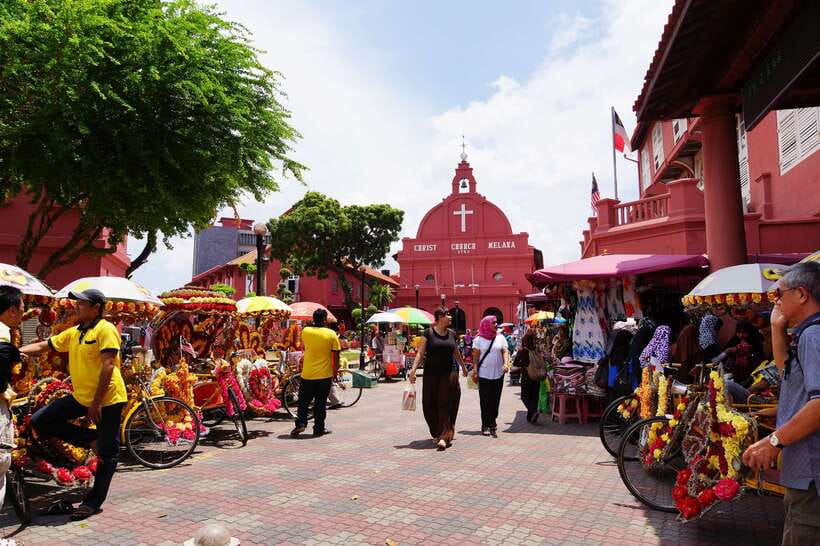
Your sightseeing day begins in the heart of Malacca City with the Stadthuys on the Red Square. This is one of those places that instantly sets context. The historic landmark building gives you a visual anchor for the rest of the day, so when you later see European-era remains and mixed cultural spots, you’ll understand how the pieces fit.
What I like about starting here is that it’s not just a photo moment. It’s a “get your bearings fast” stop. You see the architecture early, you’re standing in the city’s historic core, and your guide can frame what you’re looking at before you go higher and farther out for panoramas.
St Paul’s Hill: the viewpoint that makes the rest of the day click
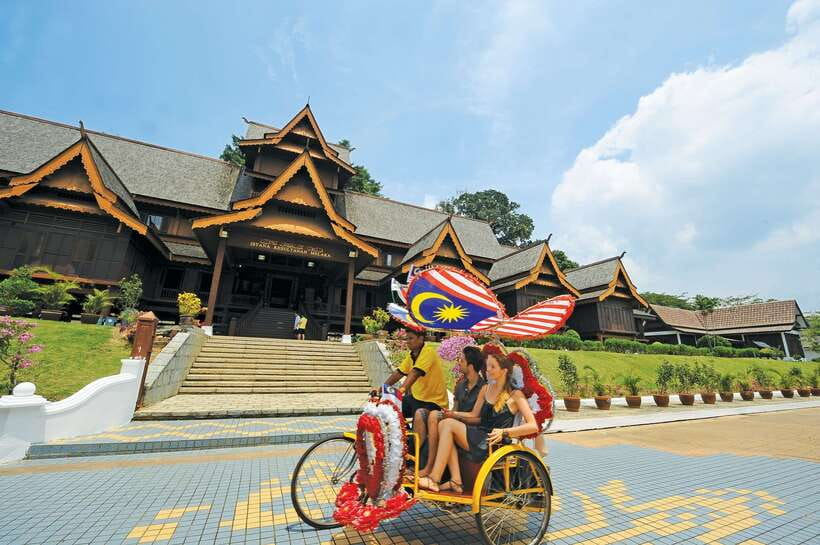
Next comes the payoff for layout lovers: St Paul’s Hill. From the top, you get a panoramic view of Malacca and the surrounding region. That view matters because Malacca’s historic sites aren’t all in one tight cluster that screams for walking without thinking. From the hill, you start to understand how distances and directions work, which makes later strolling feel less like guesswork.
You also visit St Paul’s Church, noted as the oldest church building in South-East Asia, and part of the Malacca Museum Complex. Even if you’re not trying to do a museum deep dive, this is an important stop because it connects “pretty view” to “why this place mattered.” The church and museum complex are part of the same story, and the timing after Stadthuys gives you a good sense of progression: landmark → viewpoint → cultural institutions.
Lunch break: plan for food on your own
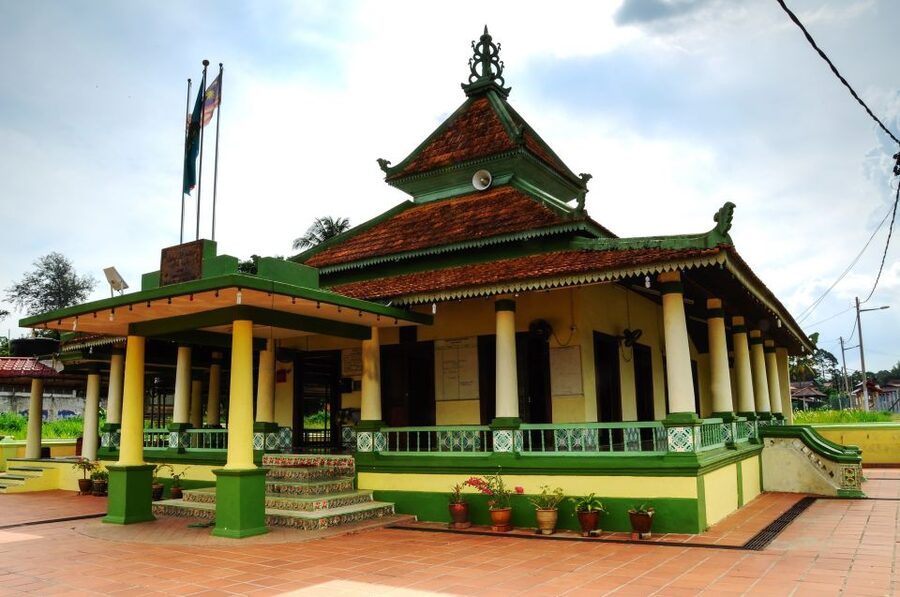
After the morning’s historic anchors, you take a break for lunch at your own expense. That approach has pros and cons.
The pro: you can pick what you actually feel like eating rather than being limited to one included option. The con: it adds a variable to your schedule, and you’ll want to keep your shoes and energy ready for the walking that follows. If you’re the type who needs a very specific diet, this is a point where you should be ready to search rather than rely on an included meal.

Jonker Street Chinatown: shopping that tells you how the neighborhood changed
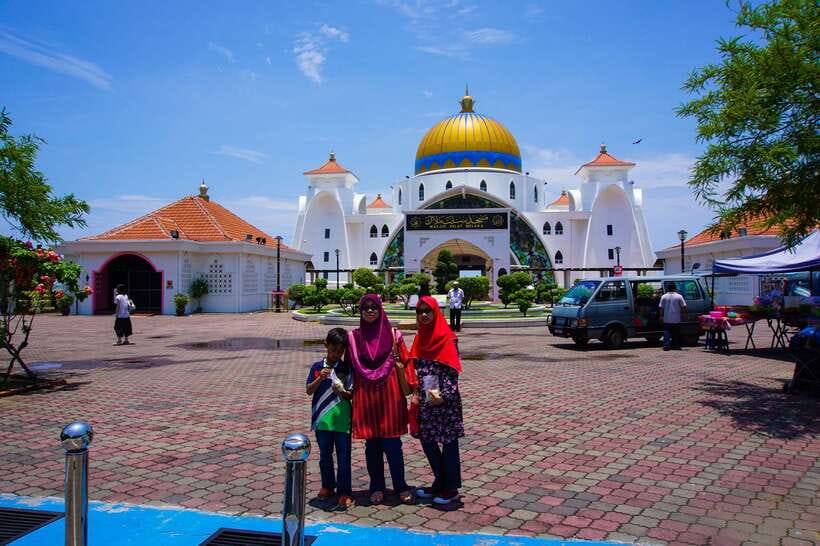
Then you head to Jonker Street, the Chinatown center and the tour’s main “stroll and browse” zone. It’s long been known for antique shops, but today it’s more of a mixed market street: clothing and craft outlets sit alongside places to eat.
This stop is valuable even if you’re not a serious shopper. Jonker Street is one of those areas where you can watch daily life in the middle of a historic setting. You’re not only seeing old buildings; you’re seeing a neighborhood that’s adapted. That shift from antiques to a broader mix of goods is exactly the kind of detail that helps you understand Malacca as a living city, not a staged museum.
If you want souvenirs, this is the practical time for it. If you want photos, it’s also a strong moment because the street atmosphere gives you a lot to frame—signage, shopfronts, and small scenes that feel human-scale.
A Famosa fortress: one-hour dose of European survival
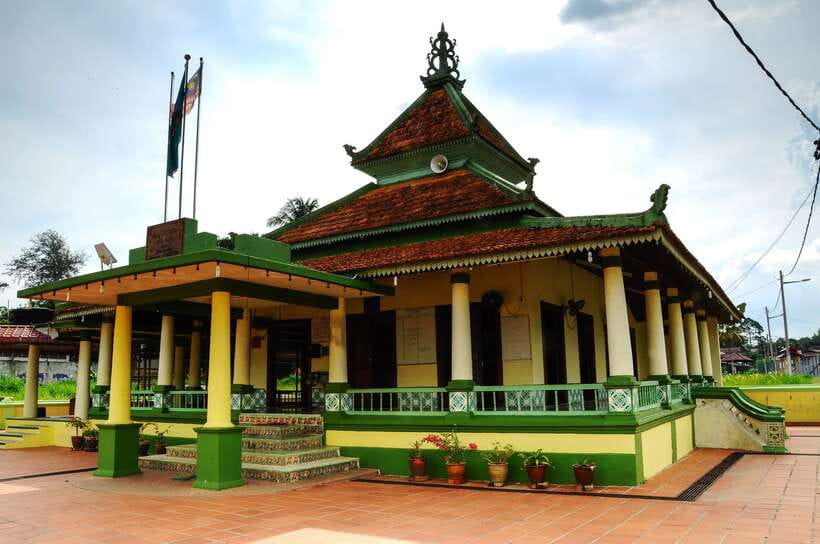
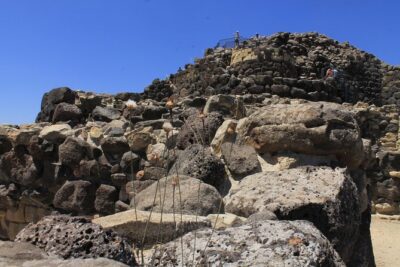
The tour then moves to A Famosa, with time for photo stops, sightseeing, and a full visit. This is among the oldest surviving European architectural remains in South-East Asia, and the reason it feels special is simple: you’re looking at real stone that has outlasted empires and reinventions.
A fortress stop also changes the pace. After street-level walking, the fortress walls and fortification layout encourage slower looking. You can read the structure like a diagram: edges, openings, vantage points, and how it would have defended the area. Even if you keep it to quick photos and a walk-through, you’ll come away with a stronger sense of why Malacca was strategic.
There’s one more practical point here: the schedule includes a photo stop and sightseeing elements around the A Famosa area and nearby streets. So expect a bit of switching between viewpoints, walking stretches, and short resets where the group regroups.
The in-between stops: quick turns that still matter
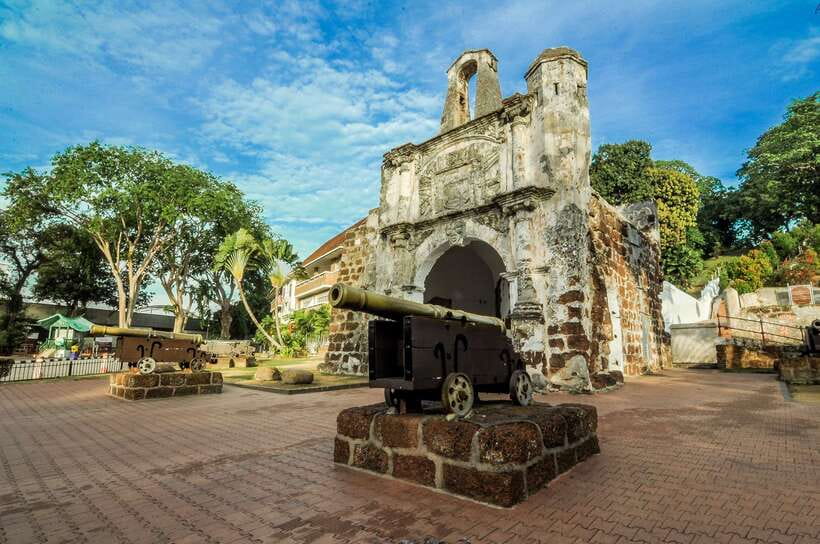
Your itinerary includes several additional segments that may feel like “transfer time with interest,” including stops labeled as a photo stop on an unnamed road, Via Paolo Sarpi, South Grandstand, and a stop around Jurys Inn Edinburgh. The specifics beyond that aren’t spelled out in detail, so treat these as short windows built into the route to reposition, regroup, and cover more ground without eating up the day on constant travel.
Here’s how to make these parts work for you: use them to rest your feet, re-check your plan for lunch-time and shopping, and get any final quick photos you might have missed earlier. If you want more explanation at every single stop, this is where your experience may vary depending on the guide’s style.
Cheng Hoon Teng: the quiet power of a living temple
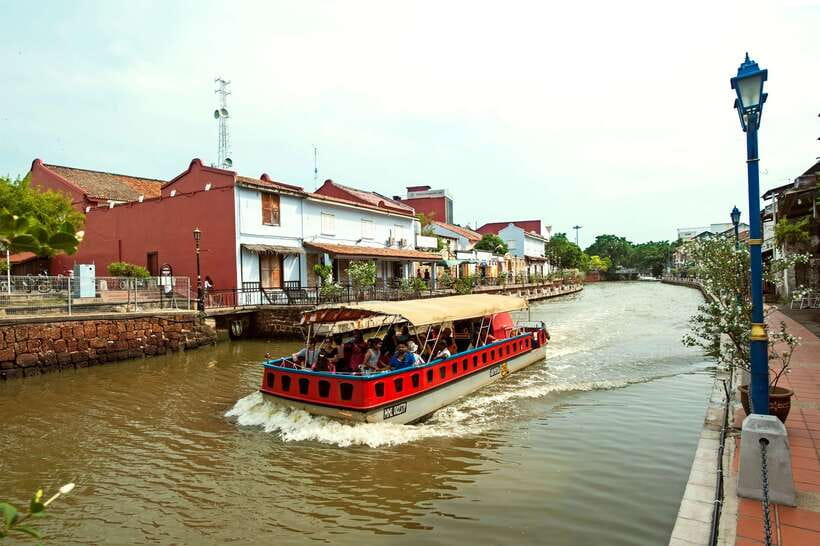
The final major cultural highlight is Cheng Hoon Teng, a Chinese temple known for practicing the Three Doctrinal Systems of Taoism, Confucianism, and Buddhism. This is a different kind of stop than A Famosa or Jonker Street. It’s less about external defense or street commerce and more about spiritual tradition and daily religious life.
What makes this temple visit especially meaningful is contrast. After a fortress reminder of power and conflict, Cheng Hoon Teng brings you back to how communities express identity and belief over generations. Even if you don’t know the terms deeply, you can still appreciate the presence of multiple traditions in one place, and the way that shapes the temple’s character.
What the guide experience can really change
This is where the tour can swing from good to great. The tour includes an English-speaking driver/guide, and feedback highlighted that some guides, like Aru, can tell stories that connect culture and history directly to the landmarks you’re seeing. That kind of guiding changes your day because you’re not just looking; you’re building understanding while you walk.
Still, it’s smart to know that guiding depth can vary. Some participants focused on the driver being friendly and the timing working well, while others wanted more explanation. Also, on at least one day described in feedback, the amount of information provided seemed limited, and the schedule got affected by closures and conditions.
So if you care most about history context, consider that the guide’s storytelling style matters as much as the route.
Price and value: what you’re paying for at $119 per person
At $119 per person for a full-day experience, you’re paying for several things at once: Kuala Lumpur hotel pickup and drop-off, air-conditioned transport, an English-speaking guide/driver, and guided walking time in Malacca City. Entrance fees and food are not included, which means your total day cost will depend on what you choose to pay for on-site.
Is it expensive? Some people feel it is, especially compared with what they would spend if they pieced together transport and sightseeing on their own. But the value case is strongest if you want to avoid the hassle of coordinating multi-leg transport and keep the day efficient. You’re also less likely to get stuck in timing problems because the tour is built around a single-day route plan.
If your priority is maximum freedom, you might compare this cost to independent travel and a local guide in Malacca. If your priority is a low-stress day that still hits the best anchors—Stadthuys, St Paul’s Hill, Jonker Street, A Famosa, Cheng Hoon Teng—then the packaged nature starts to look more fair.
Logistics you should plan around (so the day stays enjoyable)
This tour is wheelchair accessible, which is a strong plus for travelers who need that option. You should also expect a moderate amount of walking, so bring comfortable shoes you can do more than an hour in.
Two other planning notes matter most:
- Day-of conditions can change what’s open. One traveler mentioned closures due to a holiday schedule mix-up, and crowds affecting the experience. That’s not something you can control, so build a small buffer into your expectations.
- Long-distance traffic is real. The return drive can be slow, and that affects how tired you’ll feel at the end of the day. If you’re sensitive to delays, keep your evening plans flexible.
Finally, remember that entrance fees are not included. If you want to see every detail inside buildings or museum-related areas, you’ll likely pay additional charges.
Who this tour suits best
This is a great match if:
- you want a one-day Malacca highlights circuit starting from Kuala Lumpur
- you prefer guided route structure instead of figuring out timing and transport
- you enjoy history and culture stops like A Famosa and Cheng Hoon Teng, plus the street energy of Jonker Street
It’s less ideal if:
- you dislike long travel days and traffic risk
- you want deep museum time, since the schedule includes sightseeing plus meal time without specifying longer indoor blocks
- you’re traveling mainly for hands-on activities that depend on conditions (some feedback included mention of a boat segment being impossible due to high water on one occasion)
Should you book this Malacca day trip from Kuala Lumpur?
Book it if you want the essentials, in a tight order, without transport headaches. The route covers the major landmarks that help you understand Malacca’s mix of European and Chinese influences, and the pacing is built for a single day with hotel pickup and drop-off.
Skip or reconsider if you’re very price-sensitive and you’re comfortable planning your own transit and timing in Malacca. Also reconsider if you strongly rely on a perfectly smooth return schedule—traffic can be brutal, and the full day can feel longer than you’d expect.
If you do book, pack good walking shoes and don’t over-pack your evening plans in Kuala Lumpur. Treat the day as a structured “see the map first, then explore the streets” experience, and you’ll get the most out of it.
FAQ
FAQ
How long is the Malacca tour?
It’s a full-day experience with a duration of 1 day.
Where do you get picked up in Kuala Lumpur?
Pickup is included from Kuala Lumpur hotels. No other pickup locations are listed.
Is the tour fully guided in English?
Yes. The tour includes an English-speaking driver/guide.
How do you get around during the day?
You travel by air-conditioned vehicle, with hotel pick-up and drop-off from Kuala Lumpur.
Are meals included?
Food and beverages are not included. Lunch is a break at your own expense.
Are entrance fees included?
No. Entrance fees are not included.
Is there a lot of walking?
There is a moderate amount of walking, so you should wear good walking shoes.
Is the tour wheelchair accessible?
Yes. The activity is wheelchair accessible.