REVIEW · UDAIPUR
Heritage Walk, Local Markets & Food Tasting – Non Touristy
Book on GetYourGuide →Operated by Harsh Mundra · Bookable on GetYourGuide
Udaipur is best tasted in the old lanes. This non-touristy heritage walk ties local food tastings to old-city architecture and working markets, with a guide who explains what you’re actually seeing.
What I liked most: the mix of hidden old lanes and temples plus hands-on food stops (chai, samosas, kachori, sweets). One catch: you’ll walk about 3 km, so comfy shoes matter, especially if the group is curious and the stroll runs closer to 3 hours.
In This Review
- Key highlights you’ll feel right away
- A Udaipur food walk that feels like local life, not a sightseeing checklist
- Where you meet: Ganesh Art Emporium and the Jagdish Temple area
- Rao Ji ka Hata Road: breakfast-snack energy, chai, and market rhythm
- Ghanta Ghar and the clock tower zone: quick hits of street food
- The old-city religious and architectural stops: Jain temple, step well, haveli details
- Artisan workshops along the way: glass inlay work, potters, bamboo art
- Markets for ingredients: spices, grains, and produce in real time
- The vegetarian food tasting menu: what you’ll likely eat
- Masala chai and the making lesson: why this stop clicks
- The guide experience: stories, Q&A, and real conversations
- Price and value: $24 for a guided loop with multiple tastings
- What to wear and how to get the most from the 3 km walk
- Who should book this (and who might not)
- Should you book this Udaipur heritage walk?
- FAQ
- How long is the Heritage Walk, Local Markets & Food Tasting (Non Touristy)?
- How far do we walk?
- Where does the tour start?
- What is included in the price?
- What types of food do you taste?
- Is the food vegetarian?
- Are alcoholic drinks included?
- What languages will the guide speak?
- What is the usual start time?
- Can I get a refund if I cancel?
Key highlights you’ll feel right away
- 7+ food shops with vegetarian, tried-and-tested tastings and tea breaks
- Start near Jagdish Temple at Ganesh Art Emporium, finishing back in the same area
- Old Udaipur stops like Jagdish Chowk, Ghanta Ghar, Clock Tower, a historic Jain temple, and a step well
- Art and craft workshops including tinker street, bamboo art community, potters’ area, and glass inlay work
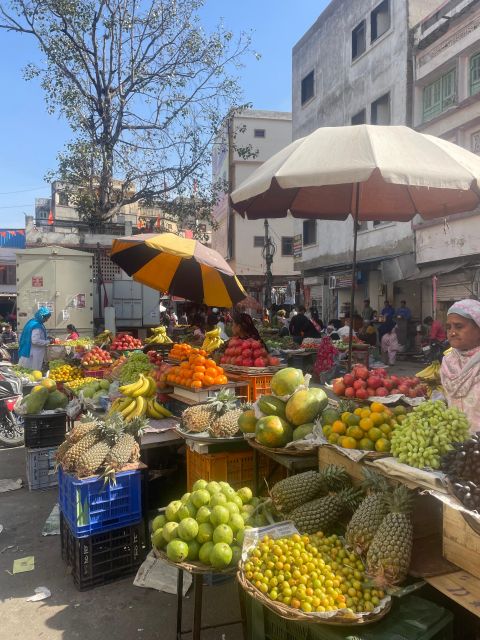
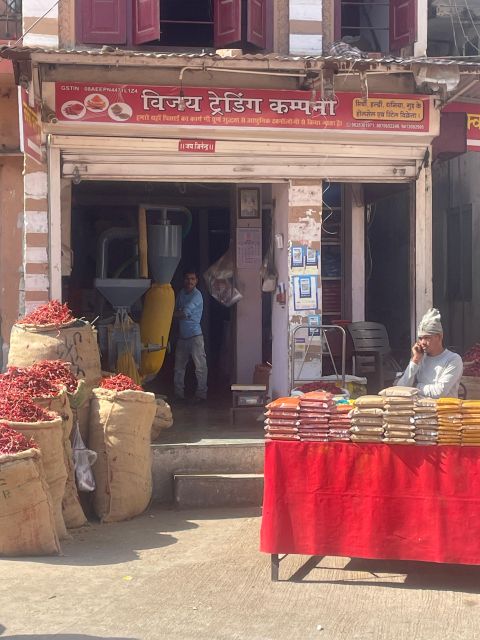
- Markets for real ingredients: fruits & vegetables, spices & grains
- Story-driven moments: chai tasting and making, cow-cuddling, and Q&A on cows, Ganesha, culture, and modern life
A Udaipur food walk that feels like local life, not a sightseeing checklist
If you want Udaipur at street level, this kind of walk is a smart move. You’re not stuck in crowds chasing the same postcard shots. Instead, you’ll weave through the older parts of town where commerce, religion, and everyday Indian habits are all running at once.
The best part is that food isn’t an afterthought here. It’s part of the story: where ingredients come from, why certain flavors show up together, and how people actually snack through the day. The pace also stays friendly for most people because it’s a steady walk with frequent stops.
You can also read our reviews of more tours and experiences in Udaipur.



Where you meet: Ganesh Art Emporium and the Jagdish Temple area
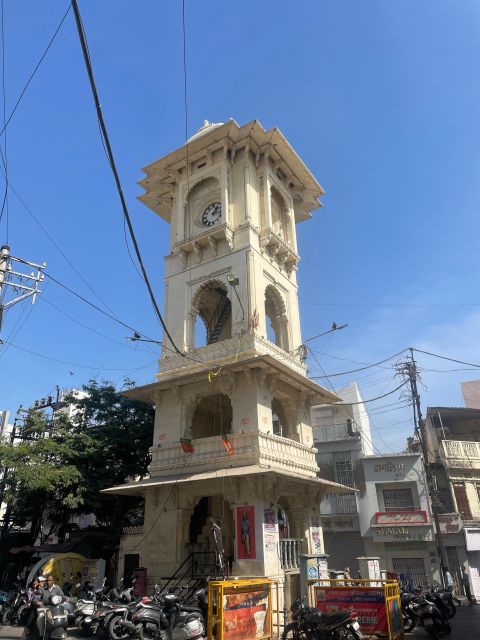
You’ll meet diagonally opposite Jagdish Temple at Jagdish Chowk, around the clock tower direction, with the practical start point set at Ganesh Art Emporium (opposite Jagdish Temple). That’s a good setup because Jagdish is a natural anchor point in the old city, so you don’t spend the morning hunting for the right lane.
The walk is about 2.5 to 3 hours, depending on how curious the group is. If your travel style is Q&A heavy, plan on the longer end—this experience rewards people who want to ask why things are done the way they are.
Rao Ji ka Hata Road: breakfast-snack energy, chai, and market rhythm
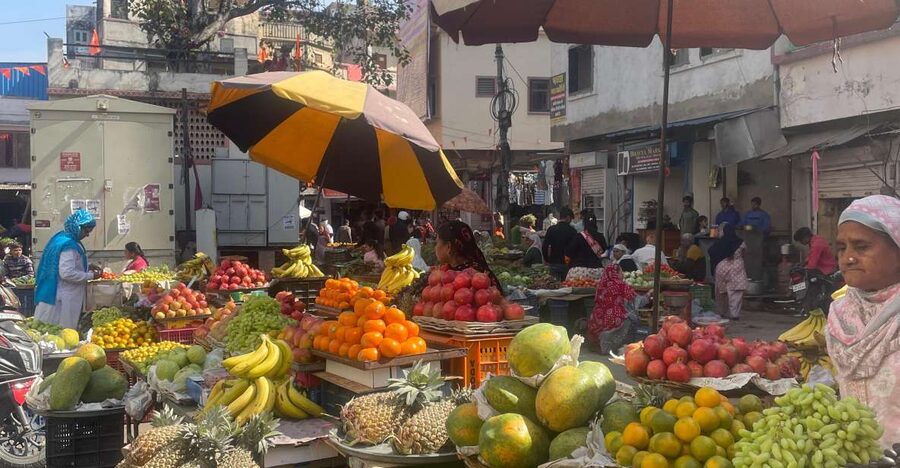
One of your early stops flows along Rao Ji ka Hata Road, where you’ll get a mix of food, drinks, and local shopping atmosphere. This is where the day shifts from temple-adjacent to street-market life.
Expect a food rhythm that’s more than just tasting one thing. You’ll likely hit breakfast-style snacks, a dessert moment, and several guided tastings. Along the way, you’ll also pass through arts and crafts market areas, which matters because Udaipur’s old lanes aren’t only for eating—they’re for trading, making, and talking.
If you like watching how daily markets work, this stretch is where you’ll feel it. People are buying, vendors are preparing, and the guide is pointing out the practical details that turn the whole street into an open classroom.
Ghanta Ghar and the clock tower zone: quick hits of street food
After the early market flow, you’ll reach the Ghanta Ghar area, with another dedicated street-food segment. This is typically a shorter stop—think quick bites and a focused taste window—so you can keep moving without losing momentum.
This portion is especially good if you want variety without a long wait in each place. You’ll get more chances to sample local snacks and drinks, building toward the desserts and heavier items later.
The old-city religious and architectural stops: Jain temple, step well, haveli details
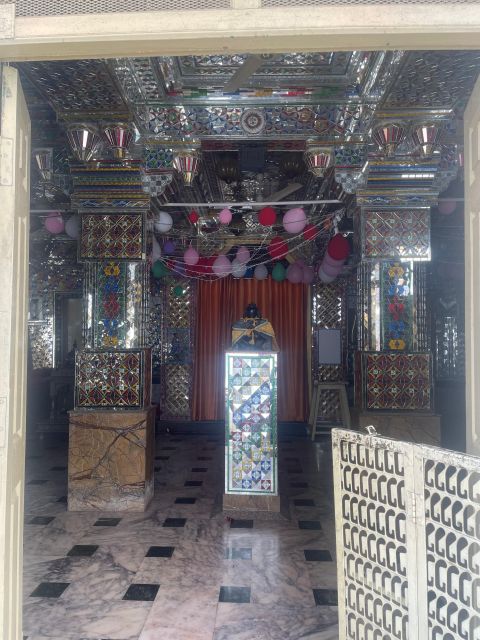
The tour isn’t only about food. It’s also about understanding the city’s layers—how people move through spiritual spaces and how architecture signals status, craftsmanship, and tradition.
You’ll pass meaningful old-city points like Jagdish Chowk, a historic Jain temple, and a step well. These aren’t just “look at the building” stops. The guide connects what you see to culture and daily values, including why certain symbols and places matter in Udaipur.
Haveli architecture is another highlight, and that’s where you’ll notice details that many standard tours gloss over. The goal isn’t to memorize everything. It’s to train your eyes: you start seeing how design, materials, and ornament fit the city’s identity.


Artisan workshops along the way: glass inlay work, potters, bamboo art
Udaipur is famous for craft, and this walk uses that fame in a practical way. Instead of only shopping for souvenirs, you get closer to the making process.
You may see:
- Glass inlay work referenced through the architecture and craft focus
- Tinker street for the “everyday metal and repair” vibe of old markets
- A bamboo art community where craft gets treated like a living skill
- Potters’ community where you can understand the basic logic of working clay
- Makers of biodegradable bowls and plates, which adds a modern-sustainability angle to traditional trading lanes
This part of the experience is great for photos too, but more importantly, it gives context. When you understand what a craft shop does all day, buying something feels less like a transaction and more like you’re meeting the person behind it.
Markets for ingredients: spices, grains, and produce in real time
Food tastings feel better when you know what’s in them. That’s why you’ll also get stops at:
- Fruits & vegetable markets
- Spice & grains markets
Even if you don’t cook, these stops show you how Indian flavors start as raw ingredients. The guide can point out common spices and how they’re used, so later bites make more sense.
I like this approach because it prevents the “wow, tasty” effect from turning into “I have no idea what I ate.” You leave with a mental map of the flavors, not just an empty stomach full of samosa.
The vegetarian food tasting menu: what you’ll likely eat
This is a food tour, but it’s not random. The tastings are built around tried-and-tested street foods, described as safe and hygienic and kept vegetarian.
Here are the specific items mentioned as part of what you’ll taste:
- Samosa with mint and coriander chutney
- Kachori with mango and tamarind chutney
- Traditional local snacks and the making process (watching, not just eating)
- Masala chai tasting and making
- Famous sweets like gulab jamun
- Poha
- Lassi / chai / juices depending on the stop
You also get bottled water included, which sounds small until you’re walking in the heat with multiple bites in your plan.
One practical tip: don’t treat each stop like a full meal. Let your stomach do its job. The idea is steady sampling, so you can enjoy variety without getting stuffed before dessert.
Masala chai and the making lesson: why this stop clicks
The chai portion is one of those “small moment, big payoff” stops. You’re not just handed a cup. You’ll be guided through how masala tea is made, and you’ll taste it as part of the sequence of snacks rather than as a random pause.
This is especially valuable if you’ve ever wondered what makes Indian tea taste different. Here, you get the answer in the cup and the steps.
The guide experience: stories, Q&A, and real conversations
A big reason this tour gets such strong energy is the way the guide talks. This isn’t a lecture. You’ll have room for questions, and you’ll get answers that connect food and city life.
Topics you can expect to discuss include:
- Why cows are holy and why they’re on the streets
- Why Ganesha is a symbol of good luck
- Cultural systems and questions around marriage practices and cast system
- Indian topics like sati, child marriages, education, karma, and politics
- Modern Udaipur and how life has changed
Some groups also include cow cuddling as part of the experience, and that’s exactly the kind of on-the-ground cultural moment that makes this feel different from a standard food crawl.
From a practical standpoint, the guide also offers real utility after the walk. People have praised help with recommendations for restaurants and places to visit around Udaipur, which is handy when you want to continue the city without guessing.
Price and value: $24 for a guided loop with multiple tastings
$24 per person is the kind of price that’s hard to beat if you’re eating street food anyway. You’re paying for:
- All food tastings (5+ dishes plus sweets)
- Tea
- Mineral bottled water
- A live in-person guide
- A route that strings together markets and old-city architecture over about 2.5 to 3 hours
What makes it good value isn’t only the quantity of food. It’s the order and the guidance. Street food can be amazing, but it can also be hit-or-miss if you pick randomly. Here, the plan is built around places and combinations that the guide trusts and can explain.
Also, it’s vegetarian by design, so you aren’t dealing with the uncertainty of what will be served.
What to wear and how to get the most from the 3 km walk
This is a walking tour through older lanes and active market areas. The practical advice is simple:
- Wear comfortable shoes
- Dress in cotton fabrics
If you have knee issues or mobility limits, this is something to think about. The route is about 3 km total, and the time can stretch if your group is asking lots of questions. If you know you need extra help, it’s worth communicating with the guide so you can plan around comfort.
Who should book this (and who might not)
This is a strong fit if you:
- Want non-touristy Udaipur and a less staged experience
- Like street food but want guidance to keep it comfortable and safe
- Enjoy cultural storytelling alongside what you’re eating
- Want architecture and temples without turning it into a museum day
You might skip it if you strongly prefer:
- Sitting in one place most of the time (this is a walk)
- A fully structured checklist with no back-and-forth questions
- A tour that’s only about famous monuments, not markets and craft zones
Should you book this Udaipur heritage walk?
Yes, if your ideal Udaipur day includes tasting food where locals actually shop and snack, then this is a great bet. The $24 price works because you get multiple tastings, chai moments, craft context, and temple-and-market storytelling packed into a short morning or late start window.
Book it especially if you’re the type who asks questions. The guide’s explanations about cows, Ganesha, spices, and how modern Udaipur fits into old traditions are exactly the kind of details you’ll carry long after the last bite of gulab jamun.
FAQ
How long is the Heritage Walk, Local Markets & Food Tasting (Non Touristy)?
The tour lasts about 2.5 hours, and it can run up to around 3 hours depending on the group.
How far do we walk?
The walk covers about 3 km.
Where does the tour start?
You meet at Ganesh Art Emporium, near Jagdish Chowk, diagonally opposite Jagdish Temple (toward the clock tower).
What is included in the price?
It includes mineral bottled water, all food tastings (5+ dishes), sweets, tea, and an in-person guide.
What types of food do you taste?
You’ll have a mix of vegetarian street food and snacks like samosa, kachori, poha, masala chai (tasting and making), gulab jamun, and lassi or juices, plus other local snacks.
Is the food vegetarian?
Yes. The street-food tastings are described as vegetarian.
Are alcoholic drinks included?
No. Alcoholic beverages are not included.
What languages will the guide speak?
The live tour guide speaks English and Hindi.
What is the usual start time?
By default, the tour starts at 10:00 am.
Can I get a refund if I cancel?
Yes. Free cancellation is available up to 24 hours in advance for a full refund, and you can reserve now and pay later.