REVIEW · UDAIPUR
Old city heritage walk and local life experience
Book on GetYourGuide →Operated by Tour Guide Manish · Bookable on GetYourGuide
A city you can read on foot. This is a street-level look at Udaipur’s old city and the craft-and-market life that keeps it moving, led by Manish. I especially liked how the walk pairs lake sights and temple lanes with practical stops like the vegetable and spice markets, then follows the money and the work into shops where artisans make everyday goods. One thing to plan for: it’s a real walking experience, so comfortable shoes matter, especially once you’re in narrower lanes and busy bazaar areas.
I also like that this isn’t stuck on monuments. You get a guide who connects architecture, wall paintings, and neighborhood history to daily routines—plus tea, local snacks, and tastings along the way. You’ll walk with Manish in English or Hindi, and you finish back at the Jagdish Temple area, which makes it easy to roll into the rest of your day.
In This Review
- Key highlights worth showing up for
- Why This Udaipur Old City Walk Hits Different
- Starting at Jagdish Temple: Your Easy Launch Point
- Old Temple Lanes, Lake Sights, and the Ghat Views
- Havelis From the Outside: Architecture With a Purpose
- Wall Paintings in Residential Streets
- Vegetable Market and Spice Bazaar Stops
- Craft Life: Clay Products and Leaf Plates
- Handmade Metal Pots and Utensils
- Bamboo Basket Making Process
- Chai Making and Tastings: Learn With Your Senses
- The Traditional Wedding Market and Arranged Marriages
- Price and What You Get for About $9
- Pacing, What to Wear, and Who This Suits
- Should You Book This Udaipur Old City Walk?
- FAQ
- Where does the tour start and end?
- What’s included in the price?
- What can I expect to see during the walk?
- Do I need to speak English?
- What should I wear?
- How much does it cost?
Key highlights worth showing up for
- Jagdish Temple start: clear meeting point at the temple stairs, then quick orientation through nearby lanes
- Havelis and wall paintings: see how homes and their art shaped everyday life
- Market circuit: vegetable market plus grocery and spice bazaar stops
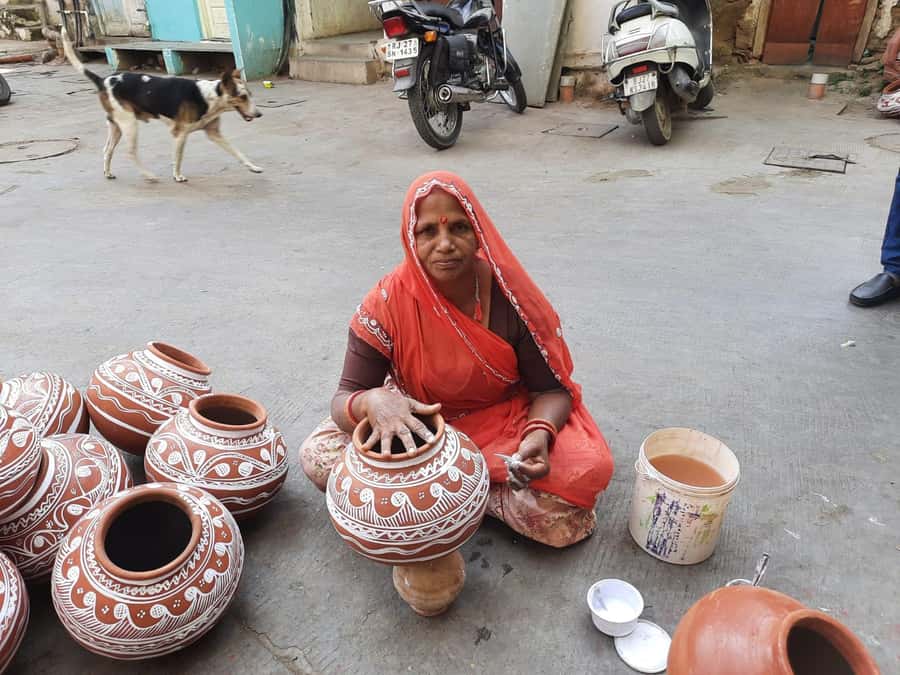
- Craft workshops in motion: clay products, tree-leaf plates and bowls, handmade metal utensils, bamboo baskets
- Food you can taste: masala chai making and tasting, local snacks, and sweets
- Wedding market walk: a practical look at the traditional marketplace tied to arranged marriages
Why This Udaipur Old City Walk Hits Different
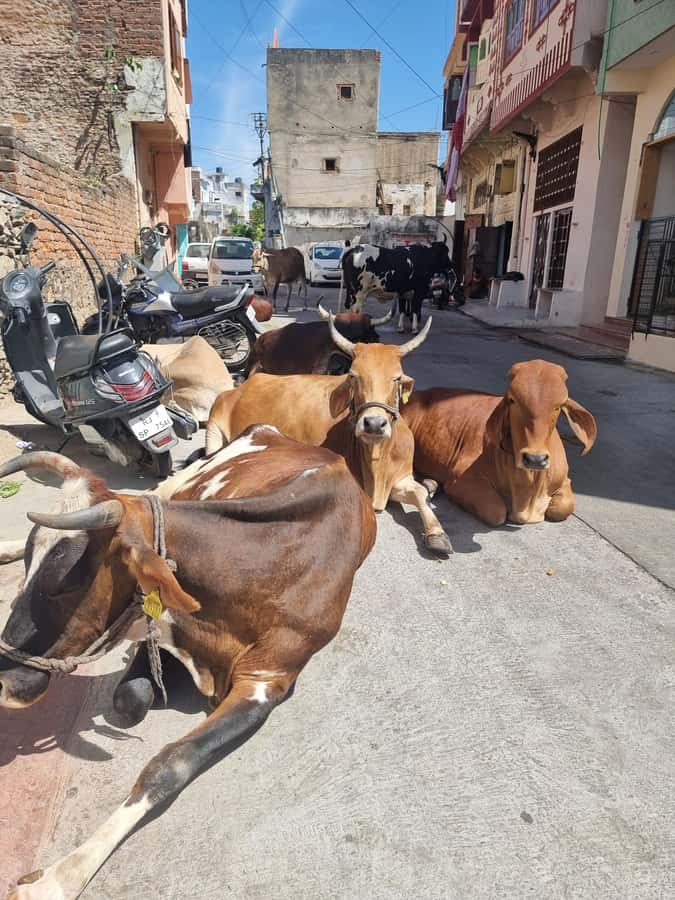
Udaipur gets a lot of love for its lakes and palaces. This walk shifts your focus to the older bones of the city: the lanes where people actually shop, cook, trade, and repair things. The result feels grounded. It’s less about looking and more about understanding how the city works.
The best part is the mix. You’ll start with temple lanes and lake ghats, then move into old residential areas where you can spot havelis from outside and hear the stories behind them. After that, the walk turns practical and hands-on. Markets and crafts take over—vegetables, spices, clay, metal, bamboo—so the culture you’re hearing about has textures you can see.
You can also read our reviews of more tours and experiences in Udaipur.


Starting at Jagdish Temple: Your Easy Launch Point
You meet at the stairs of Jagdish Temple. That’s a smart choice because it gives you a real landmark and a natural starting rhythm: temple lanes first, then the city spreads out around you.
From the start, the guide also sets context. You’re not just being walked to places; you’re being oriented to how the city was shaped earlier on, especially the relationship between neighborhoods and the lake area. If you’re in Udaipur only briefly, this kind of orientation helps you recognize what you’re seeing later—on foot, in photos, and even when you’re deciding where to eat.
Old Temple Lanes, Lake Sights, and the Ghat Views
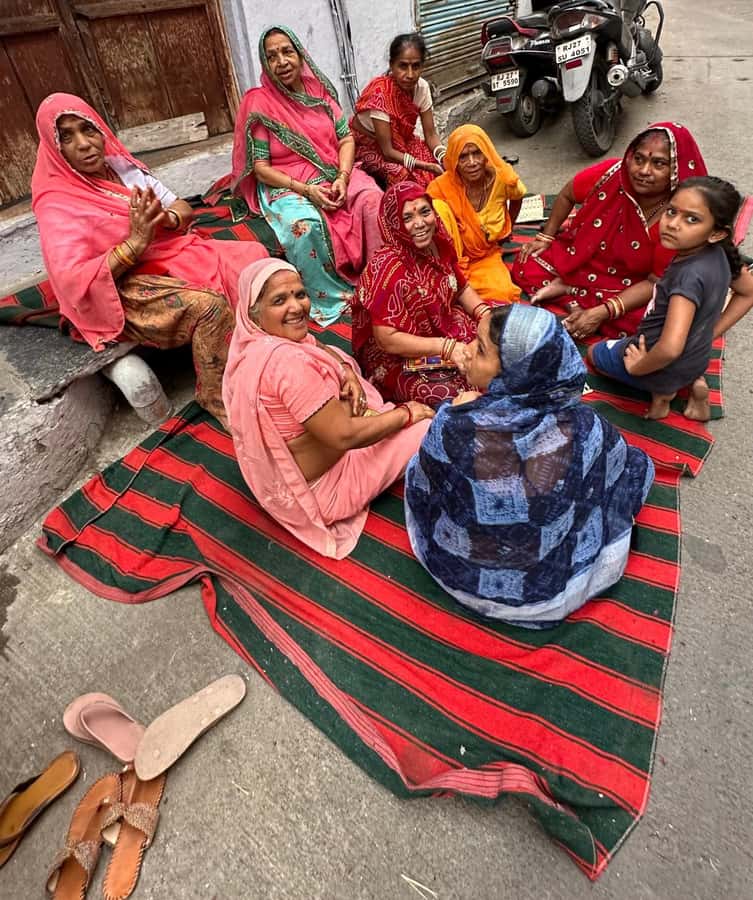
The route begins with old temple lanes and includes lake sights and ghats. Even if you’ve seen water views in Udaipur before, this angle feels different because the lake isn’t treated like a postcard. It’s treated like part of everyday city life—something built into movement, sightlines, and local routines.
As you walk, keep an eye on the transition points: where the lanes feel more intimate and local, then where the city opens up toward the ghats. Those changes help you understand why older Udaipur layouts make sense on foot. Also, the morning or late-afternoon light (when your schedule allows) can make the street colors and walls look better than you expect.
Havelis From the Outside: Architecture With a Purpose
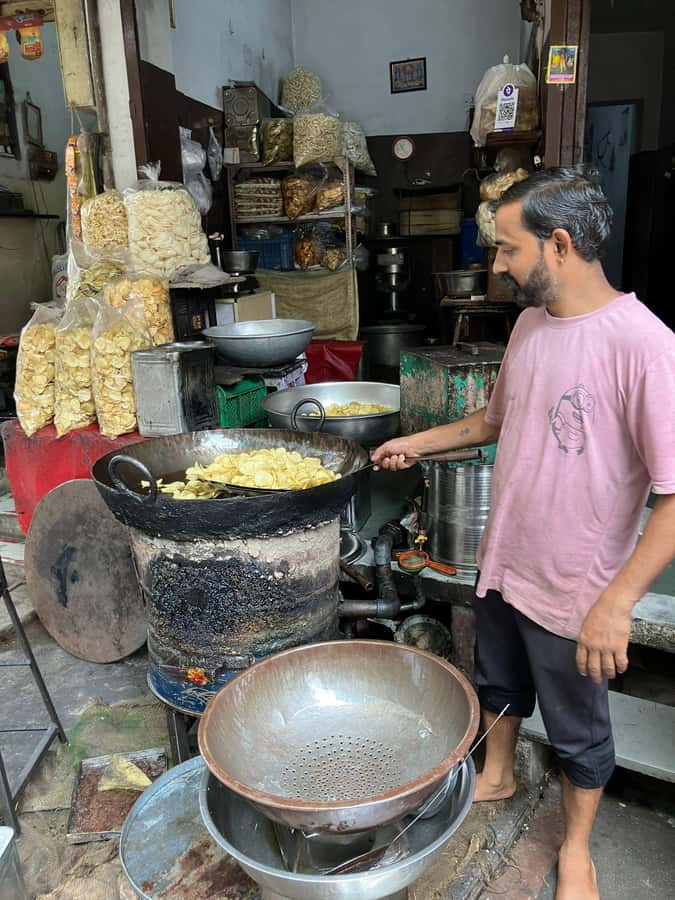
One of the most satisfying parts of the walk is seeing havelis from outside while you learn what they were used for and why they mattered. You’re not going inside a museum room. Instead, you’re learning to read the exterior: the way space and design hint at how households functioned.
This is where the guide’s storytelling really earns its keep. You’ll connect architectural details to social life in older Udaipur. That matters because a lot of visitors only skim the pretty shapes. Here, the point is to understand what those buildings were for—how families lived, what mattered to them, and why the design wasn’t random.
Wall Paintings in Residential Streets

As the walk moves through older residential areas, you’ll notice wall paintings on the homes. These aren’t just decoration in the way we sometimes think of it at home. The guide explains what you’re seeing and how the art fits into everyday spaces.
Practically, this is great for photographers and first-time Udaipur visitors. You’ll learn what to look for beyond big monuments: textures, motifs, and the way color is used on domestic walls. If you’ve ever wondered why Rajasthan keeps showing up in your camera like it’s trying to win awards, this is one reason why.
Vegetable Market and Spice Bazaar Stops
Then it gets properly sensory. You visit a vegetable market, plus a grocery and spice market. These stops help you understand cuisine as a system, not just a menu item. Spices and ingredients aren’t abstract here. You see where they come from in the local flow of buying and preparing.
Even if you don’t plan to shop, the value is in watching how people move through the market and what products are central. It also gives you a natural break from temple-and-heritage talk. Your brain shifts gears, and that makes the rest of the craft workshops easier to absorb.
Craft Life: Clay Products and Leaf Plates
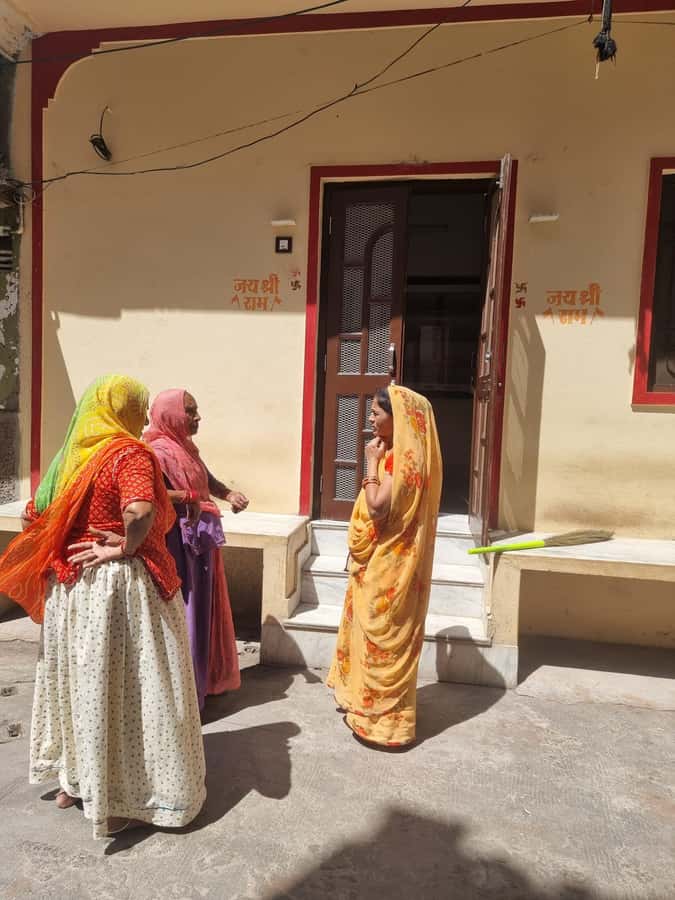
Udaipur’s craft scene shows up repeatedly, which is exactly what you want from a culture walk. You’ll visit a clay product makers community, where you can see how certain everyday items are shaped and made by hand.
A particularly interesting stop is the process around traditional plates and bowls made using tree leaves. This is one of those details that instantly makes the region feel specific and practical. Instead of treating food as only spices and recipes, you also see the materials and local solutions that support daily eating.
If you like crafts because they show how people solve problems with what they have, this section is a strong reason to book.
Handmade Metal Pots and Utensils
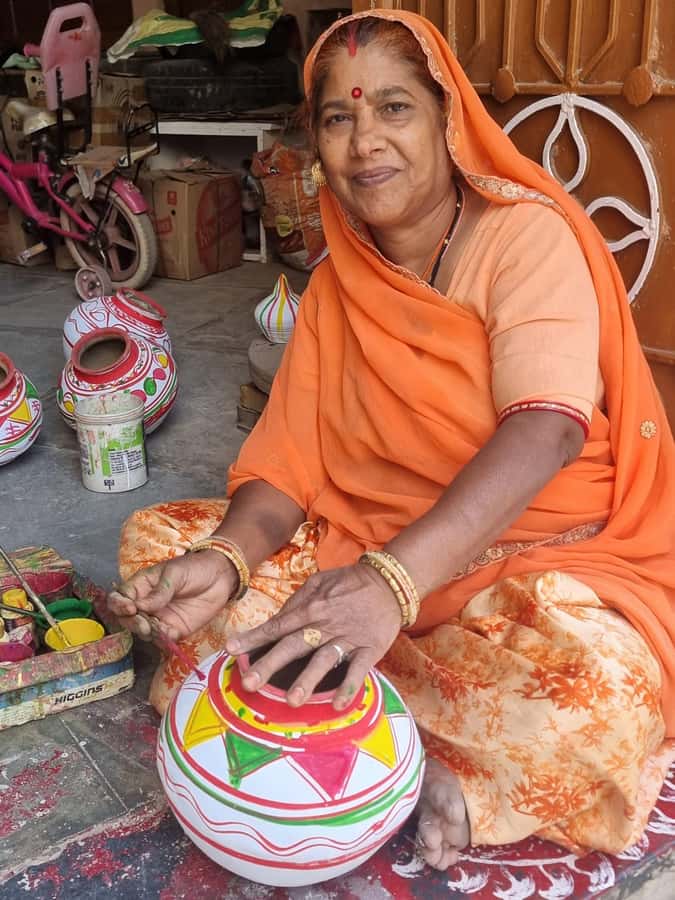
Next you’ll see metal pot and utensil making by hand. This isn’t just a sightseeing photo stop. You’re watching work that turns raw metal into tools that help households function.
For me, the value here is perspective. When you understand the amount of effort behind everyday items, you start noticing how markets and homes tie together. That’s one of the quiet themes of the entire walk: culture isn’t separate from labor. It’s carried through it.
Bamboo Basket Making Process
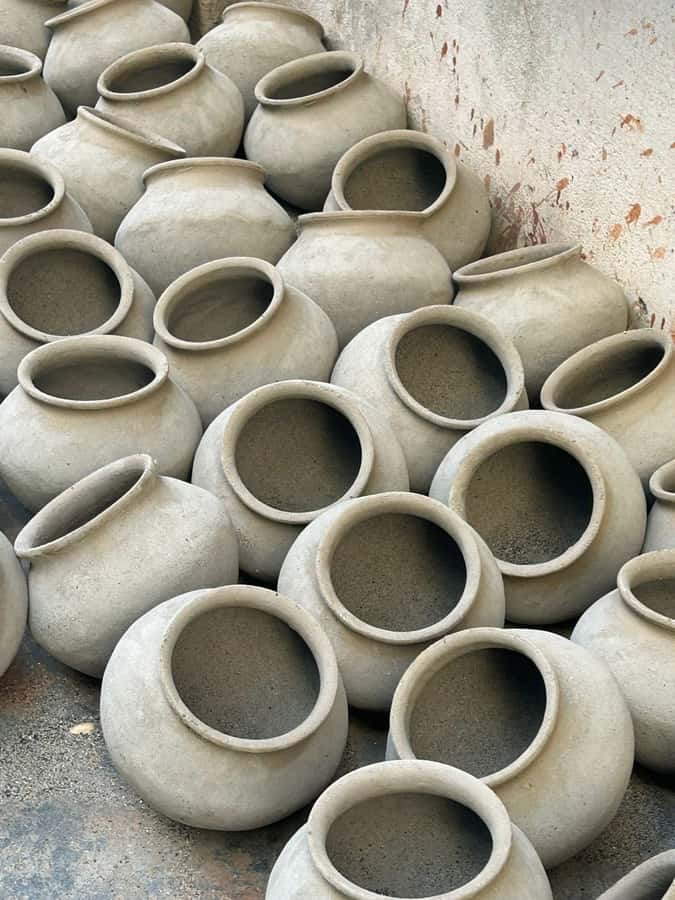
Another craft stop focuses on bamboo baskets making. Bamboo is light, strong, and useful—so it’s no surprise it shows up in markets. Watching the process makes it easier to understand why these goods stay in demand.
This part of the walk is also a reminder to slow down. Don’t race through the workshops. Take a few seconds to look at steps and tools. The guide’s explanations help you connect the technique to the final use.
Chai Making and Tastings: Learn With Your Senses
Food and drink are built into the walk, and not in a random add-on way. You’ll have masala chai making and tasting, plus tea included, and you get local snacks along the route.
Tea on a street walk does two useful things. First, it gives you energy and comfort when you’ve been walking. Second, it lets the guide connect everyday hospitality to local culture. Chai here isn’t a stand-alone beverage; it’s part of social rhythm.
You’ll also have famous sweets tasting. This is a fun way to understand Rajasthan’s dessert culture without needing a full dinner plan. Just go in with the expectation that you’ll taste multiple items. It’s not a one-bite stop.
The Traditional Wedding Market and Arranged Marriages
The walk ends with a traditional wedding market walk and the guide explains how arranged marriages are done. This is one of the most culturally direct topics on the route.
Keep it practical and respectful in your head. The goal isn’t to turn it into entertainment. The goal is to understand how the wedding marketplace supports decisions, preparation, and tradition. If you’re curious about social customs—how families coordinate, what matters, and why certain goods show up in these spaces—this section is where the walk earns its deeper meaning.
Price and What You Get for About $9
At $9 per person, this feels like strong value—especially because the walk includes more than just walking and explanations. You get an in-person guide, drinking water, tea, and local snacks, plus multiple stops that are hard to piece together on your own without local context.
The real value is the “how.” For instance, markets are more than locations when you have someone translating what you’re seeing. Crafts also become clearer when you’re not just watching a process but learning what the items are used for and why the community keeps producing them.
Also, your plan can stay flexible: the experience notes reserve-and-pay-later options and a full refund if you cancel in advance. That reduces risk if your Udaipur schedule shifts.
Pacing, What to Wear, and Who This Suits
This is a walking tour, including older lanes and market areas. The stated advice is simple: wear comfortable clothes and comfortable shoes. I’d treat that as non-negotiable. The ground can vary, and the tight lanes can make slipping shoes or heavy footwear a bad idea.
Who it suits best:
- First-timers to Udaipur who want a local baseline quickly
- People who like street culture and food tastings
- Travelers interested in craftsmanship—clay, metal, bamboo, and leaf-based serving items
- Anyone curious about Rajasthan customs, including wedding traditions
Who might find it harder:
- If you have mobility limits or prefer slow, stop-and-sit sightseeing, you may want to rethink a full walking route. The tour includes many stops, and it’s meant to keep moving.
Should You Book This Udaipur Old City Walk?
Yes—if you want Udaipur to feel real fast. This is the kind of walk that gives you context you can use the rest of your trip: havelis and wall paintings make sense, markets connect to ingredients, and craft workshops explain why certain goods matter.
It’s also a great choice early in your stay. Once you’ve seen the old streets and how locals shop and eat, the rest of Udaipur clicks into place more easily.
Book it if you’re happy walking, eating small tastings, and asking questions. If you’re after a palace-only day with minimal walking, this probably won’t match your mood.
FAQ
Where does the tour start and end?
The tour starts at the stairs of Jagdish Temple. It ends back at the same meeting point.
What’s included in the price?
The experience includes drinking water, tea, an in-person guide, and local snacks.
What can I expect to see during the walk?
You’ll see old city streets and local life, including vegetable and spice markets, craft communities (such as clay product makers), traditional leaf plates/bowls, handmade metal utensils, bamboo baskets, plus masala chai tasting, local snacks, famous sweets, and a traditional wedding market.
Do I need to speak English?
No. The tour languages listed are English and Hindi.
What should I wear?
Wear comfortable clothes and comfortable shoes, since it’s a walking experience.
How much does it cost?
The price is listed as $9 per person.