REVIEW · HAKONE
Hike Hakone Hachiri Japan Heritage Area
Book on GetYourGuide →Operated by Hike Hakone Hachiri 合同会社 · Bookable on GetYourGuide
A day on the Old Tokaido is about more than views. This Hakone Hachiri hike strings together old stone road, cedar forest shade, tea-house flavor, and lakeside walking that traces the route linking Tokyo with Kyoto and Osaka. You get a guided story line, not just a trail.
I especially like the way this route folds history into real walking. The stop at a remaining Tokaido-era teahouse for amazake sets the tone fast, and then the day keeps moving through places like Hakone Checkpoint and Cedar Avenue—so the past feels close. I also like that it’s practical: you’re given a clear plan for timing and transit, plus the guide can adjust for weather and pace.
One consideration: this isn’t a stroll with easy footing the whole way. You’ll walk about 8 miles, some uphill climbing is part of it, and it’s not suitable for mobility impairments.
In This Review
- Quick highlights
- How this Old Tokaido hike feels like Japan’s backstory
- The day’s logistics that keep you from wasting time
- Tokyo to Odawara, then to Hakone Yumoto
- Bus or taxi to the teahouse near Amazake Chaya
- Amazake at a surviving teahouse: the warm-up you’ll actually remember
- Old stone-paved Tokaido through the forest to Lake Ashinoko
- Moto-Hakone and the lakeside break
- Cedar Avenue and Hakone Checkpoint: where the trail turns dramatic
- Yamanaka Castle Ruins and the Fuji photo try
- Lunch by Lake Ashi: how to handle it since it’s not included
- Mishima’s Genbe River World Heritage Water Area to wrap up the day
- The guide factor: why Tony’s communication and storytelling raise the value
- Price and value: $451 per group can be either a steal or steep
- Who this is perfect for, and who should skip it
- Should you book this Hakone Hachiri Old Tokaido hike?
- FAQ
- Where does the hike start and end?
- How long is the tour?
- Is this a private tour?
- How much walking is involved?
- What language is the guide?
- What is included in the price?
- What is not included?
- What should I bring?
- Is the tour suitable for people with mobility impairments?
Quick highlights
- Old Tokaido stone highway section on the route between Tokyo, Kyoto, and Osaka
- Amazake at a surviving teahouse on the old road, served warm and comforting
- Cedar Avenue with towering 400-year-old trees lining a mile-long path
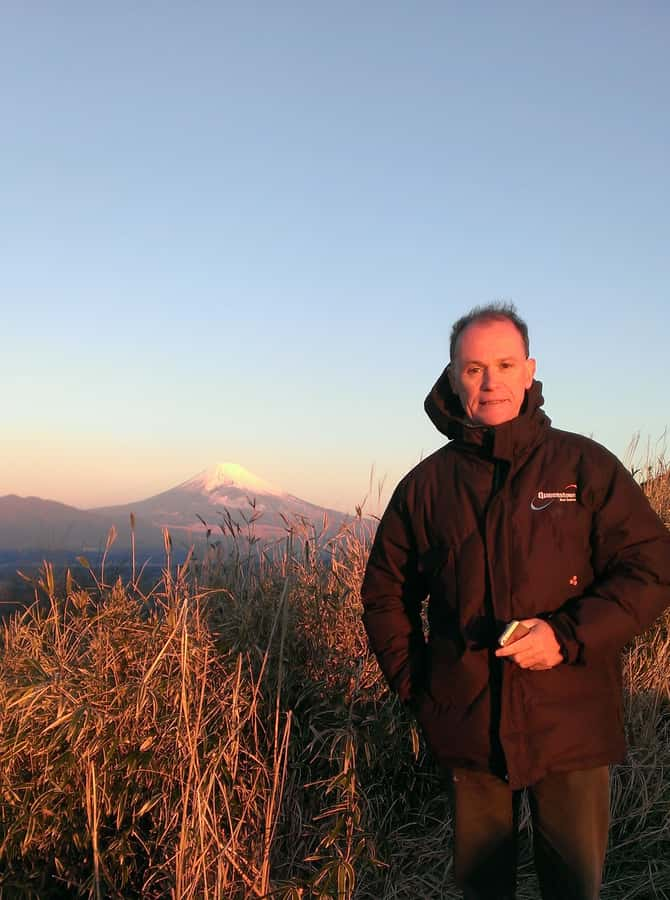
- Lake Ashi lunch by the water and a Mount Fuji photo shot when weather cooperates
- Finish in Mishima with a walk along the Genbe River World Heritage Water Area
How this Old Tokaido hike feels like Japan’s backstory
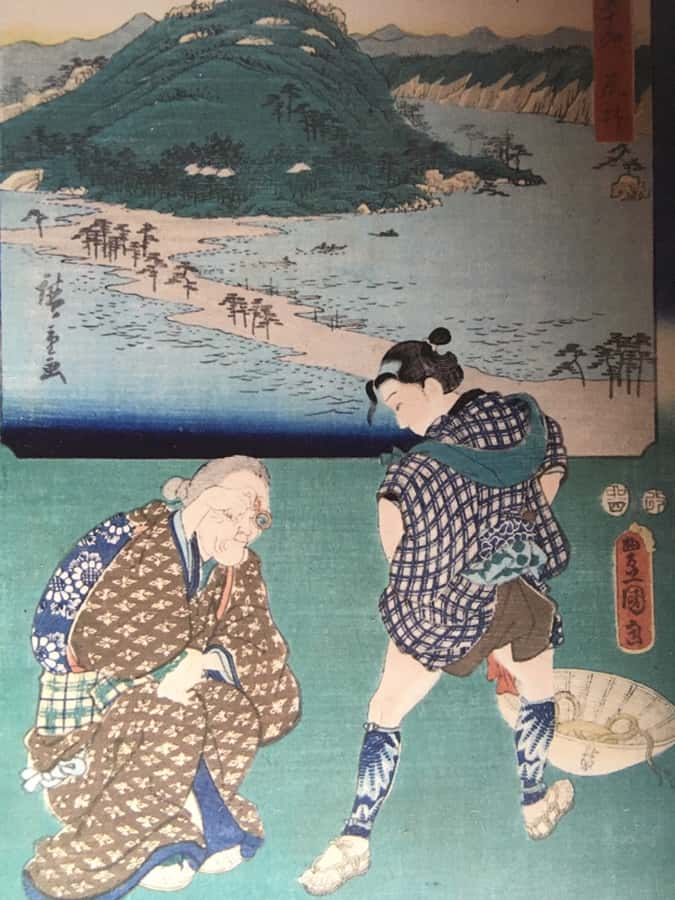
Hakone sits in the middle of one of Japan’s most famous travel corridors: the old Tokaido foot highway. In feudal times, that route mattered because it connected the new capital in the east to the older power centers in the west. On this hike, you’re not just checking a few landmarks. You’re walking a stretch of the highway where that movement of people, goods, and ideas would’ve been happening day after day.
What makes it work is the pacing and the sequence. You start with a practical rail-to-meetup transition, then ease into the day with warm amazake. After that, the trail does what great old roads do: it leads you through changing environments—forest shade, lake air, and fortress ruins—so the story keeps updating as you move.
Also, the guide’s role is more than narration. The route is organized with breaks and photo stops, and it’s designed around the kind of weather Hakone is known for. If clouds move in, you still get value from the cedar forest and the checkpoint-era atmosphere.
You can also read our reviews of more tours and experiences in Hakone.

The day’s logistics that keep you from wasting time
This is a private group experience for up to 6 people, with an English live guide and a total duration of about 8 hours. The walking total is roughly 8 miles. Transport and lunch are not included, but the plan is specific enough that you can follow it without guessing.
Here’s the core flow, with what each step is really for:
Tokyo to Odawara, then to Hakone Yumoto
You’ll catch Tokaido Shinkansen Kodama #707 departing Tokyo at 07:57 and arriving Odawara at 08:30. From Odawara, you take the local train onward to Hakone Yumoto Station, where the guide meets you.
Why this matters: starting early helps you hike when daylight is still clean and visibility is better for that Mount Fuji photo opportunity later.
Bus or taxi to the teahouse near Amazake Chaya
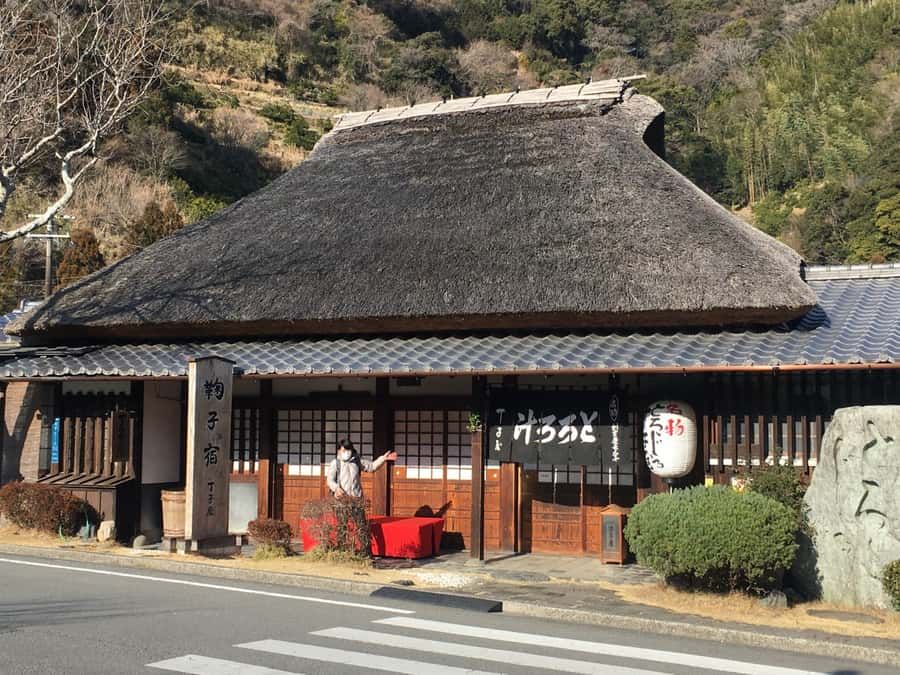
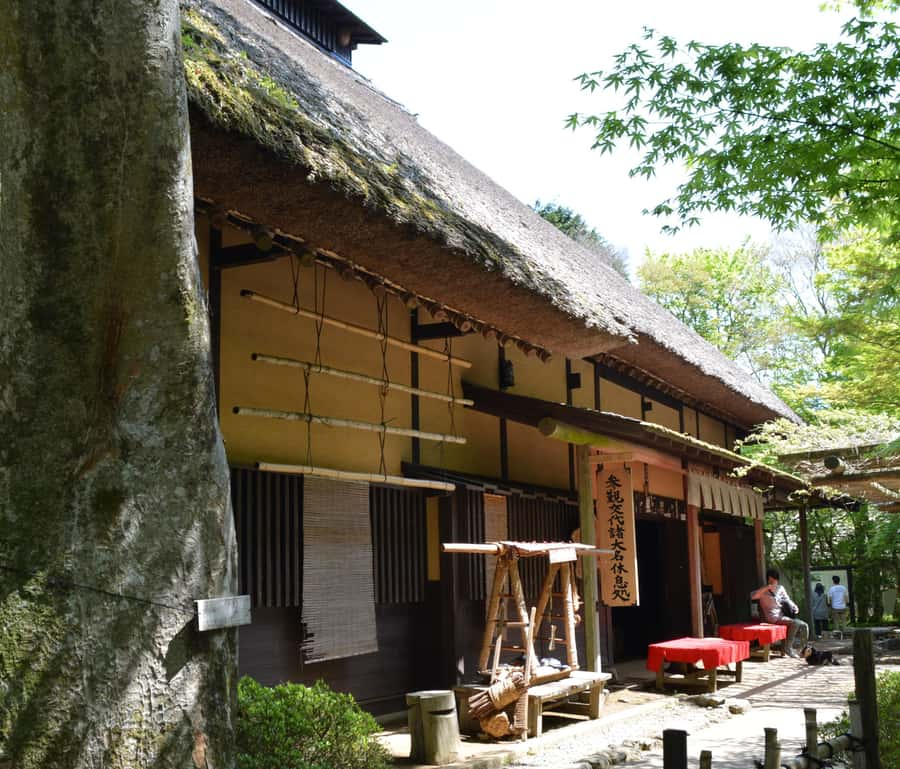
From Hakone Yumoto, you’ll head by bus or taxi to near Amazake Chaya teahouse, one of the few that remain from a time when hundreds of teahouses lined the old road.
This first stop isn’t just a snack. It’s your entry point into the Tokaido rhythm: travelers would’ve relied on these small places for warmth, drinks, and news along the route.
Amazake at a surviving teahouse: the warm-up you’ll actually remember
The teahouse moment is one of the most praised parts of the experience. You’ll have heart-warming amazake, a non-alcoholic sweet rice drink served warm. It’s a gentle way to start a hike in cooler Hakone weather and it gives you a sensory anchor for everything you’ll walk afterward.
In past days, this teahouse stop has been described as around 400 to 500 years old. That kind of age adds weight to the day, because the old road wasn’t only about distance—it was about daily routines and small stops along the way.
Practical tip: bring your jacket even if it looks mild when you leave the station. Forest walks can feel cooler, and warm drinks are best enjoyed when you can keep moving after.
Old stone-paved Tokaido through the forest to Lake Ashinoko
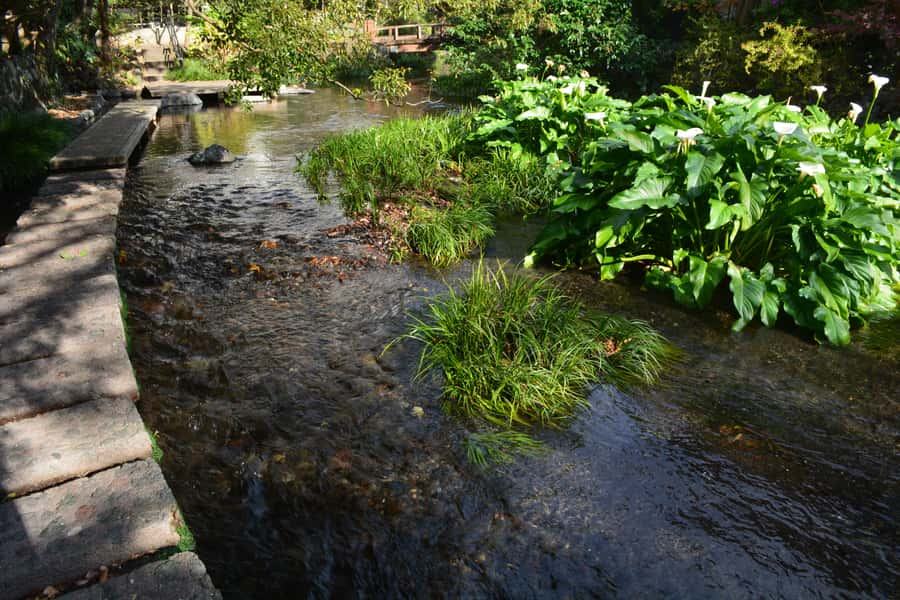
After the tea stop, you follow the stone-paved Tokaido foot highway on foot through the forest, descending toward the shore of Lake Ashinoko in Moto-Hakone.
This section is where the hike earns its calm. Stone paths and forest corridors naturally slow you down. You stop without realizing it, because you’re watching your steps and taking in the quieter details: the way the road curves, the shade density, and how the air changes as you near the lake.
Moto-Hakone and the lakeside break
Once you reach Lake Ashinoko, you get a break time and lunch (lunch is not included). This is also your chance to refill water and reset your energy before the cedar-heavy stretch.
If you like photographing details, this is a good moment: the lake’s color depends heavily on sky conditions, and your cedar forest shadows will contrast nicely once you’re back on the path.
Cedar Avenue and Hakone Checkpoint: where the trail turns dramatic
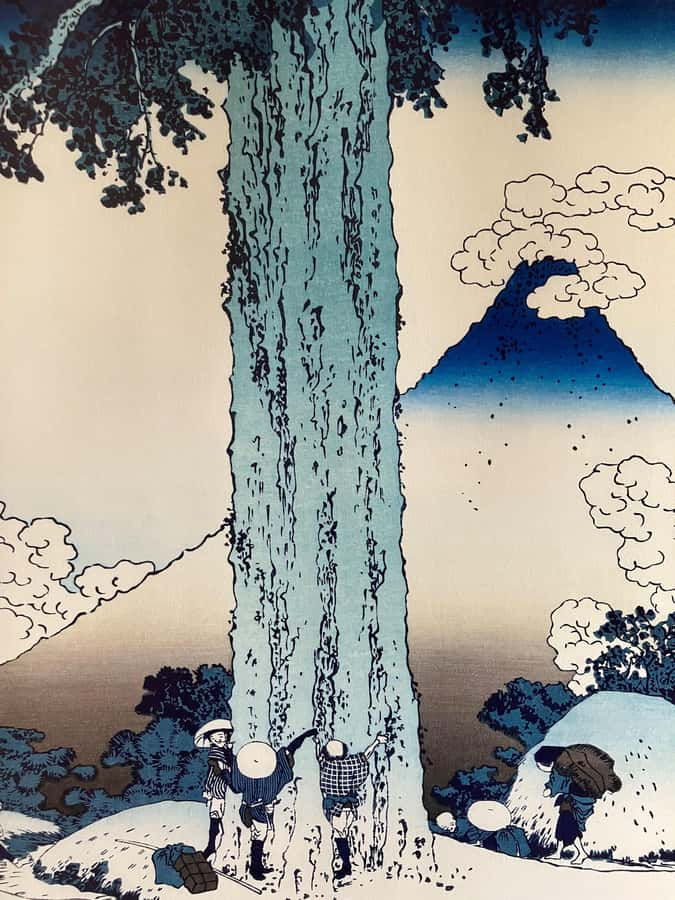
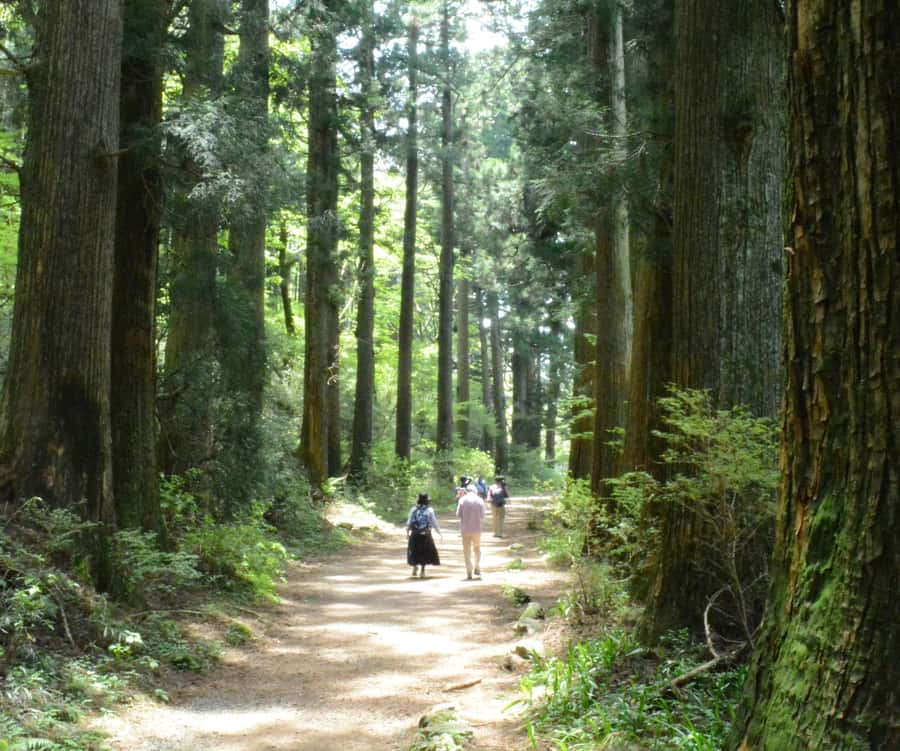
Next comes a mile-long Cedar Avenue lined on both sides with towering trees—about 400 years old. It’s not just pretty. It creates a corridor effect that makes this part of the hike feel different from the forest approach. Light gets filtered. Sound changes. The road rhythm becomes almost ceremonial.
After Cedar Avenue, you reach Hakone Checkpoint. This is one of those places where the trail stops being “nature time” and becomes “Japan history time.” Checkpoints were about control and passage. So walking toward and through the checkpoint area helps you understand why this corridor mattered.
If you’re the type who likes history you can touch, this is a high-value section.
Yamanaka Castle Ruins and the Fuji photo try
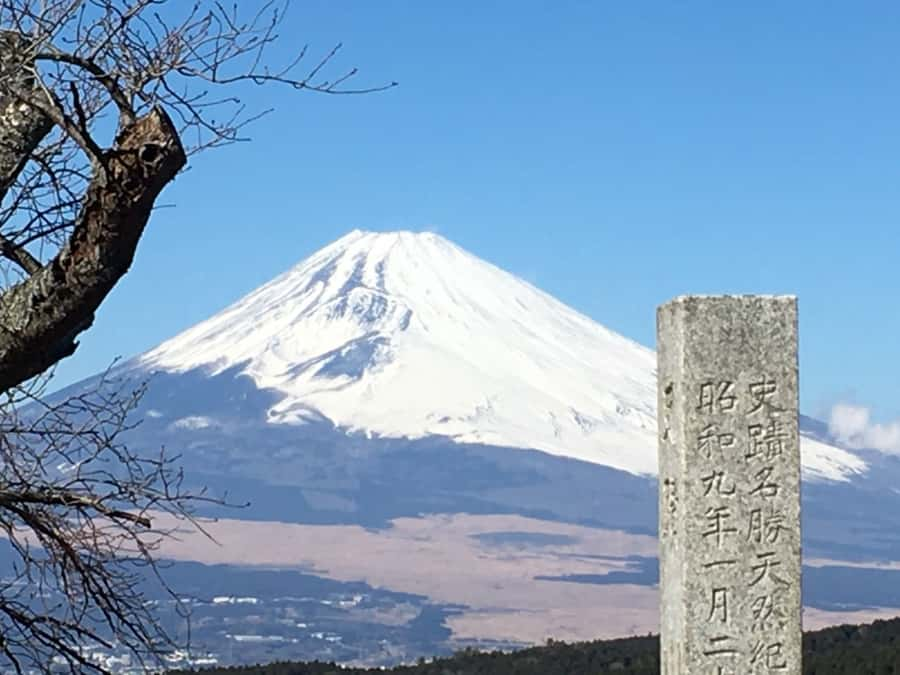
You rejoin the Old Tokaido for a largely forested hike toward Yamanaka Castle Ruins. Then you get a Mount Fuji photo opportunity if the weather is cooperating.
A castle ruins stop is useful because it gives shape to the landscape in your head: this route wasn’t only for merchants and travelers. It mattered strategically too. Even if you don’t know all the details, ruins help you read the past using basic cues—elevation, vantage, and the idea of defense.
And yes, Mount Fuji is weather-dependent. If it’s hidden, you won’t be left with nothing. You’ll still have the checkpoint and cedar corridor, plus the workmanlike hike through forest sections that keep the day coherent.
Lunch by Lake Ashi: how to handle it since it’s not included

Lunch isn’t included, so plan to treat the lakeside break as your reset window. You’ll have time built in (about 50 minutes), which is enough to grab something nearby without rushing.
What I’d do if I were planning: choose food that won’t slow you down on the next hike segment. Think warm and filling, not heavy and hard to digest. If you’re sensitive to caffeine, skip the extra strong stuff too—your later walking needs stable energy.
Mishima’s Genbe River World Heritage Water Area to wrap up the day
After finishing the Hakone sections, you’ll head by bus or coach to Mishima and then stroll along the Genbe River World Heritage Water Area near Mishima Station.
This ending matters because it changes the theme from old road to living water culture. The walk is shorter (about 30 minutes at the visit stage), so it feels like a gentle landing rather than a final grind.
Then you take the Tokaido Shinkansen Kodama #734 departing Mishima at 17:24 and arriving Tokyo at 18:18 (your exact return plans still depend on what you arrange).
The guide factor: why Tony’s communication and storytelling raise the value
The biggest differentiator here is the guide. Many people describe Tony as both communicative before the hike and strong at explaining what you’re seeing in plain English. That matters because Old Tokaido walking can feel like scenery unless someone gives you a thread to follow.
Here are the guide elements you should care about:
- Clear coordination before you meet up, including helping you sort the right trains and what to expect with weather.
- Smart pacing during the hike. One key benefit of a private route is that you can move at the right speed instead of getting swept along with a larger group.
- Practical support with safety. On steeper or slippery sections, having extra equipment to reduce falling risk can make you feel calmer.
- Extra effort around the teahouse experience. People have mentioned conversations translated by Tony with teahouse owners, which turns a stop into a memory you can explain later.
Also, this tour is set up as a private group. That means you’re not stuck waiting for the slowest person in a crowd, and you can ask questions that match your interests—history, daily life, or how the route shaped movement between regions.
Price and value: $451 per group can be either a steal or steep
The price is $451 per group up to 6 people for an 8-hour private guided experience. Transport and entry fees, refreshments, lunch, and souvenirs are not included.
Here’s how I think about value:
- If you’re a solo traveler, the price is steep, because you’re paying for full guide time and coordination.
- If you split with 4 to 6 people, it can become reasonable fast, since guide time is the main cost driver.
At the upper end (6 people), you’re effectively paying about $75 per person for an English private guide and a full day structured around an Old Tokaido hike with tea and lakeside stops. At smaller group sizes, you’re paying more per person for convenience, translation, and route expertise.
In other words: this is a strong fit if you’re traveling with friends or family who actually want to hike and talk history.
Who this is perfect for, and who should skip it
This tour is a good match if you:
- Want a guided walk on the Old Tokaido without having to figure everything out yourself
- Enjoy walking through history that you can physically see—checkpoint, cedar avenue, ruins
- Prefer a private experience with an English guide and a flexible pace
It may not be ideal if you:
- Have mobility limitations (it’s not suitable for mobility impairments)
- Want only easy, flat walking the whole time
- Hate hiking stamina challenges, since parts of the climb can test your legs
If you’re unsure, decide based on your comfort with steep forest sections and your willingness to wear sports shoes and move steadily.
Should you book this Hakone Hachiri Old Tokaido hike?
Book it if you want Hakone beyond the usual big-ticket sights. This route gives you the texture of the Tokaido corridor—stone road, old teahouse tea, cedar shade, checkpoint history, and a lakeside break that keeps the day from turning into one long grind.
Skip it if you’re traveling with anyone who can’t handle uneven stone, forest stairs, or uphill sections. And if you’re solo and hiking is your only goal, you might find lower-cost self-guided options, since the private guide is the main reason this feels expensive.
My practical verdict: for small groups who like walking and storytelling, this is a solid use of time. The guide-centered experience is the difference between seeing Hakone and understanding why this old road mattered.
FAQ
Where does the hike start and end?
You start at Hakone-Yumoto Station and the experience finishes at Mishima Station.
How long is the tour?
The duration is about 8 hours.
Is this a private tour?
Yes. It’s listed as a private group.
How much walking is involved?
Total walking is about 8 miles.
What language is the guide?
The live tour guide is English.
What is included in the price?
Included items are the guide fee, guide’s expenses, and guide’s gratuity.
What is not included?
Transport, entry fees, refreshments, lunch, and souvenirs are not included.
What should I bring?
Bring a hat, a jacket, and sports shoes.
Is the tour suitable for people with mobility impairments?
No, it is not suitable for people with mobility impairments.