REVIEW · TAKAYAMA
Kanazawa: World Heritage Shirakawa-go & Two Local Experience
Book on GetYourGuide →Operated by Japan Panoramic Tours · Bookable on GetYourGuide
One of Japan’s most storybook villages is only a day away. This Kanazawa-to-Shirakawa-go day trip strings together UNESCO Gassho-zukuri sights plus Kanazawa’s garden and craft culture in one well-timed loop.
I particularly like the professional English-speaking guiding (with guides such as Yasushi, Aiko, Keita, Nagomi, Yosushi, and Ciel popping up in the experience) because they explain what you’re looking at, not just where to walk. I also love the hands-on parts in Kanazawa—either wagashi-style sweets or Daruma painting, plus a gold leaf craft moment that actually turns into something you can taste or take home.
One consideration: it is a packed 9-hour day, so if you prefer very slow sightseeing, you may feel slightly rushed at some stops (especially the brief time in Higashi Chaya District).
In This Review
- Key highlights worth your attention
- A one-day hit of UNESCO Shirakawa-go and Kanazawa’s craft side
- Getting to Shirakawa-go fast (and why timing matters)
- Shirakawa-go: walk the Gassho-zukuri village like you have a cheat sheet
- Kanazawa garden time at Kenrokuen: more than just pretty views
- A quick Kanazawa Castle walk for orientation
- Wagashi or Daruma painting: hands-on craft that’s actually fun
- Gold leaf in Kanazawa: taste it, see it, and take a piece home
- Higashi Chaya District: geisha-era atmosphere in a short visit
- The real value in the price (and what you’re paying for)
- Who this tour suits best
- How to get the best experience out of the day
- Should you book this Kanazawa and Shirakawa-go day tour?
- FAQ
- How long is the tour?
- Where do I meet the group?
- Is transport included?
- What languages are available?
- What’s included besides the guide?
- Is lunch included?
- What craft experiences do you do in Kanazawa?
- Are pets allowed?
Key highlights worth your attention
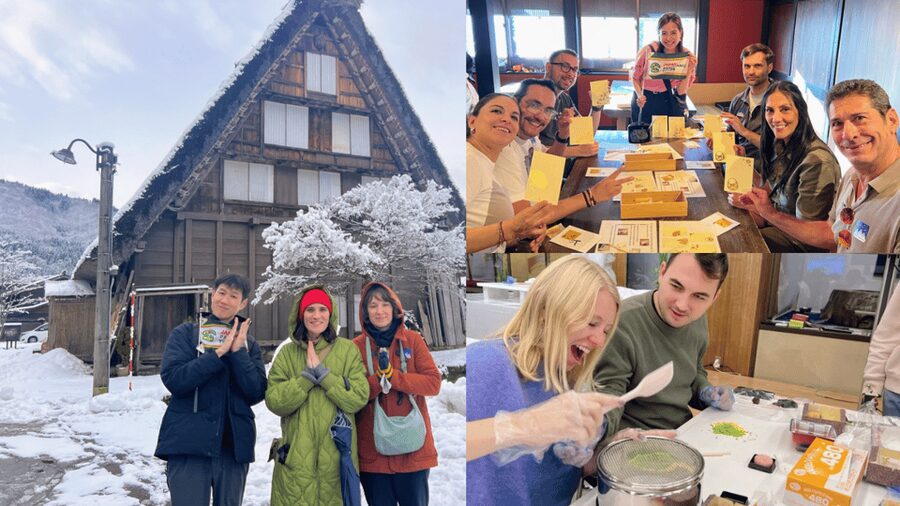
- Early arrival to Shirakawa-go helps you enjoy the village with less crowd pressure before day trips multiply.
- Kenrokuen Garden guidance gives you a better read on how this famous landscape is designed and why certain viewpoints matter.
- Hands-on workshop time in Kanazawa (wagashi or Daruma painting) is more fun than it sounds.
- Gold leaf craft + gold leaf ice cream makes Kanazawa’s specialty feel real, not like a tourist checkbox.
- Comfortable transport with free Wi-Fi keeps the day moving without feeling exhausting.
A one-day hit of UNESCO Shirakawa-go and Kanazawa’s craft side
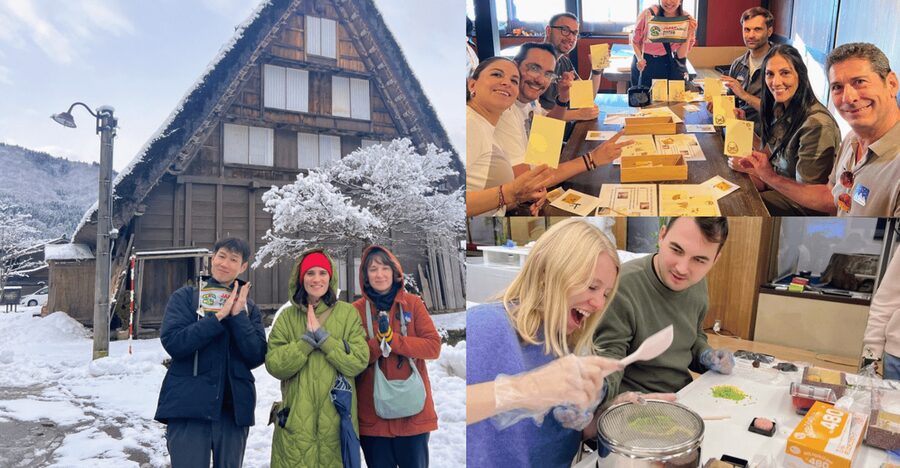
If you’re basing yourself in Kanazawa, this tour is a smart way to add Shirakawa-go without turning your day into a logistics puzzle. You leave from Kanazawa Station West Plaza and head directly by air-conditioned coach to Shirakawa-go via the expressway, with free Wi-Fi so the ride doesn’t feel like dead time.
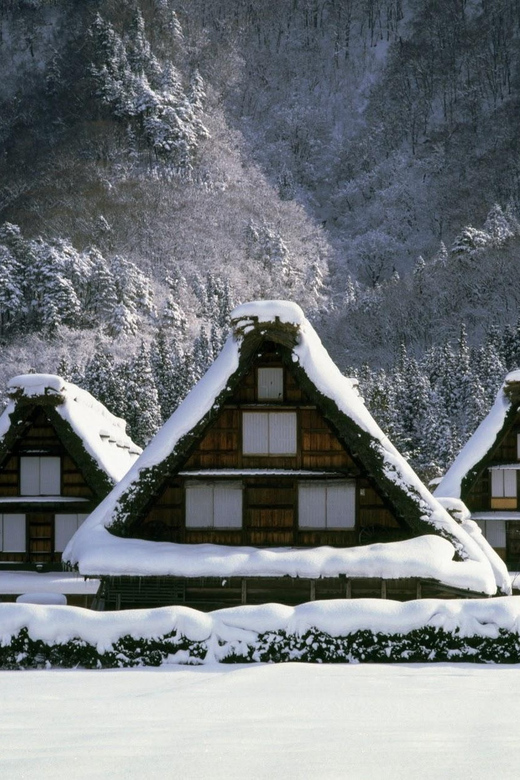
In the UNESCO village, you’re walking through the famous Gassho-zukuri architecture—houses shaped for heavy snowfall, with steep thatched roofs that look almost too perfect to be real. Then you pivot back to Kanazawa for the kind of culture the city does best: gardens, geisha-era streets, and crafts you can watch (and sometimes make).
The best part is the balance. You get guided context early, then you get enough room to stroll and take photos on your own, especially in Shirakawa-go. By the afternoon, the experience turns from “look” into “do,” which is where many people rate this trip so highly.
You can also read our reviews of more tours and experiences in Takayama.
Getting to Shirakawa-go fast (and why timing matters)
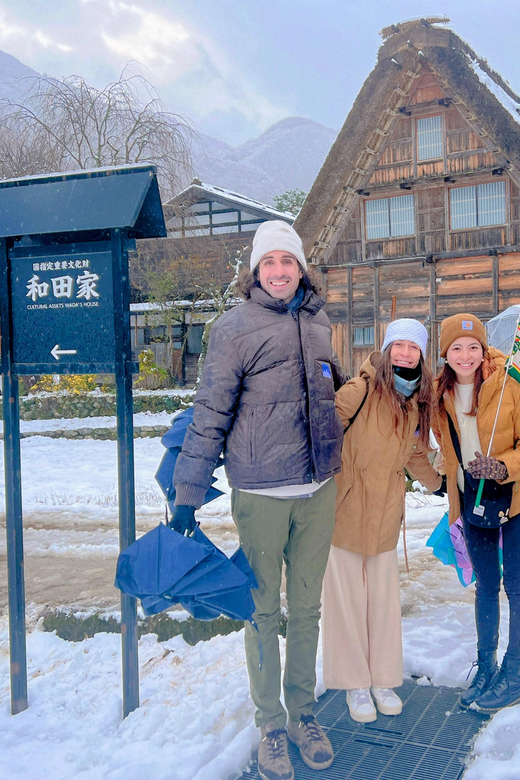
The day starts early for a reason. Check-in is at 7:50 AM and the coach departs at 8:00 AM. That means you’re not fighting the usual mid-morning crush, and it gives you a calmer feel as you arrive.
The coach ride is about 80 minutes each way (plan on roughly an hour in the bus, plus village time). You’ll have commentary from the guide during the drive, and the extra details help you understand why Shirakawa-go looks the way it does—especially if you’ve never seen this kind of rural architecture up close.
Practical tip: wear comfortable shoes. The village has plenty of walking, and snowy or wet conditions can slow you down.
Shirakawa-go: walk the Gassho-zukuri village like you have a cheat sheet
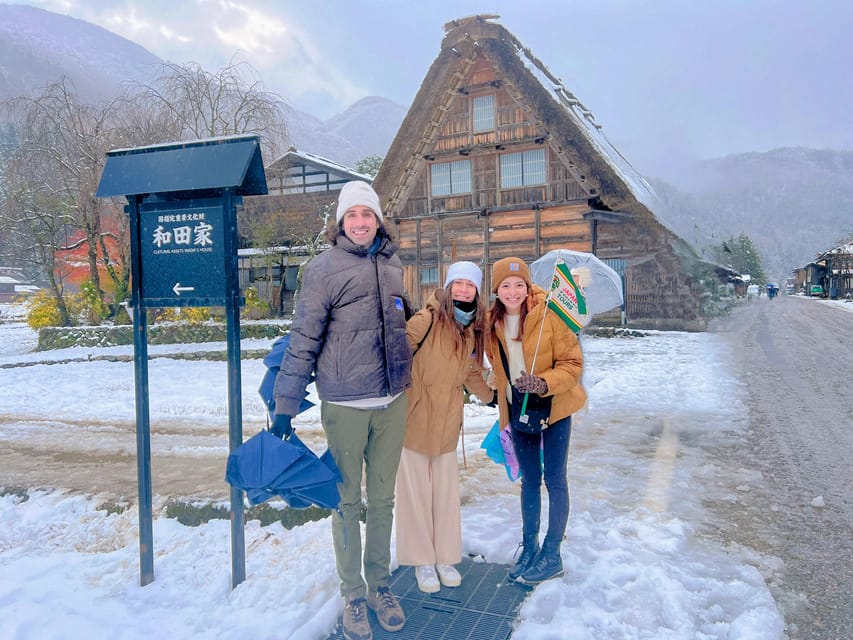
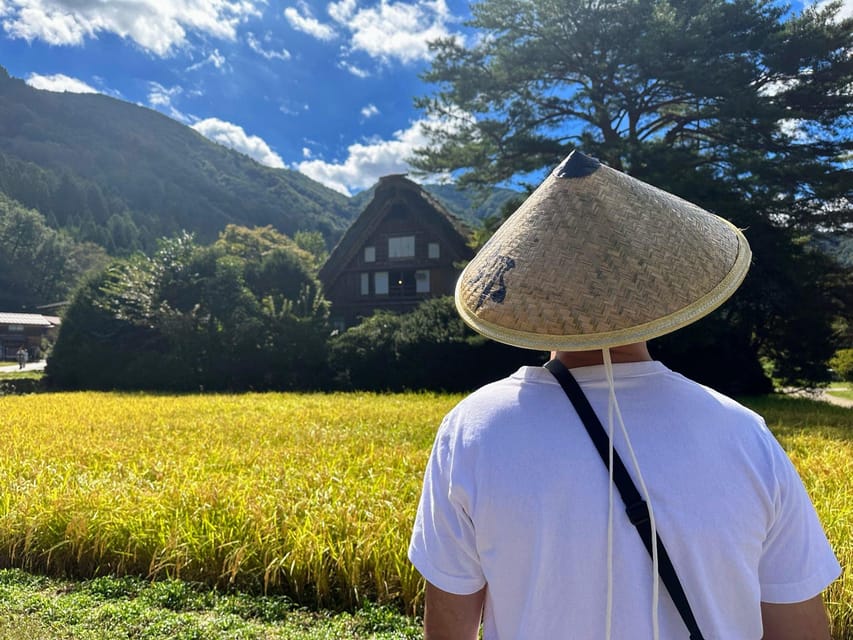
You’ll get a photo stop and a guided visit in Shirakawa-go for about 2.33 hours, with time for wandering after the guided walk. This is one of the biggest values in the tour: you’re not just dropped at a viewpoint and left to guess what you’re seeing.
Your guide explains what matters, like how the village layout and house construction connect to life in a snowy region. That context makes the roofs, paths, and overall village feel less like a picture backdrop and more like a lived-in system.
You also have a real chance to interact with the setting through small food moments. The tour info points out local specialties you can look for on your own time in Shirakawa-go—like Hida beef and Doburoku ice cream. Even if you don’t eat everything, having the option keeps the village from feeling purely visual.
Lunch isn’t included, but you’re given time to handle it your way. That flexibility matters here because the village experience is short enough already; you don’t want your day hijacked by a generic boxed meal.
Kanazawa garden time at Kenrokuen: more than just pretty views
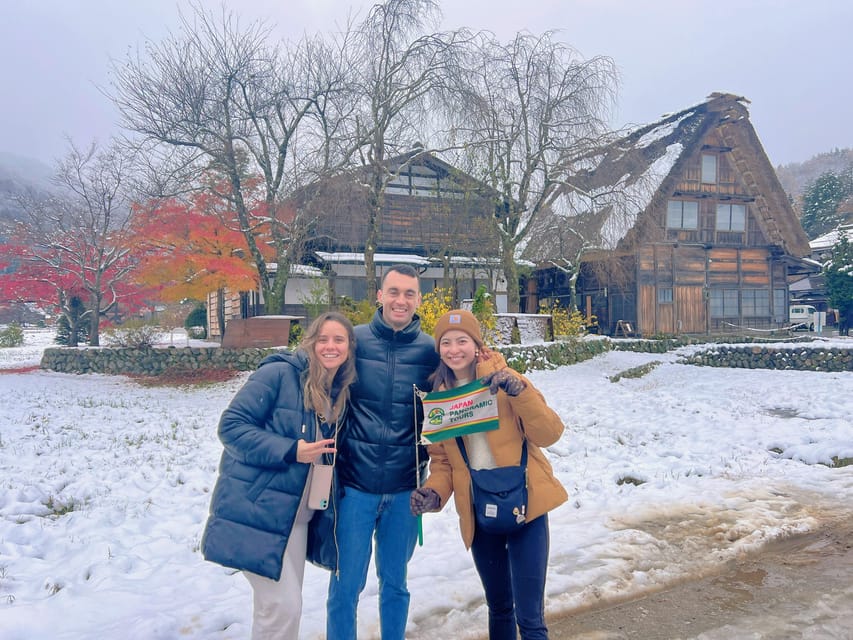
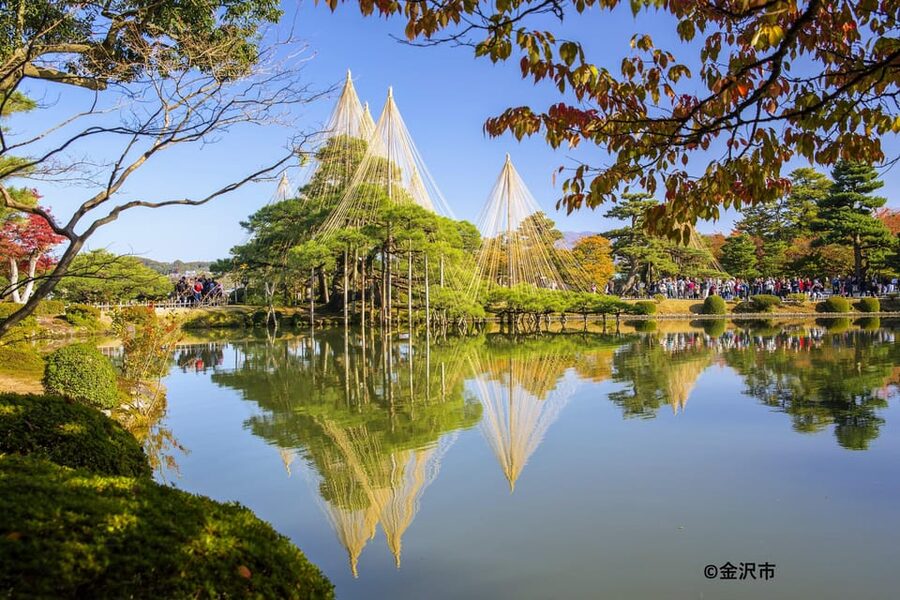
After Shirakawa-go, you return to Kanazawa for Kenrokuen Garden. This is one of Japan’s top gardens, and the tour gives it proper attention with about 1 hour on-site, including guide interpretation.
What I like about this stop is the way the guide explains design logic. Kenrokuen isn’t just scenery. You learn the idea that different elements create viewpoints—think water, trees, flowers, stones, bridges, teahouses, and hidden corners. When someone explains that, your walking route starts making sense.
One practical advantage: you’re not staring at a map and hoping you pick the “right” side. The guidance helps you notice details you might otherwise skip, especially if it’s your first time seeing a Japanese garden.
Also, timing can change your experience. If you’re visiting in colder months, you might catch snow or frosty light that turns the garden into something extra, and the guide’s explanations help you enjoy it beyond the obvious photos.
A quick Kanazawa Castle walk for orientation
The day includes a walk around Kanazawa Castle. This is not a long museum-style stop; it’s more of a grounding moment to connect the city’s layout to what you’re seeing elsewhere.
If you’ve only got one day in Kanazawa, this kind of orientation helps your next stroll feel more intentional. You can connect the dots between the refined garden culture, the craft districts, and the older entertainment streets you’ll visit later.
Wagashi or Daruma painting: hands-on craft that’s actually fun
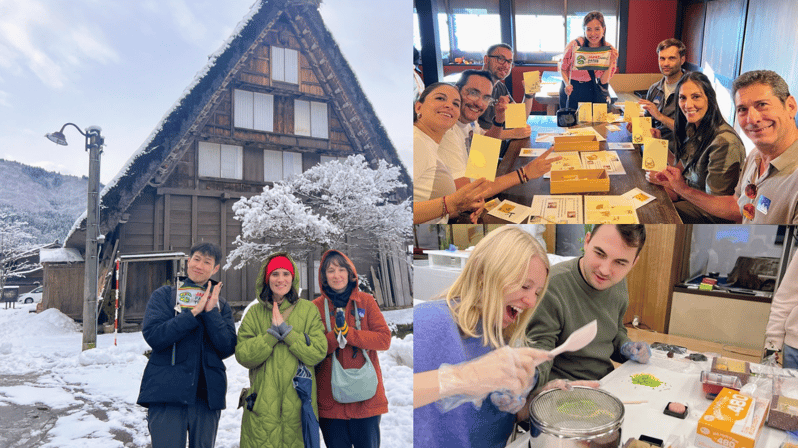
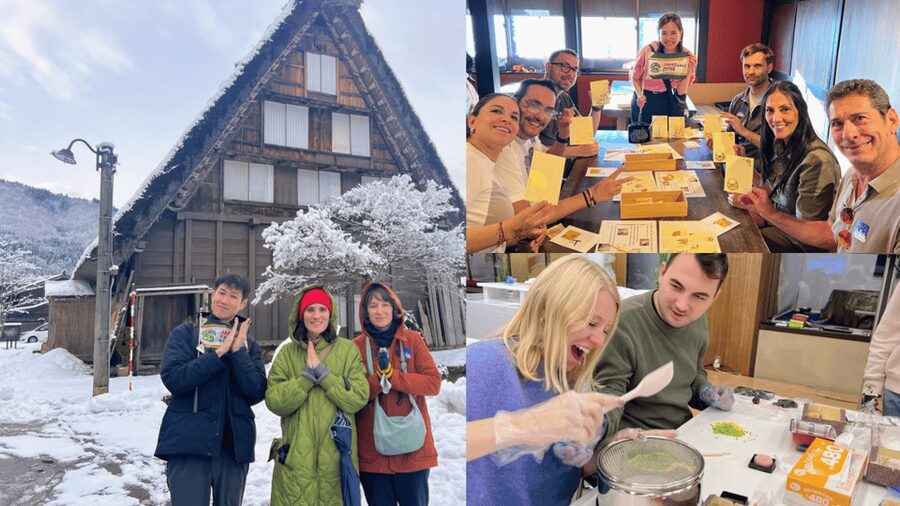
Here’s where the tour turns from sightseeing into participation. In Kanazawa, you’ll do a workshop with admission included for Japanese sweets-making (wagashi) or, depending on the craftsman’s schedule, painting Daruma dolls. The time block is about 50 minutes for shopping and workshop.
Two things make this workshop valuable:
- You’re not just watching a demonstration. You’re making something, even if it’s small. That shifts the day from passive to memorable.
- It connects to regional identity. Kanazawa is serious about craft, and this is the tour version of “see how the culture feels in your hands.”
In the feedback from guides like Aiko and Yasushi, people often call out that the sweets class feels more engaging than they expected. Others specifically mention enjoying Daruma painting as a relaxing, satisfying activity—especially when the guide explains what the symbols mean while you work.
If you’re someone who prefers to watch artists do their thing rather than do the hands-on part, this is the main possible mismatch. Still, it’s short enough that you should be able to enjoy it without it consuming the whole day.
Gold leaf in Kanazawa: taste it, see it, and take a piece home
Kanazawa produces 99% of Japan’s gold leaf, and this tour doesn’t treat gold leaf like a name-drop. The afternoon includes a gold leaf craft fee, plus a recommended way to experience it: gold leaf ice cream.
Even if you’re not usually a “food souvenirs” person, gold leaf ice cream makes the whole craft feel physical. You get the sensory hit—sweet, creamy, with that flashy gold-leaf finish—and it’s a quick way to appreciate what you’re seeing later in the craft context.
The tour also builds in another collectible moment: in Higashi Chaya District, you can make a postcard by pasting gold leaf. It’s simple, but it’s the kind of take-home item that actually reminds you of the day, not just a generic shop purchase.
Higashi Chaya District: geisha-era atmosphere in a short visit
The final destination is Higashi Chaya District, historically an entertainment area where geisha performed traditional arts. You’ll have about 30 minutes to visit and then 30 minutes for a workshop, keeping the total time here around an hour.
Because the time is limited, this isn’t a deep-dive into geisha history. Instead, it’s a focused introduction to the streetscape—teahouses, the classic old-town mood, and the sense that Kanazawa’s refined culture still has living roots.
If you time it right in the evening, you might catch the sound of traditional instruments from teahouses, but the tour schedule keeps it more daytime-friendly. The practical win is that you finish your day in a district where walking feels enjoyable, not forced.
The real value in the price (and what you’re paying for)
At $116 per person for a 9-hour day, the cost is mostly paying for three things:
- Transportation in an air-conditioned coach with Wi-Fi and comfort for the long road to Shirakawa-go.
- Guiding + admissions that would add up fast if you tried to DIY it (Kenrokuen Garden admission is included, plus the workshop fees).
- Hands-on craft experiences in Kanazawa, including the gold leaf part.
If you’ve ever priced out doing Shirakawa-go plus Kenrokuen plus workshops on your own, you’ll see where the value sits. Even with lunch not included, this is still a bundle that saves planning time and helps you hit the must-sees without turning your day into a timetable stress test.
Who this tour suits best
This is a strong fit if you want:
- a single-day way to get UNESCO Shirakawa-go plus Kenrokuen without heavy planning
- a tour guide who explains context clearly (people repeatedly highlight guide energy and strong English)
- hands-on culture, not just museum-style stops
It may not be ideal if you want:
- lots of unscheduled wandering
- a slow travel pace with minimal structure
How to get the best experience out of the day
A few habits can make the tour feel easier:
- Bring comfortable shoes and dress for weather. Shirakawa-go can be cold or wet depending on the season.
- Keep your lunch flexible in Shirakawa-go since it’s not included. If you’re planning to try something like Hida beef or Doburoku ice cream, leave room for that.
- If you care about the workshop outcome, note that you may do wagashi sweets or Daruma painting, depending on the craftsman’s schedule.
- Use the guide’s explanations while walking Kenrokuen and around Shirakawa-go. Those minutes are where the day becomes more than photos.
Also, if your travel date falls on December 24th, expect a route adjustment where Shirakawa-go is handled as a morning tour and the day ends at Kenrokuen. The operator says they’ll guide you with options if you already booked this full-day product.
Should you book this Kanazawa and Shirakawa-go day tour?
I’d book it if this is your first (or only) chance to see Shirakawa-go + Kenrokuen in one day and you want craft experiences included rather than left to chance. The standout reason is the combo: guided understanding early, then do-it-yourself culture in the afternoon, plus transport that keeps the route simple.
Skip it if you’re the type who wants long, quiet time in just one place. This tour gives you breadth, not endless depth.
If you’re on the fence, here’s a good rule: if you enjoy guided storytelling and hands-on workshops—even short ones—this is a solid way to make your Kanazawa trip feel bigger than the city alone.
FAQ
How long is the tour?
The tour runs for about 9 hours total.
Where do I meet the group?
You meet at Kanazawa Station West Plaza, Short-term Car Park, with check-in at 7:50 AM and departure at 8:00 AM.
Is transport included?
Yes. You travel by air-conditioned coach, and the coach offers free Wi-Fi.
What languages are available?
The guide provides Japanese and English commentary. Audio headsets are included in Spanish, French, Italian, German, Portuguese, and Ukrainian.
What’s included besides the guide?
Admission fees for Kenrokuen Garden, the Japanese sweets-making or Daruma painting workshop, and the gold leaf craft are included.
Is lunch included?
No. Lunch is not included, and you’ll have time to get your own meal in Shirakawa-go.
What craft experiences do you do in Kanazawa?
You’ll either make Japanese sweets (wagashi) with an artisan or paint Daruma dolls, depending on the craftsman’s schedule. You also do a gold leaf craft experience.
Are pets allowed?
No, pets are not allowed on this activity.