REVIEW · NARA
Nara: Half-Day UNESCO Heritage & Local Culture Walking Tour
Book on GetYourGuide →Operated by MagicalTrip · Bookable on GetYourGuide
Nara’s first capital feels surprisingly human. This half-day walk mixes two UNESCO World Heritage sites with quieter lanes in old Nara, plus a lunch that leans local instead of touristy. Along the way, you also get that unmistakable Nara moment: deer wandering close enough to turn your camera into a reflex.
I really like the way the route connects religious landmarks to everyday town life, not just checklists. Todai-ji and Kasuga Taisha are the headline stops, but the small detours through local streets (including a merchant-house peek and a hillside view) help it feel like you’re moving through a real neighborhood.
One consideration: it’s a walking-focused tour. You’ll cover quite a lot in 5 hours, and the lunch is not vegan-friendly, with special needs like gluten-free needing advance notice.
In This Review
- Key highlights you’ll feel right away
- UNESCO landmarks that make Nara feel like more than sightseeing
- Getting started at Kintetsu Nara Station (and avoiding the classic mistake)
- Old-town streets, a merchant house look, and that pyramid-shaped pause
- Kōfuku-ji: a shorter temple visit that sets your mindset
- Todai-ji and the Great Buddha: the day’s major wow factor
- Kasuga Taisha’s lanterns plus Nara Park deer feeding
- Local lunch: Nara vegetables and fresh meat (with real limits)
- Pacing, small groups, and why guides like Miyabi and Peco matter
- Practical tips so your 5 hours stay fun
- Should you book this Nara half-day UNESCO walking tour?
- FAQ
- Where is the meeting point for the tour?
- Which station should I use: Kintetsu Nara or JR Nara?
- How long is the tour?
- Is lunch included, and what is it like?
- What’s included besides lunch?
- Are there dietary restrictions?
- What language is the tour guide?
- Is the tour private or small group?
- How do cancellation and refunds work?
- Do I need cash for anything?
Key highlights you’ll feel right away
- Todai-ji (Great Buddha) plus Kasuga Taisha (hundreds of lanterns) in one efficient route
- A break from the main crowds with off-the-map streets and a traditional merchant-house look
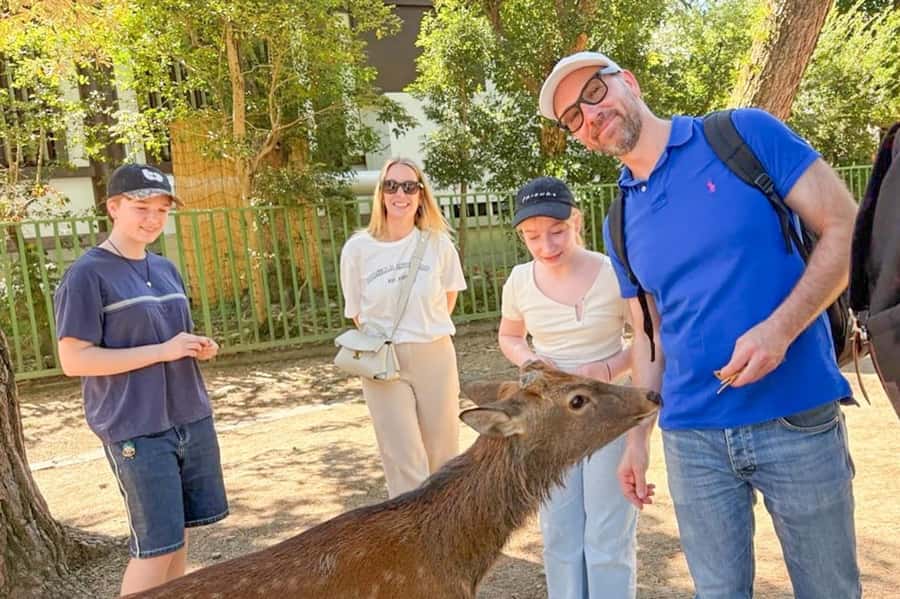
- Nara Park deer: you’ll feed them with crackers provided for the experience
- A real lunch built around Nara vegetables and fresh meat, served as part of the tour
- Small-group energy, with guides who keep pace while still leaving room for questions
- Entrance fees and the deer-feeding crackers are included, so you’re not hunting tickets mid-walk
UNESCO landmarks that make Nara feel like more than sightseeing
Nara is different from Japan’s faster cities. Tokyo can feel like motion on motion. Nara feels slower, more tied to place. That’s exactly why this tour works: it takes you to the spiritual anchor points that shaped the city, then ties them to the streets around them.
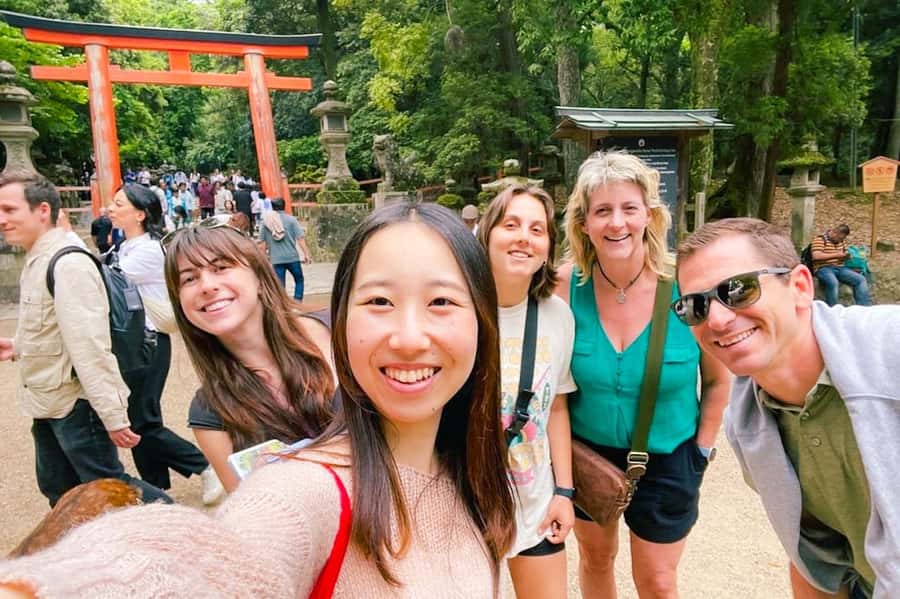
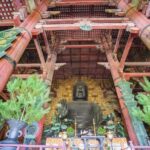
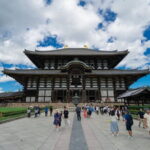
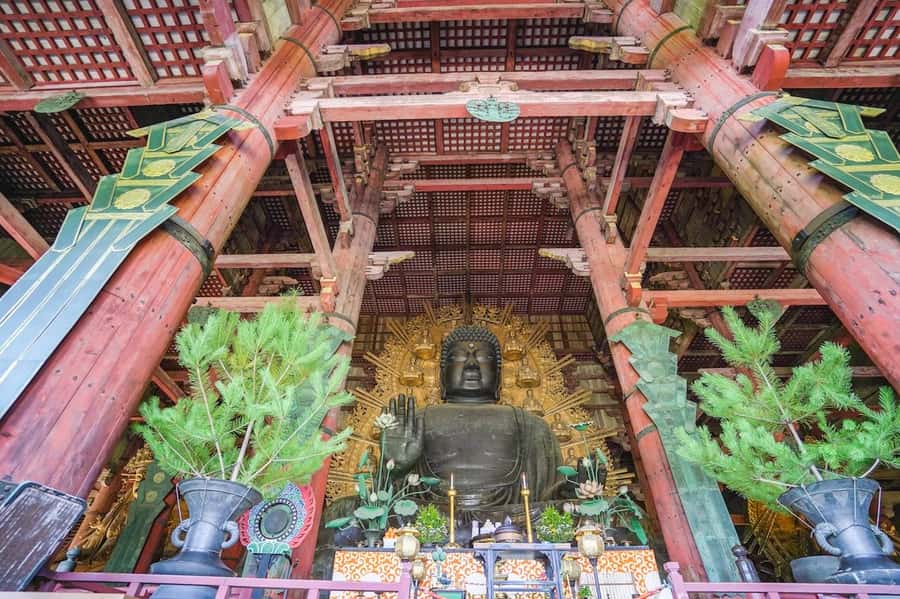
Todai-ji is the big, cinematic stop. You’ll see a huge temple space and the famous Buddha statue that makes people pause and look up without thinking. Kasuga Taisha shifts the mood into lantern atmosphere: hundreds of lanterns create a “how is this real life” kind of scene.
What I like is that the tour doesn’t treat religion as just architecture. You get explanations that help you understand how temples and shrines fit into Japanese daily life and beliefs, so your photos come with context, not just angles.
You can also read our reviews of more tours and experiences in Nara.
Getting started at Kintetsu Nara Station (and avoiding the classic mistake)
Plan your timing around the meeting point. The tour meets in front of the Gyoki Bosatsu statue near Exit 2, also called the East Exit, at Kintetsu Nara Station. Do not go to JR Nara Station—this is one of those small travel pitfalls that can waste your whole morning.
Arrive 10 minutes early. The tour starts on time, and you’ll want those first minutes to get oriented, say hello, and settle into walking mode.
You’re looking at a total duration of about 5 hours. That means you’ll move at a steady pace for a half day, with short breaks woven in. If you like your sightseeing with structure (and hate the stress of planning), this is a solid fit.
Old-town streets, a merchant house look, and that pyramid-shaped pause
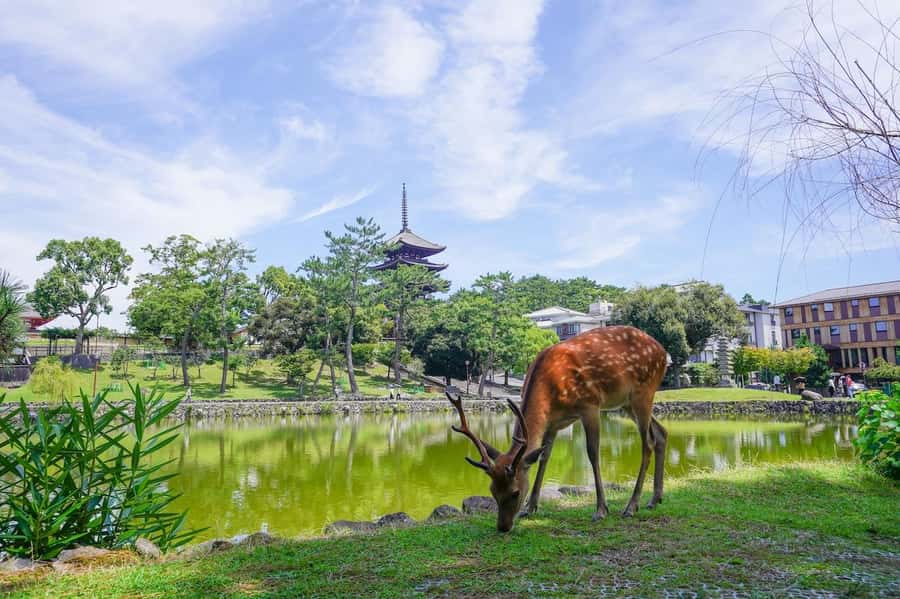
Before the big UNESCO stops, you’ll walk through Nara’s older lanes, including a shopping arcade area that feels nothing like the big, modern grid of Tokyo. This is where you get your bearings fast. You’ll see historical buildings, street textures, and that sense of a town designed for people, not traffic.
A standout moment is stepping inside a traditional merchant’s house to see how people around here lived in the past. Even if you only spend a short time inside, it changes how you view the neighborhood. You start noticing details like lattice work and how space was used.
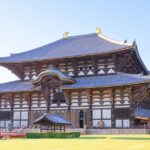
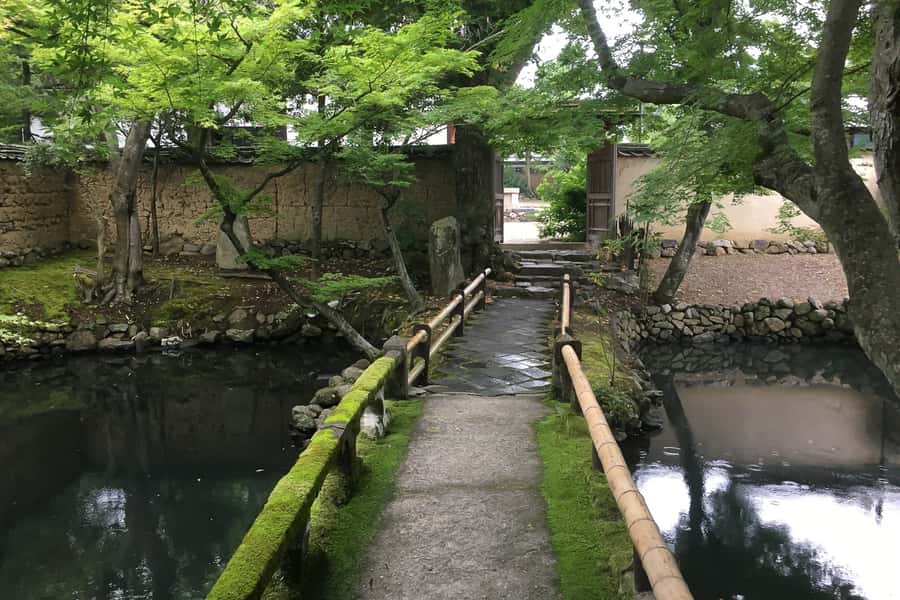
Then there’s that quiet-town interlude: you’ll stop to observe a mysterious pyramid-shaped structure, and you’ll get a view of the city of Nara from a nearby hill area. These in-between moments matter because they prevent the day from feeling like a straight line of temples-to-temples.
The tour also includes time along the Naramachi area and paths like Shimononegi-michi, so you’re not only stuck around the most obvious photo stops.
Kōfuku-ji: a shorter temple visit that sets your mindset
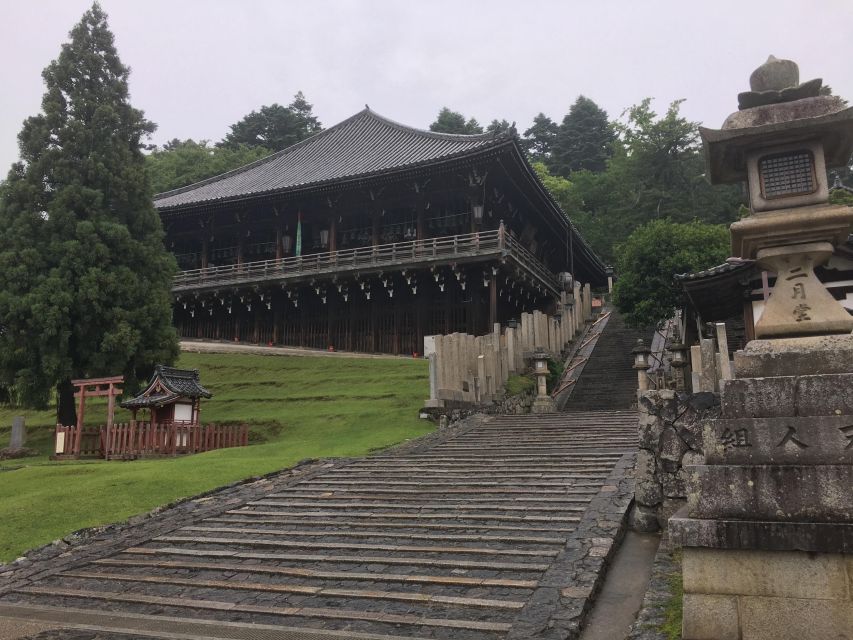
You’ll spend about 25 minutes at Kōfuku-ji. It’s not the longest stop, but it’s a useful one. This is the stage where the guide often helps you connect what you’re seeing to broader religious ideas and historical importance.
In practical terms: this part helps you switch gears. After Kōfuku-ji, Todai-ji doesn’t just look impressive—it starts to feel meaningful in a way that’s easier to hold in your head.
If you’re the kind of person who reads plaques and then forgets everything by the next stop, this section can still work. You get a short, focused hit that prepares you for the main temple.
Todai-ji and the Great Buddha: the day’s major wow factor
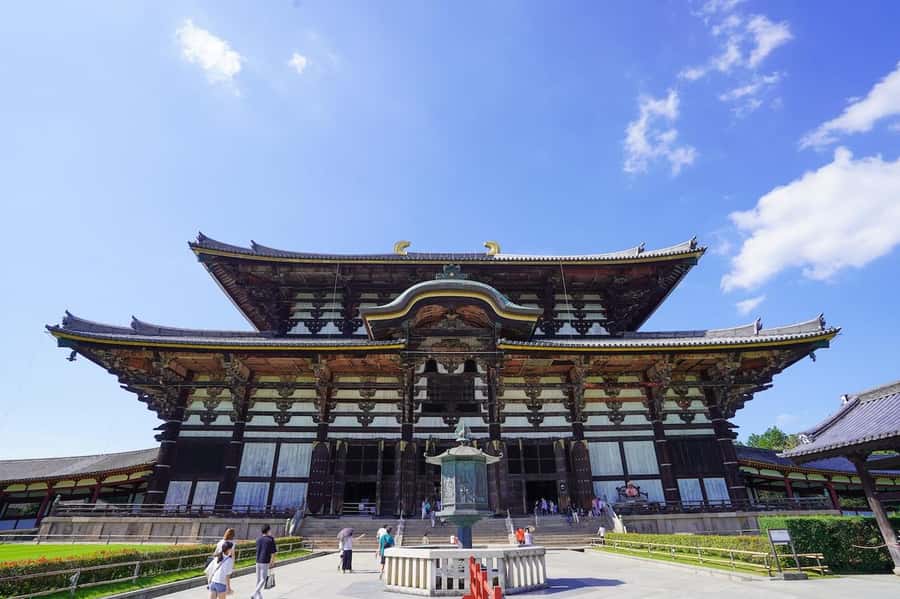
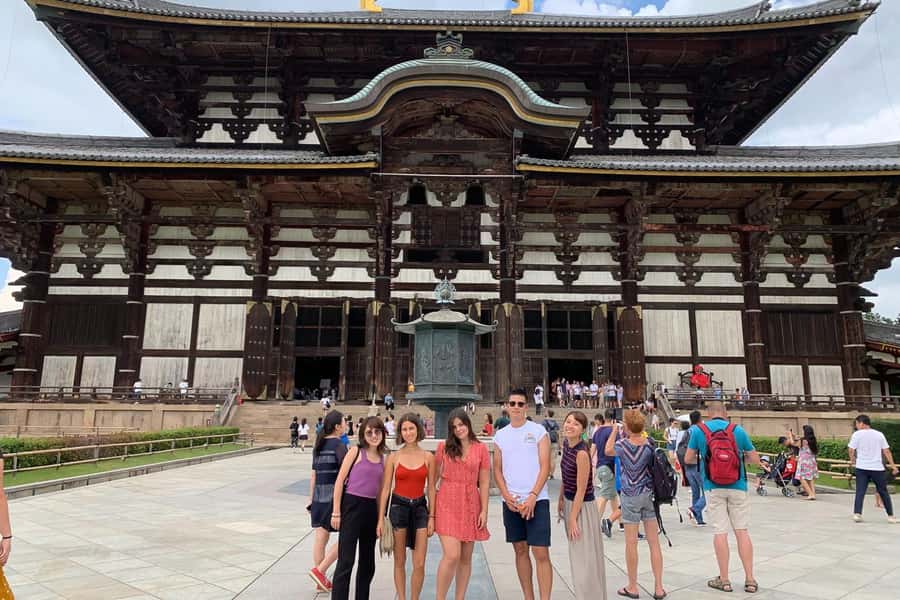
Todai-ji is where the tour’s energy peaks. You’ll have around 2 hours here, which is enough time to slow down without feeling like you’re stuck.
Expect a huge temple experience and the famous Great Buddha statue. The building scale and the presence of the statue are the point. This isn’t just “look at the thing.” It’s “stand here for a minute and understand why people built this.”
What helps most is that the guide puts the site in cultural context. Japanese religious culture can look like a mix at first—temples, shrines, rituals, and roles that may seem overlapping. Having that explained while you’re standing inside the complex makes the whole place click.
Practical tip: wear shoes you’re comfortable standing and walking in. Two hours inside/outside can add up faster than you think, especially if you stop to look at details.
Kasuga Taisha’s lanterns plus Nara Park deer feeding
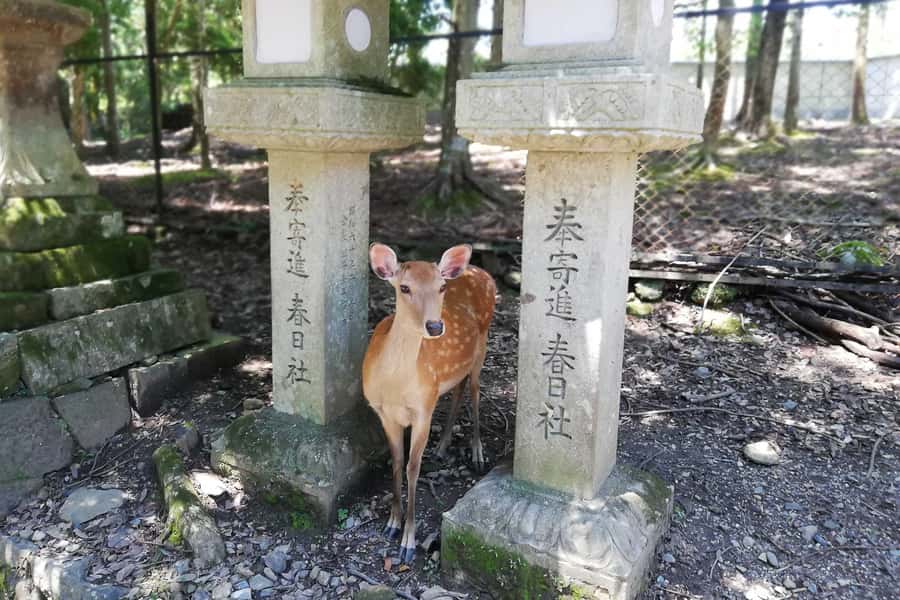
After Todai-ji, you’ll move into Kasuga Taisha Shrine for about 40 minutes. The signature here is the lanterns—hundreds of them, creating that special shrine atmosphere people associate with Nara.
This is also a good moment for questions. The guide’s English is live, and the pacing is designed so you’re not only listening while marching. If you care about how shrines work, this stop gives you a clean focus.
Then the tour brings you to the deer experience in Nara Park. This is not an accessory; it’s part of the cultural story. For over 1,200 years, locals have believed deer are sacred divine messengers, and that belief shapes the way people interact with them.
You’ll be given one packet of crackers to feed the deer. The tour includes the deer-feeding part, so you don’t need to figure out where to buy snacks on the fly. Also, you’ll likely notice a “politeness” to the deer compared to the chaotic chaos you might expect—your guide helps set the tone so it stays enjoyable.
One extra practical tip from real-world experience: if you want more deer time after the tour, consider buying extra deer crackers earlier rather than later, because supplies around the park can run out.
Local lunch: Nara vegetables and fresh meat (with real limits)
The tour includes lunch at a local restaurant for about 45 minutes. The meal is described as Japanese, using local Nara vegetables and fresh meat. That’s a big deal for value. You’re not paying extra for a standalone meal, and the food isn’t treated like an afterthought.
This stop is also useful for pacing. After temples and walking paths, lunch lets the day breathe.
Diet reality check: the tour is not suitable for vegans, and it also flags gluten intolerance as not suitable. For vegetarian needs or gluten-free requests, you have to request in advance—specifically by the day before the tour. If you’re traveling with dietary restrictions, this is the main thing to get right before you book.
Pacing, small groups, and why guides like Miyabi and Peco matter
This is a walking tour, but it’s not a sprint. Many people emphasize that the route stays at a comfortable pace and doesn’t feel rushed, with time for exploration in each area. Small groups are the reason. You can ask questions without feeling like your voice disappears into a crowd.
The guide quality is repeatedly mentioned by name. You’ll see standout English-speaking guides such as Miyabi, Mari, Yuki, Peco, Nobu, and Matthew. What’s consistent across these names is the focus on clarity and route sense: off-the-busy-path choices, good timing, and helpful conversation beyond just the temple facts.
Some guides also go the extra mile in practical ways: helping with photos, tailoring explanations when group members speak different languages, and pointing out where to get goshuin stamps at each site (if you want to collect them). Even if you don’t collect stamps, that kind of guidance can save time and prevent confusion when you’re in a big complex.
There’s also a nice social element. In small groups, the day feels less like “touring alone next to strangers” and more like a shared walk. That matters on a day where you’re moving from shrine to temple to park.
Practical tips so your 5 hours stay fun
A few simple moves will make the day smoother:
- Bring comfortable shoes. The route is walk-heavy, and you’ll be on your feet for a good chunk of the day.
- Don’t overpack. You’ll want hands free for photos and for the deer-feeding moment.
- Bring some cash if you want snacks and drinks beyond the included lunch. Purchases like that are available during the day.
- If you care about temple/shrine ephemera (like stamps), ask your guide early in the tour where to find them so you can plan your time.
- If you have health worries, let the local partner know beforehand so the guide can adjust breaks.
Also, a small but important expectation: you don’t need to worry about paying for the guide’s food and drinks. Your focus stays on the day.
Should you book this Nara half-day UNESCO walking tour?
I’d book it if you want a tight Nara day that hits the core spiritual landmarks—Todai-ji and Kasuga Taisha—without turning your afternoon into a logistics puzzle. The included lunch and entrance fees help the cost feel more “real,” because you’re paying for time with a guide, not just ticket access.
This tour is especially worth it if you care about how Japanese religious culture connects to everyday life and want that explained while you’re there. The deer-feeding part also makes it feel like more than history-on-stones.
Skip it if you’re vegan or need the tour to work with gluten intolerance, because those needs are explicitly flagged as not suitable. And if your legs don’t handle lots of walking, treat the walking-heavy nature as a dealbreaker.
FAQ
Where is the meeting point for the tour?
The tour meets in front of the Gyoki Bosatsu statue near Exit 2 or the East Exit of Kintetsu Nara Station. The guide will hold a board with Magical Trip on it. Please arrive 10 minutes early.
Which station should I use: Kintetsu Nara or JR Nara?
Use Kintetsu Nara Station. Do not go to JR Nara Station.
How long is the tour?
The tour lasts about 5 hours.
Is lunch included, and what is it like?
Yes. Lunch is included, and it’s a Japanese dish made using local Nara vegetables and fresh meat.
What’s included besides lunch?
Entrance fees to all temples and shrines visited are included, plus 1 packet of crackers to feed the deer.
Are there dietary restrictions?
The tour is not suitable for vegans and is also not suitable for gluten intolerance. Vegetarian or gluten-free lunch requests must be requested in advance (by the day before).
What language is the tour guide?
The tour is in English with a live guide.
Is the tour private or small group?
The tour offers private or small groups.
How do cancellation and refunds work?
Free cancellation is available up to 24 hours in advance for a full refund.
Do I need cash for anything?
Cash is recommended if you want to purchase additional snacks and drinks during the tour.