REVIEW · PORTO
Porto: Jewish Heritage Walking Tour
Book on GetYourGuide →Operated by EFun Tours · Bookable on GetYourGuide
Porto has secrets in plain sight. This 3-hour walk through neighborhoods, stairways, and quiet corners shows how Jewish life shaped the city from the 12th century onward. I love how the tour uses real street-level clues to explain the community’s coexistence with local Christians and the later pressures that changed everything. I also like the way guides bring the story to life through vivid figures like Captain Arthur Carlos de Barros Basto (Abraham Israel Ben-Rosh), linked to the Kadoorie Mekor Haim synagogue.
The main thing to watch is the walking. Porto is hilly, and you’ll hit steep streets and the famous Esnoga stairs, so it can feel tough if your fitness is low.
In This Review
- Key things you’ll notice on this Porto tour
- Porto’s Jewish story starts with what you can’t see
- Choosing your start point and setting your expectations
- Sant’ana Street and the old quarters: walking as a history lesson
- Miradouro da Vitória: the photo stop with a purpose
- Churches and coexistence: S. Bento da Vitória in the bigger picture
- The Esnoga stairs: a staircase you remember
- Virtudes garden and the Jewish Mountain: where the walk ends
- What you get when the city has few visible remnants
- Guides make the difference, and you may notice a personal touch
- Price and value: $35 for a story-heavy walking plan
- How hard is it to do this walk?
- Who should book this Porto Jewish Heritage tour
- Should you book Porto’s Jewish Heritage Walking Tour?
- FAQ
- How long is the Porto Jewish Heritage Walking Tour?
- How much does it cost?
- Where do I meet the guide?
- What languages are available for the live guide?
- Is a synagogue visit included?
- Is the Jewish Heritage Museum included?
- How much walking is involved?
- Is the tour suitable for wheelchair users or limited mobility?
- Is transportation included?
- Can I cancel for a refund?
Key things you’ll notice on this Porto tour
- Secret synagogues and hidden Jewish details pointed out where you’d never think to look
- A clear focus on Jewish-Portuguese life dating back to the 12th century
- Stops that mix history with views, including Miradouro da Vitória and the Virtudes garden area
- Guidance from English or Portuguese-speaking guides like Ricardo Silva, Pedro, Maria, Vanessa, Daniel, Jorge, and others seen with the program
- A route that works like a map of multiple areas, not one single landmark
- An experience where the physical remnants are limited, so interpretation matters as much as sightseeing
Porto’s Jewish story starts with what you can’t see
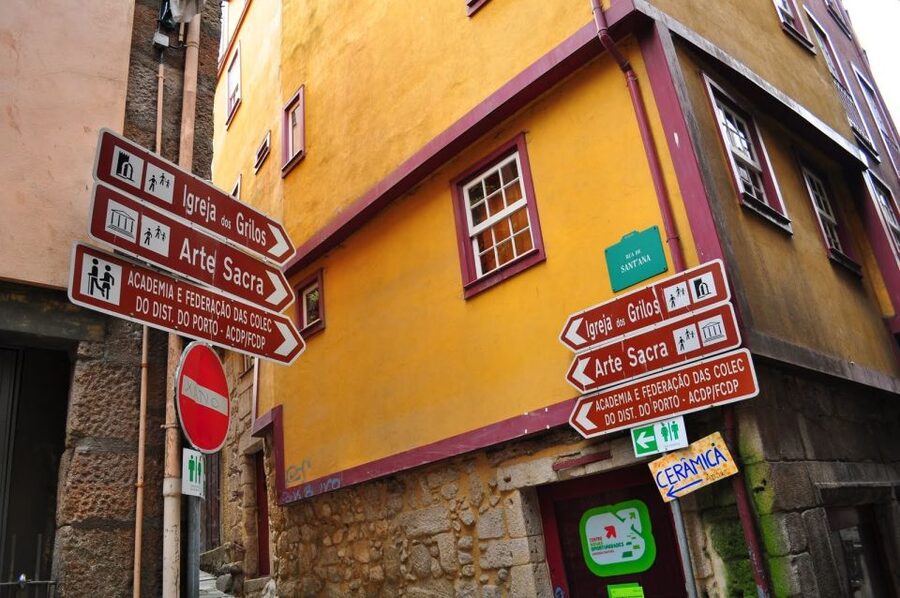
This is not a museum tour where you sit back and look at one room. You’re walking through Porto and learning how Jewish presence shows up in the city’s layout, in the places people lived, and in small hints on buildings. The tour’s big promise is connecting those dots back to real history, starting as far back as the 12th century, when the Jewish community in Porto coexisted with local Christians.
One reason this works so well is that Porto is a layered city. Streets, churches, and viewpoints all overlap. Your guide helps you read that overlap instead of treating it like background. You’ll spend the morning/afternoon moving uphill and downhill, but the mental payoff is the bigger one: you learn how trade, neighborhoods, and survival shaped Jewish life here.
Also, since visits to the synagogue building and the Jewish Heritage Museum are not part of the experience, the tour leans into “what you can access on foot.” That’s often the best choice in old-city areas where access can be difficult or security rules tighten.
You can also read our reviews of more tours and experiences in Porto.

Choosing your start point and setting your expectations
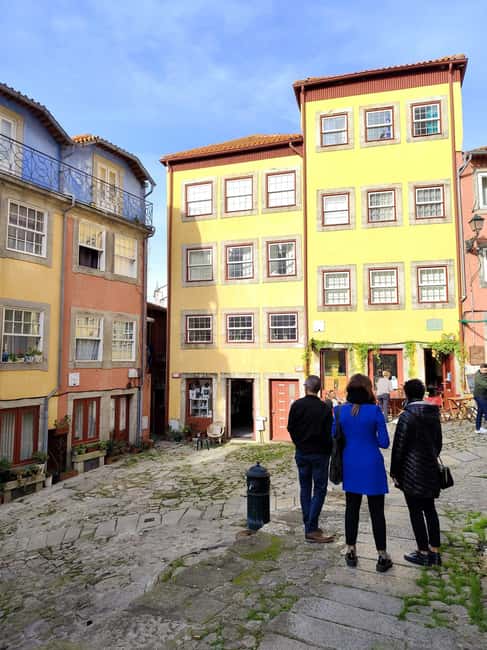
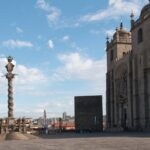
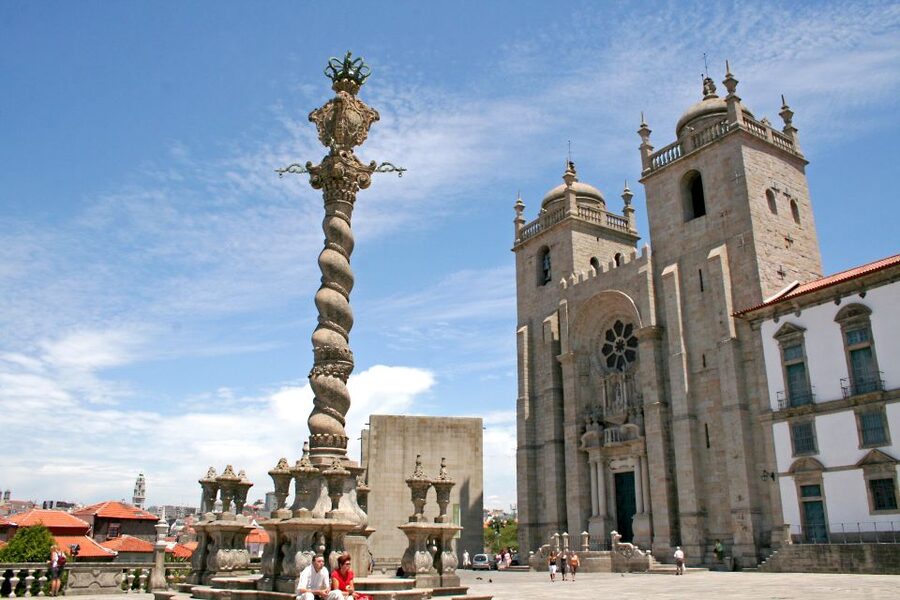
You’ll meet at a central location, and the exact meeting point can vary depending on the option you book. Two starting options are listed: Pelourinho do Porto and Rua de Sant’ Ana. Either way, the point is the same: you’ll get moving quickly so you can cover the right streets before you tire.
Set your expectation that the tour is built for walking, not for comfort. Even if you’re used to city exploring, the hills matter. In Porto, a “short” climb can feel long. If you know you get worn out on stairs, you’ll want to plan accordingly.
If you’re traveling with someone who needs steady pacing, pick a time of day when your energy is high. This experience has a lot of storytelling packed into a short duration, and the route includes stair sections.
Sant’ana Street and the old quarters: walking as a history lesson
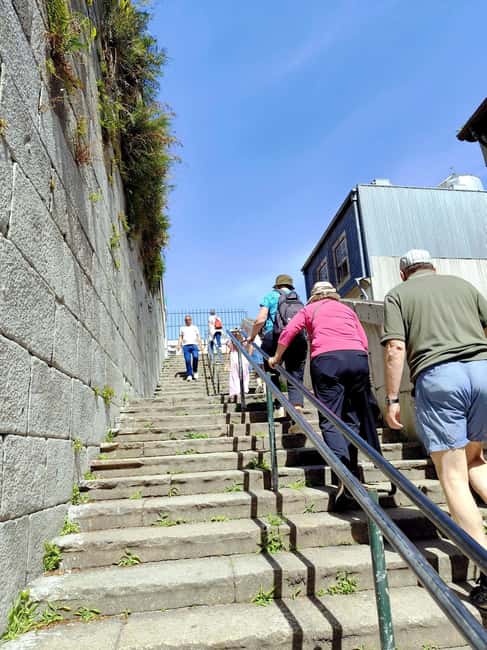
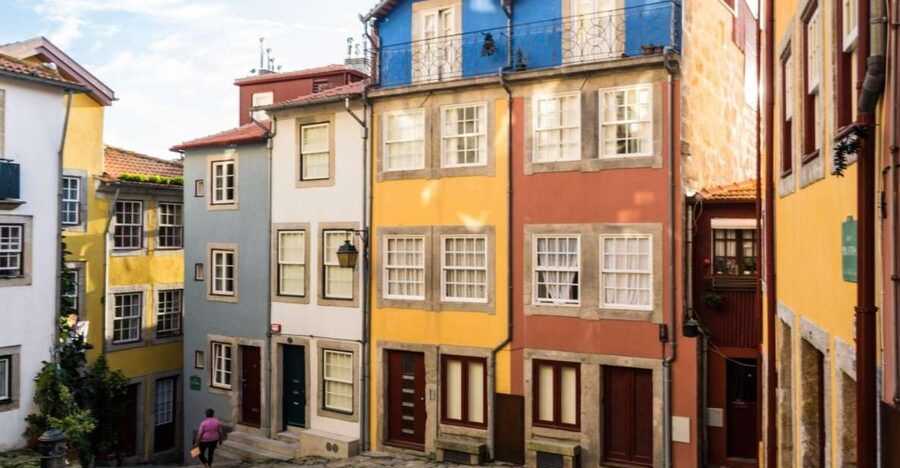
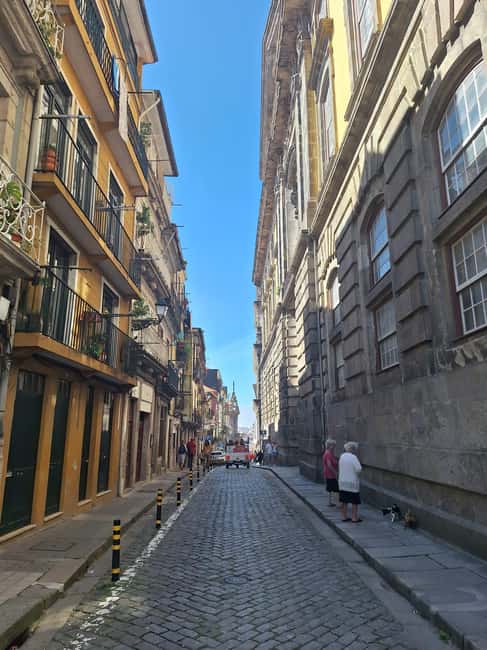
The heart of the tour moves through the older streets tied to Jewish life. You’ll pass along Sant’ana Street and the area around Comércio do Porto Street, then continue toward S. Bento da Vitória Church. The goal here isn’t to “see a big building.” It’s to understand how neighborhoods shifted and how communities formed where connections and commerce made sense.
A good thing about this approach is that it helps you grasp the city’s social geography. Your guide talks about where the wealthiest Jews settled and the trade relationships between Jews and Christians. That matters because it explains why Jewish presence wasn’t just a side story. It was woven into Porto’s daily business and urban growth.
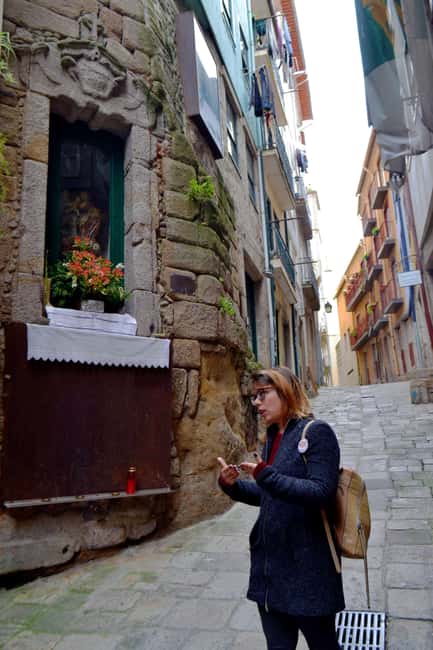
One detail I especially liked in the tour’s way of teaching: you’re encouraged to notice small marks on buildings—inscriptions and signs that many people miss. Guides also use photos in their storytelling, including images tied to areas that can be out of bounds for ordinary visitors. That sort of “here’s what you can’t enter, but you can still learn from it” method turns a normal street walk into something sharper.
Miradouro da Vitória: the photo stop with a purpose
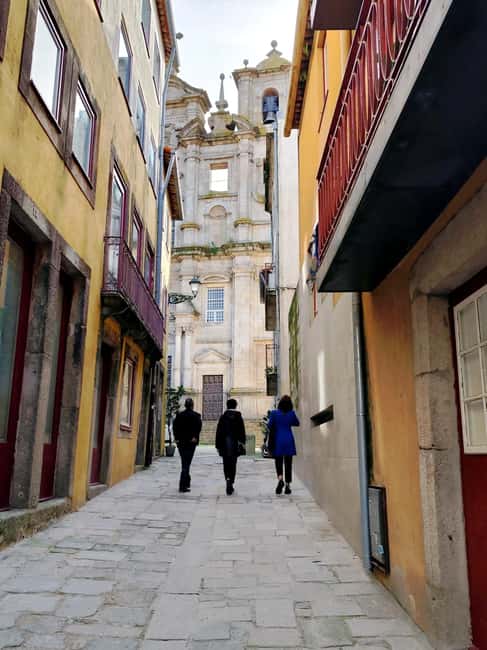
At Miradouro da Vitória, you get a scenic break and time for photos. But this isn’t just a view-and-go moment. Viewpoints in Porto act like natural classroom settings because you can see how steep streets and tight passages create real movement patterns.
This matters for the Jewish heritage story because the physical city helps explain the social one. When streets run steep and tight, neighborhoods become dense. When climbs are hard, certain areas become more reachable from particular directions. Your guide uses the viewpoint to connect the geography to how communities worked and changed over time.
If you’re the type who hates being “forced to stand still,” don’t worry. You’re not stuck; it’s a short pause inside an active walking plan.
Churches and coexistence: S. Bento da Vitória in the bigger picture
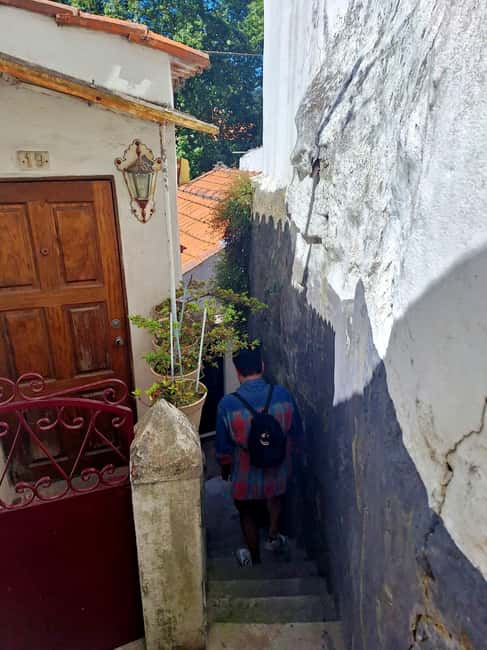
You’ll also pass by S. Bento da Vitória Church. Even though this isn’t a religious-ritual stop, it plays a role in the story. The tour frames Jewish and Christian life as intertwined across centuries, including periods of coexistence.
This is where the tour feels most grounded for first-time visitors. You’re not hearing a separate history from outside the city. You’re seeing how Jewish life fits into the same streets and landmarks that Christians used, worshipped from, and built around.
It’s also a helpful reminder that history isn’t just “what happened to a group.” It’s also what happened to a city, its neighborhoods, and its power structures. Guides tie these pressures to key turning points—like the Inquisition and the consequences for Jewish communities, including forced conversion and the way some Jewish symbols were altered or removed.



The Esnoga stairs: a staircase you remember
The route includes the Esnoga stairs. Even if you’re fine with hills, stairs in Porto are their own challenge. The good news is that the tour doesn’t treat them like a punishment. You’ll climb with context, meaning each step lands in your brain as a story beat.
This section often becomes a highlight simply because you can feel the city’s texture. In Porto, old staircases aren’t just infrastructure. They’re part of the way neighborhoods connect and the way people navigated daily life.
If you’re pacing yourself, use this part as a reset. Take your time, breathe, and lean into the moment. The viewpoint elements that follow are a reward.
Virtudes garden and the Jewish Mountain: where the walk ends
The tour finishes at Parque das Virtudes, with stops around the Virtudes garden area. Along the way you’ll also encounter references to Jewish Mountain. Even if you’re not sure what that means before you arrive, your guide will connect it to the wider story of where Jewish influence was stronger and how the city’s topography mattered.
This ending zone is useful for a reason I appreciate: it gives you a final “shape of the city” moment after the history-heavy segments. By the time you reach the garden and lookout areas, you’re not just tired—you’re oriented. You understand where these older quarters sit in relation to the city’s more famous parts.
The tour closes in a place that feels like a natural wind-down, which helps if you want your final photos to look great without sprinting.
What you get when the city has few visible remnants
Here’s the honest thing to know: Porto doesn’t offer you a lot of intact, obvious Jewish landmarks on the street. That’s not a dealbreaker, but it changes what the experience is really about.
The tour is designed for “interpretation walking.” Guides point out traces—hidden symbols, small inscriptions, and places tied to the community even when the original institutions are no longer openly visible. You might also hear about specific figures and events that explain why the Jewish presence changed over time.
Captain Arthur Carlos de Barros Basto (Abraham Israel Ben-Rosh) comes up for a reason: he’s tied to major community revival efforts and especially to his major contribution toward the construction of the Kadoorie Mekor Haim synagogue. That kind of context helps you understand why this story is still remembered, not just archived.
So if you’re the kind of traveler who wants big set-piece attractions, you may feel the difference. But if you enjoy reading a city like a puzzle, this is the format that fits.
Guides make the difference, and you may notice a personal touch
One of the most praised parts of this experience is the guiding style. Names that appear across bookings include Ricardo Silva, Pedro, Maria, Vanessa, Daniel, and Jorge. The common thread is presentation: friendly delivery, answers to questions, and a tendency to explain how the past affects what you see in Porto today.
You’ll also notice small teaching extras. Some guides share photos connected to places you might not be able to enter (or that are restricted). Others point out building details that are easy to miss without research. If you like asking why something is named or why a sign is there, this tour gives you room to do that.
One practical note: a few people reported trouble finding their guide at the start. That’s not unusual in old-city meeting points, so arrive a few minutes early and check the exact address option you booked.
Price and value: $35 for a story-heavy walking plan
At $35 per person for about 3 hours, this is priced like a specialty walking tour. You’re paying for a guide who can connect street corners to centuries of change—plus the time it takes to move across Porto’s hills and keep the group together.
Is it worth it? For the right traveler, yes, because you get more than sightseeing. You get a guided framework. Porto becomes easier to understand afterward. Even if you remember only a few names and themes, those pieces make the city feel less random.
What isn’t included matters too. There’s no synagogue visit and no museum visit included. So if you want those specific stops, plan to add them separately. But if your goal is learning the Jewish geography of Porto through walking and storytelling, the included format fits the price.
How hard is it to do this walk?
Expect moderate walking with steep streets and stairs. This is not positioned as accessible for people with mobility impairments or for wheelchair users. If you have low fitness, this won’t be comfortable.
Even among fit walkers, Porto’s hills can change your pace. Some people completed the tour but found the physical part tiring. Plan for the possibility that you may want to rest more than you would on flat ground, especially if it’s hot or you’re wearing shoes that don’t grip well.
Your best preparation is simple: wear comfortable shoes with good traction. Bring a bottle of water if you tend to get thirsty on walks.
Who should book this Porto Jewish Heritage tour
This tour is a strong match if you:
- Like history that connects to streets, not just buildings
- Want a guided map of Jewish neighborhoods and major figures in Porto
- Enjoy asking questions and getting clear answers in English or Portuguese
- Can handle hills and stair sections without stress
It’s less ideal if you:
- Need wheelchair-friendly routes or full accessibility
- Want a quick, mostly flat walk
- Only want to see famous, fully preserved landmarks
If you’re visiting Porto as a history-minded traveler, this tour pairs nicely with the city’s classic sights afterward because it changes what you notice. You’ll start seeing clues in names, architecture, and the way neighborhoods cluster.
Should you book Porto’s Jewish Heritage Walking Tour?
I’d book it if you’re looking for a story-driven walk that helps you read Porto—especially if you care about the human side of history: coexistence, trade, pressure, and survival. The combination of street-level interpretation, viewpoints like Miradouro da Vitória, and the memorable stair climb makes it more than a typical heritage stroll.
Skip it or think twice if stairs and steep streets are a problem for you. Also, if your top priority is a formal synagogue visit or a museum session, know those are not included here.
If you’re okay with a physically active old-city route and you want real context behind what you see, this is a smart, high-value way to spend your time in Porto.
FAQ
How long is the Porto Jewish Heritage Walking Tour?
It lasts about 3 hours.
How much does it cost?
The price is listed as $35 per person.
Where do I meet the guide?
The meeting point can vary depending on the starting option you book. Options listed include Pelourinho do Porto and Rua de Sant’ Ana.
What languages are available for the live guide?
The tour is offered with a live guide in English and Portuguese.
Is a synagogue visit included?
No. A visit to Porto’s synagogue is not included.
Is the Jewish Heritage Museum included?
No. A visit to the Jewish Heritage Museum is not included.
How much walking is involved?
The tour involves a moderate amount of walking and includes steep streets and stairs.
Is the tour suitable for wheelchair users or limited mobility?
No. It is not suitable for people with mobility impairments or wheelchair users.
Is transportation included?
No. Transportation is not included.
Can I cancel for a refund?
Yes. Free cancellation is available up to 24 hours in advance for a full refund.