REVIEW · KUALA LUMPUR
KL Cultural & Heritage Day Tour (SIC – Join In Tour)
Book on Viator →Operated by Ivy Holidays · Bookable on Viator
Temples and streets in four hours. I like that this tour is built for fast orientation in Kuala Lumpur, mixing old places of worship with everyday city neighborhoods so you understand where the city’s communities overlap. Pickup and drop-off make it feel easy from the start, especially around Bukit Bintang.
I also appreciate the air-conditioned vehicle and the guide style that keeps things clear and interactive, with friendly storytelling from guides such as MC, Balan, Sasi, Raj, and Stephen. One thing to plan around: it’s a short loop, so you cover a lot but don’t linger for long, and the Jamek Mosque stop is closed on Fridays.
In This Review
- Key points at a glance
- A Four-Hour KL Culture Circuit That Gets You Oriented Fast
- How Pickup Works (And Where You’ll Meet If There’s No Hotel Stop)
- Stop-by-Stop: What Each Place Adds to Your KL Picture
- Chan See Shu Yuen Clan House: A Chinese Heritage Anchor
- Chinatown: Real Street Life Between Heritage Stops
- Sri Maha Mariamman Temple: Hindu Devotion in the City
- Sin Sze Si Ya Temple: Taoist Symbol Details You Can Spot
- Jamek Mosque: Included in Theory, Closed on Fridays
- Sultan Abdul Samad Building and Independence Square: Civic Landmarks With Meaning
- Central Market + Local Neighborhood Time: Where Your Learning Gets Tied Down
- Guide Quality Makes or Breaks a Half-Day Tour
- Price and Value: Is $30 a Smart Use of Your Time?
- Who This Tour Suits Best (And Who Might Want Something Else)
- Should You Book This KL Cultural & Heritage Day Tour?
- FAQ
- How long is the KL Cultural & Heritage Day Tour?
- Is hotel pickup included?
- Where is the meeting point if I don’t get pickup?
- Are admission tickets included?
- Which religious sites are visited?
- Is Jamek Mosque included on every day?
- What’s the group size limit?
- What’s the cancellation and weather policy?
Key points at a glance
- City-center pickup and return from Bukit Bintang and Kuala Lumpur City Centre, no hunting for transport
- Multiple faiths in one route through long-standing temple and worship sites
- A/C comfort for in-between travel while you jump across neighborhoods
- Chinatown and Central Market time to connect history with street life
- Small-group cap of 32 so the experience stays manageable
- Worth the $30 value for a guided circuit that saves you time versus DIY hopping
A Four-Hour KL Culture Circuit That Gets You Oriented Fast
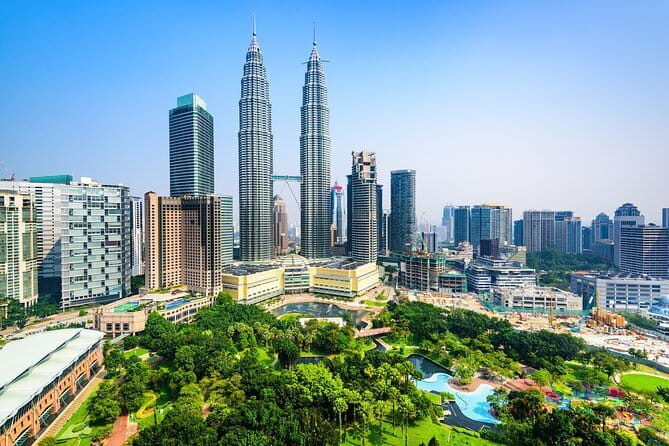
Kuala Lumpur can feel like three cities at once: modern towers on one side, heritage neighborhoods on the other, and places of worship stitched into daily life. This half-day tour is designed to give you a working map in a hurry. In about 4 hours, you go from clan-house heritage and Chinatown streets to major religious landmarks, then back through the central area with a clearer sense of how different communities shaped the city.
What makes this one practical is the pacing. You’re not spending half the day in transit or sorting out where to go next. You start with pickup around 9:30am (Kuala Lumpur City Centre and Bukit Bintang area), then ride in an air-conditioned vehicle while your guide explains what you’re seeing. By the end, you’ll have names, locations, and the basic “why this matters” story in your head—exactly what you need on a first or second day in town.
The $30 price feels fair because it’s paying for time saved: guided interpretation plus transport plus a planned route. If you try to DIY the same mix of sites, you’ll spend energy on directions, route changes, and waiting around. Here, everything is packed into one run.
You can also read our reviews of more tours and experiences in Kuala Lumpur.
How Pickup Works (And Where You’ll Meet If There’s No Hotel Stop)
The tour includes pickup from listed hotels and residents in Kuala Lumpur City Centre and the Bukit Bintang area, with pickup at 9:30am for many departures. If you’re staying outside that zone, or if pickup isn’t arranged for your specific address, you’ll use the meeting point instead: Starbucks Reserve, Lot No. G-09A (Ground Floor), Berjaya Times Square, Imbi, 55100 Kuala Lumpur.
Either way, the payoff is simple: you’re starting close to major central areas rather than trekking across town. That matters because Kuala Lumpur traffic can turn a “short” day into a long one.
Also note the tour format: it uses a mobile ticket and there’s a maximum of 32 travelers. For a half-day, that’s a comfortable size. It’s big enough to be lively, but not so huge that you lose the human connection with the guide.
Stop-by-Stop: What Each Place Adds to Your KL Picture
This route is built around variety. You’ll see religious architecture and symbolism, then pivot to neighborhood life in areas like Chinatown and the Central Market area.
The big idea is that Kuala Lumpur’s history isn’t one single story. It’s several communities sharing the same city space, building worship places, markets, and civic landmarks side by side. In a short time, you’re learning how faith, migration, and trade show up in the streets.
Chan See Shu Yuen Clan House: A Chinese Heritage Anchor
Your first heritage stop is the Chan See Shu Yuen Clan House. This isn’t just a pretty building stop. It gives you a key to understanding how Chinese community structures influenced early Kuala Lumpur life.
Clan houses typically link families, traditions, and social roles. Even without getting too academic, you’ll start noticing how the building acts like a cultural “home base” for people who needed community networks in a growing city. It’s the kind of place that makes later Chinatown scenes feel more grounded.
Tip for your visit: look closely at how the building presents identity—details, symbols, and the general “seriousness” of the place. This kind of stop is one of the reasons this tour works for first-timers: it explains the social structure behind the streets.
Chinatown: Real Street Life Between Heritage Stops
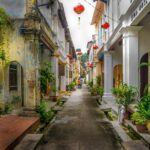
After the clan house, you move into Chinatown. This is where you connect what you just learned to what you can still see. You’re not only sightseeing; you’re walking through an active area where heritage and everyday business share the same blocks.
Even if you’re not stopping for a meal, Chinatown gives you something that photos don’t: scale and density. You get a sense of how people live near their community hubs—temples, shopfronts, and gathering spaces nearby.
Sri Maha Mariamman Temple: Hindu Devotion in the City
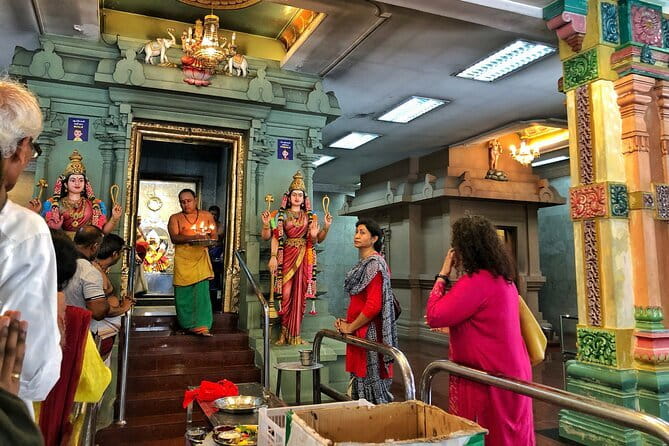
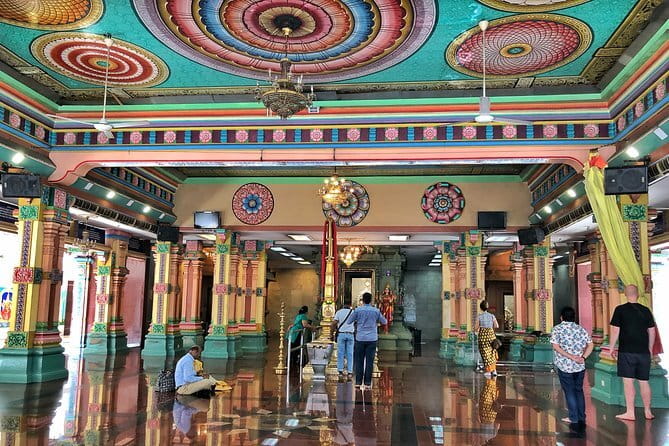
Next up is Sri Maha Mariamman Temple. This is a Hindu worship site, and it’s one of the most recognizable stops on the route because of how strongly Hindu religious practices show up in the space.
What I like about this kind of stop on a short tour is how it teaches you to read the signals. You’ll usually get context on what you’re seeing—how the temple supports devotion, and why this site has mattered for generations. The goal isn’t to turn you into a scholar in one afternoon. It’s to help you recognize that religious spaces in KL are part of the city’s living rhythm, not just museum pieces.
Practical note: dress and behavior matter at active places of worship. If you’re not sure, plan for conservative clothing and keep your voice low while inside.
Sin Sze Si Ya Temple: Taoist Symbol Details You Can Spot
Then you’ll visit Sin Sze Si Ya Temple, a Taoist temple stop that adds a different visual language to the same broader story. Taoist sites often feel distinct in atmosphere and symbolism, and this is where you start seeing how “heritage temples” are not one style.
Your guide’s explanation matters here. With the context, those shapes, carvings, and cues stop being random decorations and start making sense as parts of a belief system and daily spiritual practice.
If you’re the kind of traveler who likes details, this is a good match. Even if you’re not chasing architecture, you’ll come away with at least a basic sense of how each faith world looks and feels in KL.
Jamek Mosque: Included in Theory, Closed on Fridays
The route includes Jamek Mosque, but there’s an important caveat: it’s closed on Fridays. That doesn’t mean the tour fails. It just means you should not count on this specific stop if your day is a Friday.
If you’re visiting on another day, this mosque is a helpful balance point. It rounds out the story of KL’s religious diversity and adds a different kind of heritage landmark style into the mix.
Sultan Abdul Samad Building and Independence Square: Civic Landmarks With Meaning
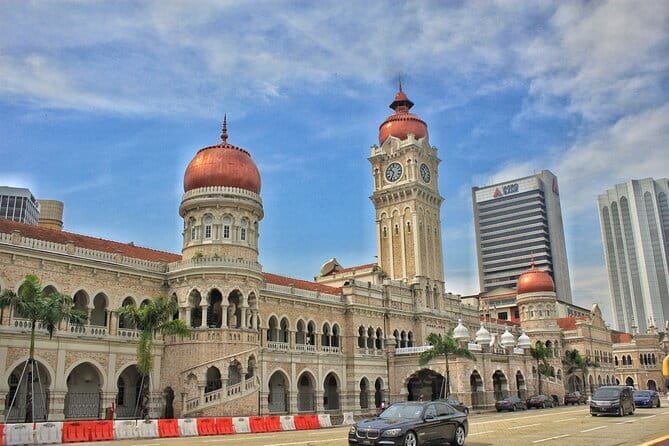
After temples and neighborhoods, the tour turns toward civic landmarks—Sultan Abdul Samad Building and Independence Square. This part helps you connect culture and religion with the city’s wider identity.
You’ll get a sense of how Kuala Lumpur’s central area is built around institutions and public space. Independence Square is especially important for understanding national identity. Combined with the surrounding civic architecture, it helps you see the difference between community-built heritage and state-era public landmarks.
This section is also a good “reset.” After a few concentrated religious stops, it feels like the tour widens its lens and shows you how the city organizes itself at street level.
Central Market + Local Neighborhood Time: Where Your Learning Gets Tied Down
Two of the stops that help the tour feel like more than temples-only sightseeing are Central Market and the Chinatown wandering time.
Central Market is a great spot to connect history to present-day KL. It’s the kind of place where you can still sense the city’s trading mindset—craft, goods, and local commerce in a central location. You also get a chance to walk at your own pace for a bit, rather than racing from one doorway to another.
The value here is psychological as much as practical. When you spend only a few minutes at each temple, you can forget the human scale. Central Market and Chinatown keep your feet on the ground and your brain anchored to everyday city life.
Guide Quality Makes or Breaks a Half-Day Tour

The strongest theme in the experience is guide energy. Names that show up include MC (who is praised for explaining the city well and helping take photos), Balan (friendly and fun, with clear culture and history storytelling), Sasi (kind and engaging), Raj (makes it easy to understand the country), and Stephen (friendly, helpful, and strongly connected to culture).
This matters because a cultural route only lasts 4 hours. Without a guide who can connect details into a clear narrative, you’d just be hopping between stops. With the right guide, each site becomes part of a single story: how KL grew, who lived here, and why these places still matter.
Also, there’s a practical kindness element. One common detail from the guide style is that they’re prepared if weather turns—there are mentions of providing water at the start and raincoats when rain hits. That’s the kind of small, real-life help that can make the difference on a humid afternoon.
Price and Value: Is $30 a Smart Use of Your Time?
At $30 per person for about 4 hours, you’re buying three things: a guided route, an air-conditioned ride between neighborhoods, and coverage of multiple major heritage landmarks in one shot. For a first-time KL visitor, that’s a strong value.
Could you do something similar on your own? Sure. You could taxi between temples and civic landmarks. But you would lose the contextual explanations that help you understand what you’re looking at—and you’d spend time figuring out the order of places plus handling the gaps.
One caution: the tour data says the itinerary is marked admission ticket free, while the listed inclusion notes that admission tickets to attractions are not included. In practice, that means you should treat entrance fees as site-dependent. If you want a clean budget, message the operator or confirm what each stop costs on your date.
Who This Tour Suits Best (And Who Might Want Something Else)
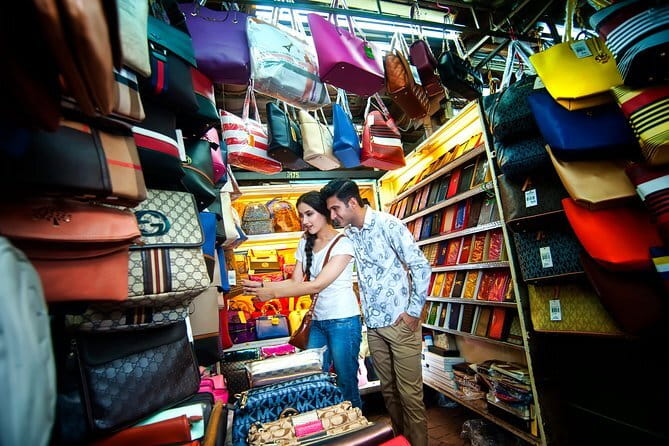
This tour fits best if you want a fast overview of Kuala Lumpur’s cultural and religious mix without spending your entire day on transit planning. It’s also ideal for travelers who enjoy walking through active neighborhoods, not only photographing monuments.
It’s a good match for:
- First-timers who want context before exploring on their own
- Families who need a structured route with a guide
- Visitors who have limited time and still want multiple perspectives on KL’s heritage
It might be less ideal if:
- You want long, in-depth time at fewer sites
- You are visiting on a Friday and are specifically focused on the Jamek Mosque stop
- You hate short visits and prefer a slower pace with fewer stops
Should You Book This KL Cultural & Heritage Day Tour?
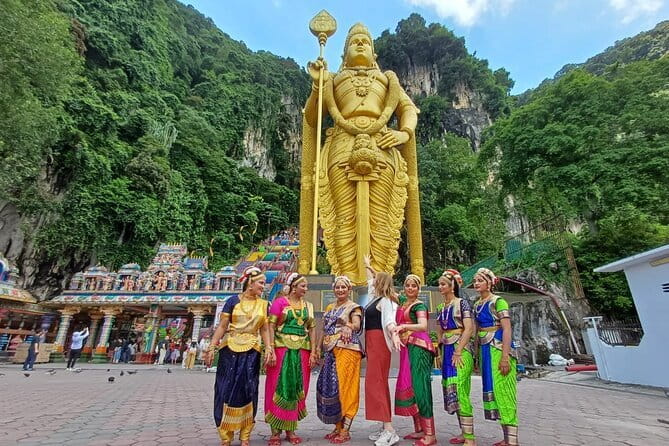
I’d book it if your priority is getting your bearings fast. The mix of temple stops, Chinatown, Central Market, and central civic landmarks is a very efficient way to learn what Kuala Lumpur looks like and why it’s organized the way it is.
I’d hold off if you’re the type who needs lots of time inside each site, or if Friday is a fixed travel date and you were counting on seeing Jamek Mosque as part of your plan. For everyone else, this is a practical half-day experience with a strong human factor: guides who keep the story clear, and a route that doesn’t leave you stranded between neighborhoods.
If you want KL in one afternoon, this is one of the better ways to do it.
FAQ

How long is the KL Cultural & Heritage Day Tour?
The tour runs for about 4 hours.
Is hotel pickup included?
Yes. Pickup is offered from listed hotels/residents for bookings of minimum 2 adults, and it focuses on Kuala Lumpur City Centre and Bukit Bintang area.
Where is the meeting point if I don’t get pickup?
The meeting point is Starbucks Reserve, Lot No. G-09A (Ground Floor), Berjaya Times Square, Imbi, 55100 Kuala Lumpur.
Are admission tickets included?
Admission tickets to attractions are not included, even though the itinerary is marked as admission ticket free. It’s smart to confirm what applies to each specific stop on your day.
Which religious sites are visited?
The tour covers religious heritage sites including Sri Maha Mariamman Temple and Sin Sze Si Ya Temple, and it focuses on Kuala Lumpur’s Buddhist, Hindu, and Taoist backgrounds.
Is Jamek Mosque included on every day?
No. Jamek Mosque is closed on Fridays on this route.
What’s the group size limit?
The tour has a maximum of 32 travelers.
What’s the cancellation and weather policy?
Free cancellation is available up to 24 hours in advance for a full refund. The tour requires good weather; if it’s canceled due to poor weather, you’ll be offered a different date or a full refund.