REVIEW · KUALA LUMPUR
Malacca UNESCO “World Heritage Site” Day Trip with Lunch from KL
Book on Viator →Operated by Dynamic Tours · Bookable on Viator
Malacca feels like a map of empires. In one full day from Kuala Lumpur, you get a smart route through UNESCO World Heritage streets where Portuguese, Dutch, British, Chinese, and Indian influences all show up in stone, brick, and signage. I especially like how the city’s religious buildings and civic squares help you understand the layers of control and trade that shaped Melaka.
I also like the way the day builds toward Jonker Street, with time to eat Malaysian classics and browse for souvenirs without feeling like you’re rushing blind. One possible drawback: most landmark stops are short—often around 10 to 15 minutes—so treat this as orientation plus key photos, not a slow, museum-style day.
In This Review
- Key Highlights Worth Marking on Your Map
- The “All-Day, But Not Exhausting” Timing From KL
- UNESCO Malacca on Foot: Dutch Square and the Colonial “Old City” Look
- St. Peter’s Church to St. Francis Xavier: How Religion Reflects Power Shifts
- St. Paul’s Hill and A Viewpoint Feel
- A’Famosa Fort: The Tiny Gate That Carries Big Weight
- The City of Many Faiths: Cheng Hoon Teng, Kampung Kling, Sri Pogyatha
- Malacca River: The Trade Route You Can Actually Feel
- Jonker Street After Lunch: Food, Souvenirs, and a Smart Walking Pace
- Lunch and the Included Extras That Keep the Day Smooth
- Price and Value: Is $89 Worth It From KL?
- The Small-Group Driver Factor You’ll Feel in Real Time
- Who Should Book This Malacca UNESCO Day Trip?
- Should You Book This Tour or Plan Malacca on Your Own?
- FAQ
- What time does the tour start?
- How long is the Malacca day trip?
- Is hotel pickup and drop-off included?
- Is lunch included?
- How many people are on the tour?
- What kind of transport will I use?
- What major sites are visited in Malacca?
- Can I cancel and get a full refund?
Key Highlights Worth Marking on Your Map
- 8-hour round-trip schedule from Kuala Lumpur with included travel time and hotel-area pickup/drop-off
- UNESCO-era landmarks across Portuguese, Dutch, British, and local communities
- Multi-faith stops including a Chinese temple, a mosque with a pagoda-style minaret, and an old Hindu temple
- A’Famosa + Malacca River context to connect buildings with the trade-route story
- Jonker Street time for local food like Asam Laksa and Cendol plus shopping
- Max 15 people for a more manageable day and a better chance to ask questions
The “All-Day, But Not Exhausting” Timing From KL
This is an 8-hour outing that starts at 8:00 am and returns you back to the starting point in Kuala Lumpur. That length matters because Malacca is far enough that you want the driving handled for you, especially when you only have one day and you don’t want to stitch together buses and rides.
The group size cap is 15 travelers, which usually keeps the pace human. If you’re traveling with just 1 to 3 people, it runs by car; for 4 to 15 people, you’ll be in a van. Either way, you get air-conditioned transport and a private setup—so it’s easier to hear your driver’s guidance and keep everyone together.
What you should plan for: the day is built on quick stops. Many of the sites are free-entry photo stops, which is great, but it also means you’ll do best if you’re comfortable moving from place to place and grabbing the key details fast.
You can also read our reviews of more tours and experiences in Kuala Lumpur.
UNESCO Malacca on Foot: Dutch Square and the Colonial “Old City” Look
One of the first things you’ll notice is how organized the main historical area feels. The route centers on key civic spaces and churches, so you’re not guessing where to start.
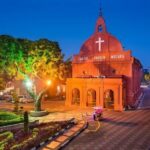
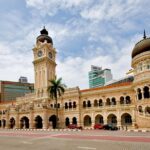
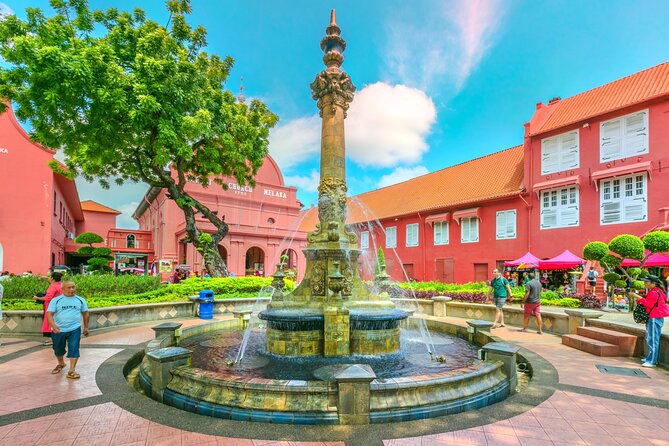
The Red Square (Dutch Square) is the anchor. It’s the heart of Malacca’s old administration area, and it’s the kind of place where you can stand for a minute, look around, and instantly understand the city’s power layout: offices, public buildings, and the squares that helped people gather.
Right nearby is the Melaka Clock Tower—the Tan Beng Swee Clock Tower—an easy landmark to orient yourself. Even if you’re not a clock person, it helps you re-find your bearings later while you’re walking between stops.
Then comes the Queen Victoria’s Fountain, built in 1901. This is one of those spots that’s small in time but big in vibe. You get British-era public works mixed into the broader Portuguese-and-Dutch setting, and that mix is basically the whole story of Malacca.
Practical tip: if you like photos, bring something with a wide lens or use your phone’s panorama mode. The buildings here look best when you show their context, not just a tight close-up.
St. Peter’s Church to St. Francis Xavier: How Religion Reflects Power Shifts
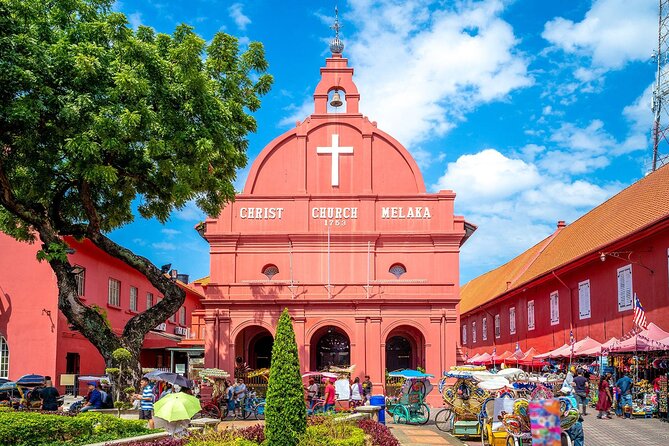
The religious stops aren’t random. They track the city’s changing rulers and their relationships with Catholic communities.
St. Peter’s Church (1710) ties into the Portuguese occupation ending in 1641 when Melaka fell to the Dutch. After that, Catholics faced persecutions under Dutch rule. Even if you don’t spend much time inside, the exterior and setting make the story easier to hold in your head while you’re moving to the next site.
Next is St. Francis Xavier Church, built in 1849 on the site of an older Portuguese church. It was finished in 1856, and the timeline alone is useful: it shows how older European-era foundations kept shaping later rebuilds rather than disappearing.
How to enjoy these stops: don’t rush to “collect” them. Instead, pick one detail—facade style, simple signage, or the church’s position against the street—and use that as your mental hook.
St. Paul’s Hill and A Viewpoint Feel
St. Paul’s Hill & Church (Bukit St. Paul) is one of the most important stops on the route because it links directly to the Portuguese era. The church was originally built in 1521 and is described as the oldest of its kind in Malaysia and Southeast Asia dedicated to the Virgin Mary.
This is the kind of place where timing matters. You’ll likely have around 15 minutes, which is enough to look, take photos, and read the key info—just not enough to treat it like a full heritage visit. If you want more quiet time, plan to return later on your own.
Why I think it’s worth the sprint: St. Paul’s Hill helps you see Malacca not just as markets and streets, but as a strategic place where early Europeans tried to anchor themselves.
A’Famosa Fort: The Tiny Gate That Carries Big Weight
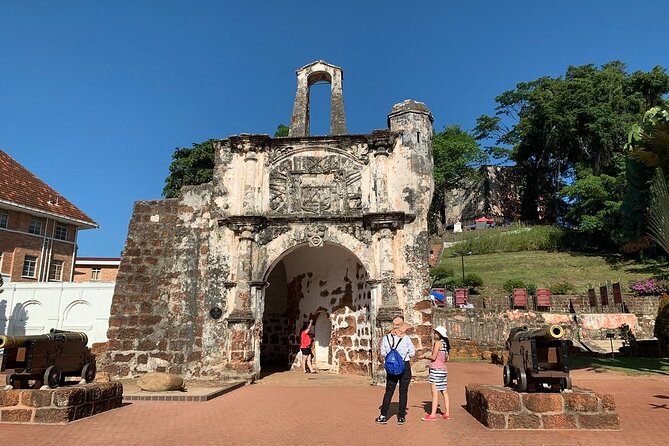
Then you hit A Famosa Fort—named from Portuguese meaning The Famous. This is one of Asia’s oldest surviving European architecture sites. The catch is that what remains is smaller than what the word fort might suggest. The route highlights that the surviving piece is basically the famous gateway area (often the Porta-type remnant), spared from a once-mighty fortress.
That can disappoint people who expect a full castle complex. But it doesn’t have to. The value here is the scale lesson: empires rise, forts fall, and time leaves you fragments. What you’re really learning is how to interpret what you see, not how to tour a huge ruin site.
If you care about details, stand where you can see the gate area clearly and take a moment to picture what the bigger fortress might once have enclosed. Even without that imagination workout, it’s a strong photo stop.
The City of Many Faiths: Cheng Hoon Teng, Kampung Kling, Sri Pogyatha
Malacca doesn’t do one-style religious architecture. That’s why the next cluster of stops feels meaningful even when they’re brief.
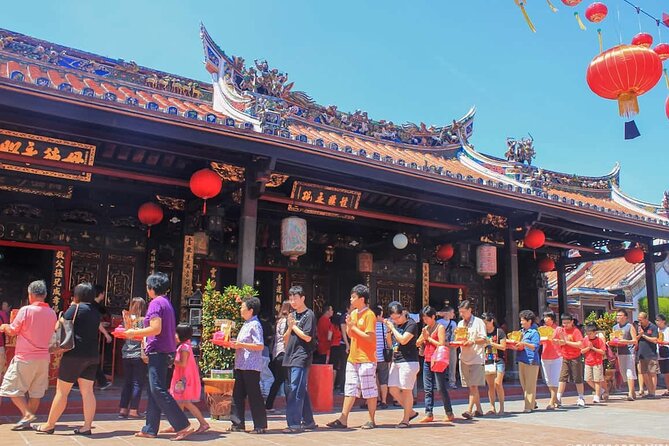
First is Cheng Hoon Teng Temple, described as the finest Chinese temple in Malaysia. It survived time and is noted for earning recognition from UNESCO for outstanding architecture. You don’t have to be a temple expert to appreciate the craftsmanship vibe, because the structure itself does the teaching.
Then comes Kampung Kling Mosque, known for its distinctive minaret styled like a Chinese pagoda. The main prayer hall is topped with a triple-tiered pyramidal roof, and it’s supported by main columns. This is where Malacca shows cultural blend in a very physical way: the style vocabulary overlaps instead of staying separate.
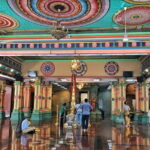
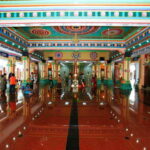
Finally, Sri Pogyatha Vinoyagar Moorthi Temple—called one of the oldest existing and intact Hindu temples in Malaysia, and among the oldest functioning Hindu temples in Maritime Southeast Asia. Even with limited time, the stop signals that Malacca’s Indian community history isn’t a side note. It’s part of the main architecture of daily life.
How to make this section work for you: take one photo per site, then choose one feature to remember. With a tight schedule, that mental bookmark stops the day from feeling like a checklist.
Malacca River: The Trade Route You Can Actually Feel
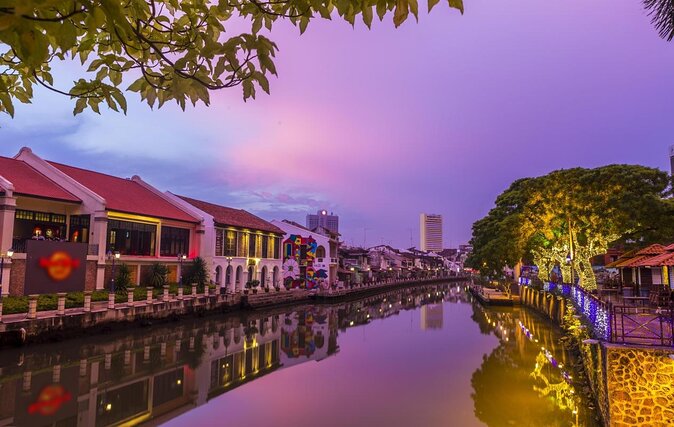
You’ll also pause at Malacca River—Sungai Melaka. It runs through the middle of the state and was a key trade route during the heyday of the Malacca Sultanate in the 15th century.
This is a good “story stop.” When you look at rivers like this, you can connect why earlier powers built, taxed, and defended. Even if the stop is only around 15 minutes, you’re learning the logic behind the architecture you already saw.
If the weather is hot (and it often is), this stop can be short on comfort time. Bring water—there’s mineral water included—then use the river pause as your break before you move into the street-food and shopping zone.
Jonker Street After Lunch: Food, Souvenirs, and a Smart Walking Pace
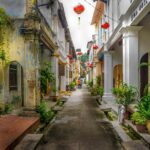
The day’s momentum shifts at Jonker Street (Jonker Walk), the Chinatown main street where you’ll find shops for clothes, antiques, and souvenirs—and also a serious street-food scene.
The highlight info calls out local favorites like Asam Laksa and Cendol. If you like tasting your way through a place, this is the moment. You don’t need to overthink it: pick one savory and one sweet, then spend the rest of your time browsing.
I like Jonker Street because it’s not just about buying things. It’s where you see the city in “real shopping mode,” where locals and visitors share the same sidewalk. You’ll spot bright storefronts, snack stalls, and little side lanes that can be worth a quick wander if your group stays together.
One caution: it’s easy to spend more than you planned, especially on antiques and decorative items. If you’re shopping, set a rough budget before you start and keep your biggest purchases for the last 10 minutes, not the first.
Lunch and the Included Extras That Keep the Day Smooth
Lunch is included as a local lunch, plus mineral water. That sounds simple, but it’s practical value on a long day. You don’t have to hunt for food once you’re already tired from driving and moving between sites.
The transport also helps: you’ll be in an air-conditioned vehicle the whole time, which matters if you’re visiting in warm months. Private transport reduces the “wait around” time that can wreck a day trip.
And because the listed stops show free admission tickets for the major sites on the route, your money goes to experiences and meals instead of entrance fees.
Price and Value: Is $89 Worth It From KL?
At $89 per person, you’re paying for three big things: transportation from Kuala Lumpur, guided routing across multiple historic stops, and lunch plus water.
Here’s how I judge the value:
- If you’re planning to DIY, you’ll still need a full-day plan and transport that doesn’t leave you stranded between sights.
- Since many stops are quick and focused, a guided loop prevents wasted time.
- Lunch is included, so you’re not adding another meal search cost in the middle of the day.
This price is often a win for first-timers and people who want a structured overview. If you already love Malacca and want to spend hours inside temples or linger in specific museums, then a self-paced day could offer more time freedom. But for “see the essentials, eat well, go back to KL,” this is priced like a practical shortcut.
The Small-Group Driver Factor You’ll Feel in Real Time
One thing that stood out in the feedback style from past visitors is the quality of the driving and interaction. A common praise was a Tamil-speaking driver who was described as funny, intelligent, and aware of what the person wanted to experience. That kind of attentiveness can change the day from just “being transported” to actually getting better context while you’re out there.
You can help this along. Ask your driver what you should pay attention to at the next stop. Even simple questions—like which building matters most or what to look for in the church details—can make the brief time feel richer.
Who Should Book This Malacca UNESCO Day Trip?
This fits best if you want:
- A structured day that hits major landmarks fast
- Included lunch and water
- A multi-faith and multi-empire overview across Portuguese, Dutch, British, Chinese, and Indian heritage
- A capped group size with private transport rather than a crowded bus day
It also works well for people who don’t want to manage tickets and timing across many separate attractions. The format is described as suitable for most people, and the stops are largely short outdoor-orientation style points.
If you’re the type who hates rushing, you may feel the time pressure. In that case, consider using this as a first visit, then come back later for slower exploration.
Should You Book This Tour or Plan Malacca on Your Own?
Book it if you want a one-day “greatest hits” route with lunch included, straightforward stops, and guidance that helps you connect the dots between fort, squares, churches, temples, and the river.
Pass on it if you already know you’ll want deep time inside buildings, long market wandering, or a custom pace. In that situation, DIY can give you more freedom.
My practical take: for Kuala Lumpur visitors with limited time, this is a sensible way to see UNESCO-class Malacca without turning your day into logistics work.
FAQ
What time does the tour start?
The tour starts at 8:00 am.
How long is the Malacca day trip?
The duration is about 8 hours, including travel time.
Is hotel pickup and drop-off included?
Yes, hotel pickup and drop-off are included.
Is lunch included?
Yes. A local lunch is included, along with mineral water.
How many people are on the tour?
The maximum group size is 15 travelers.
What kind of transport will I use?
For 1–3 people, the transportation mode is a car. For 4–15 people, it’s a van. You’ll have air-conditioned transport.
What major sites are visited in Malacca?
The route includes St. Peter’s Church, Red Square (Dutch Square), Melaka Clock Tower, Queen Victoria’s Fountain, St. Francis Xavier Church, St. Paul’s Hill & Church, A’Famosa Fort, Cheng Hoon Teng Temple, Kampung Kling Mosque, Sri Pogyatha Vinoyagar Moorthi Temple, Jonker Street, and stops along the Malacca River.
Can I cancel and get a full refund?
Yes. You can cancel up to 24 hours in advance for a full refund.