REVIEW · KUALA LUMPUR
Kuala Lumpur Cultural & Heritage Most Iconic Locations
Book on Viator →Operated by Asni Tours & Travel (M) Sdn Bhd · Bookable on Viator
Half a day, and Kuala Lumpur tells its story. This private cultural loop strings together Hindu, Buddhist, and Islamic landmarks across Chinatown and Merdeka Square, with hotel pickup and an English-speaking licensed guide to make sense of what you’re seeing. I like how the route is efficient, and how the stops are varied enough to show Malaysia’s multicultural roots fast; I just keep one practical caution in mind—Jamek Mosque is closed on Friday, so you’ll view it from the outside only.
If you want a walkable history sampler without hunting for places yourself, this tour is a solid option. It runs about 3 hours 30 minutes, using an air-conditioned vehicle for the moves between areas, then foot time for the temples and heritage streets.
In This Review
- Key things you’ll notice on this Kuala Lumpur heritage loop
- Why this half-day Kuala Lumpur heritage route works (and for whom)
- Hotel pickup, air-conditioned comfort, and how logistics feel on the ground
- Stop by stop: how each landmark adds a different layer
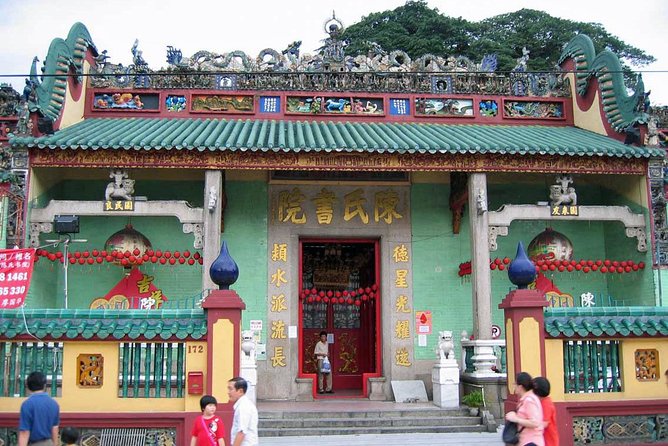
- Chan See Shu Yuen Clan House (early-culture foundation)
- Chinatown’s pre-war streets (where old KL texture still shows)
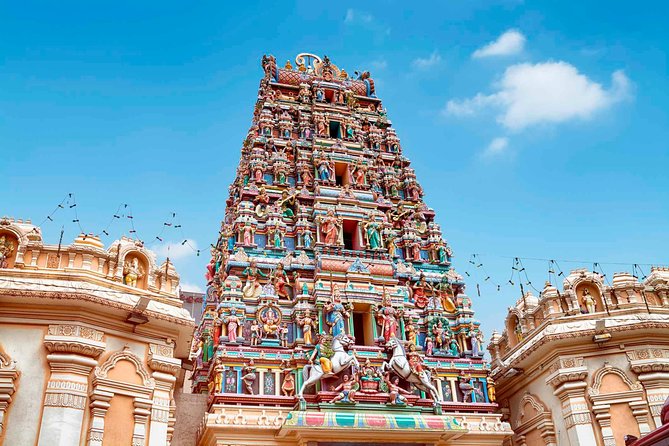
- Sri Maha Mariamman Temple (Hindu roots in the middle of it all)
- Sin Sze Si Ya Temple (Buddhist layers and older craftsmanship)
- Central Market Kuala Lumpur (1930 building, modern-day city life)
- Jamek Mosque and Merdeka Square: where Kuala Lumpur looks official
- The guide: what you’re really paying for
- Price and value: $119.73 per person for 3.5 hours, is it fair?
- Practical tips so you don’t lose time (or respect)
- Who should book this Kuala Lumpur Cultural & Heritage tour?
- Should you book this Kuala Lumpur Cultural & Heritage tour?
- FAQ
- How long is the Kuala Lumpur cultural and heritage tour?
- Is hotel pickup and drop-off included?
- Is this tour private or shared?
- What major types of landmarks does the tour cover?
- Which places are included in the itinerary?
- Is lunch or food included?
- Are admission tickets included?
- Is Jamek Mosque visited every day?
- What should I wear for the tour?
Key things you’ll notice on this Kuala Lumpur heritage loop
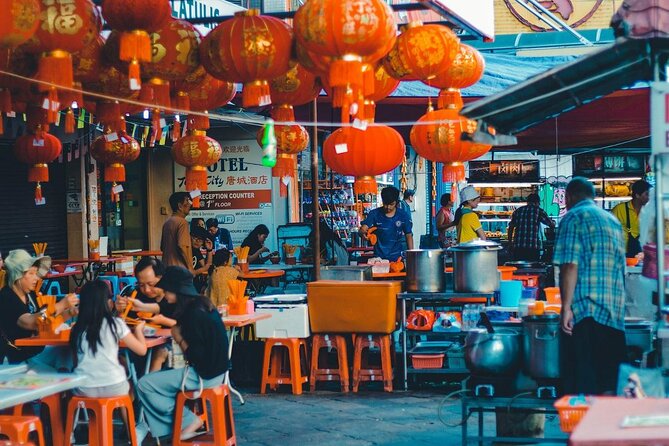
- Private format: only your group, so the guide can pace you.
- Multi-faith stops: Hindu, Buddhist, and Islamic landmarks packed into one half-day.
- Chinatown + Central Market: you get both religious sites and pre-war commercial streets.
- Short, focused visits: about 20 minutes at each main stop, so you cover more ground.
- Friday plan for Jamek Mosque: outside views only when it’s closed.
- Pickup and drop-off: included for selected hotels, which saves time and stress.
Why this half-day Kuala Lumpur heritage route works (and for whom)
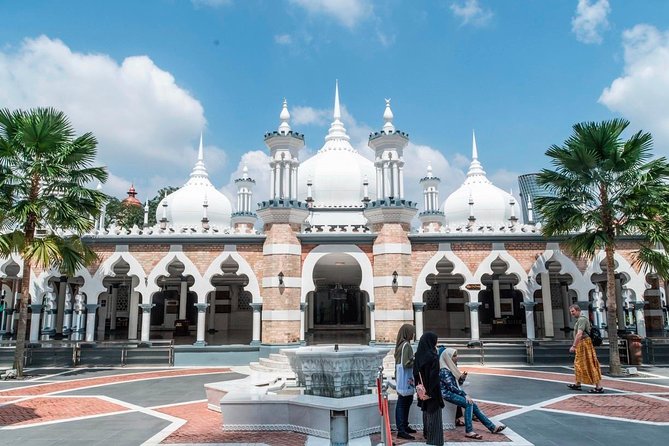
This tour is built for people who like context, not just photos. In one morning or afternoon, you move through areas that shaped Kuala Lumpur long before the skyline stole the attention—clan house heritage, older Chinatown streets, and key civic landmarks around Merdeka Square.
I like that it doesn’t pretend Malaysia’s culture is one single story. Your itinerary mixes Hindu temples, Buddhist temples, and an Islamic mosque, so you can see how different communities lived close enough to shape the city’s streets and architecture. It’s also a good fit if your time is short and you’re juggling other KL plans—this tour helps you “get your bearings” in cultural terms.
The main drawback is pace. With many stops (each around 20 minutes), you won’t have long, slow experiences at every site. If you’re the type who wants to linger for detailed sightseeing, you may wish you had extra time—or you’ll plan a return later.
You can also read our reviews of more tours and experiences in Kuala Lumpur.
Hotel pickup, air-conditioned comfort, and how logistics feel on the ground
Hotel pickup and drop-off are included for selected hotels, and that matters more than it sounds. Kuala Lumpur traffic can be a grab bag, so a coordinated start reduces the risk of losing half your sightseeing window to getting to the right neighborhoods.
You’ll ride in an air-conditioned vehicle with a professional licensed guide and an English-speaking driver. You also get a mobile ticket, which is handy for quick check-ins. I’d still bring patience for city driving—this is “big city, many stops” touring, so expect short transitions.
One more practical point: the tour is listed as near public transportation, which can help if your hotel pick-up isn’t available or you decide to adjust plans. And yes, it’s a private tour/activity, so it’s just your group—no mixing with strangers mid-day.
Stop by stop: how each landmark adds a different layer
Chan See Shu Yuen Clan House (early-culture foundation)
Your first stop sets the tone. Chan See Shu Yuen Temple and the clan house connection are tied to the Heritage Trails of early cultures in Malaysia—basically, this is where you start learning how migrant communities organized themselves and built community identity.
This is also one of those places where your guide can make the “why” click. Even if the visit itself is short, the meaning matters: clan houses are more than architecture. They represent social structure, family networks, and a pattern of community life that shaped early Kuala Lumpur before the modern core took over.
What I like here is the entry point. You’re not jumping straight into one religion; you’re starting with how communities formed. That makes the later temple and mosque stops feel connected rather than random.
Chinatown’s pre-war streets (where old KL texture still shows)
Next comes Chinatown, with a focus on pre-war building landmarks. This isn’t just wandering for the sake of wandering. You’re on a timed loop, and the guide will point out what’s worth seeing so you don’t spend your limited 3.5 hours stuck in photo lines.
Chinatown is ideal for this style of tour because it naturally clusters older religious sites and older city blocks. When you combine “walk and learn” here, you see how the city’s layout supports cultural proximity.
A small consideration: Chinatown gets busy and it’s walking-heavy between points. If you’re sensitive to crowds or you hate hot sidewalks, plan for slow-down moments and take water if you’ve already brought your own (food and drinks aren’t included).
Sri Maha Mariamman Temple (Hindu roots in the middle of it all)
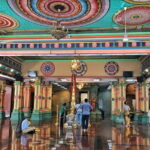
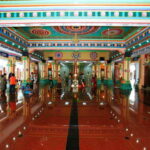
Sri Maha Mariamman Temple is a standout on the route for one big reason: it’s described as the oldest Hindu temple in Kuala Lumpur, founded in 1873. Your stop is positioned at the edge of Chinatown in Jalan Bandar, which helps you connect the temple to the street-life around it.
This is a great stop if you want a clear “anchor fact.” When a site is old and centrally placed like this, it shows you how longstanding traditions stayed visible as KL grew.
The visit is short—about 20 minutes—so the value depends on your guide. If you’re the kind of person who reads signs slowly, you might want to bring your questions and ask for a quick explanation of what you’re looking at. The upside is that this brief stop gives you a meaningful historical marker without stealing the whole day.
Sin Sze Si Ya Temple (Buddhist layers and older craftsmanship)
Then you move to Sin Sze Si Ya Temple (also listed as Sze Yeh Temple), built in 1880. Like Sri Maha Mariamman, the main win is the age and the cultural imprint. You’ll see another side of Kuala Lumpur’s multi-community identity.
This stop also balances the earlier one. Hindu and Buddhist sites can look visually different, but they share a practical role: giving communities a place to gather, worship, and preserve tradition. Seeing both helps you understand KL as a city of overlapping identities.
Since the stop is brief, I recommend you focus on a few things: the overall layout, the entry area, and any architectural details your guide points out. You’ll get more out of it with fewer distractions.
Central Market Kuala Lumpur (1930 building, modern-day city life)
Central Market is on your route as a key civic and commercial landmark, noted here as built in 1930. Even without a deep shopping plan, the building itself is useful for understanding KL’s evolution: religious community anchors are great, but you also need the city’s everyday meeting points.
This stop works well as a “reset” between temples. It’s also where your guide’s stories can connect daily commerce with cultural neighborhoods—how people moved, traded, and lived around these landmarks over time.
Because food and drinks aren’t included, you may want to plan a snack strategy before or after. If you end up grabbing something in the Central Market area, great, but don’t count on the tour to feed you.
Jamek Mosque and Merdeka Square: where Kuala Lumpur looks official
Jamek Mosque is one of the key Islamic stops, and it’s described with north Indian Islamic architecture. You’ll spend about 20 minutes here. The big practical wrinkle: Jamek Mosque is closed on Friday, and then you’ll have a look from the outside only.
That matters a lot if mosque visiting is your top goal. One of the lower-rated experiences in the feedback highlights a similar issue: the tour didn’t stop at the main mosque you expected, and prayer-time timing caused disappointment. The takeaway for you: if your must-do is getting inside a mosque, check your travel day and align expectations with what’s possible on that schedule.
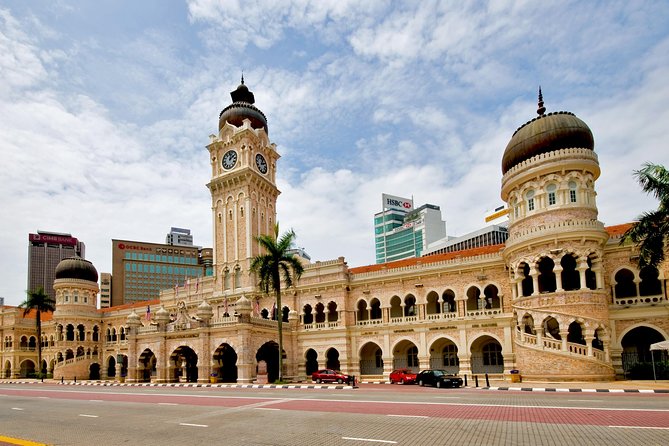
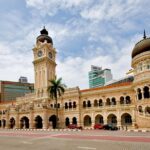
After that, you’ll head to the Sultan Abdul Samad Building at Merdeka Square. This is a major civic landmark in the mix, giving you a clean “modern city center” contrast to the older community streets. It’s also a good place for photos because it’s visually tied to KL’s identity as a capital city.
The guide: what you’re really paying for
At this price point, the guide’s quality is the difference between a quick sightseeing walk and a tour that actually makes sense.
The strongest feedback calls out specific guides by name. Raja comes up as an excellent, knowledgeable guide who explained Malaysian culture well, and people liked that he could tailor the tour to interests and even help with planning other KL outings. Dhevan is praised for being informative and for providing clear context about the history behind iconic buildings. On top of that, multiple positive notes mention pickup and drop-off running on time and guides being friendly.
That’s the sweet spot: when your guide connects the visual details—architecture, location, community purpose—your short 20-minute stops feel longer in meaning than in minutes.
Price and value: $119.73 per person for 3.5 hours, is it fair?
$119.73 per person isn’t a budget price, and it’s worth judging based on what you get rather than the sticker. Here’s the value math that makes sense with the facts you have:
- You’re getting a private tour format (only your group).
- You have hotel pickup and drop-off for selected hotels.
- Transport is provided by an air-conditioned vehicle.
- You have a professional licensed guide and an English-speaking driver.
- The route covers multiple landmark categories in about 3.5 hours.
If your alternative is a self-guided crawl where you pay for taxis and spend time figuring out routes, this can become a time-saving deal. On the other hand, one review called the tour over-priced compared to another private option purchased the day before. That tells you to do a quick comparison based on your priorities: if you mainly want one or two sites, you might feel the cost more.
My advice: treat this as a “time + guidance” purchase. If you’re the type who reads, asks, and wants context, you’ll feel the value more. If you want a slow, sit-down experience at each temple or want lots of free time, you may feel stretched for time.
Practical tips so you don’t lose time (or respect)
This tour is straightforward, but small things help.
- Wear comfortable walking shoes. The stop cadence means you’ll be moving often.
- Bring a hat or cap for sun. Chinatown streets can feel warm, and you’ll be outside between points.
- Plan for no included food. Food and drinks aren’t included, and lunch is excluded—so decide whether you’ll eat before or after the tour.
- Expect free admission at many listed stops, but don’t assume every detail beyond what’s provided in the schedule.
- If you’re traveling on a Friday, treat mosque plans carefully. Jamek Mosque is noted as closed on Friday, so you should be ready for outside viewing.
Also, if you care about specific religious site access, message your provider before you go (or ask the guide on pickup what you can realistically enter on your day). That one step avoids the exact kind of disappointment that’s shown up in the lower-rated feedback.
Who should book this Kuala Lumpur Cultural & Heritage tour?
This is best for you if:
- you want a half-day cultural overview without planning a route,
- you like multi-faith context instead of one single theme,
- you value a guide who explains what you’re seeing,
- you’re staying in a hotel eligible for pickup and want transport handled.
You might skip or modify it if:
- mosque access is your main goal and you’re traveling on a day when stops may be outside-only,
- you prefer long visits and deep time at one site rather than quick stops across many,
- you’re very price-sensitive and willing to DIY.
Should you book this Kuala Lumpur Cultural & Heritage tour?
Book it if you want a structured, private way to see Kuala Lumpur’s cultural layers fast—clan house heritage, older Chinatown buildings, temples from multiple faiths, Central Market, then civic landmarks at Merdeka Square. The best part is the guidance: when a strong guide (like Raja or Dhevan) runs the day, you get a coherent story instead of a checklist.
Don’t book it on autopilot if Friday is in your schedule and you’re counting on Jamek Mosque as an inside visit. Also, be honest about your pace tolerance: short stops mean you’ll cover a lot, but you won’t have hours to linger.
If you match those expectations, this tour is a smart use of limited time—and a great way to understand KL beyond the skyline.
FAQ
How long is the Kuala Lumpur cultural and heritage tour?
The tour duration is about 3 hours 30 minutes.
Is hotel pickup and drop-off included?
Yes, hotel pickup and drop-off are included for selected hotels.
Is this tour private or shared?
This is a private tour/activity. Only your group will participate.
What major types of landmarks does the tour cover?
The itinerary includes Hindu, Buddhist, and Islamic landmarks across key areas of Kuala Lumpur.
Which places are included in the itinerary?
The listed stops are Chan See Shu Yuen Temple (clan house), Chinatown pre-war landmarks, Sri Maha Mariamman Temple, Central Market Kuala Lumpur, Sin Sze Si Ya Temple, Jamek Mosque, and Sultan Abdul Samad Building at Merdeka Square.
Is lunch or food included?
No. Food and drinks aren’t included, and lunch is excluded.
Are admission tickets included?
The itinerary notes free admission for several stops (including the listed temples and Central Market areas). The details provided indicate admission ticket free for those specific stops.
Is Jamek Mosque visited every day?
Jamek Mosque is listed as closed on Friday, and on those days you’ll have a look from the outside only.
What should I wear for the tour?
Wear comfortable walking shoes and bring a hat or cap, since you’ll be walking between multiple sites.
If you want, tell me your travel month and whether it’s a Friday, and I’ll help you decide if the mosque viewing fits your priorities.