REVIEW · YOGYAKARTA
Kotagede Yogyakarta Heritage Walk Tour
Book on Viator →Operated by Lawang Pethuk Kotagede · Bookable on Viator
Royal tombs in a working neighborhood sounds better than it is.
This Kotagede Heritage Walk pairs story-first guiding with hands-on cultural stops: you’ll visit the Mataram Kings Cemetery (with special Javanese dress) and then see everyday life at Pasar Legi where jamu is made. The one real catch is the walk can be hot or rainy, so you’ll want to dress like you’re moving—not strolling.
What I like most is the tour’s community mindset. It’s run by locals for locals, with capped group size (up to 10), so questions don’t get lost and the pace stays human. And a guide named Upik (UPIK) shows up in the feedback as especially enthusiastic and clear, which matters when you’re trying to understand things like traditional beliefs and house rules, not just landmarks.
In This Review
- Key things to know before you go
- Kotagede Heritage Walk: royal roots in a neighborhood you can actually see
- Mataram Kings Cemetery and Masjid Gedhe Mataram: what the dress and tombs mean
- Between Two Gates and rukunan: reading daily life in a traditional house
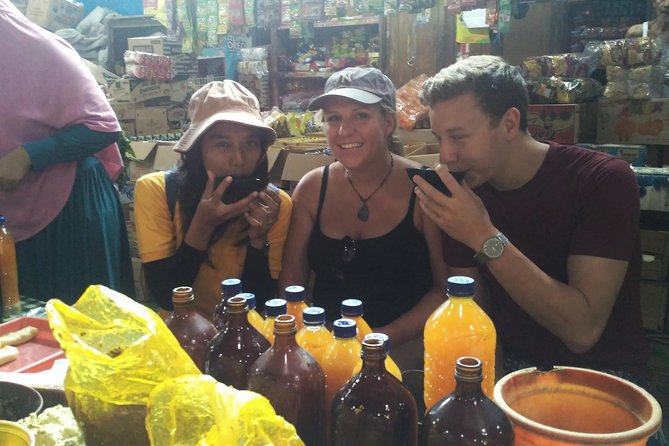
- Pasar Legi Kota Gede: herbs, snacks, and jamu-making you can see
- Craft moment: watching skills like a silversmith in action
- Weather, timing, and what to bring for a 2–3 hour walk
- Price and value at $35: where the money goes
- Who should book this Kotagede heritage walk
- Should you book this tour?
- FAQ
- How long is the Kotagede Heritage Walk Tour?
- How many people are in the group?
- What time does the tour run?
- Is a mobile ticket provided?
- What is included in the visits?
- Is cancellation free?
Key things to know before you go
- Small group cap of 10 keeps the walk personal and interactive
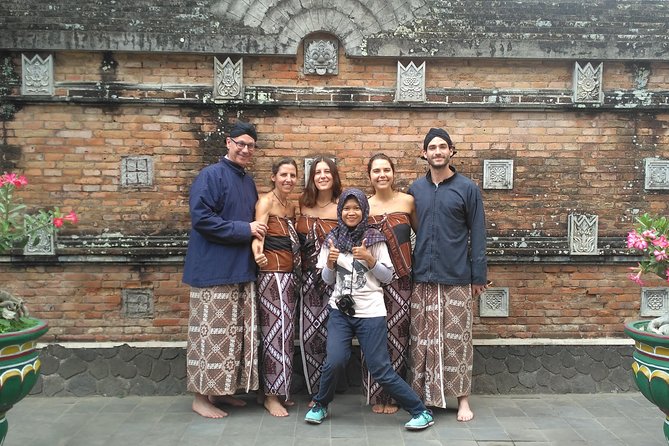
- Javanese dress is provided for the kings cemetery visit
- Pasar Legi Kota Gede is a working market stop with local snacks and herbs
- Jamu making is part of the experience, not just a mention
- Traditional houses and the concept of rukunan add real context to daily life
- Expect weather swings and plan clothing for heat and rain
Kotagede Heritage Walk: royal roots in a neighborhood you can actually see
Kotagede sits in Yogyakarta like a memory with streets. A few centuries ago it was a power center for the Mataram Kingdom, and that influence shows up in what people preserve—and what they still do today.
This tour keeps the focus where it should be. You’re not just collecting photos of old buildings. You’re learning how places connect: royal burial traditions, the shape of Javanese houses, the rules of community living, and the herbal knowledge that shows up in markets. Even the small snack moments fit that bigger story of everyday culture.
Price-wise, $35 per person is fair when you compare it to what you get: a guided walking experience, admission tickets included at listed stops, special dress for one key visit, and multiple cultural moments packed into about 2–3 hours. It’s not trying to be a full-day museum program.
And because the group size is capped at 10, you won’t feel like you’re hiding behind a crowd. When a guide like Upik leans into explanations, that interaction is easier to catch.
You can also read our reviews of more tours and experiences in Yogyakarta.

Mataram Kings Cemetery and Masjid Gedhe Mataram: what the dress and tombs mean
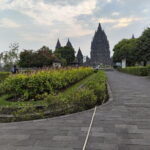
Stop 1 brings you into the Mataram Kings Cemetery area of Kotagede. The big “wow” is the kings tomb visit, and you’ll also get special Javanese dress for the cemetery portion. That matters. It changes the tone. People tend to treat sacred spaces differently when you’re visibly participating in local customs, not just passing through.
In the cemetery area, the tour also includes the Masjid Gedhe Mataram, described in the tour information as the oldest mosque in Yogyakarta. Even if you don’t know the details yet, you can feel what’s being communicated: this is where religious and royal heritage sit close together in daily geography.
What I think you should watch for here is the difference between a site that’s “historic” and a site that’s still part of community life. With this stop, you’re walking into a space where culture is not frozen behind glass. The guide’s job is to connect the formal story of the Mataram Kingdom with what you’re seeing in front of you.
Time is listed at about 30 minutes, so don’t expect a slow, meditative pace. It’s more like a focused introduction. If you want deeper reading, take notes fast and then let the rest of the walk give you more context.
Between Two Gates and rukunan: reading daily life in a traditional house
Next comes Stop 2, the area described as Between Two Gates. Here the tour shifts from “royal heritage” into practical culture: you explore traditional houses lived by local people, not empty structures.
This stop is where the tour earns its “heritage walk” label. It’s easy to admire architecture. It’s harder to understand why houses look the way they do and how communities manage shared expectations. That’s where the guide introduces the term rukunan—a concept tied to how neighbors and household owners agree on living conditions in Javanese neighborhoods.
There’s also a traditional snack element at this stage. That’s a smart move for two reasons. First, it keeps the tour grounded in real routines. Second, it gives you a moment to slow down and ask follow-up questions while everyone’s still in the same shared space.
The drawback to keep in mind is that this stop is weather-sensitive in a walking tour way. You’ll be outdoors, and you’ll likely spend time near lived-in spaces. So if it’s raining hard or the heat is high, the experience can feel a bit compressed. Bring water and plan for short bursts, not a long leisurely wander.
Pasar Legi Kota Gede: herbs, snacks, and jamu-making you can see
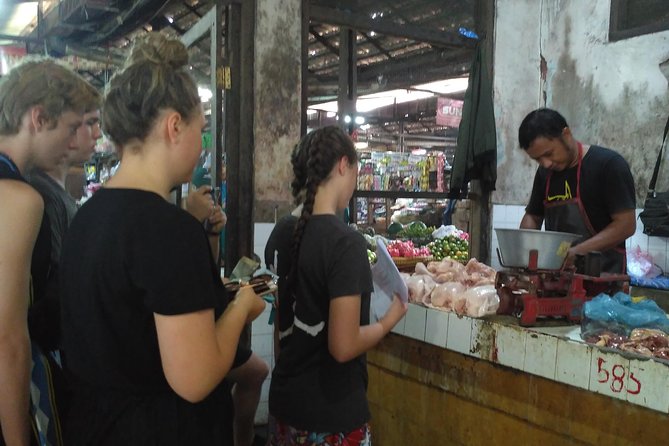
Stop 3 is Pasar Legi Kota Gede, described as one of the oldest markets in southern Java. This is where the walk becomes truly “everyday heritage.” Markets sound like a generic tourism label until you see what a market sells and how knowledge moves through it.
Here you’re likely to find local food and snacks, fruit, vegetables, herbs, and kitchen items. You’re also there for a specific cultural skill: watching the making process of jamu, traditional herbal medicine.
Why jamu matters on a tour like this is simple. Jamu isn’t just a drink you buy. It represents a chain of knowledge—plants, preparation, taste, and local trust. When you watch it being made, it turns into something you can understand at a human scale. You can connect it to what you just learned about community life and belief systems from the house stop.
Again, time listed is about 30 minutes, so you’ll see the key movements rather than the full process end-to-end. Still, that’s enough to give you a sense of how jamu fits into regular market life.
One practical tip: markets involve lots of sights and smells, and it can get crowded depending on the time of day. If you’re sensitive to strong herbal scents, give yourself a second to acclimate and keep your expectations realistic.
Craft moment: watching skills like a silversmith in action
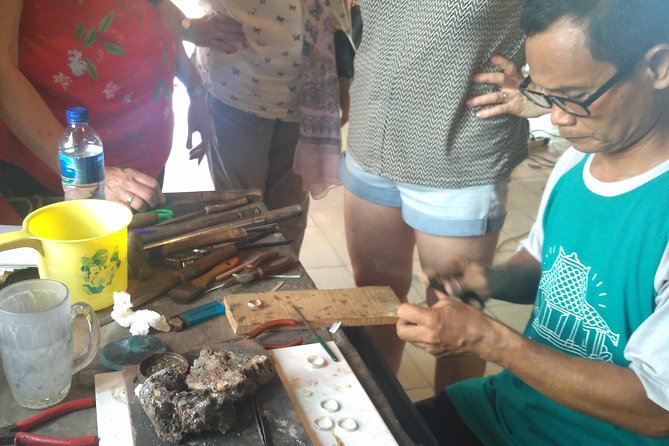
The tour overview also promises you’ll see a silversmith in action, along with the jamu herbal-making moment. The exact placement of the silversmith segment isn’t listed as a separate numbered stop in the itinerary you provided, but it’s clearly part of the experience package.
For me, this is one of the best “why this tour exists” parts. Yogyakarta has crafts everywhere, but the difference here is the direct viewing. You’re not just hearing that metalwork is important. You’re seeing the process and thinking about the patience involved.
Also, a craft stop pairs well with the rest of Kotagede’s themes. Royal identity isn’t only tombs and mosques; it’s also objects made by skilled hands. When you watch craft production, the heritage story stops being abstract.
If you like learning through observation—how people move, measure, repeat, and correct—this part will be satisfying.
Weather, timing, and what to bring for a 2–3 hour walk
This is a walking tour, and the reviews give you a clear heads-up: the weather can be very hot or rainy. I’d treat that as your main planning rule. Don’t show up dressed for comfort only in the shade. You’re moving between stops.
The tour runs in the morning window listed as 8:00 AM to 11:30 AM. That’s helpful. Earlier starts usually mean less heat. Still, Kotagede can feel intense on sun days, and rain can change plans fast.
I’d pack the basics:
- Water (you’ll want it)
- Light rain protection just in case
- Comfortable shoes because “heritage walk” still means walking
Also, plan your expectations around time. Each stop is listed at about 30 minutes, so you’ll get a focused slice of each place rather than an hour-long slow stroll. That’s not bad. It keeps energy up and makes the tour easier to fit into a busy Yogyakarta day.
Price and value at $35: where the money goes
At $35 per person, this tour is priced like a serious cultural experience, not a casual sightseeing add-on. Here’s why that cost makes sense based on what you actually get.
You’re paying for:
- A community-run guide experience
- A small group cap of 10, which directly affects quality of interaction
- Listed stops that include admission tickets at the cemetery, between the gates area, and the market
- Javanese dress for the cemetery portion
- Live cultural demonstrations tied to jamu-making
- A silversmith viewing segment promised in the tour features
- An organized start and end at specific locations in Kotagede
In other words, it’s not just paying for someone to walk beside you. You’re paying for the structure that makes access possible—especially for cultural spaces where context matters.
If you’re the kind of traveler who likes meaning over mileage, this is the sort of tour that pays off.
Who should book this Kotagede heritage walk
This is a great match if you:
- Want a firsthand cultural walk through Kotagede’s heritage sites, not a checklist
- Like learning from locals who can answer questions in plain language
- Enjoy market culture and everyday traditions like jamu
- Prefer a small group where your questions actually land
It’s also good for couples and solo travelers because the cap is small enough that you won’t feel swallowed by strangers. The tour being described as run by the community for the community is a strong signal that the tone stays respectful.
If you hate heat and rain situations, you can still go, but you’ll need to show up prepared. Also, if you want a super long deep-study at one location, the time blocks are short by design.
Should you book this tour?
If you want a meaningful, guided walk through Kotagede that connects royal heritage, lived-in neighborhoods, market life, and traditional herbal knowledge, I’d book it. The combination of community-run guiding, small group size, and cultural moments like jamu-making and a silversmith viewing is exactly the kind of value that turns a short morning out into a story you’ll remember.
Just don’t treat it like an easy stroll. Bring water, plan for the weather, and expect a concentrated 2–3 hours.
If you’re planning your Yogyakarta days around authentic culture and you like asking questions, this one is worth your time.
FAQ
How long is the Kotagede Heritage Walk Tour?
The tour lasts about 2 to 3 hours.
How many people are in the group?
The tour caps at a maximum of 10 travelers.
What time does the tour run?
The listed opening hours are Monday to Sunday from 8:00 AM to 11:30 AM.
Is a mobile ticket provided?
Yes, the tour uses a mobile ticket.
What is included in the visits?
Admission tickets are included for the listed stops, and you’ll have special Javanese dress for the kings cemetery portion. The tour also includes watching jamu being made and seeing a silversmith in action.
Is cancellation free?
Yes. You can cancel up to 24 hours in advance for a full refund.
If you tell me what day/time you’re considering in Yogyakarta, I can help you decide whether the morning window fits your itinerary and what to pair it with nearby.