REVIEW · LISBON
Lisbon: Jewish History Tour of Lisbon
Book on GetYourGuide →Operated by Lisbon Walker · Bookable on GetYourGuide
Lisbon’s Jewish past hides in plain sight. This 1-day, private guided walk stitches together Praça do Comércio, Alfama’s medieval segregation, and Rossio’s 1506 Pessah massacre—so the story feels anchored to real neighborhoods. I especially like the way your guide connects big historical moments to street-level places, and I also like how much room there is for questions during the walk. One thing to consider up front: Lisbon left very few physical Jewish landmarks, so you’ll be relying on interpretation more than ruins and artifacts—still, that’s part of the point.
What I like most is that the tour doesn’t stop at medieval Lisbon. You also get the later thread of Jewish life and survival, including the 1940s passage of refugees during World War II, and how a Lisbon diaspora spread outward across the Atlantic, the Mediterranean, Asia, and northern Europe. The tour moves through places most first-time visitors pass through anyway, but it gives you a different lens—suddenly those streets and squares feel like chapters, not just scenery.
This is a walk-first experience in central Lisbon (castle-area views are part of the deal), so good shoes matter. If you’re the type who wants to understand how faith, power, and fear shaped daily life over centuries, you’ll enjoy it. If you’re hoping for lots of surviving synagogue walls or museum-style artifacts at every stop, set your expectations: you’ll come away with context, not a collection of relics.
In This Review
- Key things I’d watch for on this tour
- Entering Praça do Comércio: where the story starts
- From Baixa to Ribeira: Exodus, conversion, and the pressure of power
- Alfama and Castle Hill: segregation mapped onto the city
- Rossio and the 1506 Pessah massacre: remembering in the open
- Mouraria and the Resistance Museum: the story reaches the 1940s
- What the route really gives you: learning without artifacts
- Price and value: what $106 buys you
- Logistics that matter: how to make this walk enjoyable
- Who should book this tour (and who might not)
- Should you book Lisbon Walker’s Jewish History Tour?
- FAQ
- How long is the Lisbon Jewish History Tour of Lisbon?
- What is the price per person?
- Where do we meet for the tour?
- How do I identify the guide?
- What’s included in the price?
- What’s not included?
- What languages is the tour offered in?
- Is this a private group?
- Do I need to buy tickets or wait in line?
- What should I bring?
Key things I’d watch for on this tour
- Your guide is the main “landmark”: the route is story-heavy because physical remains are limited.
- Praça do Comércio sets the tone with the Exodus connection right at the start.
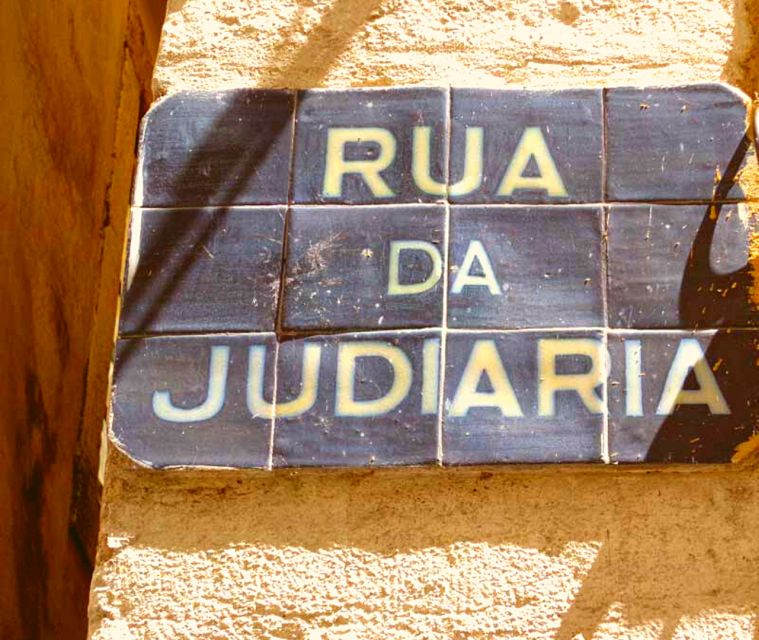
- Alfama shows segregation in the street layout as the tour climbs through Lisbon’s medieval logic.
- Rossio is where the 1506 Pessah massacre enters the conversation at a major city crossroads.
- Baixa connects to forced conversions—a hard, essential part of the Jewish/New Christian timeline.
- You also track the 1940s refugee passage so the story reaches modern Lisbon, not just the distant past.
Entering Praça do Comércio: where the story starts
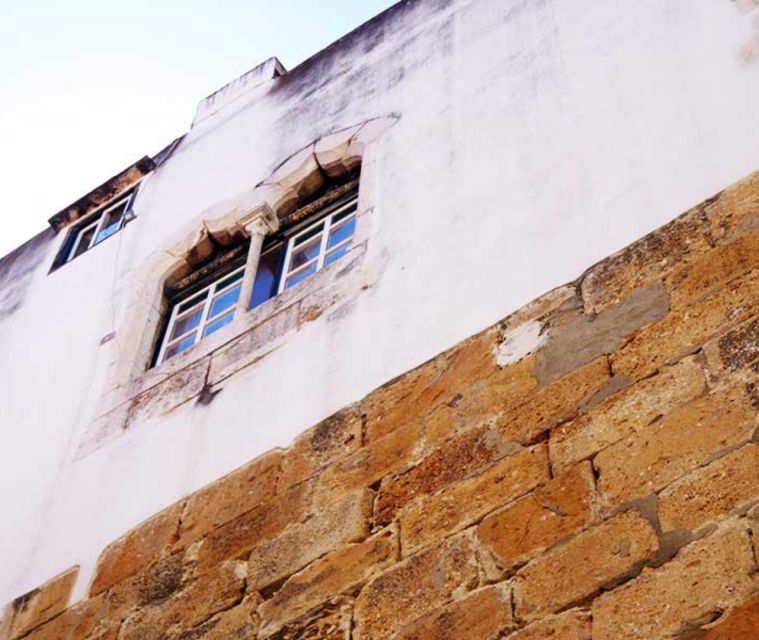
You begin at Praça do Comércio, meeting your guide under the big triumph arch. Look for someone carrying an orange backpack or a Totebag with the Lisbon Walker logo. It’s a smart meeting point because it’s open, easy to find, and it helps you get oriented fast before you start winding through the older districts.
This square matters in the way the guide frames it. The tour links Praça do Comércio to the Exodus origin—so even though this is a landmark square built for later Lisbon, your guide treats it like a launchpad into medieval memory. From there, you’re not just “seeing Lisbon.” You’re learning how people made sense of exile, return, and survival using the city’s geography.
I like that the start isn’t buried in a back street. If you’re new to Lisbon, you’ll get oriented quickly: you’ll understand where the city’s heart used to beat, and you’ll see why later neighborhoods—Alfama and Baixa—became places where identity could be both lived and controlled.
You can also read our reviews of more tours and experiences in Lisbon.


From Baixa to Ribeira: Exodus, conversion, and the pressure of power
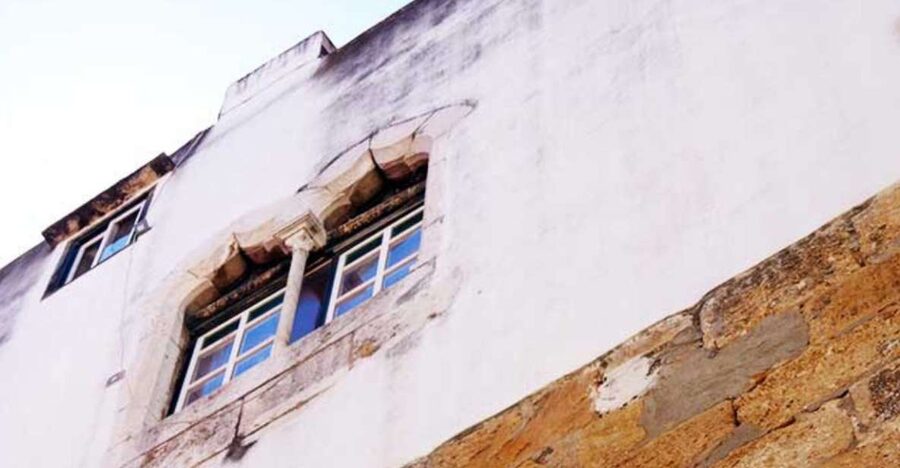
The walk carries you through central Lisbon zones that help explain how Jewish life was shaped by political and social forces. The Baixa District portion is especially important because it anchors the theme of forced conversions. You’ll also pass Rua do Comércio and other historic inner-city stretches that your guide uses to connect daily life to the pressures coming from above.
Then you move toward Ribeira, a district that helps you understand Lisbon’s connection to travel and arrival—important when the story later shifts toward the wider diaspora and later refugee movements. Even if you don’t see “Jewish sights” on the walls, the guide makes the point that control and community happen in ordinary places too: marketplaces, streets, and routes.
One practical note: parts of this route are lively, and it can get busy. That’s not a reason to skip the tour—it’s a reason to pay attention. A guided route turns that busyness into context. When your guide ties what you’re seeing to conversion pressures and later migrations, the city stops feeling like a postcard and starts feeling like a timeline.
Alfama and Castle Hill: segregation mapped onto the city
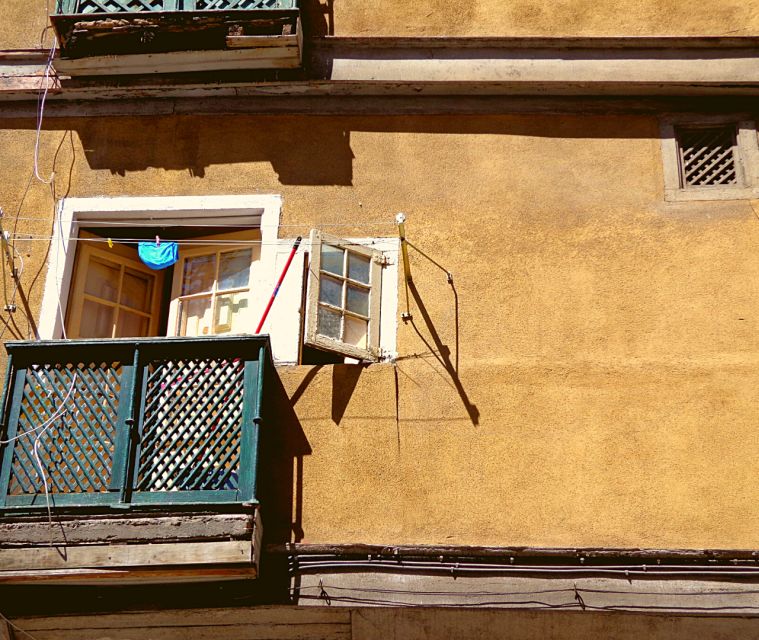
If you want the medieval story to make sense, Alfama is where it clicks. The tour covers the Alfama Jewish quarter and the medieval segregation that shaped where people could live and how the city organized difference. Alfama’s streets naturally help you understand this. The terrain and layout aren’t random—they’re part of how power worked in older Lisbon.
As you go, expect the tour to keep returning to the idea of separation: not just beliefs, but space—who belonged where, who was pushed out, and how living conditions changed under pressure. This is one of the most praised parts of the tour, and it’s easy to see why. Even without many surviving objects to point at, the guide’s storytelling gives the geography meaning.
Also: the group pace can be friendly if you need it. People on past departures appreciated that hill climbing was kept minimal and rest time was built in as needed. If you have mobility limits, tell your guide at the start. With a private group, they can often adjust the pace and stops.
Rossio and the 1506 Pessah massacre: remembering in the open
Rossio is a major Lisbon square—wide, central, and hard to miss. That’s a good thing here, because the tour uses Rossio to bring in the 1506 Pessah massacre. This is the kind of history that can feel far away until you hear it tied to a place you can actually stand in.
What I like about this stop is the balance. It’s not presented as a scary headline and then left behind. Your guide typically connects it to the larger arc: Jewish presence in Lisbon, later insecurity, and the way public life could turn dangerous quickly.
Because Rossio is public and busy, you might feel a contrast between the square’s everyday normality and the weight of what you’re learning. That contrast is part of the impact. You’re not just learning dates. You’re learning how communities experienced fear in ordinary civic spaces.
Mouraria and the Resistance Museum: the story reaches the 1940s
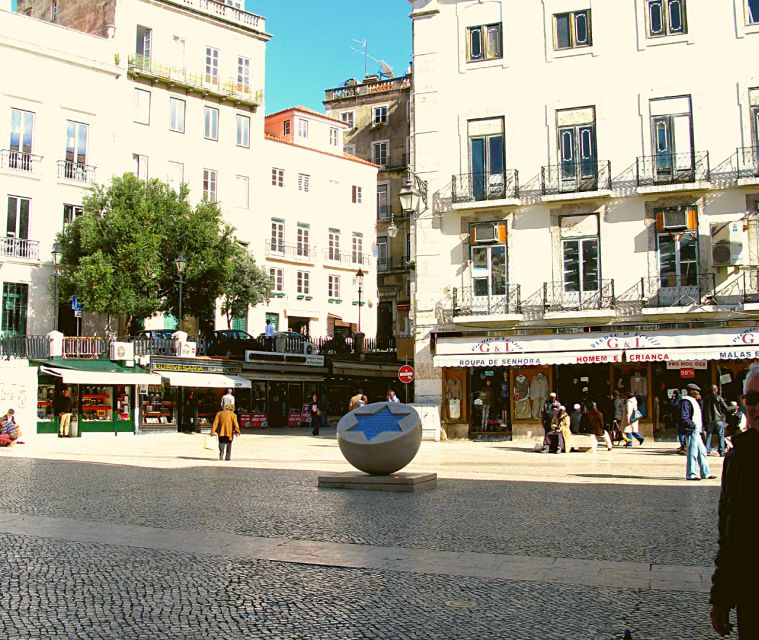
Lisbon’s Jewish story doesn’t stop at the Inquisition-era timeline. This tour also follows the modern thread, including World War II refugee passage in the 1940s. That matters because it shows continuity: survival and migration are not a one-time event in a history book. They happen as the world changes.
Along the way, you’ll pass through Mouraria and stop near the Resistance Museum (as included in the route). Your guide ties these sites into the broader story, including how Lisbon connects to wider networks across Europe and beyond. The stop mix is useful because it widens the perspective: you’re not only looking at medieval segregation; you’re also seeing how Lisbon became part of later chapters for displaced people.
If you’re the kind of traveler who wants history that reaches the present, this is where the tour delivers. It helps you understand Lisbon as a crossroads—sometimes welcoming, sometimes complicated, but always connected.




What the route really gives you: learning without artifacts
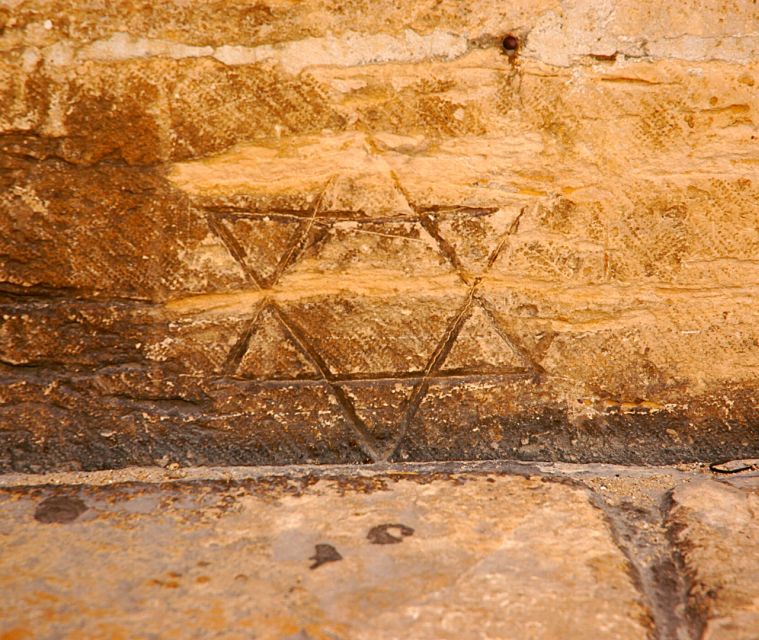
A common theme in the feedback is honest: Lisbon has very few physical remains that clearly mark the old Jewish community. That can sound disappointing before you go. But here’s the tradeoff you should know: the tour is built for interpretation.
So instead of expecting synagogue ruins or a museum case at every corner, you’ll get:
- Names and turning points tied to specific neighborhoods
- Stories that explain why certain areas mattered
- Context that links Portugal’s broader history to Jewish and New Christian experiences
That interpretive approach is especially valuable if you want to understand the “why” behind what you see today. Lisbon still looks like Lisbon—white stone, tiled façades, bright squares. The difference is what your guide helps you notice: what’s missing, what was altered, and how people adapted when history squeezed them.
Price and value: what $106 buys you
At $106 per person for a 3-hour guided tour, you’re paying for more than a walk. You’re paying for a guide who can connect multiple eras—medieval segregation, forced conversions, the 1506 Pessah massacre, and 1940s refugee passage—into one coherent city story.
Is it a bargain? It’s not a “grab-and-go” cheap tour. But it also isn’t paying for a bunch of separate museum tickets or a long day of transport. What you do get is a compact route through central Lisbon with a specialist guide and a private group setup, plus skipping the ticket line where applicable.
To me, it’s best value if:
- You want a focused 3-hour introduction
- You’d rather learn the context than chase scattered artifacts
- You like questions and discussion, not just listening passively
Logistics that matter: how to make this walk enjoyable
This tour is private and led in English or Portuguese, so you can pick what fits you best. Wear comfortable shoes—seriously. The route includes Lisbon’s older neighborhoods, and even when guides keep hills manageable, you still need solid footing for a multi-stop walk.
You also need to plan for your own food and drinks. They aren’t included, and the tour’s focus is the guided history rather than meals. If you’re doing it in the middle of a day, grab water before you meet.
One more practical point: the tour can be tailored to different time frames and starting points. That’s useful if you’re juggling a busy Lisbon schedule, or if you want the walk to line up with something else you’ve already planned.
Who should book this tour (and who might not)
You’ll be happiest booking if you:
- Want a concentrated introduction to Jewish presence in Lisbon across medieval and modern periods
- Enjoy neighborhood-based history, where streets and squares become evidence
- Prefer a guided explanation over a self-guided scavenger hunt
You might think twice if you:
- Want lots of visible physical remains or hands-on artifacts
- Don’t like walking through central city areas for a 3-hour block
That said, even people who go with realistic expectations usually end up valuing the context. The story is the product here, and the guide’s role is central.
Should you book Lisbon Walker’s Jewish History Tour?
If you’re curious about how Lisbon’s Jewish story shaped Portuguese culture—and how that story connected to broader diaspora routes—this tour is a strong choice. I’d book it for the clear structure: it starts at Praça do Comércio, moves through Alfama and Baixa, anchors key events like the 1506 Pessah massacre, and then reaches into the 1940s refugee passage so the history doesn’t end in the past.
Just go with the right expectation: you won’t be touring a landscape packed with surviving Jewish artifacts. You’ll be touring a city where the guide helps you read what remains, what’s been erased, and what that says about Portugal’s long, complicated history. If that’s your kind of travel, this is a great use of one day in Lisbon.
FAQ
How long is the Lisbon Jewish History Tour of Lisbon?
The guided portion is 3 hours.
What is the price per person?
It’s $106 per person.
Where do we meet for the tour?
Meet under the big triumph arch at Praça do Comércio.
How do I identify the guide?
The guide will be wearing an orange backpack or carrying a Totebag with the Lisbon Walker big logo.
What’s included in the price?
The price includes the 3-hour guided tour.
What’s not included?
Hotel pickup and drop-off are not included, and food and drinks are not included.
What languages is the tour offered in?
The tour is offered in English and Portuguese.
Is this a private group?
Yes, it’s a private group.
Do I need to buy tickets or wait in line?
The tour includes skipping the ticket line.
What should I bring?
Bring comfortable shoes for walking.