REVIEW · LISBON
Lisbon: 3-Hour Historical Tour
Book on GetYourGuide →Operated by My Lisbon Tours · Bookable on GetYourGuide
Lisbon makes sense on foot. This 3-hour guided stroll pairs real street time with context you can actually use, and it treats big sights like Santa Justa and the world’s oldest bookstore as story points, not checkboxes. I like the slow, easy rhythm that helps you orient yourself, and I like how the walk connects central neighborhoods with practical tips and Portugal talk.
One note: it’s a walking tour, and it isn’t suitable for people with mobility impairments, so plan for inclines and bring comfortable shoes. If you want a fast ride or lots of sitting, this one may feel like a lot.
In This Review
- Key things you’ll like about this Lisbon walk
- A 3-Hour Orientation Walk in Lisbon’s Heart
- Meeting at São Roque and Kicking Off at Saint Roch
- Bairro Alto and Chiado: Lisbon’s Edges and Views
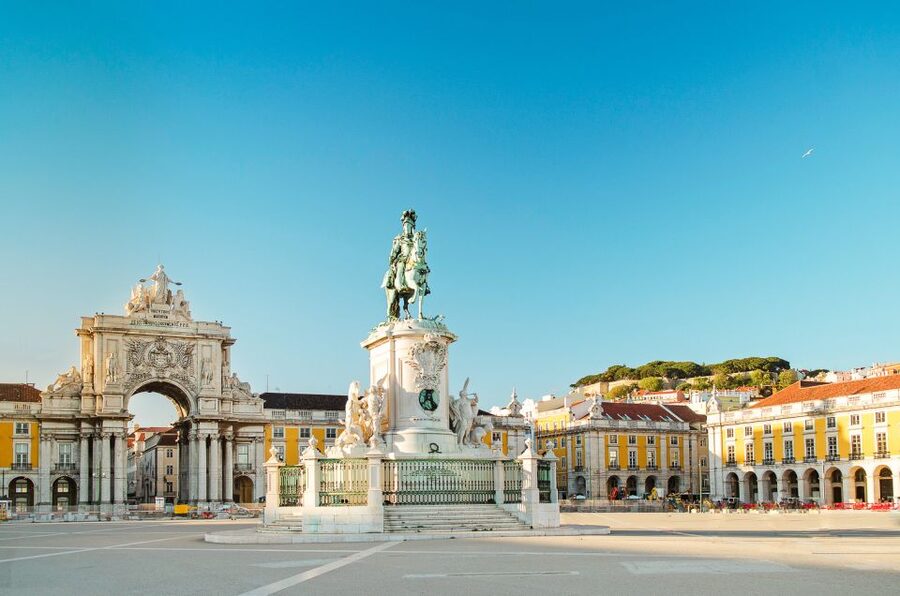
- Baixa and the Big Squares: Rossio and Praça do Comércio
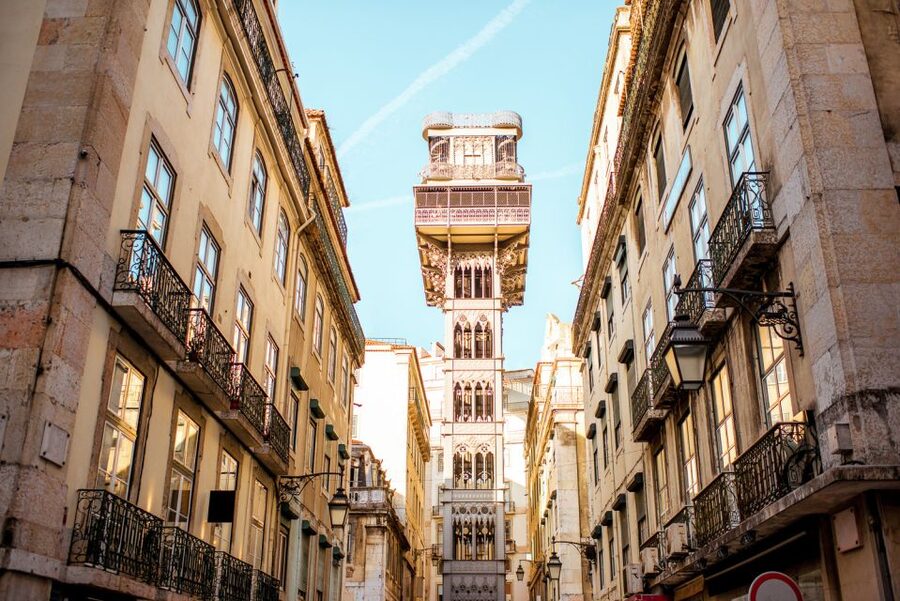
- Santa Justa Elevator: Why the View Matters
- The World’s Oldest Bookstore Stop (and why it’s smart)
- Traditional stores, local shopping culture, and small details
- How the Guide Helps You After the Tour
- Price, pace, and what’s included (so there are no surprises)
- Who this Lisbon tour fits best
- Names you might hear from your guide
- Should you book this historical walking tour?
- FAQ
- FAQ
- How much does the Lisbon 3-Hour Historical Tour cost?
- How long is the tour?
- How big is the group?
- What language is the tour offered in?
- Where do I meet the guide?
- What should I bring?
- Is the tour suitable for people with mobility impairments?
- What’s included in the price?
- What isn’t included?
Key things you’ll like about this Lisbon walk
- Small group (up to 8) means you can ask questions and keep up without feeling rushed
- Santa Justa viewpoint gives you one of the best angles for understanding Lisbon’s layout
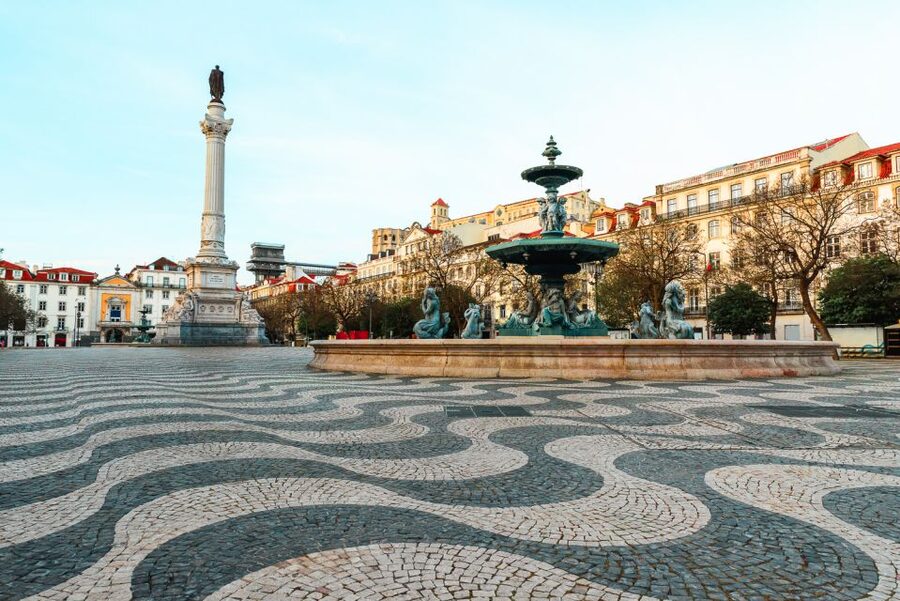
- Rossio Square + Praça do Comércio cover the city’s dramatic civic center in just a few steps
- Carmo Square and the Chiado/Bairro Alto stretch show Lisbon’s “layers” in a compact route
- World’s oldest bookstore adds a different kind of history beyond monuments
- Traditional stores help you see how locals shop, not just what they pose in front of
A 3-Hour Orientation Walk in Lisbon’s Heart

Lisbon is a city of hills, tiles, and sudden views. The big challenge is figuring out how the parts connect before you burn time zig-zagging around. This tour is built for that first-day orientation feeling, without needing to do everything in one long day.
You’ll walk a classic downtown loop that hits the key neighborhoods people mean when they say Lisbon’s center. The tour starts in the area around Igreja de São Roque (you meet by a statue of the priest next to it), and then the route begins at the Church of Saint Roch. That sets the tone: you’re not just moving place to place—you’re getting a guided sense of why these locations matter.
What I like for planning purposes is that the guide doesn’t keep things strictly “monument-only.” You’ll get commentary that ranges from Portugal’s current topics to culinary traditions, plus the kind of insider advice that helps you make better choices after the tour. And since it’s live and in English, you can ask follow-ups on transport and other nearby areas.
You can also read our reviews of more tours and experiences in Lisbon.



Meeting at São Roque and Kicking Off at Saint Roch
The meeting point is specific: by the statue of the priest next to the Church of São Roque. Arriving a bit early helps because old Lisbon streets can be a little maze-like, and you’ll want a calm start rather than a scramble.
From there, the walk begins at the Church of Saint Roch. This is a good way to start because it places you in a working “historical quarter” context right away. Saint Roch gives you a reference point for the route ahead—then the guide can explain how the city’s main districts developed and why certain streets and squares feel the way they do.
Also, starting with an area anchored by a church is useful for first-time visitors. It gives you a stable landmark before the tour begins moving through viewpoints and central squares. If you want your photos to make sense later, that early orientation step pays off.
Practical tip: wear shoes with real grip. Lisbon’s sidewalks can be uneven, and the route mixes straight streets with short climbs.
Bairro Alto and Chiado: Lisbon’s Edges and Views

After Saint Roch, you head toward Bairro Alto and Chiado. These aren’t just “pretty streets.” They’re where Lisbon’s character shows up in how the neighborhoods sit on slopes, how buildings frame the sky, and how daily life continues right beside historic spots.
One of the stand-out stops here is Carmo Square. It’s the kind of place where the guide’s commentary really matters. Without context, squares can blur together. With a narrative, you start noticing how a location functions—meeting spot energy, architectural cues, and why locals care about certain corners.
Bairro Alto and Chiado also set you up for the next major moment on the route: the city viewpoint. When a tour includes Lisbon’s viewpoint logic, it usually means you’re walking where the views actually make sense. That’s exactly what you get here.
The best part of this section for me is how it balances “history talk” with movement. You’re not stuck standing still for long stretches, but you’re also not rushing. It’s paced like you’re sightseeing with someone who’s trying to help you see the city as a connected whole.
Baixa and the Big Squares: Rossio and Praça do Comércio

Then you swing toward Baixa, the downtown core. This is where Lisbon looks most formal and civic—big open spaces, broad streets, and that strong sense of a planned urban center.
Two major squares anchor this part of the tour:
- Rossio Square: a central gathering spot that helps you understand Lisbon’s pulse in one glance.
- Praça do Comércio: the grand-facing square that feels like Lisbon presenting itself.
If you’ve ever felt overwhelmed in a new city—too many streets, too many possible photo angles—these squares help solve the problem. They give you “anchors” in your mind. After seeing them with guidance, it’s easier to navigate later because you know which direction the city’s structure is pointing.
Another smart thing about covering Baixa in a walking tour is that it gives you scale. Buildings, street widths, and how people move through the area become obvious when you experience them on foot. Later, when you’re choosing where to walk on your own, you’ll feel more confident because you already mapped the spaces in your head.
Santa Justa Elevator: Why the View Matters
Lisbon’s biggest souvenir is often a viewpoint. This tour includes Santa Justa Elevator as one of the best city-view moments.
Even if you don’t treat the elevator itself as the main event, the stop is useful for a simple reason: Lisbon’s layout can look confusing from street level. From a viewpoint, you finally see how the hills and neighborhoods relate to one another. That makes everything after feel clearer.
It also helps with timing. A viewpoint stop mid-tour is great because you’re still fresh enough to enjoy it, but you’ve already seen enough streets that the view has meaning. You’re not staring out at a random panorama—you’re recognizing patterns you just walked.
If you like photos, this is where you’ll want to slow down. If you just like understanding the city, it’s still a win. Santa Justa helps your brain build the map.






The World’s Oldest Bookstore Stop (and why it’s smart)
Then comes a different kind of history: the world’s oldest bookstore. This isn’t only a fun “fact check” stop. It works because it shifts the tour away from stone and into culture—how Lisbon has shared knowledge for generations.
You’ll also get a chance to see traditional stores, not just famous landmarks. That matters because Lisbon’s identity shows up in what people buy, how shopfronts look, and the everyday rhythm of commerce.
I like this part for visitors who worry they’ll spend the day looking at monuments and missing the city’s human side. A bookstore stop gives you a slower, more reflective moment—and it’s also a great reset if you’ve been walking for a while.
Traditional stores, local shopping culture, and small details
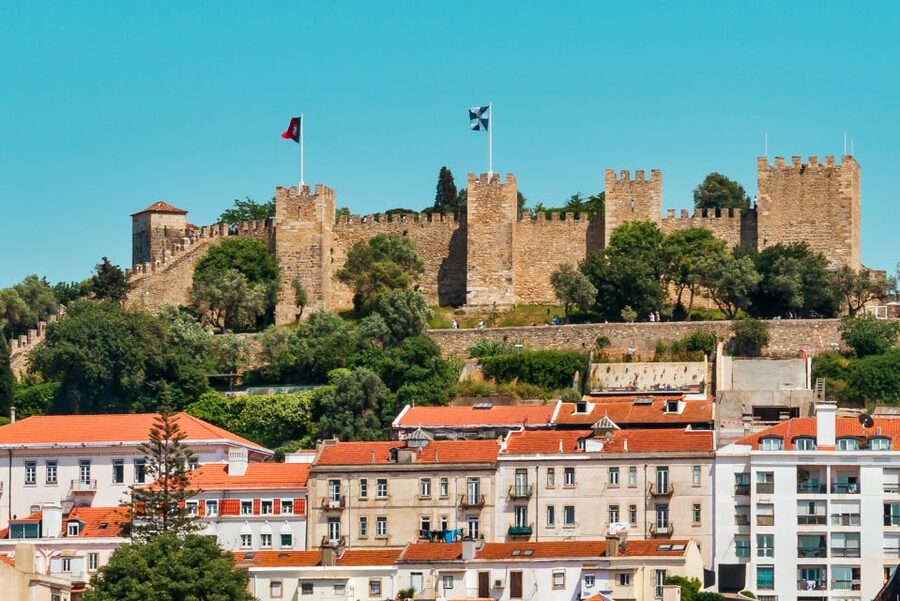
One of the tour’s strengths is that it doesn’t treat “culture” as only museums. You’ll get acquainted with Lisbon’s traditional stores, which helps you understand the difference between a tourist street and a neighborhood street.
This is where the guide’s personality matters too. Some guides keep things strictly factual. Others connect facts to life—what locals buy, how areas feel, and where it’s worth spending time after you’re done with the official route.
From past experiences with guides on similar routes in Lisbon, I’ve noticed the best ones do two things: they explain a place in plain language and they keep answering questions without acting like you’re slowing them down. In this tour, the tone tends to be that the guide is there to help you make the most of your stay—not just to recite a script.
And yes, you can ask questions. One of the clearest takeaways from how these tours run is that the guides answer things directly, including practical advice about transport and what to do next.
How the Guide Helps You After the Tour
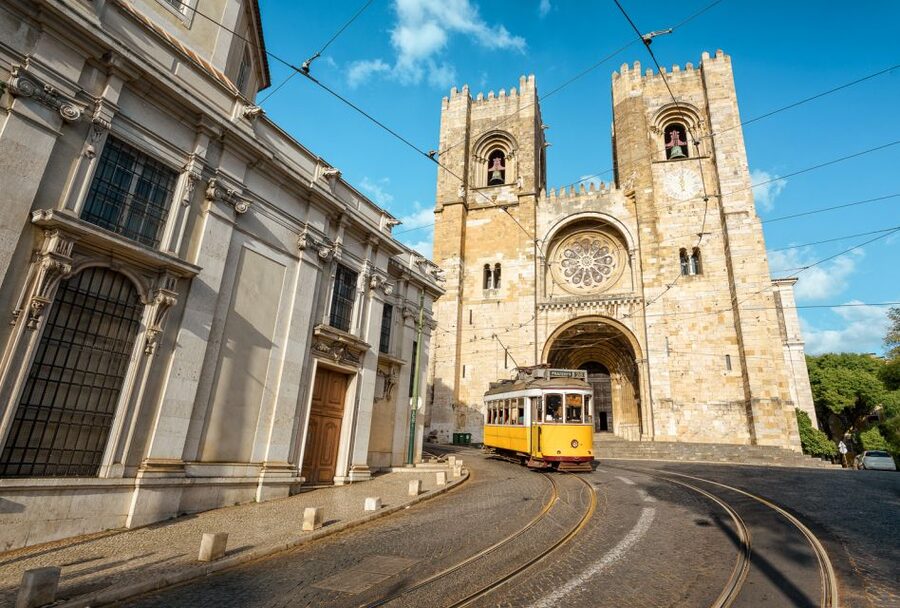
A good historical tour does more than point at buildings. It helps you decide what to do next. This tour leans into that idea in a practical way.
Your guide is a certified local guide, and their mission is to inform you what you need to enhance your stay in Lisbon, promote Portuguese culture and heritage, and share recommendations. That’s why the tour isn’t just a scenic walk. It’s also a conversation starter for the rest of your trip.
Topics can include:
- Portugal’s current events
- Culinary traditions
- Insider advice on public transportation
- Other areas you might want to visit
This is also where you get value for the money. At $35 per person for 3 hours, you’re paying roughly about $12 an hour, and the cost includes a licensed guide plus local taxes and fares. It’s not just a “walk ticket.” You’re buying context and guidance that can save you time later.
One more point: the group size is limited to 8 participants, which makes it easier for the guide to keep things conversational and not turn the tour into a lecture with a crowd bottleneck.
Price, pace, and what’s included (so there are no surprises)
Let’s be plain about value. For $35, you get:
- A professional licensed guide
- Local taxes and fares
What’s not included:
- Hotel pickup/drop-off
- Meals and drinks
- Museum entrance fees
That last one is important. The tour includes stops like the elevator area, squares, and the bookstore, but if you’re hoping for paid museum time, you’ll need to budget separately for any attractions where an entrance fee applies.
The pace is a moderate walking style—long enough to feel like you toured, gentle enough to stay oriented. It’s also easy to follow, since the route is structured and the guide keeps the flow clear.
Who this Lisbon tour fits best
This is a strong pick if you:
- Want a first-day orientation so the city makes more sense fast
- Prefer walking with commentary instead of sitting in a van
- Like central neighborhoods and classic squares more than outlying sights
- Enjoy small-group interaction and Q&A
It may not be your best match if you:
- Need a fully accessible route (it’s not suitable for mobility impairments)
- Want minimal walking or frequent long breaks
- Are hoping for heavy museum time during the 3 hours
Names you might hear from your guide
The tour runs with local certified guides through My Lisbon Tours, and the guides highlighted in prior participants’ experiences include Rui and Andre/Andriy Voyevoda. Across these guide profiles, the common thread is clear explanations, personable energy, and a willingness to answer questions—especially when you’re trying to understand how Lisbon works beyond the obvious landmarks.
Should you book this historical walking tour?
If your goal is to understand Lisbon fast, this tour is a solid choice. The route hits major squares like Rossio and Prça do Comércio, includes the viewpoint payoff at Santa Justa, and adds cultural texture with the world’s oldest bookstore and traditional shops. You’ll come away with a mental map and practical next-step ideas, not just photos.
Book it if you want a guided walk in the city center with room to ask questions and get tuned in for the rest of your trip. Skip it if you’re not comfortable walking hills or you’re mainly chasing museum-only time.
FAQ
FAQ
How much does the Lisbon 3-Hour Historical Tour cost?
It costs $35 per person.
How long is the tour?
The tour lasts 3 hours.
How big is the group?
It’s a small group limited to 8 participants.
What language is the tour offered in?
The tour is in English.
Where do I meet the guide?
Meet your guide by the statue of the priest next to the Church of São Roque.
What should I bring?
Wear comfortable shoes.
Is the tour suitable for people with mobility impairments?
No, it isn’t suitable for people with mobility impairments.
What’s included in the price?
A professional licensed guide plus local taxes and fares are included.
What isn’t included?
Hotel pickup and drop-off, meals and drinks, and museum entrance fees aren’t included.