REVIEW · KATHMANDU
Kathmandu World Heritage Tour
Book on Viator →Operated by The Great Adventure Treks & Expedition - Private Day Tours · Bookable on Viator
Kathmandu’s sacred sights are stacked too close to miss. This tour strings together UNESCO-listed highlights of the Kathmandu Valley into one day, with private pickup by A/C car. I like that it hits major landmarks you’ll hear about nonstop, but does it with a practical plan instead of a frantic scavenger hunt.
My favorite part is the pace-with-help approach. You’ll have an experienced government-licensed guide to explain what you’re seeing, and you’ll also get the Kathmandu Valley viewpoint from the top of Swayambhu. One thing to weigh: the headline price is only the start, since monument fees and site admissions are not included and can add up.
This is a long outing—about 10 to 15 hours—so it’s best when you’re up for temple visits, walking (including hilltop terrain), and a day that stays busy.
In This Review
- Key things I’d plan around
- Why this Kathmandu Valley day tour works for first-timers
- Price and what it really adds up to
- Getting picked up and staying on schedule
- Stop-by-stop: what you’ll see and what to watch for
- 1) Swaymbhunath (Monkey Temple) and the hilltop viewpoint
- 2) Pashupatinath Temple by the Bagmati River
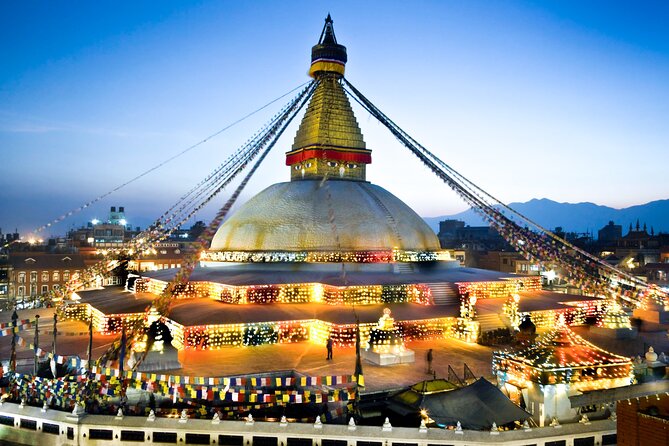
- 3) Boudhanath Stupa and the scale of devotion
- 4) Patan Durbar Square: artisan city energy
- 5) Kathmandu Durbar Square: the central stage of old Kathmandu
- The service quality that keeps this from feeling rushed
- Who this tour suits best (and who might want a different plan)
- Handy tips to make your day smoother
- Should you book the Kathmandu World Heritage Tour?
- FAQ
- What sites are included on the Kathmandu World Heritage Tour?
- How long does the tour take?
- Is hotel pickup included?
- What’s the total cost and what is not included?
- Are tickets provided electronically?
- Where does the tour start and end?
- Can I cancel and get a full refund?
Key things I’d plan around
- Five UNESCO World Heritage sites in one day: you’ll see a lot without switching hotels or building a multi-day itinerary.
- Private A/C vehicle with hotel pickup/drop: it’s easier on your time and energy, especially in traffic.
- Licensed guide support: you get context for temples, stupas, and the Durbar Square architecture.
- City view time at Swayambhu: the hilltop perspective is one of the day’s anchors.
- Expect extra fees at the gates: monument fees and admissions are listed as not included.
Why this Kathmandu Valley day tour works for first-timers
If it’s your first time in Kathmandu, you’ll quickly realize the capital is more than one “big attraction.” It’s a web of sacred spaces—temples, stupas, and royal squares—often only minutes apart, yet different in faith, style, and mood.
This tour is built for that reality. You go from the hilltop shrine of Swayambhunath (often called the Monkey Temple) to the riverbank Pashupatinath temple complex, then on to the huge ceremonial axis at Boudhanath Stupa. After that, you head into Patan’s artisan-world Durbar Square, and finish at Kathmandu’s own Durbar Square.
The value is in the “done-for-you” logistics. Hotel pickup and drop by private vehicle saves you from figuring out routes, timing, and where to stand while crowds flow around you. Even better, you’ll have a licensed guide to keep you from just photographing stone and wondering what it means.
You can also read our reviews of more tours and experiences in Kathmandu.
Price and what it really adds up to
The stated price is $50 per person. That covers the guide, sightseeing around the World Heritage sites, private air-conditioned transportation, bottled water, and all taxes.
But you should plan for the costs that happen on-site:
- Monument fees are listed as NRP 3600 (about $28) per person
- Entry/admission fees for all sites are not included
- Lunch and dinner aren’t included, and neither are soft or hard drinks
- Gratuities for guide and driver aren’t included
So the “true day cost” for many people becomes the base price plus those monument fees, plus whatever you spend on meals and tipping. The good news is that the big-ticket part of your day—transport + a licensed guide across multiple UNESCO stops—is already handled.
Getting picked up and staying on schedule
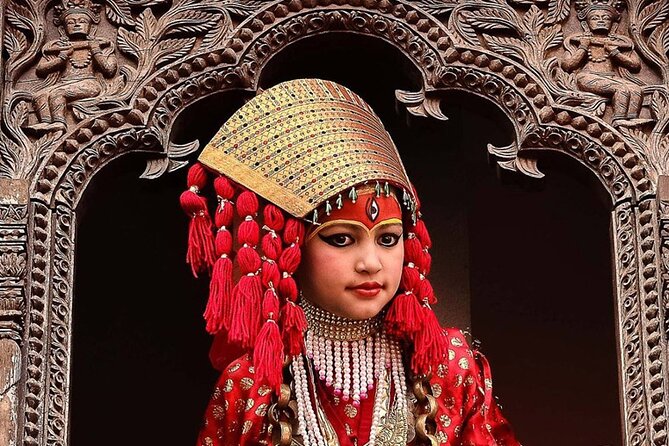
This is a private tour/activity, meaning your group stays together rather than blending into a rotating bus crowd. You’ll typically start at the meeting location at The Great Adventure Treks & Expedition Pvt. Ltd, Chhusya Galli, Kathmandu 44600, Nepal, and the day ends back at that meeting point.
What you get that matters in Kathmandu:
- Pick up and drop from your hotel by private vehicle
- Mobile ticket, so you’re not juggling printouts
- An air-conditioned car for the driving time between sites
- Bottled water included
One practical tip: because this is temple-heavy, wear shoes you can tolerate for a lot of stop-and-go movement. You’ll also want a small daypack for water and any things you pick up along the way.
Stop-by-stop: what you’ll see and what to watch for
1) Swaymbhunath (Monkey Temple) and the hilltop viewpoint
Swayambhunath is a Buddhist shrine perched on a hill overlooking the city. It’s one of the most iconic religious sites in Kathmandu, and it earns that reputation fast—mostly because the setting forces you to look out before you look in.
You’ll spend about 3 hours here. Admission is not included, so plan for fees at the gate. This is also a place where you can get disoriented if you don’t know what you’re looking for, which is exactly where the guide helps. With an explanation of the shrine’s symbolism and how people move through the space, the visit feels less like wandering and more like reading a living text.
What I like: the viewpoint aspect. Even if you’ve seen photos, seeing the Kathmandu Valley from this hilltop angle is a different experience. Your brain clicks into place: you’re not just in a city—you’re in a bowl of history.
Possible drawback: it’s a hilltop stop. Expect some climb and a crowd flow that can be slow at peak moments.

2) Pashupatinath Temple by the Bagmati River
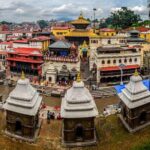
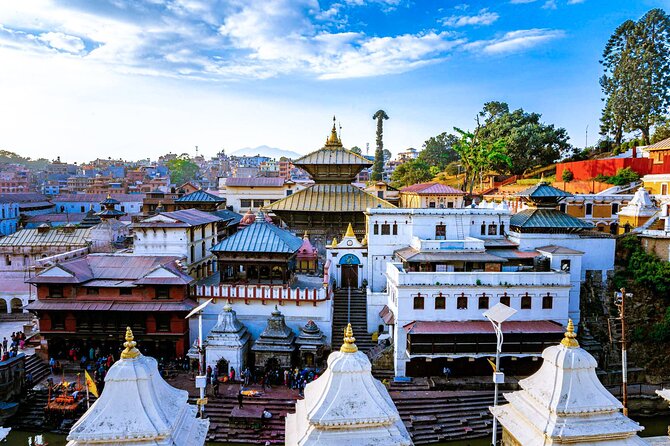
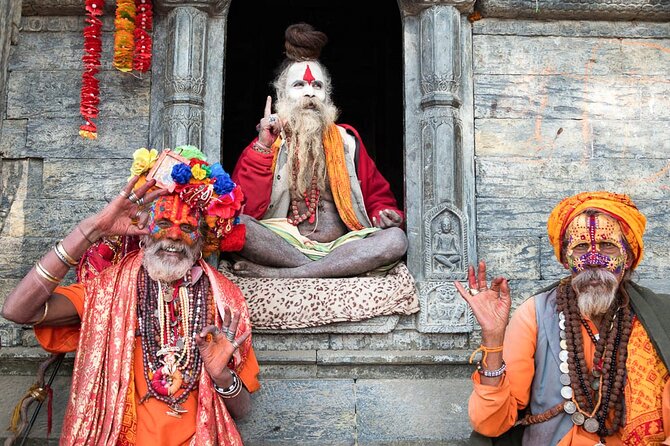
Next up is Pashupatinath Temple, one of the most sacred Hindu temples in the world, dedicated to Lord Shiva, located on the banks of the Bagmati River. You’ll spend around 2 hours.
Admission isn’t included, so you’ll likely pay on-site. Pashupatinath is different from the earlier stop because it’s not about a single monument you can “complete” in photos. It’s an active religious landscape—an area where the spiritual atmosphere is part of the experience, not a backdrop.
Here’s what helps most: having someone explain the layout and what people are doing, so you’re not just watching motion without context. A few guide names came up repeatedly in feedback for this kind of work, including Charn, who was described as a top guide with lots of understanding about culture and history, and Kapil, who was praised for helping guests choose the best sites efficiently.
I’d go in with a calmer mindset. You don’t have to stare at everything at once. Let the guide point out what to notice first, then take your time.
3) Boudhanath Stupa and the scale of devotion
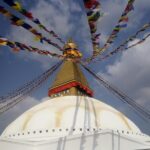
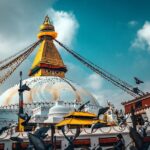
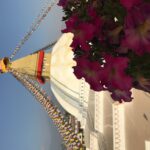
After the Hindu temple complex, you pivot to Buddhism at Boudhanath Stupa. This is described as one of the largest and most sacred Buddhist stupas in the world and is recognized as a UNESCO World Heritage site.
You’ll have about 2 hours here. Like the other major sites, admission fees are listed as not included.
Boudhanath is one of those places where size changes how you feel. The stupa isn’t just a landmark—it’s a center of movement. Even if you don’t know every ritual, you’ll see people circling and pausing, and you’ll start to understand why this design matters.
What I like most: it’s visually powerful without needing explanation. And with a guide, you learn what the stupa represents and why people organize their visits the way they do.
Practical note: this stop is in the heart of Kathmandu, so it’s also a good moment to absorb the local street life and the way religious life sits next to everyday life.
4) Patan Durbar Square: artisan city energy
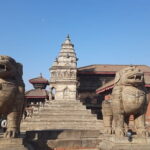
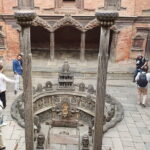
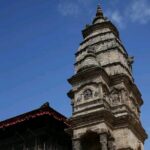
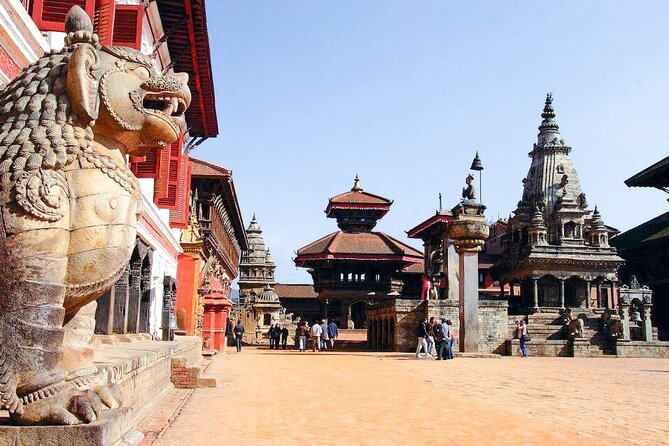
Then you head to Patan Durbar Square, a UNESCO World Heritage site near Kathmandu. Patan is often described as the city of artisans, and the square’s temples and courtyards reflect that craft-focused identity.
You’ll spend about 3 hours at this stop. Admission isn’t included.
Durbar Squares can be tricky for self-guided visitors because you’re surrounded by details—carvings, courtyards, and architecture that reward slow attention. A guide’s job here is to give you a starting map: where to look first, what the main structures represent, and how the space connects historically to the region.
A realistic expectation: you’ll be doing a lot of “reading with your eyes.” If you’re the type who likes architecture and wants the why behind the stonework, you’ll enjoy this part.
5) Kathmandu Durbar Square: the central stage of old Kathmandu
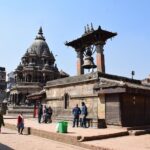
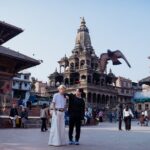
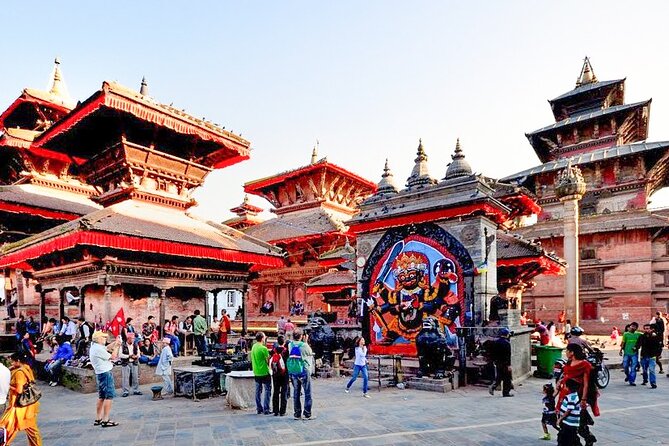
Finally, you return to Kathmandu Durbar Square, another UNESCO World Heritage site located in the heart of Kathmandu. Like Patan’s square, it’s full of historic temples, palaces, and courtyards.
This stop is around 2 hours. Admission fees are not included.
This is your big closing chapter: by now, you’ve already seen Buddhist and Hindu sacred sites plus Patan’s artisan square. Kathmandu Durbar Square ties it together with royal and civic architecture—again, the kind of place that’s easier when you know where to look.
My advice: don’t treat the squares like checklist items. Pick one courtyard or group of temples to focus on, and let the guide explain it. Then enjoy the rest with less urgency.
The service quality that keeps this from feeling rushed
The itinerary is ambitious: five major UNESCO stops. The reason it still works for many people is the service style—especially communication and punctuality.
In feedback I’ve seen from past guests, a guide named Mani stood out for being friendly and professional, plus for clear communication and prompt coordination. Another guest praised guide Lil along with driver Ramesh for helping plan the best way to see the sites in a day. Names like these matter because they point to a theme: the operator seems to staff the experience with people who understand first-time-visitor needs.
Also, the car matters. Kathmandu traffic can be unpredictable, and an air-conditioned private vehicle keeps you from losing momentum between stops.
Who this tour suits best (and who might want a different plan)
This fits you if:
- You’re short on time and want the big UNESCO hits in one day
- You like having a licensed guide explain what you’re seeing
- You value hotel pickup/drop and don’t want to piece together transport all day
- You’re traveling as a group that wants your own rhythm (since it’s private for your party)
You might want to consider a smaller or slower option if:
- You hate long days. This is about 10 to 15 hours
- You’re very sensitive to walking or stairs on hilltop sites (Swayambhunath sits above the city)
- You prefer to linger at fewer places instead of stacking five major ones
Handy tips to make your day smoother
- Bring cash for the monument fees and site admissions, since those aren’t included in the base price.
- Plan for meals. Lunch and dinner aren’t included, so decide where you’ll grab food during breaks.
- Bring a light layer. Temple areas can shift from sunny to shaded quickly.
- Keep your phone charged. A mobile ticket is convenient, but you’ll want it ready if staff need verification.
Should you book the Kathmandu World Heritage Tour?
I think you should book it if you want a straightforward, efficient way to see Kathmandu Valley’s UNESCO stars without spending days building logistics. The combination of a licensed guide, private A/C transport, and hotel pickup is what makes the schedule feel manageable instead of chaotic.
But book with your eyes open about cost and pace. The NRP 3600 monument fee and additional entry admissions can add a meaningful chunk to your final spend. And because the day is long, it rewards travelers who are comfortable with a full itinerary.
If you’re the kind of person who likes to learn as you go and you want the main highlights in one shot, this is a strong choice. If you’re seeking a relaxed day with fewer stops, you may feel rushed.
FAQ
What sites are included on the Kathmandu World Heritage Tour?
The tour includes five UNESCO-listed attractions in Kathmandu Valley: Swaymbhunath, Pashupatinath Temple, Boudhanath Stupa, Patan Durbar Square, and Kathmandu Durbar Square.
How long does the tour take?
The duration is listed as approximately 10 to 15 hours.
Is hotel pickup included?
Yes. Pick up and drop from your hotel are included by private vehicle, and transportation is provided in an air-conditioned car.
What’s the total cost and what is not included?
The tour price is $50 per person. Monument fees (NRP 3600, approx. $28 per person) and entry/admission fees for all sites are not included, and lunch/dinner, drinks, and gratuities are also not included.
Are tickets provided electronically?
Yes. The tour uses a mobile ticket.
Where does the tour start and end?
It starts at The Great Adventure Treks & Expedition Pvt. Ltd, Chhusya Galli, Kathmandu 44600, Nepal, and ends back at the meeting point.
Can I cancel and get a full refund?
Yes. Free cancellation is available if you cancel at least 24 hours in advance for a full refund. If you cancel within 24 hours, the amount paid is not refunded.