REVIEW · ROME
Colosseum Underground All Access Tour with Ancient Rome
Book on Viator →Operated by Colosseum Underground All-Access Tour with Roman Forum & Palatine Hill · Bookable on Viator
A hidden level changes everything. This all-access Colosseum tour takes you where most visitors never go—down into chambers, tunnels, and restricted spaces. You’ll then stitch that experience to the power centers of ancient Rome on Palatine Hill and the Roman Forum, with an expert guide shaping the stories as you walk.
I love the focus on the restricted Colosseum areas, including underground spaces and the arena floor. I also really like the small group size (up to 14), because it makes the pace feel human and the guide’s explanations easier to follow.
One thing to consider: the experience depends heavily on on-site operations. A few people have reported last-minute changes to what was included in the underground portion, plus occasional audio or meeting-point hiccups—so it’s smart to confirm details before you go.
In This Review
- Key things to know before you go
- Why the Colosseum Underground access matters
- Arena floor and the upper levels: where the views click
- Palatine Hill right after: the Rome power switch
- Roman Forum finale on the Via Sacra
- Group size, pace, and the walking you should plan for
- Meeting point timing and audio reality check
- Is it worth about $216.86 per person?
- Should you book this Colosseum all-access tour?
- FAQ
- How long is the Colosseum Underground All Access Tour?
- What are the main stops on this tour?
- Is admission included in the price?
- How big is the group?
- What language is the tour offered in?
- Is the tour suitable for people who struggle with long walking?
- What is the cancellation window for a full refund?
Key things to know before you go
- Underground access you can’t DIY: tunnels, chambers, and dungeons-style spaces tied to gladiators and animals.
- Arena floor time: you stand where battles happened, then look back up from a totally different angle.
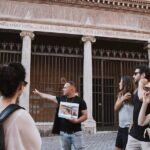
- Small group, guided meaning: up to 14 people, with historians and archaeologists leading the walk.
- Built-in big-picture day: Colosseum first, then Palatine Hill, then the Via Sacra on the Roman Forum.
- Expect stairs and walking: moderate fitness is required, and you shouldn’t plan this if you can’t handle long stretches on foot.
- Audio can vary: microphone issues show up in some experiences, so don’t rely on hearing every word from far away.
Why the Colosseum Underground access matters
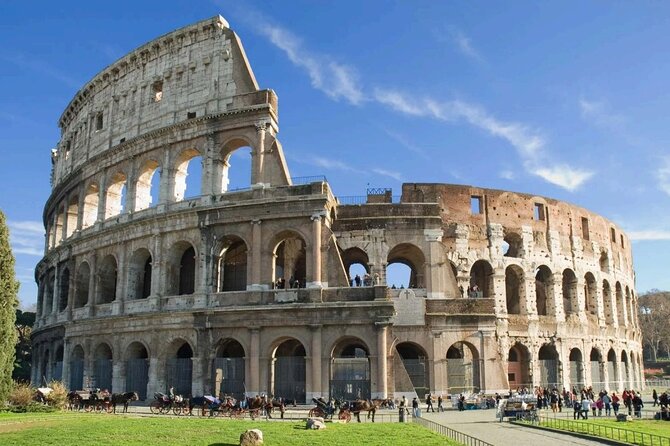
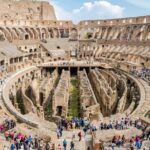
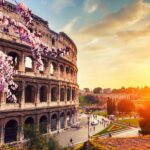
The headline here is simple: you get into the Colosseum Underground. Instead of just seeing the seats and outer structure, you also see the spaces that helped run the spectacle—areas where animals waited and where gladiators and performers moved through the machinery of the event.
That shift is huge for your understanding. The Colosseum stops being a photo backdrop and starts feeling like a functioning system: entrances, staging areas, and movement paths. Even if you know the usual Colosseum story, the underground adds a different layer of Roman engineering and planning.
One practical plus: going underground can also break up the heat and crowd pressure. When you’re aboveground, you’re fighting long lines and bright sun; underground gives your brain and your body a chance to reset while still feeling connected to the main showpiece.
You can also read our reviews of more tours and experiences in Rome.
Arena floor and the upper levels: where the views click
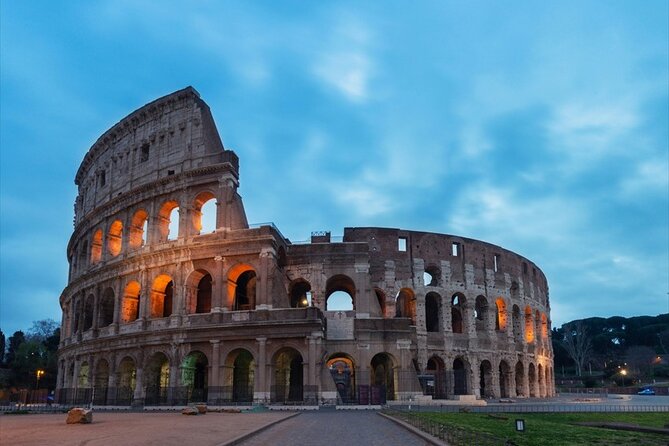
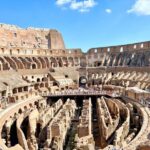
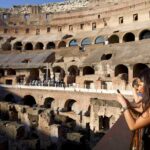
After the underground segment, you’ll step onto the arena floor. This is the moment that makes the Colosseum feel real: you’re standing on the same kind of space where combat and performance were staged, with the amphitheater rising around you.
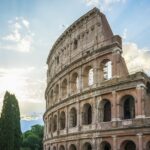
Then you continue up to the 1st and 2nd levels. This is where the tour earns its “no better views” reputation. From the upper tiers, you can better read the shape of the arena, understand how spectators would have seen the action, and appreciate scale in a way you just don’t get from street level.
One more reason the pacing works: the guide isn’t only pointing at features. The underground + arena floor pairing helps you connect what you saw below with what you see above. You’ll come away with a clearer mental map than if you only tour the standard routes.
Palatine Hill right after: the Rome power switch
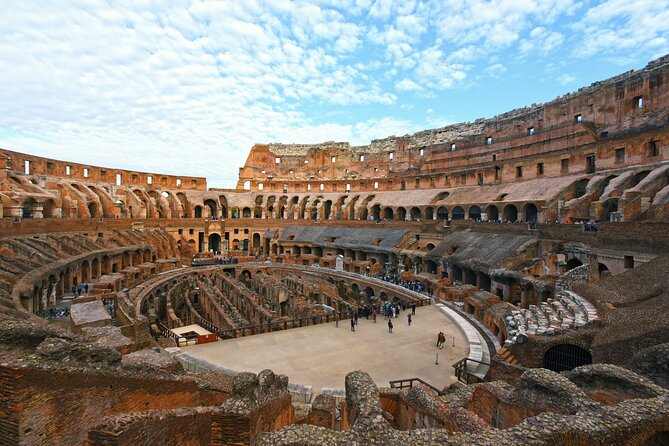
Moving next to Palatine Hill makes your day click into place. Palatine is where you go to understand how Rome’s elite lived—emperors and aristocrats with palace residences overlooking the centers of government and public life.
This stop also delivers strong “standing view” payoff. You’ll look out over the Roman Forum and Circus Maximus, which turns the ruins into a setting instead of isolated stones. It’s much easier to picture how people moved through the city when you see the layout from a high vantage point.
You’ll also hear the myth side, including the story of Romulus and Remus. Even if you treat myths as legend, they still matter here—they explain why Romans built and named the place they did, and why Palatine became the emotional center of Roman prestige.
Roman Forum finale on the Via Sacra
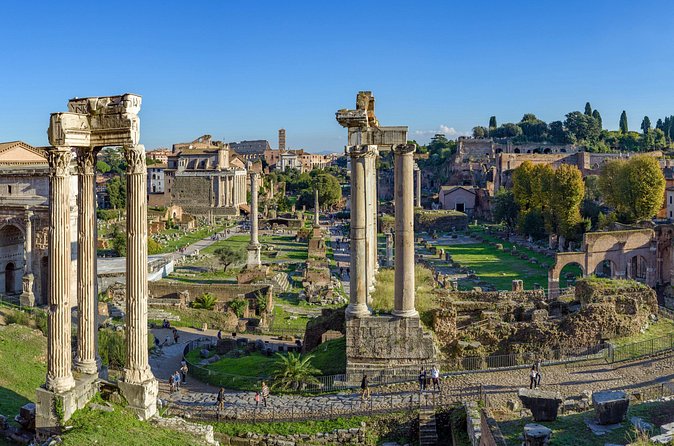
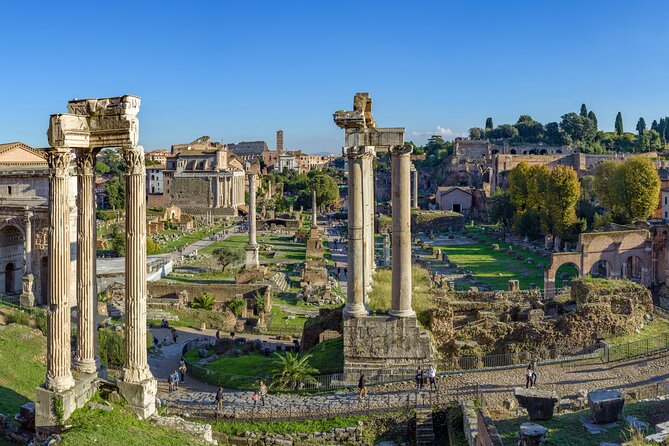
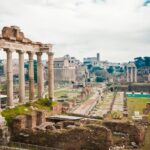
The Roman Forum is where the day becomes political and social. Instead of arena spectacle, you’re in the middle of ancient Rome’s power: temples, basilicas, and government buildings tied to everyday public life and big decisions.
Your route includes walking the Via Sacra, the famed street connected to triumphs. That matters because it gives the Forum a direction. You’re not just walking through a museum of ruins—you’re following a path that’s historically tied to parades, announcements, and the kinds of moments Romans would have remembered.
Along the way, you’ll encounter major landmarks such as the Temple of Saturn, the Arch of Titus, and the Curia (Senate House). The guide’s job is to connect each landmark to what Rome was doing here—politics, religion, and civic life—so the Forum stops feeling like a list and starts feeling like a living hub.
Group size, pace, and the walking you should plan for
This is not a sit-and-savor tour. You’re looking at about 3 hours total, split roughly into 1.5 hours at the Colosseum, then 45 minutes each for Palatine Hill and the Roman Forum.
Even with that structure, the real story is the movement: uneven ground, stairs, and ramps. Several experiences mention a lot of steps and a brisk pace at times, especially when schedules get tight or audio tech needs adjustments. You should come prepared for a workout.
The tour is best for people with moderate physical fitness. It’s also explicitly not recommended if you can’t walk for more than two hours. I’d treat that as a serious guideline, not a casual note—this day stacks multiple walking zones in different terrains.
My practical advice: wear shoes you trust on stone and steps, and pack a hat and water. The Colosseum area can be harsh in the sun, and even when the underground helps, you’ll still spend plenty of time aboveground.

Meeting point timing and audio reality check
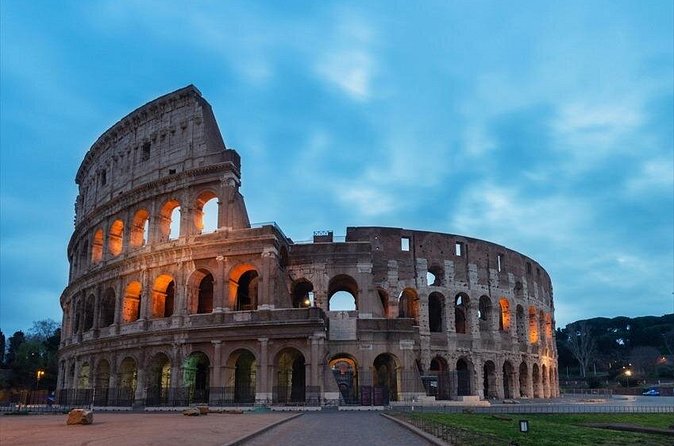
The meeting start is Largo Gaetana Agnesi. The end is at the Roman Forum area, so you’re finishing where Rome’s ruins begin to sprawl instead of back at the Colosseum.
Here’s where you can protect your day. Some experiences report confusion because multiple tours gather in the same general vicinity around the same time. If you want to avoid stress, show up a few extra minutes early and look for your specific guide on-site rather than assuming you’ll instantly recognize the group.
Audio is another real-world factor. The Colosseum can create microphone interference and occasional distortions. One reason this matters: if you’re far from the guide, it can get hard to catch key details. A few experiences also mention listening devices, which helps—but even then, sound can vary.
Finally, double-check your ticket details if you specifically paid for underground access. There have been reports of last-minute changes to what was included in the underground portion. That doesn’t mean it always happens, but it does mean you should confirm the underground option clearly matches your booking before you commit to the plan.
Is it worth about $216.86 per person?
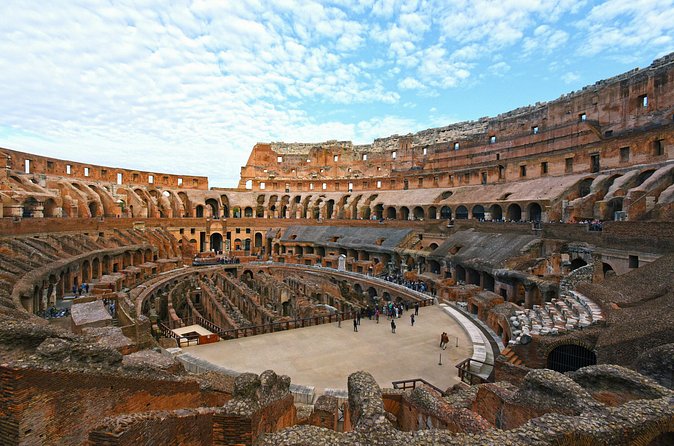
At $216.86 per person, you’re paying a premium for access and interpretation. The value isn’t just that you see the Colosseum—it’s that you get parts of it most people never see, like the underground spaces and restricted tunnels, plus structured time on the arena floor and upper levels.
You’re also bundling three major sites into one guided sequence. The day connects the Colosseum’s operation (how the show worked) to Rome’s elite life (Palatine) and Rome’s public machinery (the Forum). That “connection value” is hard to replicate on your own without careful ticketing and planning.
So the decision comes down to your priorities:
- If you care about engineering, behind-the-scenes staging, and full context, this pricing starts to make sense fast.
- If you mostly want iconic photos and don’t need layered explanations, you might feel the cost more than the experience delivers.
For history lovers, it tends to feel like money well spent because the guide’s storytelling turns architecture into a narrative you can follow.
Should you book this Colosseum all-access tour?
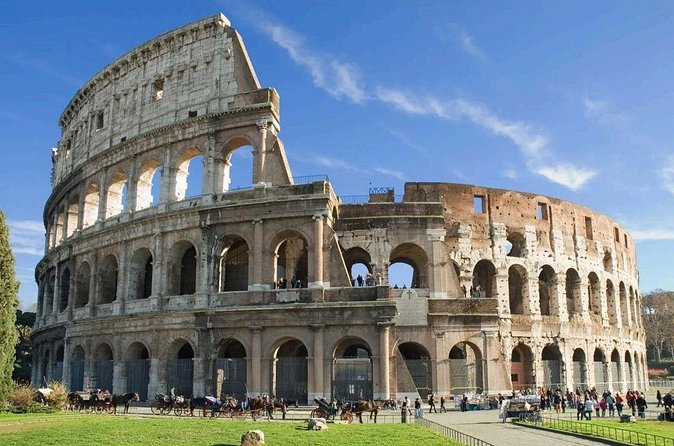
If you want the Colosseum as more than a viewpoint, I’d lean yes. Underground access plus arena floor time plus Palatine and the Forum is a strong combination, especially in a group capped at 14 people. You’re getting a guided path through Rome’s big themes: spectacle, power, and politics.
But book with eyes open. Choose this if your knees and energy budget can handle stairs and walking. Also, take a few minutes before you start to verify your underground access is clearly part of your ticket, and don’t assume the day will run exactly like you planned if operations shift.
If you’re flexible, ready for movement, and excited by the idea of seeing the Colosseum from both below and above, this tour is a smart way to spend a concentrated chunk of time in Rome—and you’ll likely leave with a Colosseum that feels like a system, not just a monument.
FAQ
How long is the Colosseum Underground All Access Tour?
The tour runs for about 3 hours.
What are the main stops on this tour?
You visit the Colosseum, then Palatine Hill, and finish with the Roman Forum.
Is admission included in the price?
Yes. Admission tickets are included for the Colosseum, Palatine Hill, and the Roman Forum segments.
How big is the group?
The group is capped at a maximum of 14 travelers.
What language is the tour offered in?
The tour is offered in English.
Is the tour suitable for people who struggle with long walking?
The tour is intended for travelers with moderate physical fitness and is not recommended if you can’t walk for more than 2 hours.
What is the cancellation window for a full refund?
You can cancel up to 10 days in advance for a full refund.