REVIEW · SURABAYA
Majapahit Heritage Archaelogy tour via surabaya
Book on Viator →Operated by Javatouristmap · Bookable on Viator
Majapahit temples, red bricks, and museum time. This Surabaya heritage tour strings together ancient gateway candis, the Trowulan archaeological museum, and several Hindu-Buddhist relic sites you can actually walk around.
I love two things most: the entrance tickets are included at every stop, and the explanations from the guide—often mentioned as Pak Barli—make the shapes, symbols, and ruins easier to see.
One consideration: the Trowulan museum experience can feel light for English readers, so you’ll get more out of it if you lean on the guide’s talk and your own questions.
In This Review
- Key highlights
- Why Majapahit relics matter in East Java
- Your day on the ground: timing, pickup, and pacing
- Candi Wringinlawang: a gateway stop that sets the tone
- Trowulan archaeological site: museum time and Majapahit-era objects
- Candi Bajangratu: compact, distinctive, and very “photoable”
- Tikus Temple: a box-shaped shrine and the idea of a holy bath
- Candi Brahu dan Gentong: red-brick Buddhism and a tolerance theme
- Lunch and snacks: the simple value add that keeps the day smooth
- Photography, heat, and the “where should I stand?” problem
- Price and value: is $80 a fair deal from Surabaya?
- Who this tour suits best
- A few smart booking checks before you go
- Should you book this Majapahit heritage tour?
- FAQ
- How long is the Majapahit Heritage Archaeology tour via Surabaya?
- Where does the tour start and end?
- Is pickup included?
- Are admission tickets included?
- Is lunch included?
- What if I need vegetarian food?
- Is the tour private?
- Do I need to bring my passport?
- What isn’t included in the price?
- Can I cancel for a full refund?
Key highlights
- Candi Wringinlawang: an early photo-friendly gateway with tower views that help you orient fast
- Trowulan archaeological museum: lots of saved relics tied to Majapahit-era daily life
- Candi Bajangratu: distinctive red-brick Hindu temple with an elegant, compact look
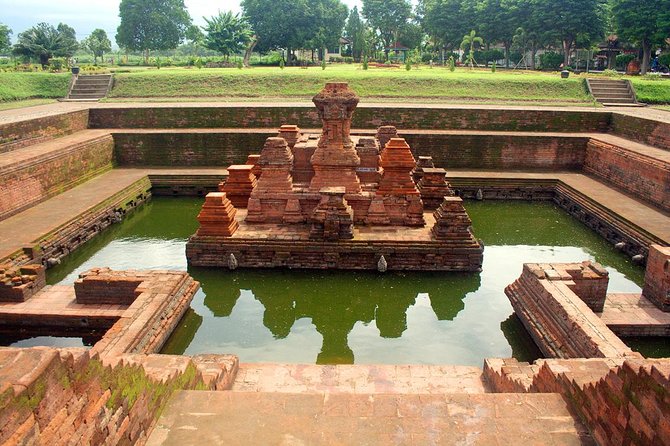
- Tikus Temple: a box-shaped worship site with a pool in the middle, linked to holy bathing
- Candi Brahu dan Gentong: red-brick Buddhist temple symbolism about Hindu-Buddhist tolerance
- Lunch + snacks included: a practical way to keep energy up during a full 6–10 hour circuit
Why Majapahit relics matter in East Java
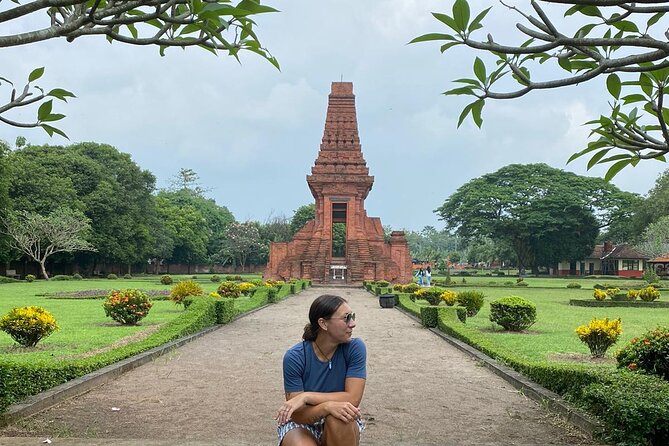
Majapahit was a major Hindu kingdom centered in East Java, and this tour focuses on the kinds of remains that help you picture how people lived and believed. You’re not just looking at one famous monument. You’re moving through multiple candi (temple) sites and a museum that holds saved objects from the Majapahit period.
What makes the day feel worthwhile is the mix of “big structure” and “small details.” The candis show brick architecture and sacred layout, while the Trowulan stop includes a museum component where you can connect ruins to everyday items and historical artifacts. It’s a good format if you like history you can see, not just read about.
Also, the route is designed for real viewing time. Each temple stop is long enough to get photos and to let the guide explain what you’re looking at. And several locations are known for great visual angles—useful if you’re trying to capture East Javanese temple styles without rushing.
You can also read our reviews of more tours and experiences in Surabaya.
Your day on the ground: timing, pickup, and pacing
This is a private tour with transport by private vehicle, and it starts and ends in Surabaya. The total duration is listed as about 6 to 10 hours, which is a wide window. In practice, that range usually depends on pacing, traffic, and how much time you spend at each stop (especially at the museum).
Pickup is offered, and the experience uses a mobile ticket. If your schedule is tight—like you’re pairing this with another activity in Surabaya—I strongly recommend you confirm the pickup time clearly before the day. One unhappy scenario mentioned a start-time confusion tied to emails, so don’t assume the first message you see is the final word. A quick check to align on the actual pickup can save stress.
The best part of a private format is that you can set a comfortable pace. If you’re more photo-focused, you can linger a bit. If you prefer straight-through history, you can keep moving and let the guide hit the key points quickly. Either way, you’ll stay on a structured route rather than trying to piece together transport between scattered temple sites.
Candi Wringinlawang: a gateway stop that sets the tone
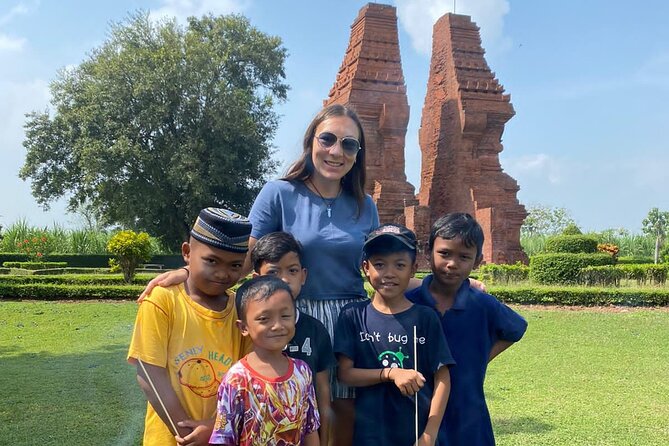
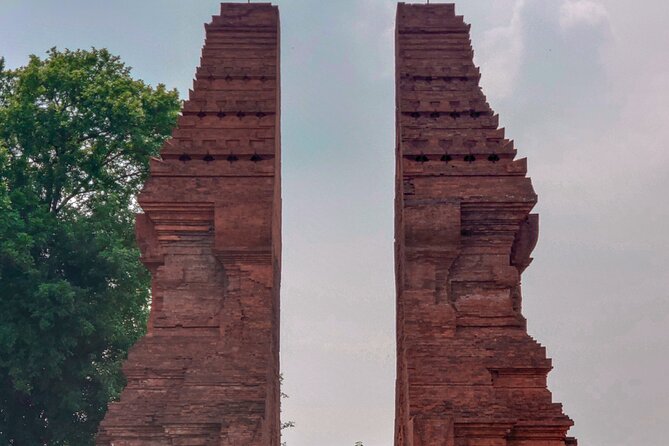
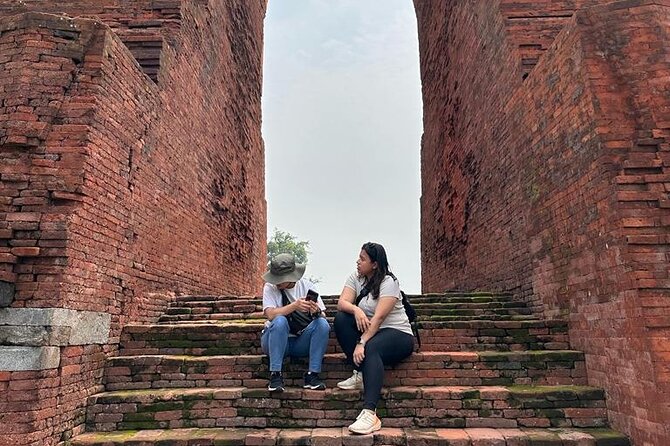
You begin at Candi Wringinlawang, a gateway temple that’s described as tall and ideal for photography. In ruins and reconstruction, gateways act like your “orientation markers.” They help your brain understand the layout: where processions might have entered, where someone would have stood to look deeper into a larger sacred area, and why the architecture feels purposeful even when only parts remain.
You’ll have about one hour here, which is enough time to walk around, get a few solid angles, and let the guide explain the symbolism behind what you’re seeing. It’s also a smart first stop because you’re fresh. After a few hours, heat and fatigue can make brickwork details harder to appreciate.
Practical tip: treat this as your warm-up. Once you’ve seen Wringinlawang, the next red-brick temples make more sense visually. The style and proportions won’t feel totally new anymore.
Trowulan archaeological site: museum time and Majapahit-era objects
The biggest time block on the tour is Trowulan archaeological site, with about three hours. This stop centers on a museum that stores relics related to Majapahit, including historical objects that reflect life at the time.
This is where the day shifts from “walking through temples” to “seeing the material record.” You’ll likely spend time connecting what you saw in temple form to what you’re seeing as objects—items that help you picture daily routines, beliefs, and the kinds of culture that surrounded the kingdom.
Now, the key consideration: the museum experience may not feel satisfying for English readers if the explanations are limited. That doesn’t mean it’s useless—it just means you should come ready to use the guide as your translation layer. Ask questions like what the objects relate to, how they connect to worship, and why certain items were preserved. When you do that, the museum becomes less about reading every label and more about building a mental picture.
Candi Bajangratu: compact, distinctive, and very “photoable”
Next up is Candi Bajangratu, a smaller temple described as unique and beautiful, built with red bricks and recognizable as a Hindu temple. With about one hour at this stop, you’re not stuck staring at one angle. You can walk around, look at proportions, and focus on the brickwork character that makes these sites feel specific to East Java.
I like this stop because it’s not trying to be enormous to impress you. It’s compact, and that forces you to look closer. Even without technical knowledge, you can often see what makes a temple feel elegant: how the structure rises, how lines create balance, and how the style differs from other nearby candis.
If you’re into photography, this is the kind of temple where small perspective changes matter. Move a few steps, change your height, and try different corners. The guide can point out which angles best match the original design intent.
Tikus Temple: a box-shaped shrine and the idea of a holy bath
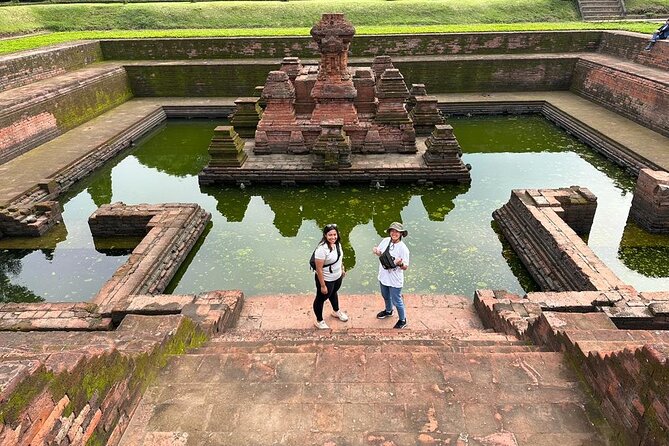
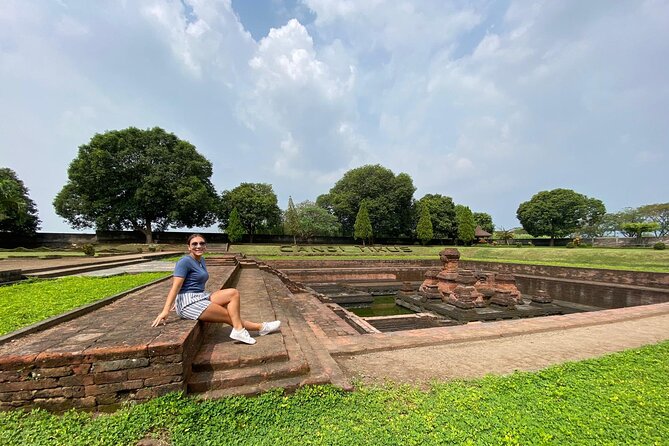
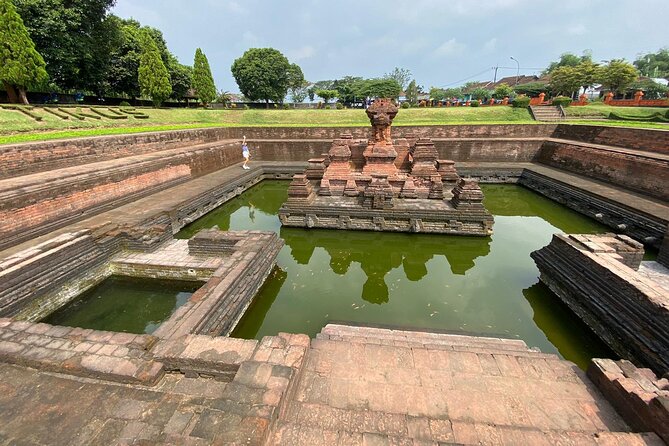
At Tikus Temple, the description gets more distinctive. It’s a place of worship shaped like a box, and there’s a pool of water in the middle. It’s believed to be a holy Hindu bath for worship.
You’ll get about one hour here, which works well because this kind of site rewards a slower look. With a pool involved, you tend to think about ritual use rather than just architecture. The guide’s explanation can connect how the space would have functioned for worship.
One thing to note: because it’s tied to a specific ritual idea (a holy bathing concept), it can be helpful to ask the guide what makes them believe this interpretation. Even if you don’t confirm every detail, asking better questions helps you understand what the site represents in the broader Majapahit story.
Candi Brahu dan Gentong: red-brick Buddhism and a tolerance theme
You finish with Candi Brahu dan Gentong, described as a Buddhist temple. It’s round and towers upward, and it’s also made of red bricks, which keeps the aesthetic thread consistent across the day.
The symbolism here is spelled out: the site symbolizes tolerance between Hindus and Buddhists in the past. That theme matters because it gives you a lens for interpreting the broader Majapahit-era religious environment. Instead of treating temples as isolated “one religion only” structures, this stop highlights coexistence and shared cultural space.
You’ll have about one hour here. Use that time to look at the round form, how it creates a vertical presence, and what it means when the same red-brick style shows up across religious architecture. It’s a strong closing note for the tour because it ties the story together.
Lunch and snacks: the simple value add that keeps the day smooth
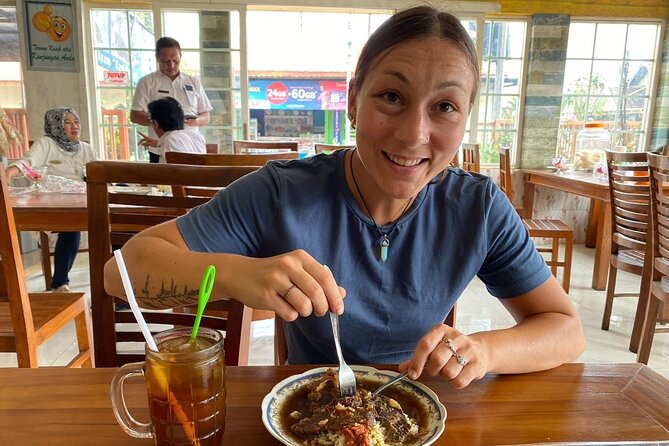
Food can be the difference between a fun heritage day and a long, cranky one. Here, lunch and snacks are included, and the lunch is described as traditional cuisine. That’s a real benefit on a 6–10 hour route, especially when you’re moving between temple sites and museum time.
What’s not included is food and drinks beyond what’s specified. So if you like having bottled water or extra drinks, plan to buy them separately. If you have dietary needs, you can request a vegetarian option when booking—just flag it in advance.
Also, because the tour includes lunch, you don’t need to hunt for food between stops. You can stay focused on the history instead of juggling meal logistics.
Photography, heat, and the “where should I stand?” problem
This route has several built-in photo moments, starting with the tall gateway at Candi Wringinlawang and continuing through red-brick temples. The guide can help with positioning, especially if you’re trying to capture temple shapes without weird angles or distracting backgrounds.
Practical advice for a smoother photo experience:
- Wear comfortable shoes. Temple areas can be uneven or dusty.
- Bring sun protection. You’ll be outside for long stretches.
- Take a minute before each stop to plan one “must-have” shot and one “small detail” shot (brick patterns, shapes, doorway angles).
The result: you’ll go home with more than generic temple selfies. You’ll have structure shots and texture shots that match the Majapahit theme.
Price and value: is $80 a fair deal from Surabaya?
At $80 per person, the value mostly comes from two things: admission tickets are included and transport is handled by a private vehicle. When you compare it to the cost of tickets plus the hassle of coordinating rides between sites, this can work out well for a day tour.
It also helps that lunch and snacks are included. Food is usually one of the hidden costs during temple hopping, and here you get fed as part of the plan.
One more value factor: you’re booking a private tour. That means you’re not fighting for attention in a crowded group, and you can keep a pacing style that matches your interests. For someone who wants a guided history day without the stress of driving and routing, this is a practical setup.
If you’re splitting costs with friends, group discounts are listed as a feature. If you’re traveling solo, it may still be a solid option because you’re paying for a guide and car rather than waiting in a large group.
Who this tour suits best
This experience is a good fit if you want:
- A single, organized day focused on Majapahit relics in East Java
- A guide who explains temple features and historical meaning clearly
- Included entry tickets, plus lunch and snacks, so you don’t burn time on logistics
It may be less ideal if you expect the museum to carry the whole experience through English signage. If that’s a deal-breaker for you, lean harder on a guided explanation and come ready to ask questions.
Also, if you’re traveling with children, note that children must be accompanied by an adult. The tour is designed for most people to participate, but it’s still a full day outdoors.
A few smart booking checks before you go
Before you book, I’d do a quick sanity check on these points:
- Confirm pickup time in writing so the start matches what you expect
- If you want vegetarian food, request it at booking
- Plan around passport requirements. A current valid passport is required on the day of travel, and passport details are requested at booking
And if you see the package mention accommodation: ask what’s actually included for your specific dates, since this experience is listed as a day-length tour.
Should you book this Majapahit heritage tour?
If you want a guided, no-stress day plan that hits multiple candi sites and includes entry tickets, lunch, and transport, I think this is an easy yes. The strongest payoff is the guide-led understanding of the relics—especially the way Pak Barli-style explanations help you see more than just brick shapes.
Only pause if you know you rely heavily on museum text in English. In that case, you’ll still be able to enjoy the temples, but the museum might not scratch the itch the way you hoped.
FAQ
How long is the Majapahit Heritage Archaeology tour via Surabaya?
The duration is listed as approximately 6 to 10 hours.
Where does the tour start and end?
It starts in Surabaya, East Java, Indonesia, and ends back in Surabaya.
Is pickup included?
Pickup is offered.
Are admission tickets included?
Yes. Admission tickets are included for the listed stops.
Is lunch included?
Yes. Lunch is included, along with snacks.
What if I need vegetarian food?
A vegetarian option is available. You need to advise the provider at the time of booking.
Is the tour private?
Yes. It’s a private tour/activity, and only your group will participate.
Do I need to bring my passport?
Yes. A current valid passport is required on the day of travel, and passport details are required at booking.
What isn’t included in the price?
Food and drinks are not included unless specified, and souvenir photos are available for purchase. Personal expenses are also not included.
Can I cancel for a full refund?
Yes. Free cancellation is offered up to 24 hours in advance for a full refund.