REVIEW · KATHMANDU
Kathmandu Private Tour of UNESCO World Heritage Sites
Book on Viator →Operated by Amazing Kathmandu Tours · Bookable on Viator
Kathmandu can feel like a maze. This private day tour strings together 7 UNESCO sites so you can see more without wrestling transport and schedules. I love how the pace stays flexible with a private setup, and I also love getting expert context from a professional English-speaking guide. The one thing to keep in mind is the day runs long and entrance fees can add up if you step into all 7 sites.
You’ll start in a quieter, older part of the valley, then move through major durbar squares, two of the biggest stupa and temple landmarks, and finish with the viewpoints from Swayambhunath. My main concern for some people: with 9 hours on the clock, you’ll want to wear comfortable shoes and be ready for a lot of stair-and-walk time between stops.
If you want a full UNESCO hit in one day—and you like understanding what you’re seeing while your driver handles the roads—this style of tour can be a strong fit. Just plan for a basic midday break that doesn’t include lunch.
In This Review
- Key highlights you’ll feel in the day
- Nine hours, seven UNESCO sites, and no crowd-rushing
- The UNESCO sequence: what each stop gives you (and what to watch for)
- 1) Changu Narayan Temple: an ancient start in a quieter setting
- 2) Bhaktapur Durbar Square: four mini-squares and serious craftsmanship
- 3) Boudhanath Stupa: a massive dome, prayer flags, and ritual energy
- 4) Pashupatinath Temple: Shiva, the Bagmati River, and ritual viewing
- 5) Patan Durbar Square: artistry you can spot quickly
- 6) Kathmandu Durbar Square: Basantapur Durbar and Hanuman Dhoka
- 7) Swayambhunath (Monkey Temple): the best view finish
- Price and value: why $47.50 can still feel worth it
- Getting the most out of a private UNESCO day
- Practical logistics that matter on this route
- Who this tour suits best
- Should you book this Kathmandu UNESCO private tour?
- FAQ
- FAQ
- What time does the tour start?
- How long is the Kathmandu UNESCO private tour?
- Is lunch included?
- Are entrance fees included?
- What’s included in the tour price?
- Is this a private tour?
Key highlights you’ll feel in the day
- Seven UNESCO World Heritage stops in one organized route, without group-style pressure
- Air-conditioned vehicle + private transport, which matters when Kathmandu traffic and heat change your mood
- A real English-speaking guide who can explain what you’re looking at at each site
- Swayambhunath is free, so you’re not paying there even if you do everything else
- Entrance fees total $48 cash if you visit all 7 sites, on top of the tour price
- Guide team name you might get: Pranav with driver Bijaya (not guaranteed, but it shows the level of care)
Nine hours, seven UNESCO sites, and no crowd-rushing
This is a private tour, so you’re not stuck pacing with strangers. That sounds simple, but it changes the whole experience: you can pause when a doorway, carving, or view catches your eye, and you can spend more time where you care—temples, courtyards, or stupa details.
You also get pickup and use an air-conditioned vehicle, which is a quality-of-life upgrade in a city that can feel busy fast. The tour runs about 9 hours starting at 9:00 am, so you’re getting a full day’s work done without needing to plan separate tickets, guides, or rides between far-flung sites.
One practical note: lunch isn’t included. If you skip food entirely, you’ll feel it by the middle of the day. If you plan a simple lunch break on your own, you’ll stay happier for the afternoon temples and viewpoint time.
You can also read our reviews of more tours and experiences in Kathmandu.
The UNESCO sequence: what each stop gives you (and what to watch for)
1) Changu Narayan Temple: an ancient start in a quieter setting
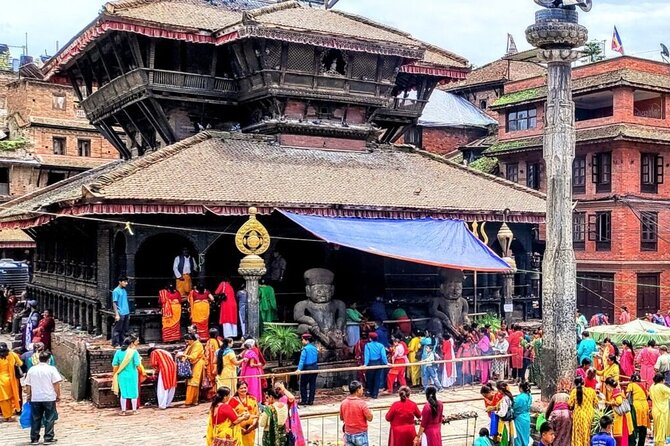
You begin at Changu Narayan Temple, which is known as the oldest temple in Kathmandu Valley. It sits in a calmer, forested area, so instead of starting in busy city streets, you get a softer landing into the old world.
This temple’s roots go back to the Licchavi period (around 450–750 AD), and the structure is a two-tiered pagoda-style form. That matters because it gives you a sense of continuity: you’re not just looking at pretty stonework—you’re seeing a tradition that has survived centuries.
The possible downside is simple: it’s an early site and admission isn’t included here. So if you’re trying to budget tightly, plan for paid entry at some stops.
2) Bhaktapur Durbar Square: four mini-squares and serious craftsmanship
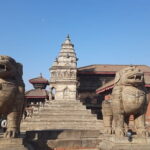
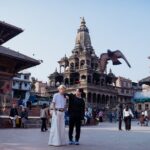
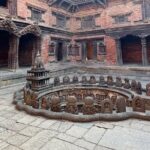
Next is Bhaktapur Durbar Square, where the layout is more complex than it looks from a distance. The area includes four distinct squares—Pottery Square, Dattatreya Square, and Taumadhi Square (plus the wider durbar-square complex). That means you can wander and still feel like you’re moving through different “rooms” of the city.
What I like about this stop is the feel of a working cultural center. The carvings and architecture make more sense when you treat it like a living place rather than just a photo stop. And because you’re there with a guide, you can connect symbols and forms to what they represent.
Admission fees aren’t included, and the stop is only about an hour. If you’re the type who likes to read every detail, you might want to ask your guide for the most meaningful parts first, then do a slower lap afterward.
3) Boudhanath Stupa: a massive dome, prayer flags, and ritual energy
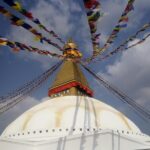
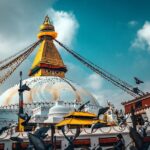
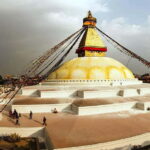
Then you move to Boudhanath Stupa, which is Nepal’s most iconic Buddhist site. The standout detail is scale: the stupa’s dome is about 36 meters (118 ft), with a white exterior and layers of artwork, plus prayer flags.
This is one of those places where the architecture does half the explaining. The other half comes from understanding Buddhist practice around the stupa—how people move, pause, and focus their attention. With a guide, you’re less likely to treat it as only a “big landmark” and more likely to understand why people come back again and again.
One thing to consider: the stop listed for Boudhanath is very short in the schedule. That doesn’t mean you’ll see everything, but it does mean you should use that window intentionally. If you want more time here, it’s the kind of stop where a good guide can help you pick a route that still feels complete.

4) Pashupatinath Temple: Shiva, the Bagmati River, and ritual viewing
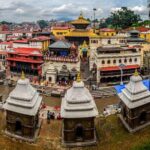
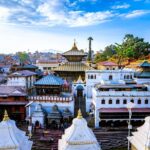
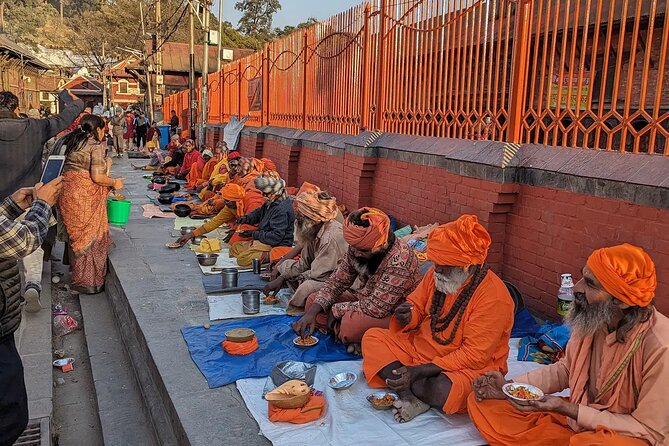
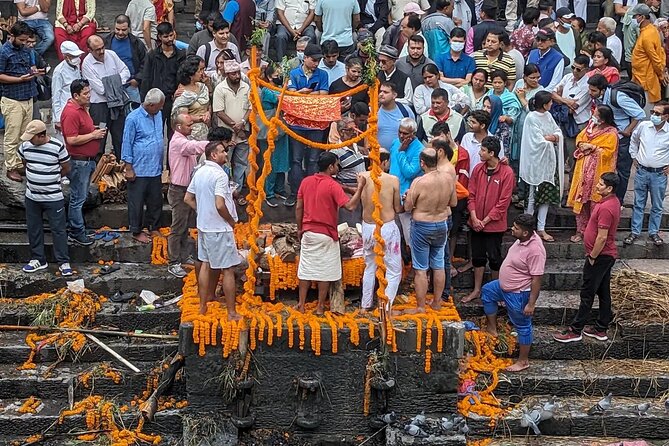
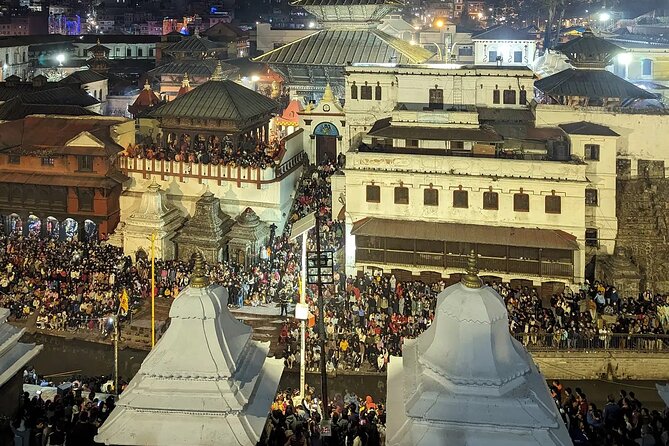
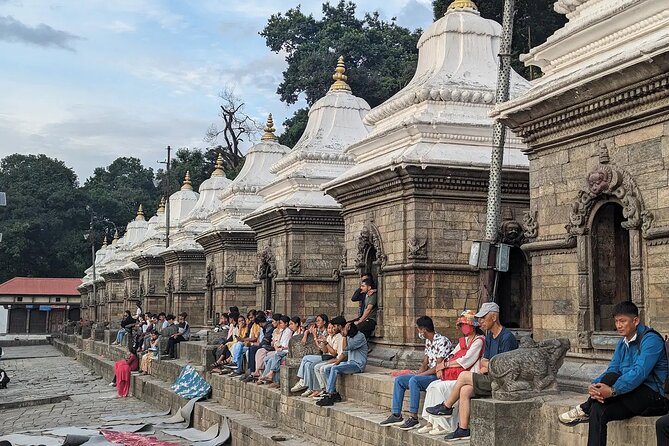
At Pashupatinath Temple, you’re at Kathmandu’s holiest Hindu shrine, dedicated to Lord Shiva. It’s on the Bagmati River, and the riverside rituals create a strong sense of place. Architecturally, the temple is pagoda-style, and visually it’s dramatic even before you understand the significance.
This stop is often intense. Not because it’s chaotic, but because it’s active. If you like sacred spaces and you’re comfortable observing religious life, this can be the emotional centerpiece of the day.
Admission fees aren’t included here either, and the stop is about 1 hour. If you want more time, set that expectation early with your guide so the day doesn’t sprint past the most meaningful part.
5) Patan Durbar Square: artistry you can spot quickly
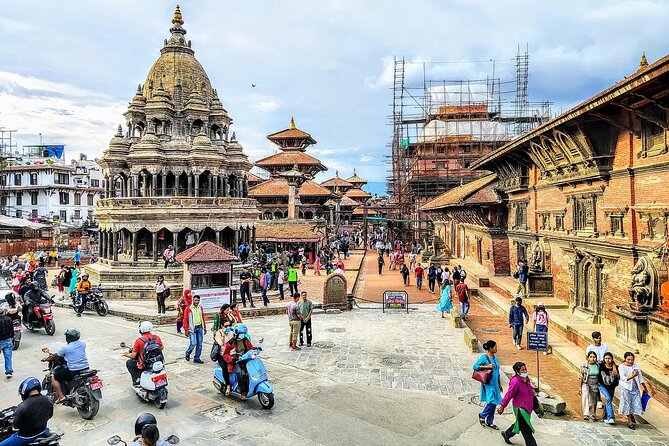
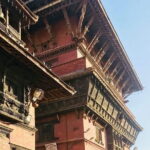
Next is Patan Durbar Square in the Lalitpur District. The big idea here is architecture and artistry. You’ll notice the style right away once you’re in the square—these durbar spaces often act like open-air galleries of craft.
What makes Patan work well in a single-day UNESCO tour is contrast. You’ve just been at major religious sites and now you’re back in an urban-historic civic space. It helps your brain understand the region as a whole: spiritual life, royal/civic life, and the art that supports both.
Admission fees aren’t included, and the stop is about an hour. In practice, you’ll get the highlights—then you’ll wish you had time for one more slow walk. That’s not a flaw; it’s just the reality of trying to cover 7 sites in 9 hours.
6) Kathmandu Durbar Square: Basantapur Durbar and Hanuman Dhoka
Then you hit Kathmandu Durbar Square, also known as Basantapur Durbar and Hanuman Dhoka. This is another key durbar area in Kathmandu Valley and a natural next step after Patan’s civic-historic feel.
Durbar squares can be confusing if you don’t know what you’re looking for. The guide role here is important: they can help you focus on what to notice so the details don’t blur together. With the right context, you’ll understand why certain features matter, not just what they look like.
The listed stop time is short. That means you may not get a deep, slow museum-style visit—but you should walk away with a solid sense of the square’s identity and role.
7) Swayambhunath (Monkey Temple): the best view finish
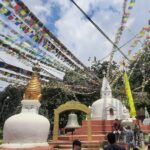
You end at Swayambhunath, also called the Monkey Temple. This hilltop stupa is famous for views over Kathmandu Valley, and the iconic white dome has Buddha’s all-seeing eyes. It’s a great capstone because after temples, courtyards, and ritual areas, you’re finally rewarded with an overview.
The scheduling here works too: it’s about 1 hour, and it’s marked as free admission. That’s a real value perk on a tour where other sites may require additional entry payment.
The only consideration is comfort and footing. Hilltop areas tend to involve walking and uneven steps, so bring shoes that won’t complain by late afternoon.
Price and value: why $47.50 can still feel worth it
At $47.50 per person, this is priced like a budget-friendly way to pack serious sightseeing into one day. The value comes from what’s bundled: professional English-speaking guide, air-conditioned vehicle, and pickup.
Here’s the key math you should do in your head: entrance fees are not included. If you visit all 7 sites, entrance fees total about $48 cash per person payable to temple authorities. So your all-in cost isn’t just the tour price—it’s tour price plus that cash amount.
Still, it can make sense if you’d otherwise pay for an independent guide or multiple separate tickets and transportation. You’re also buying convenience: you don’t need to stitch together routes, figure out timing between distant sites, or negotiate rides between neighborhoods.
If you’re the type who loves to compare options, ask yourself this: would you rather spend your energy planning logistics—or spend it walking through UNESCO sites with someone handling the route? For most people, this format wins on time and stress.
Getting the most out of a private UNESCO day
A private tour is only as good as your choices during the hours you have. I’d treat this like a “high-impact day” and set a few priorities before you leave.
First: pick your top two sites. For many people it’s Pashupatinath for ritual atmosphere and Swayambhunath for the viewpoint finish, but it can also be Changu Narayan for the ancient start. Tell your guide what you want most, and you’ll likely get a better flow.
Second: protect your energy for the hill and walking segments. The schedule has you moving constantly between major sites, so plan for breaks that aren’t “tourist-slow,” just real-life slow—water, a bathroom stop, and a quick reset.
Third: go in with respectful curiosity. Both major religious sites and durbar squares are active spaces. If you approach them calmly, your experience gets better fast.
Finally: learn from the human touch. One guide/driver pairing that stood out in a prior experience was Pranav (guide) and Bijaya (driver). You can’t count on the same team, but it’s a good sign: a strong guide makes a UNESCO route feel coherent instead of random stops.
Practical logistics that matter on this route
The tour starts at 9:00 am and runs about 9 hours. That’s enough time to see everything listed, but not enough time to slow down for every photo at every corner. If you want extra time at one site, bring it up early.
You’ll likely use a mobile ticket. Even when entry requires cash at temples, having a mobile format for any included access or check-in can reduce friction.
Also note that lunch isn’t included, so you’re responsible for where and when you eat. If you want to avoid decision fatigue, decide the area where you’ll eat before the tour begins so you don’t scramble mid-day.
Who this tour suits best
This is a strong fit if you:
- Want 7 UNESCO sites in one day without coordinating transport yourself
- Prefer private pacing over keeping up with a group
- Enjoy temples, stupa architecture, and cultural context from a guide
- Would rather pay for convenience than spend vacation hours on logistics
It may be less ideal if you:
- Need a super-relaxed schedule with lots of free time
- Hate walking and stairs (hilltop Swayambhunath can be demanding)
- Expect lunch to be included
Should you book this Kathmandu UNESCO private tour?
Book it if you want a smart, organized way to see Kathmandu Valley’s spiritual and historic highlights in a single day, with comfortable transport and an English-speaking guide doing the hard work of making sense of what you’re seeing. The pricing can feel very reasonable once you consider the convenience, but do budget for the cash entrance fees totaling about $48 if you go into all 7 sites.
Skip it if you want a slow travel rhythm, or if you know you’ll struggle with a packed 9-hour route. In that case, spreading sites across multiple days usually feels better.
FAQ
FAQ
What time does the tour start?
The start time is listed as 9:00 am.
How long is the Kathmandu UNESCO private tour?
It runs for about 9 hours (approximately).
Is lunch included?
No, lunch is not included.
Are entrance fees included?
No. Entrance fees are not included, and if you visit all 7 sites the total is $48 cash per person paid to the temple authorities.
What’s included in the tour price?
You get pickup, an air-conditioned vehicle, and a professional English-speaking tour guide.
Is this a private tour?
Yes. It’s private, meaning only your group participates.