REVIEW · NAGASAKI
Nagasaki Private Historical Tour with Licensed Guide
Book on Viator →Operated by MY Travel Consulting · Bookable on Viator
A city you can’t understand in photos. In Nagasaki, a guided walking day helps you connect the Dutch and Portuguese trading era to the shock of the atomic bombing.
This is a private tour (only your group) built around public transportation and a street-level route, so you see how different parts of the city fit together.
I especially like two things: you move efficiently from stop to stop without feeling stuck in a car, and the licensed guide brings big-picture context to what you’re looking at. In the guide lineup, I’ve seen names like Noriko (Norah) and Ken connected with tours that put history into plain human terms.
One thing to consider: the Atomic Bomb Museum is intense. If you’re at risk of getting upset by shocking war images, tell the guide ahead of time so the route can be adjusted to a less intense option.
In This Review
- Key highlights you’ll feel during the day
- Nagasaki in One Day: Why This Route Works
- Price and what $350 really buys you
- Getting started: pickup and a walking day you can manage
- Stop 1: Nagasaki Atomic Bomb Museum (and why it hits)
- Urakami Cathedral and the Peace Park stops: survival and a vow
- Meganebashi Spectacles Bridge (optional) and why your route may shift
- Glover Garden: the Meiji-era “international” side of Nagasaki
- Oura Catholic Church and the standard route’s historic core
- Mount Inasa option: the view-based payoff
- Lunch: plan for it, and use the guide
- Who this tour is for (and when to think twice)
- Should you book this Nagasaki private historical tour?
- FAQ
- FAQ
- How long is the Nagasaki private historical tour?
- What does the price include?
- Is lunch included?
- What if I feel too upset by war-related images at the Atomic Bomb Museum?
- Are there options to change parts of the route?
- Is this tour private?
Key highlights you’ll feel during the day
- Licensed English/Mandarin guidance that explains the why behind the scenes
- A structured, one-day route that links trade history, faith, and postwar memory
- Atomic Bomb Museum context plus nearby memorial stops for fuller perspective
- European-Japanese crossover sites like Glover Garden and historic churches
- Public transit makes it local (one past guest even said there was no need for a private driver)
- Adaptable pacing with options like swapping toward Mount Inasa for views
Nagasaki in One Day: Why This Route Works
Nagasaki is one of Japan’s most historically layered cities, but it can also feel like you’re wandering if you don’t know what to connect. This tour helps you do that by pairing places that look different on a map but tell the same story when you visit them in order.
The day mixes memory sites with the city’s older “international” threads. You’ll spend time where the city was reshaped by the atomic bombing, then move toward areas tied to European influence and Meiji-era western architecture. The effect is practical: instead of collecting random sights, you leave with a storyline.
It’s also built for how people actually travel there. You’re not just shuffling between taxi drops. You’ll use public transport and walk between stops. That means you’ll see real street life along the way, and you’ll understand where things sit relative to each other.
You can also read our reviews of more tours and experiences in Nagasaki.
Price and what $350 really buys you
At $350 per person, this is not a budget tour. But the value isn’t just “someone talks while you walk.” It’s that the price wraps up several costs that add up fast in Japan.
What you’re getting included:
- A nationally licensed guide (English or Mandarin)
- Admission fees for stops where entry is required
- Public transportation fees
- Hotel or port pickup
That combination matters. If you tried to DIY this, you’d still pay museum admissions, figure out transport, and lose the timeline glue that makes Nagasaki click. With a guide, you’re paying to compress a lot of thinking into a single day—so you don’t spend half your time working out how to connect each site.
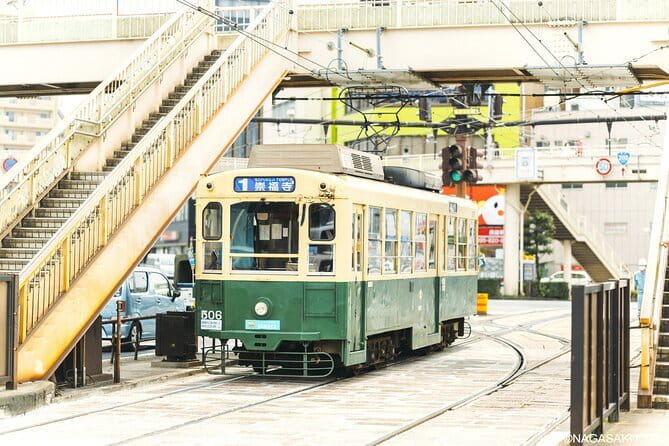
There’s also the “private” factor. Because it’s only your group, the guide can slow down when you want to absorb something, and speed up when your legs are tired. One past guest pointed out the tram service is so good that a private driver isn’t necessary, and that aligns with the way the tour is designed.
Getting started: pickup and a walking day you can manage
This tour runs about 7 hours, and that total includes travel time. Reviews and the overall format suggest you’ll do a full day of walking, including stairs and steps. So plan your body like it’s a long sightseeing shift, not a gentle stroll.
If you want it to feel easy:
- Wear comfortable shoes with real grip.
- Bring water and something for sun, even if the weather changes.
- If you’re worried about the emotional load from the war sites, plan for that too (more on that below).
A pickup from your hotel or the port is offered, which can remove stress at the start of the day. From there, you’re close to public transportation, so you’re not locked into one mode.
Stop 1: Nagasaki Atomic Bomb Museum (and why it hits)
The Atomic Bomb Museum is the emotional center of this route, and it’s also where the day becomes more than sightseeing. You’ll see what changed in the cityscape before and after the bombing, and you’ll look at items left behind after the attack.
That makes the museum a translator. Without it, many memorial areas can feel symbolic but distant. With it, you start to understand what those symbols are responding to: the disruption to daily life, the physical remnants, and the way a city has to keep living while carrying the memory.
A past guest called the museum moving, and the overall tone of the guide support matters here. The tour is designed to be adaptable if the imagery is too hard. If you feel sick or overwhelmed by shocking war-related images, let the guide know so the museum portion can be swapped for a less intense option.
Practical note: if you’re the type who needs time to settle after heavy material, tell the guide early. The day isn’t only about “seeing everything.” It’s about leaving with the meaning.
Urakami Cathedral and the Peace Park stops: survival and a vow
After the museum, you move toward places tied to faith and remembrance. The next big stop is Urakami Cathedral, a brick church building associated with Mary and the sounding of the Angelus bell. One key detail is that it is described as having withstood the atomic blast, and the stop is positioned so you can see the painful scars of the atomic bombing up close.
That changes how you experience it. A church becomes more than architecture. It becomes a witness in stone and brick, tied to a community’s continuity and trauma.
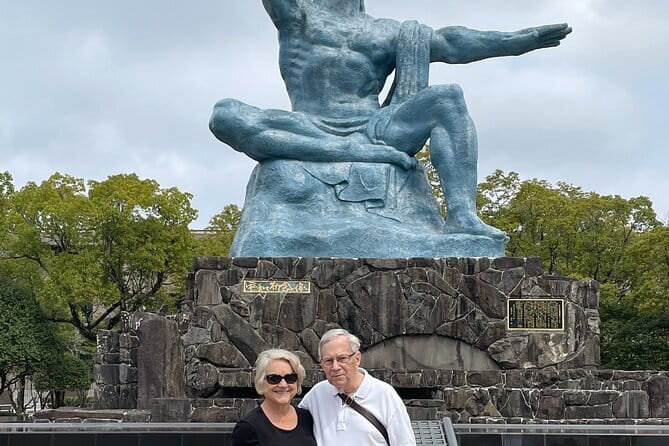
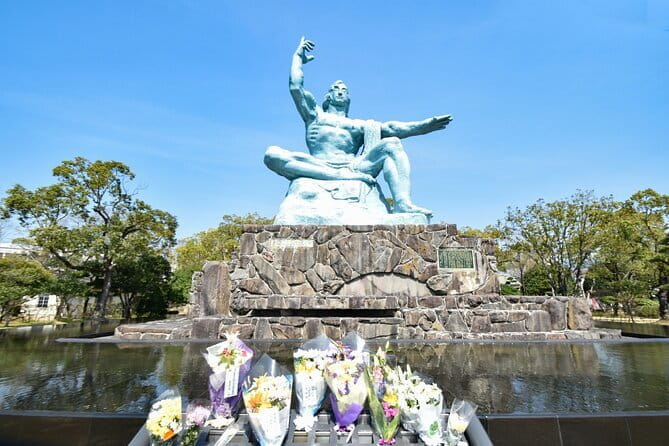
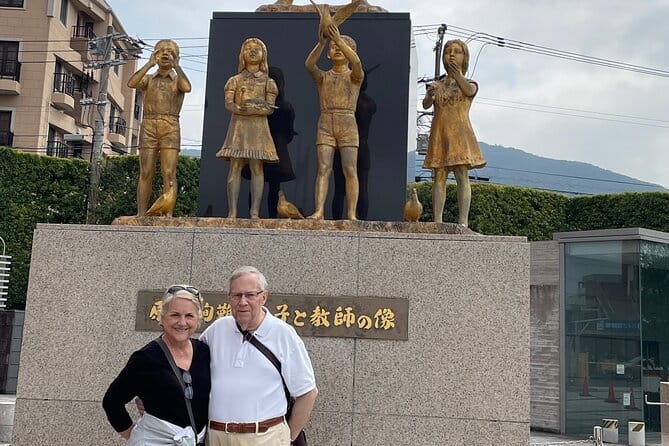
Then you’ll visit the Peace Memorial Statue at Peace Park on a hill near the Atomic Bomb Dropping Center Park. This isn’t just a photo stop. The statue was created with a pledge never to repeat the tragedy of war and a wish for lasting world peace.
If you only had one reason to pick a guided day, this is it: the guide helps you connect the museum’s evidence to the city’s moral response. You’ll understand why these spaces exist where they do, and why they’re designed for reflection rather than quick snapshots.
Meganebashi Spectacles Bridge (optional) and why your route may shift
Spectacles Bridge, also known as Meganebashi, is included on the standard path for most participants. It’s a short stop (about 30 minutes) and free to visit.
But there’s an important twist: if you choose the Mount Inasa option, this bridge stop is not included. And the same goes for Oura Catholic Church. If you really want both the bridge and the historic church stops, you’ll want to plan your option choice carefully before the day begins.
In practice, this is good to know because the two options are really two different moods:
- the standard route leans toward multiple historic sites
- Mount Inasa leans toward views and a different kind of closure to the day
If you’re flexible, you can let the guide steer you toward what fits your energy level that day. If you have strong preferences, speak up.
Glover Garden: the Meiji-era “international” side of Nagasaki
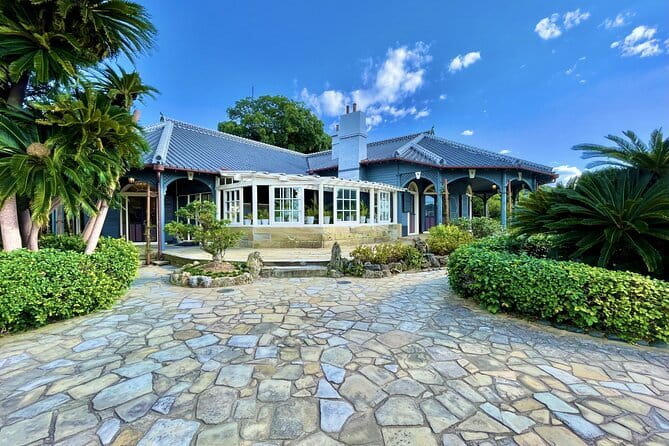
Next comes Glover Garden, one of the most satisfying stops on the itinerary because it shows you the city’s older western connections in a tangible way.
The garden is home to several western-style buildings from the Meiji period that have been relocated and restored. You’ll see the former Glover Residence plus other western residences (like Ringer and Alt). Even if you’re not a building-history person, this area helps you picture what Nagasaki was like during Japan’s period of national isolation—when the city was still a trade and contact point.
One past guest described the day as covering the complex history from Dutch and Portuguese traders/missionaries to the atomic bomb and beyond. That’s exactly what Glover Garden supports: it gives you a physical reminder that Nagasaki was shaped by more than war.
What to watch for as you walk:
- how the buildings sit against the city’s hilly geography
- how the preserved structures connect to the bigger theme of Nagasaki as a gateway city
Oura Catholic Church and the standard route’s historic core
On the standard itinerary, you’ll also visit Oura Catholic Church for about an hour. Admission is included here on the standard path.
Similar to the route logic around Meganebashi, this church is tied to the choice you make. If you select Mount Inasa, Oura Catholic Church is not part of that version of the day.
That matters because the standard route is built to move through layers of cultural contact: trade-era European presence, religious landmarks, then the wartime rupture and postwar memory. If you care about the faith and colonial-era architecture side, you’ll likely prefer the standard path.
Mount Inasa option: the view-based payoff
If you choose the Mount Inasa option, you add a visit to the Inasayama Observation Deck. It’s listed at about an hour with admission included.
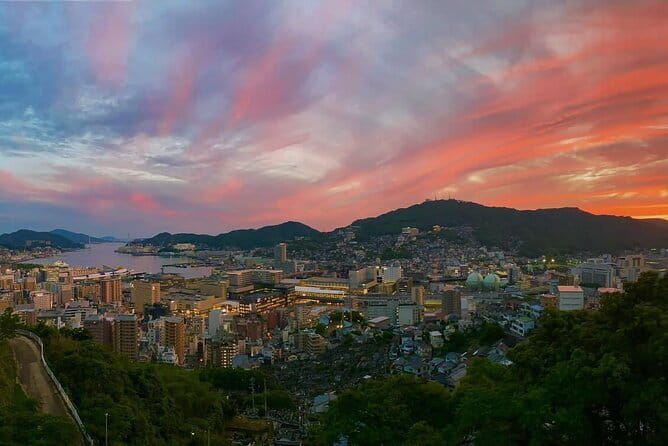
Mount Inasa rises to 333 meters, and the deck is positioned to give you a broad look over the city. The idea here is less about learning one more artifact and more about gaining orientation: you start seeing Nagasaki as a whole system—hills, harbors, neighborhoods—rather than separate points you visited.
This option is also why the bridge and Oura Catholic Church are swapped out in that version. The tour can’t stretch forever, so it trades additional historic stops for a higher vantage point and a more panoramic ending.
I like this trade-off for visitors who get overloaded by too many emotionally heavy scenes in a row. Views can feel like a pressure release, as long as you’re mentally ready to shift gears.
Lunch: plan for it, and use the guide
Lunch is not included, and it’s typically $10–$20 per person. That gives you freedom, but it also means you should plan ahead a bit.
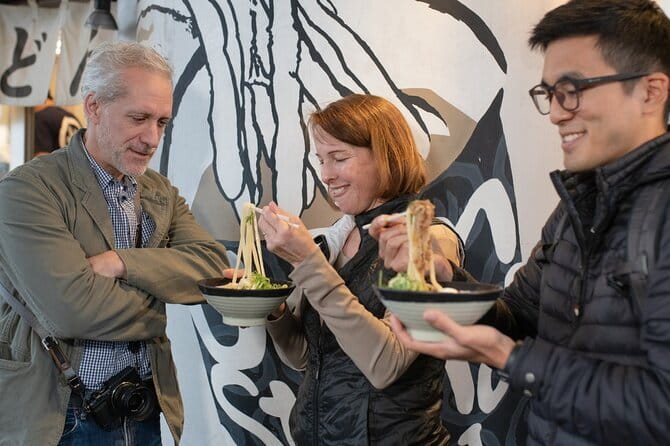
One past guest specifically praised the guide’s restaurant choice, saying it was a top-notch traditional lunch recommended by Noriko (Norah). So while lunch isn’t included in the tour price, your guide can likely help you pick a good local place that matches the pacing of the day.
If you’re traveling with dietary needs, that’s also manageable. The tour operator says they can accommodate vegetarian, vegan, gluten-free, and similar requirements if you indicate them at booking.
Who this tour is for (and when to think twice)
This tour fits best if you want a guided structure through heavy material and layered history. You’ll appreciate it most if you like:
- walking and public transport as part of the travel experience
- understanding timelines, not just taking photos
- a guide who can connect trade history, religious landmarks, and wartime memory
It may be less ideal if:
- you’re extremely sensitive to war imagery and you don’t feel comfortable with a museum visit
- you dislike long walking days with stairs and steps (the day includes full-day walking)
The good news is that the tour is built to respond. The operator explicitly notes you can change the atomic bomb museum portion to a less shocking itinerary if you feel sick. Tell the guide you need that adjustment early, not at the last second.
Also, note that different guides have different styles. One past guest described a guide who was pleasant but a little quiet. If you prefer a lot of back-and-forth conversation, it’s worth mentioning that when you communicate your preferences.
Should you book this Nagasaki private historical tour?
Book it if you want a one-day Nagasaki experience that explains what you’re seeing—especially if the Atomic Bomb Museum and the city’s memorial sites are important to you. I’d also pick it if you enjoy moving by public transit and want a route that feels like a local day, not a checklist powered by taxis.
Skip or reconsider if you’re not comfortable with difficult wartime images and you can’t imagine making space for that museum stop. In that case, ask about the less intense alternative before you commit.
Finally, the price is high, but it includes the guide, key admissions, and transport. For a private, guided day that covers multiple major sites, it often pencils out to better value than trying to manage all the pieces yourself—plus you get context that changes how the city lands in your mind.
FAQ
FAQ
How long is the Nagasaki private historical tour?
The tour lasts about 7 hours, and that total includes travel time.
What does the price include?
It includes a national licensed English/Mandarin guide, admission fees, public transportation fees, and hotel or port pickup.
Is lunch included?
No. Lunch is not included, and you should budget about $10–$20 per person.
What if I feel too upset by war-related images at the Atomic Bomb Museum?
If you feel sick from the shocking images, you can ask to change the Atomic Bomb Museum portion to another less shocking itinerary. Tell the guide at reservation or on the day of the tour.
Are there options to change parts of the route?
Yes. If you choose the Mount Inasa option, Spectacles Bridge (Meganebashi) and Oura Catholic Church are not included. An Inasayama Observation Deck visit is included instead.
Is this tour private?
Yes. It’s private, so only your group participates.