REVIEW · SEOUL
Seoul: UNESCO Heritage Palace, Shrine, and More Tour
Book on GetYourGuide →Operated by I LOVE SEOUL TOUR Co., Ltd. · Bookable on GetYourGuide
A palace plus a shrine can sound dry, but it’s not here. You get a guided run through UNESCO-listed Changdeokgung Palace and Jongmyo Shrine, then a stop in Bukchon Hanok Village for traditional houses and photo ops. I also like the human touch: guides such as KyungAh Park (Chloe) and Leo are known for being warm, organized, and helpful with details like photos and finding a hanbok shop. The only real drawback is that you’ll be walking and moving between sites for several hours, up to the full 8.
This tour also keeps you out of planning mode. You’re picked up via a van transfer, entrance fees are handled, and the itinerary is structured enough that you can focus on what matters: how royal Seoul worked, and how the sites still feel designed for ritual and daily life.
One more practical note: schedules shift by day. On Mondays, Changdeokgung swaps to Gyeongbokgung; on Tuesdays, Jongmyo swaps to Insa-dong; and on Sundays, Bukchon Hanok Village swaps to Namsangol Hanok Village. That’s not a problem, just something you should expect before you go in.
In This Review
- Key things to love on this Seoul heritage day
- UNESCO palace and shrine: why this pairing works
- Bukchon Hanok Village: courtyards, cafés, and the Sunday rule
- Jongmyo Royal Shrine: ancient spirits and the Tuesday swap
- Changdeokgung Palace gardens: what you’ll notice with a guide
- Korean ginseng stop: what the museum part is really for
- If you choose the full-day version: Suwon enters the picture
- Price and value: why $36 can make sense here
- Meeting point and timing: simple, but check your email
- Getting great photos and enjoying the day without stress
- Who this tour is best for (and who should skip)
- Should you book this UNESCO heritage tour?
- FAQ
- How long is the Seoul UNESCO heritage palace, shrine, and more tour?
- What UNESCO sites are included?
- What happens if I’m going on a Monday?
- What happens if I’m going on a Tuesday?
- What happens if I’m going on a Sunday?
- What’s included in the price?
- Are meals included?
- Where do I meet and where does the tour end?
Key things to love on this Seoul heritage day
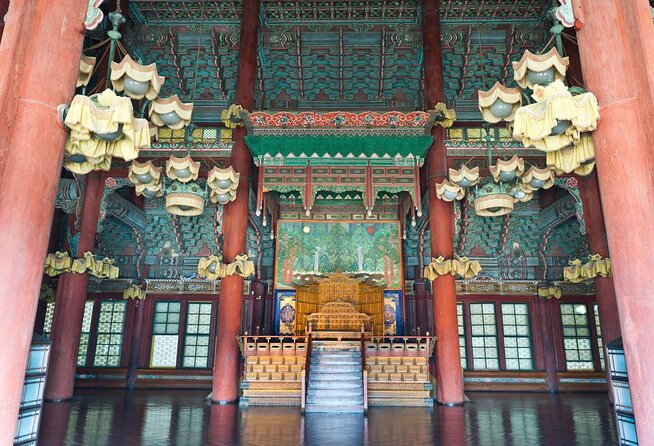
- UNESCO sites close together: Changdeokgung Palace and Jongmyo Shrine in one efficient route
- Guide-led history that stays practical: clear explanations without turning into a lecture
- Photo help that actually matters: guides can help you get good shots and point you to good angles
- Day-of-week replacements: the tour adapts on Mondays, Tuesdays, and Sundays
- A built-in cultural stop: Bukchon Hanok (or Namsangol) brings the traditional house vibe to life
- Flexible full-day option: some versions extend onward to Suwon’s UNESCO fortress area
UNESCO palace and shrine: why this pairing works
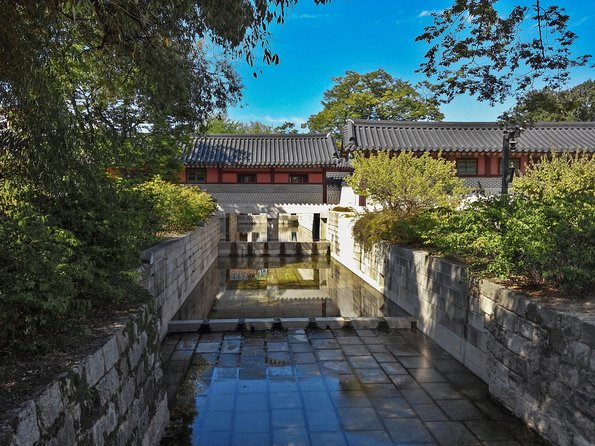
If you’re trying to understand Seoul beyond neon and coffee, this combo does a solid job. Changdeokgung was a royal residence built with an eye for harmony between buildings and gardens. Jongmyo Shrine is different in feel. It’s not about day-to-day comfort—it’s about ancestral rites, where the setting is meant to hold ceremony.
On this tour, the guide’s job is to connect the dots. When you move from Jongmyo’s ritual world to Changdeokgung’s royal living spaces, you start to see how Korea’s royal heritage wasn’t only political. It was also spiritual and architectural.
You’ll like that the stops are timed for an actual guided experience, not a “see it, rush out” stamp. You get guided time at both Changdeokgung and Jongmyo, plus a separate guided walkthrough at Bukchon Hanok Village (or the Sunday swap).
You can also read our reviews of more tours and experiences in Seoul.
Bukchon Hanok Village: courtyards, cafés, and the Sunday rule
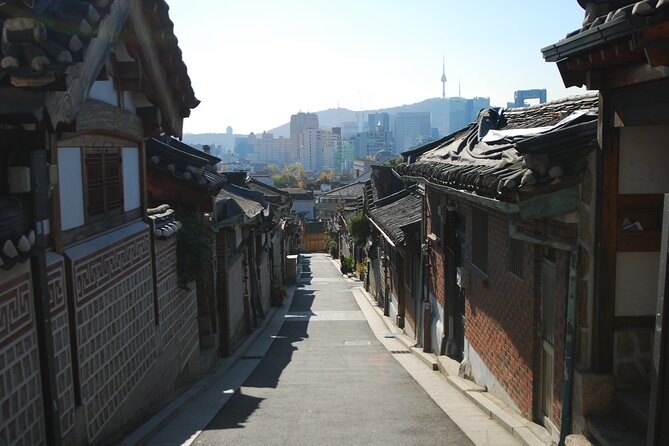
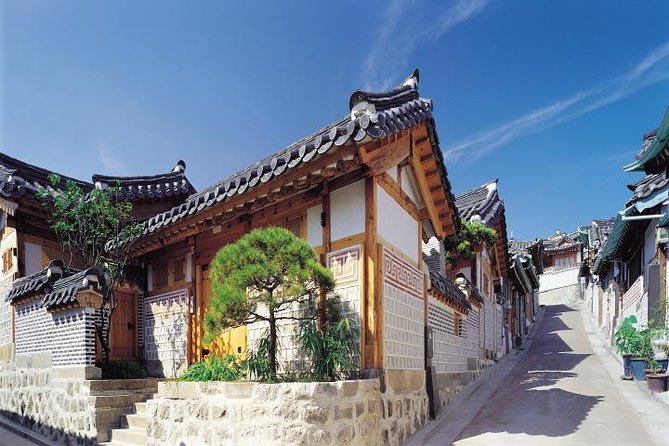
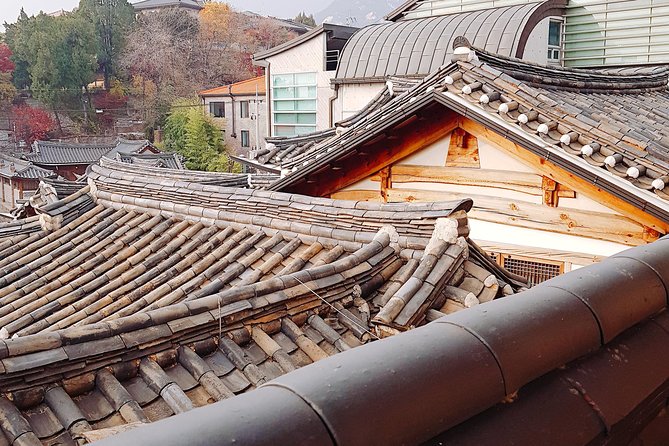
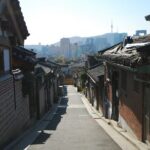
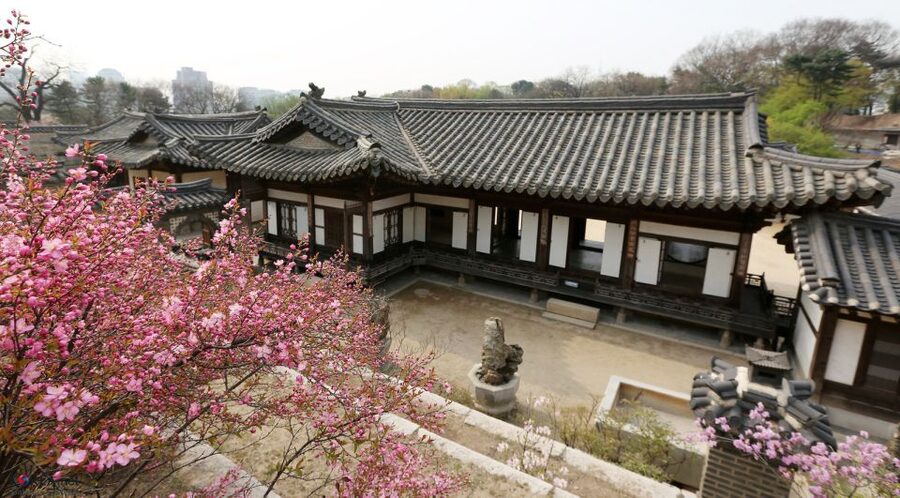
Bukchon Hanok Village is one of those places where your camera starts working overtime. Traditional hanok houses, narrow lanes, and carefully preserved architecture create that classic Seoul “old meets new” feeling—without needing you to decode anything on your own.
The tour includes a guided visit (about 50 minutes). That’s long enough to understand what you’re looking at. Your guide can point out the traditional house layout and explain why this area matters culturally, then you can take photos without guessing where to stand.
Here’s the practical catch: from November 1, 2024, you can’t visit Bukchon Hanok Village on Sundays. On Sundays, the tour swaps in Namsangol Hanok Village instead. It keeps the traditional-house theme, but the village layout is different, so don’t expect a one-to-one match.
Tip for your photos: wear shoes you don’t mind getting a little beat up. The sidewalks can require small detours, and good angles often mean quick sidesteps and pauses.
Jongmyo Royal Shrine: ancient spirits and the Tuesday swap
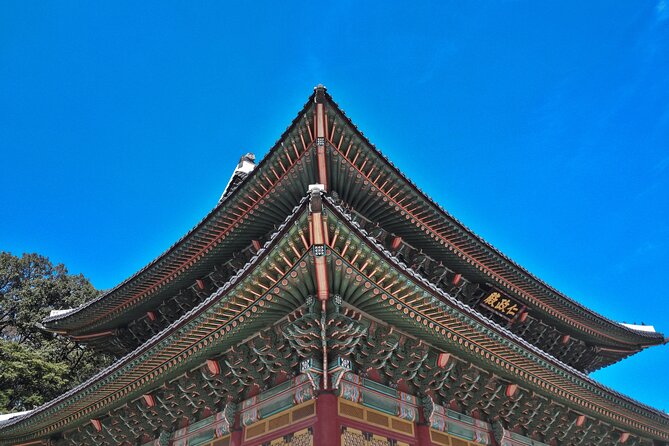
Jongmyo is the emotional pivot of the day. This shrine was built as a sacred space for royal ancestral rites, and it’s closely tied to what kings did to honor past monarchs. The feeling isn’t about “tourist spectacle.” It’s about space, order, and a sense of ceremony.
You’ll get guided time (about 40 minutes). That matters because Jongmyo isn’t something you can fully appreciate just by reading a sign. Your guide can explain the shrine’s role in royal traditions and why certain parts are set up the way they are. The tour also notes that the site sometimes hosts traditional memorial services and musical performances, which can change the vibe on the day—good to know if you’re hoping for something extra cultural.
Then comes the calendar twist: Jongmyo Shrine is closed on Tuesdays. On those days, your visit is replaced with a tour of Insa-dong Culture Street. Insa-dong has a different energy—more street life and shopping atmosphere. If you want heritage in a more everyday, walkable format, Tuesdays can actually feel like a bonus.
Changdeokgung Palace gardens: what you’ll notice with a guide
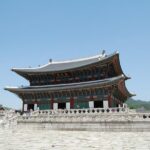
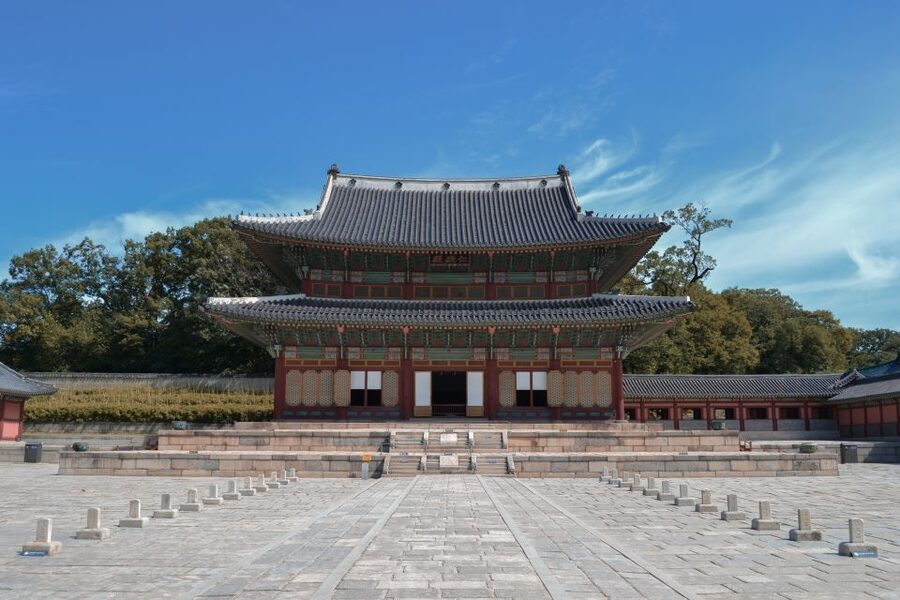
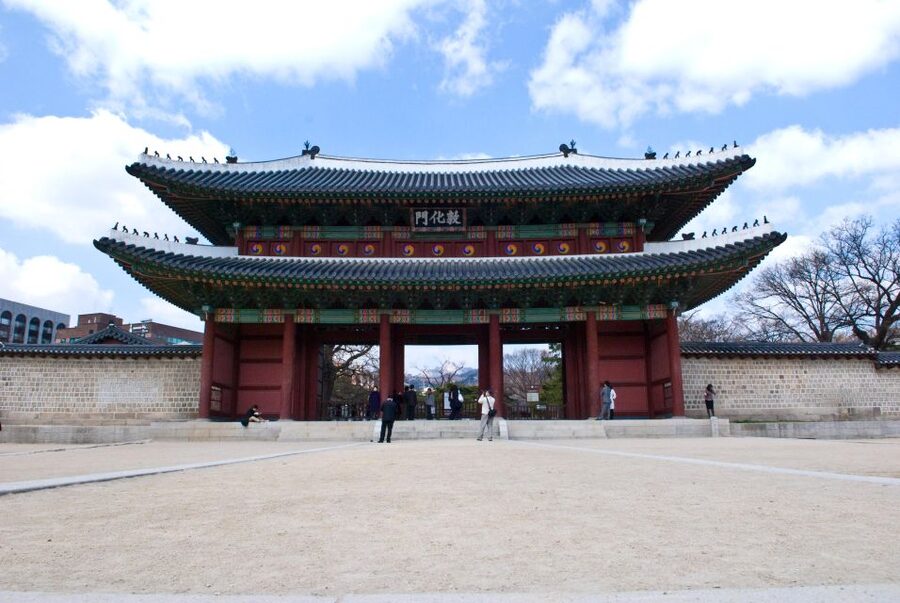
Changdeokgung Palace is where Seoul’s royal architecture starts making sense. The palace is known for a harmonious layout and landscaped gardens designed with traditional Korean aesthetics in mind.
On this tour, you’ll have guided time at the palace, so you’re not just wandering through courtyards. Your guide’s explanations can help you notice the relationship between buildings and the grounds—how everything feels planned, not random. Even if you don’t care about royal court politics, the design choices are worth paying attention to.
Another day-of-week switch keeps things interesting. On Mondays, Changdeokgung is replaced by Gyeongbokgung Palace. Same royal theme, different palace feel. If you’re comparing palaces, Mondays give you a good alternative while staying within the same “big royal Seoul” idea.
Rain or shine: this tour runs in both. That’s helpful because you won’t lose the day to weather. You’ll just want a compact umbrella and a plan for slippery stone surfaces.
Korean ginseng stop: what the museum part is really for
Between the royal sites, the tour takes a practical breather with a visit to a Korean ginseng museum (shopping time, about 30 minutes).
This isn’t just a random retail stop. The tour frames ginseng as part of East Asian medicine and notes a long written history, including how it’s documented in classical Chinese texts during the Han Dynasty. Korean ginseng is described as especially valued for adaptogenic properties—things tied to stress resilience and overall well-being.
You should treat this stop like a cultural-and-shopping intermission. You can learn the basics of what ginseng is and why people buy it, then decide if you want products or just want the explanation. If you’re the type who likes trying local wellness products, this can be a nice add-on. If not, it’s still useful as a context bridge between historical Seoul and everyday life.


If you choose the full-day version: Suwon enters the picture
Some versions of this experience stretch into a fuller day by heading to Suwon in Gyeonggi-do Province after lunch. In that extended format, you visit Suwon Hwaseong Fortress and Hwaseong Haenggung Palace.
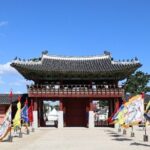
This is a good choice if you’re thinking, I want more than just central Seoul. Suwon’s fortress area gives you another layer of Korean heritage—less palace garden and shrine ritual, more defensive and administrative history. It also breaks up the day so you’re not only repeating a single “temple/palace/museum” pattern.
Note the lunch setup: you get a lunch break, but meals are at your own expense. That’s common on tours like this, but it’s worth planning for so you don’t end up stressed searching for something that fits your taste.
Price and value: why $36 can make sense here
At around $36 per person, this tour looks inexpensive compared with what you’d pay if you were separately booking guides, transport, and entrance fees. Here’s what you’re actually getting for that price:
- entrance fees included
- a professional English-speaking guide
- van transfer and a driver
What isn’t included matters too. You’re responsible for your own meals, and there’s no hotel pickup or hotel drop-off (you meet at a set starting spot and the tour ends in/around Myeongdong, depending on the format).
For me, the value comes from combining UNESCO sites with guided interpretation. If you go on your own, you’ll still see the places—but you’ll spend extra time figuring out what to prioritize, and you might miss cultural context that makes the architecture and rituals click.
If you’re short on time in Seoul or you dislike spending vacation hours reading directions, this cost can be a smart trade.
Meeting point and timing: simple, but check your email
The starting point is Koreana Hotel, Myeongdong Station Exit 10 for at least one option. Other options exist, so your exact meeting point can vary based on what you book.
Your confirmed meeting time and exact location come by email from the local partner, and you’re advised to check your spam folder. That’s a small step that prevents big confusion later.
The duration is listed as 4 to 8 hours, depending on the version and day. That means you should plan your morning (or afternoon) with enough buffer that you don’t feel rushed afterward.
Getting great photos and enjoying the day without stress
One reason people rate this tour highly is the guide help beyond just narration. In practice, that can mean:
- help finding the best spots to photograph hanok streets
- assisting with getting the right shot at key locations
- guiding you toward a hanbok shop if you want to dress up
If you care about photos, arrive with a simple mindset: pick a few “must capture” scenes, then let your guide help you with timing and angles. When someone can read the site flow and tell you where to stand, you waste less time and come away with more keepers.
Also, bring light layers. Palaces and shrine grounds can feel very different from the street-level city air.
Who this tour is best for (and who should skip)
This works especially well if:
- you want UNESCO context without doing homework first
- you like a structured day with transport handled
- you prefer a guide who’s friendly and willing to help with practical details (photos, timing, shopping direction)
You might want to pick a different option if:
- you need wheelchair accessibility (this one is not suitable for wheelchair users)
- you hate walking between multiple stops
- you want long solo time at each location rather than guided pacing
Should you book this UNESCO heritage tour?
Book it if you want a clean, well-organized way to see Changdeokgung Palace and Jongmyo Shrine plus a traditional neighborhood stop, with an English guide who keeps the day moving and makes it easier to understand what you’re seeing.
Skip it (or consider another format) if you’re sensitive to walking, or if you can’t be flexible about day-of-week swaps like the Sunday Bukchon change, Tuesday Jongmyo closure swap, or the Monday palace replacement. Those aren’t problems—just reminders that the schedule follows what’s open.
If you’re booking in advance, you’ll likely be happiest if you treat this as a guided heritage sampler: palaces, rituals, traditional houses, and a short cultural shopping stop in one half- to full-day block.
FAQ
How long is the Seoul UNESCO heritage palace, shrine, and more tour?
The duration is listed as 4 to 8 hours, with starting times varying by availability.
What UNESCO sites are included?
Changdeokgung Palace and Jongmyo Royal Shrine are included as core stops.
What happens if I’m going on a Monday?
Changdeokgung Palace is replaced by Gyeongbokgung Palace on Mondays.
What happens if I’m going on a Tuesday?
Jongmyo Royal Shrine is closed on Tuesdays, and the tour replaces it with Insa-dong Culture Street.
What happens if I’m going on a Sunday?
Bukchon Hanok Village is prohibited on Sundays (from November 1, 2024). The itinerary includes Namsangol Hanok Village instead.
What’s included in the price?
Entrance fees, a professional guide, and van transfer with a driver are included.
Are meals included?
Lunch break is provided in the full-day version, but meals are at your own expense. Meals are not included.
Where do I meet and where does the tour end?
You’ll meet at a confirmed meeting point (one option is Koreana Hotel, Myeongdong Station Exit 10). The tour ends in Myeongdong.