REVIEW · NEW DELHI
Delhi: Heritage Photography Tour
Book on GetYourGuide →Operated by Yo Tours · Bookable on GetYourGuide
Delhi turns into a camera school fast. This 2-hour walk is built around heritage sites and photo spots most people skip, with a guide who focuses on angles, light, and storytelling as you move. Two things I like right away are the photo-first guidance (so you’re not just walking around) and the mix of famous monuments with lesser-noticed lanes and corners.
I also love the range of subjects packed into a short time. You’ll go from tomb architecture to Lodhi Garden nature shots, then hit Lodhi street art with themes that help you build a real photo set, not random pictures. One caution: it’s a walking tour and it’s not suitable for wheelchair users or pregnant women, so if you’re mobility-limited, plan another option.
In This Review
- Key highlights you’ll feel on the walk
- A photo tour through Delhi’s heritage pockets, not just the big hits
- Safdarjung Tomb: where the tour begins and how to use it
- Muhammad Shah Sayyid Tomb and the value of “relics you can photograph”
- Lodhi Dynasty corners: Shish Gumbad and the last lineage feel
- Lodhi Garden: nature + architecture in one practical stop
- Bara Gumbad and Athpula Bridge: stone, mosque, and water depth
- Rose Garden and Sikandar Lodi Tomb: turning the corners into a photo set
- Lodhi street art: make it meaningful, not random graffiti
- What’s included for $14—and why that price is a good deal
- Logistics that affect your comfort (and your photos)
- A real-world heads-up from the service quality record
- Tips to get better shots in a short 2-hour loop
- Who should book this heritage photography walk?
- Should you book Delhi: Heritage Photography Tour?
- FAQ
- Where does the tour start?
- How long is the Delhi Heritage Photography Tour?
- What’s included in the price?
- What should I bring?
- Is water provided?
- Are there restrictions on luggage?
- Is it refundable if my plans change?
Key highlights you’ll feel on the walk
- Safdarjung Tomb start: the meeting point is right where the heritage vibe begins
- Muhammad Shah Sayyid Tomb relics: history you can frame like a visual timeline
- Lodhi Dynasty sites: Shish Gumbad and nearby landmarks give strong architectural shots
- Lodhi Garden photo time: trees, flowers, and stonework in one practical circuit
- Athpula Bridge crossing: water views that add depth to your compositions
- Street art with themes: nature, origin-of-the-world ideas, and life-and-death symbolism
A photo tour through Delhi’s heritage pockets, not just the big hits
Delhi can feel like information overload—traffic, noise, color, and everyone asking where you’re going. This tour is different because it gives you a route with a purpose: make you look at the city like a photographer. The whole format is timed for results. In two hours, you move between strong landmarks, pause where the light and angles make sense, and learn how to frame details instead of chasing only wide “postcard” views.
The price is also refreshingly low. At $14 per person for a short, guided, entry-included experience, you’re paying mostly for direction: finding the right compositions and getting you into places that match your camera goals. You still need to bring your own camera (or phone), and you’ll want comfortable shoes because you’re walking through a sequence of heritage stops.
The best part is the human side. You’re not just told what something is—you’re guided through why it matters religiously and historically, with space for Q&A in English and Hindi (and Spanish where offered). That background helps you shoot with more intention, not just better technique.
You can also read our reviews of more tours and experiences in New Delhi.



Safdarjung Tomb: where the tour begins and how to use it
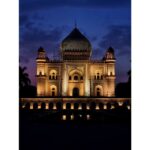
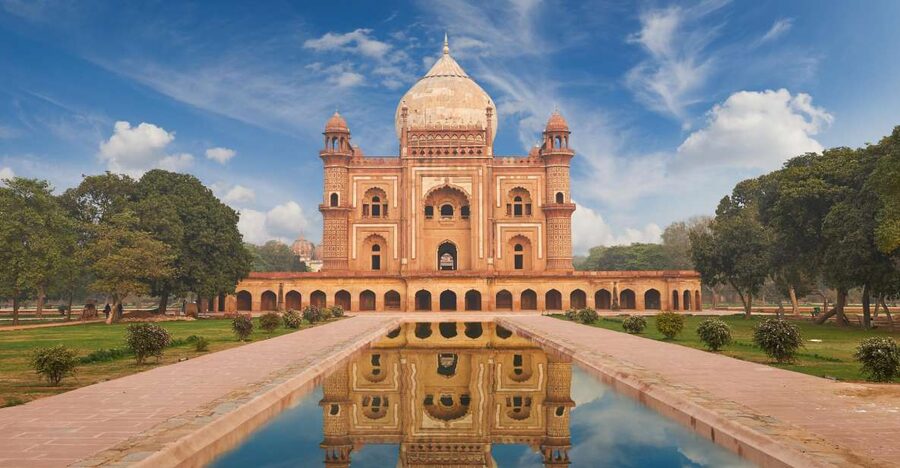
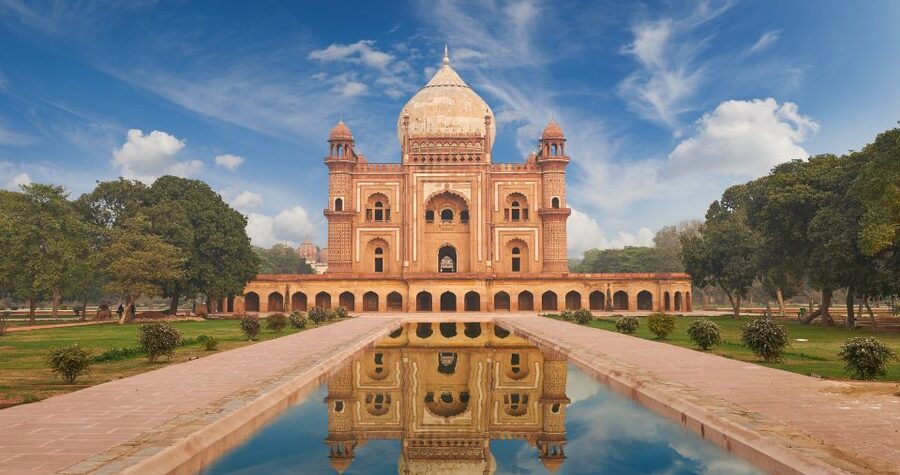
The meeting point is the entrance gate of Safdarjung Tomb (at the ticket counter). Starting here is smart for two reasons: first, you’re already in a heritage setting when you first meet your storyteller; second, you can immediately begin practicing the “how do I frame this?” mindset.
Safdarjung Tomb is the kind of subject that rewards both wide shots and detail shots. Think about how symmetry works, how shadows cut across marble or stone surfaces, and how you can include people in a way that adds scale without letting them steal focus. The guide’s job is to help you find viewpoints that are easy to miss when you’re wandering on your own.
Also, consider the timing of your tour window. One successful experience is described as especially good in evening light. If you have a choice of starting times, go toward the softer daylight hours for more forgiving contrast and longer, more dramatic shadows.
Muhammad Shah Sayyid Tomb and the value of “relics you can photograph”
Next you’ll visit the Muhammad Shah Sayyid Tomb, where the setting includes relics connected to Delhi’s past. Even if you’re mainly chasing images, this stop matters because it pushes you to think beyond the building shape. Relics and historic artifacts give you layered textures—surfaces, inscriptions, and objects—that photograph well when you slow down.
A good photography guide here won’t just point you toward a viewpoint. They help you decide what your story is. For example:
- Are you photographing the monument as a symbol of power?
- Or are you building a detail series that shows age, craft, and meaning?
That choice becomes important later when you move into garden and street art scenes. If you set your “story thread” early, your final photo set feels cohesive.
Lodhi Dynasty corners: Shish Gumbad and the last lineage feel
The tour doesn’t stop at one famous site—it keeps threading the Lodhi Dynasty through your walk. You’ll encounter the “last lineage” concept at Shish Gumbad, and you’ll also pass other landmark buildings that connect to the same era.
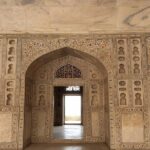
Why this works for photographers: royal and dynastic architecture often has repeatable design rules—arches, domes, gateways, and burial structures—so you can compare shots across stops. You can practice consistency: the same lens idea, a repeating angle style, or a recurring theme like doors, arches, or ceiling shapes.
It’s also a chance to shoot something less crowded than the top-list monuments. One of the strongest bits of feedback is that this circuit walks you around outside the best-known tourist paths, which makes it easier to work at your own pace. If you like to experiment—step, reframe, shoot, adjust—this tour’s pace is built for that.
Lodhi Garden: nature + architecture in one practical stop
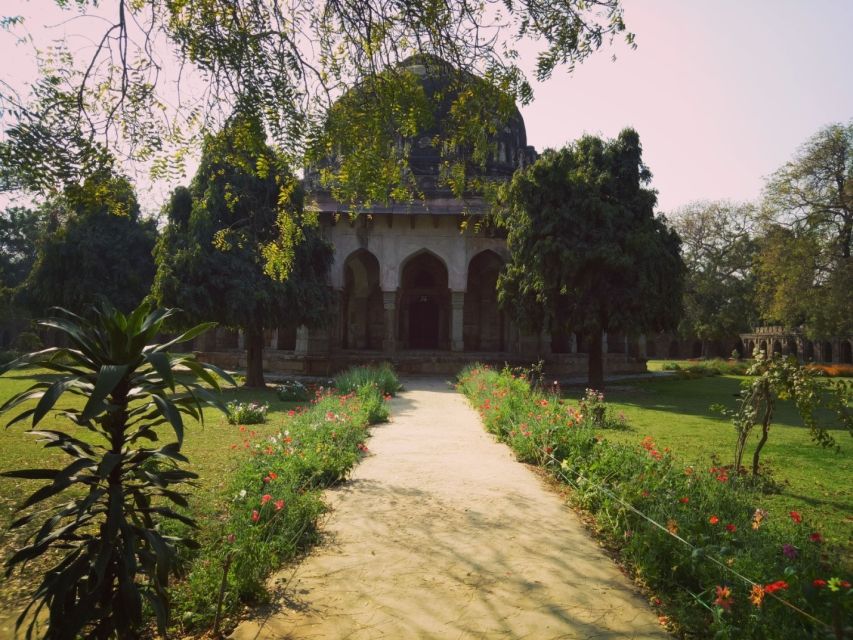
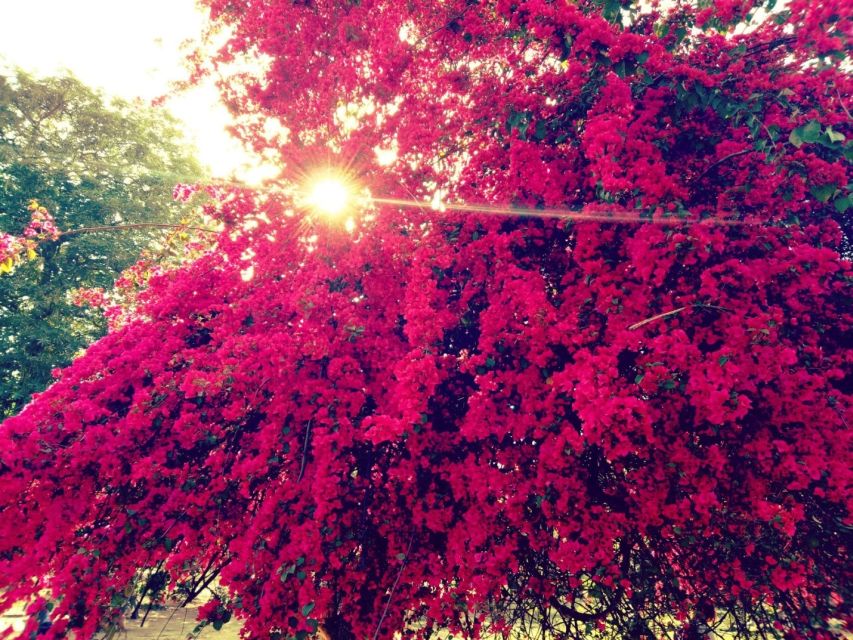
Lodhi Garden is billed as a favorite in the city, and it makes sense for photographers. This is where you can switch from stonework and tomb geometry to living subjects: trees, flowers, and softer organic shapes. If your camera skills are rusty, gardens are forgiving practice. Light filters through leaves. Colors appear in small patches. You can capture close details and still pull back for architecture-in-frame compositions.
This stop is also where you’ll likely use many of the guide’s photography tips. If you’re thinking in terms of settings, the guide’s advice usually helps you do two things fast:
- separate your subject from the background
- control how much of the scene feels sharp versus dreamy
And because the tour continues through heritage buildings afterward, you’ll want to end your garden portion with a few shots that link both worlds—like trees framed against historical walls, or paths that lead into the next stop.


Bara Gumbad and Athpula Bridge: stone, mosque, and water depth
As you move along, you’ll pass wide lanes and centuries-old buildings, along with embassies of different countries. This matters because it adds “real city context” to your frames. A heritage tour can become too museum-like if you only shoot monuments. Here, the in-between streets help you show Delhi as a living place.
You’ll also see the Bara Gumbad complex, described as a 15th-century tomb and mosque. For photos, this kind of structure gives you strong lines and repeating curves. Work the doorway shapes, the dome mass, and the way the building sits in its space. These are the shots that look good even after you reduce them to black-and-white.
Then you cross via Athpula Bridge to reach a lake view area. Water adds something heritage buildings alone can’t. It creates reflection possibilities and gives your composition depth. If you’re photographing with a phone, you can still use the same idea: aim so your foreground and the lake create layered space, not a flat horizon.
Rose Garden and Sikandar Lodi Tomb: turning the corners into a photo set
Near the end, you’ll visit the Rose Garden and the Sikandar Lodi Tomb. Rose Garden is a “build your own series” type of location. Even if roses aren’t in peak bloom every day, the garden layout gives you plenty of structure: repeating plants, pathways, and frames created by leaves and fence lines.
Then the Sikandar Lodi Tomb brings you back to funerary architecture and the architectural mood that started the tour. The real benefit here is editing. If you shoot gardens and tombs back-to-back, you can create contrast in your photo set:
- soft, organic color vs. stone geometry
- close details vs. larger form
- daytime garden light vs. the heavier feel of tomb shadows
This is also where a guide’s storytelling matters. Conversations about religious beliefs and local importance aren’t just “extra talk.” When you understand what you’re photographing, you tend to frame it with more respect—and you stop treating the site like a backdrop.
Lodhi street art: make it meaningful, not random graffiti
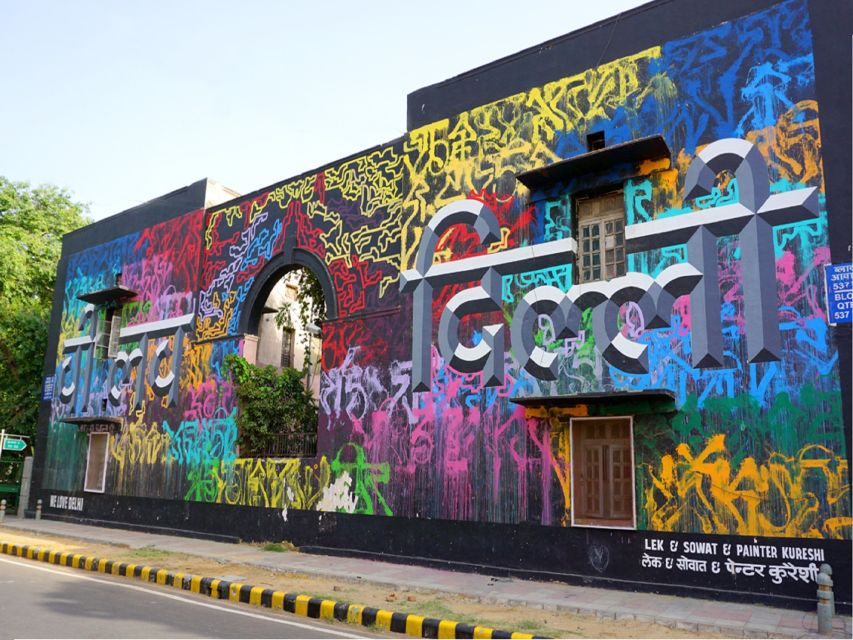
Lodhi street art is a late-tour treat, especially if you like street photography but don’t want to spend the entire trip hunting. You’ll pass painted walls featuring graffiti themes connected to nature, the origin of the world, and life and death.
This stop is where the guide’s pacing and attention to your photography plan really pays off. Street art can be chaotic if you don’t decide what you want: face in frame, wall texture, or symbolic elements. The tour setting helps you treat it like a controlled photo assignment. You can stand at a point, check lines, then shoot a small sequence that feels intentional.
If you’re into storytelling through images, this is a great capstone. Your tour started with tombs and relics. Ending with symbolic street art lets you compare “meaning” across eras—from carved history to modern wall messages.
What’s included for $14—and why that price is a good deal
For $14 per person, you get more than access. Included are:
- entry to all the photographic destinations
- photography tips from your guide
- one hot beverage
- a guide who speaks English, Hindi, and also Spanish on the tour listing
- conversation time about religious aspects, beliefs, and local importance
That matters because photography tours often charge extra for entry fees or for “just tips.” Here, the price suggests the focus is on real guidance. Your hot beverage is also a practical touch. After time under sun and stone, something warm helps you stay comfortable while you keep shooting.
What you don’t get: a water bottle. That’s not huge, but it’s smart to plan for it—especially since you’re walking and you might be stopping frequently for shots.
Logistics that affect your comfort (and your photos)
This is a walking tour with a simple setup: meet at the Safdarjung Tomb ticket counter gate, then move from one photo target to the next. The major rule you should respect is the luggage limit: no luggage or large bags.
If you’ve ever tried to shoot while juggling bags, you know it kills your rhythm. Empty hands make it easier to:
- change shooting positions quickly
- hold your camera steady
- pause for compositions without bumping into people
Bring comfortable shoes. The itinerary includes gardens, bridge crossing, and multiple heritage sites. Even if the route doesn’t sound extreme, you’ll still be on your feet for the full 2 hours.
A real-world heads-up from the service quality record
Most runs sound smooth and well-guided. In one standout experience, the guide Ameesha got in touch by phone so people wouldn’t miss the start. Another praised guide, Rajeev, is described as patient and very informative, letting photographers work without constant interruption.
But there’s also one serious red flag in the recorded feedback: one booking reports the guide did not show up. If you book, I’d treat it like any “meet-at-a-gate” tour and do two things:
- confirm the meeting details shortly before you go
- arrive at the meeting point a bit early so you can spot your guide fast
It’s rare, but it’s worth being proactive.
Tips to get better shots in a short 2-hour loop
You’ll get photo tips from the guide, but you can make the results jump with a few habits before you even start:
1) Pick a mini theme before you arrive
For example: arches and domes, then contrast with garden textures, then finish with symbolic wall art. A theme helps you edit fast later.
2) Shoot in sequences, not single shots
On heritage stone and street art walls, small changes in angle can make or break the final picture.
3) Use people carefully for scale
You’ll be around historic spaces and gardens where visitors may appear. Frame them so they add size or human story, not chaos.
4) Save your “details time” for relics and art
Relics at Muhammad Shah Sayyid Tomb and textures in street art are perfect for close crops and tighter framing.
5) Plan for low-angle and eye-level
Domes and entrances almost always look better either at eye level (context) or low angle (power and drama). The guide will likely encourage this kind of thinking.
Who should book this heritage photography walk?
This tour fits best if you:
- want a photo-focused guide, not just a generic sightseeing walk
- like architectural details as much as wide shots
- enjoy story-based travel where religious meaning is explained
- want to photograph spots that aren’t the most overcrowded “must see” names
It’s less ideal if you need step-free access (it’s not suitable for wheelchair users) or if you’re pregnant and uncomfortable on foot.
Should you book Delhi: Heritage Photography Tour?
I think it’s a strong choice if you want practical photo help and a route that mixes tomb architecture, garden nature, bridge water views, and symbolic street art—all in two hours and at $14 with entry included.
I’d book it with one mindset: this tour lives or dies by the guide showing up and syncing with your pace. When it runs well, it’s exactly what you want—like the examples where guides such as Ameesha and Rajeev were praised for communication and patience with photographers. But because there is at least one reported no-show incident, arrive early and confirm your start so you’re not left standing at the gate wondering what went wrong.
FAQ
Where does the tour start?
Meet your storyteller at the entrance gate of Safdarjung Tomb at the ticket counter.
How long is the Delhi Heritage Photography Tour?
The tour lasts 2 hours.
What’s included in the price?
It includes entry to all photographic destinations, photography tips, one hot beverage, and a guide who can explain religious aspects, beliefs, and local importance. The guide speaks English and Hindi and Spanish is also offered.
What should I bring?
Bring comfortable shoes.
Is water provided?
No. A water bottle is not included.
Are there restrictions on luggage?
Yes. Luggage or large bags are not allowed.
Is it refundable if my plans change?
The tour offers free cancellation up to 24 hours in advance for a full refund.