REVIEW · LISBON
Lisbon: African History and Heritage Walking Tour
Book on GetYourGuide →Operated by Autêntica - Travel Experience · Bookable on GetYourGuide
Lisbon hides African history in plain sight. This 3.5-hour walk strings together Lisbon’s African legacy through old streets and major squares, with African heritage at the center of the story. You’ll move from Moorish-set beginnings to the places tied to the transatlantic slave route, with the tone staying honest and human.
I love how the tour uses the city itself as the textbook. Stops like Chafariz d’El Rei turn everyday sights into clear lessons about social class, power, and who got represented in public life. I also like the way guides such as Jose, Al, and Alcides keep the pace friendly while answering questions and making the connections feel real.
One possible drawback: this is a walking tour through Lisbon’s older areas, and it’s not suitable for mobility impairments. You’ll also be doing plenty of uphill steps, so comfortable shoes matter.
In This Review
- Key Points You Should Know Before You Go
- Entering Lisbon’s Alfama: Where Moorish Roots Start the Thread
- Chafariz d’El Rei: A Fountain That Explains Social Class
- Campo das Cebolas and the Port Story You Can Feel
- Praça do Comércio and Baixa: Power, Trade, and Earthquake Aftermath
- Rua Cor de Rosa: Daily Life, Gender, and Public Space
- Rossio Area: Integration, African Communities, and a Catholic Landmark
- Rossio Station and the Berlin Conference Link (Yes, It’s on Foot)
- A 3.5-Hour Walk That Moves Fast but Stays Question-Friendly
- Price and Value: What You’re Paying For at $176
- Meeting Point and Practical Setup: Where to Start and What to Wear
- Who This Tour Is For (and Who Might Want a Different Option)
- Should You Book This Lisbon African History Tour?
- FAQ
- How long is the Lisbon African History and Heritage Walking Tour?
- How much does the tour cost?
- Where do I meet the guide?
- What’s included in the tour?
- Are food and drinks included?
- What languages is the tour offered in?
- Is there free cancellation?
- Do I have to pay right away?
- Is the tour suitable for people with mobility impairments?
- When should I book to match my schedule?
Key Points You Should Know Before You Go
- Follow the money and the routes: the walk links Lisbon’s port areas to the early slave-trade story.
- Learn through architecture: fountains, churches, and squares explain social class, not just dates.
- Moorish influence shows the roots: Alfama is framed as a starting point tied to North African history.
- See how faith and daily life mixed: the route addresses African integration in Catholic spaces.
- Expect guide-driven storytelling: guides like Jose, Al, and Alcides are praised for clarity and warmth.
- Plan for uphill walking: older Lisbon streets mean slow going at times, especially if you’re not used to stairs.
Entering Lisbon’s Alfama: Where Moorish Roots Start the Thread
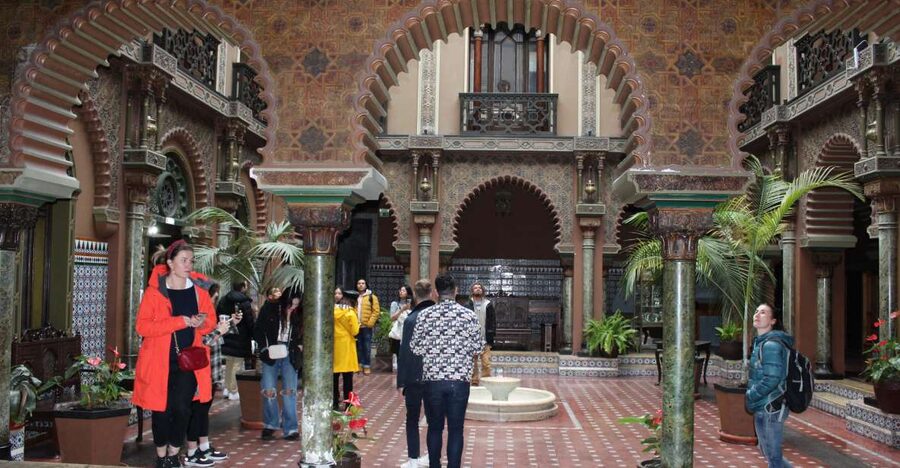
The tour kicks off in Lisbon’s oldest neighborhood, Alfama, an area with long connections to Moorish presence. This is a smart opening because it gives you background before the discussion turns to trade and exploitation. Instead of starting at the darkest chapter first, you get roots, migration, and shared history—so the rest of the walk lands harder.
As you wind through the streets of Alfama, you’re not just looking at buildings. You’re getting a sense of how cultures overlap in daily life, especially in a city that grew through the movement of people by sea. If you like history that feels grounded in real neighborhoods, this section is where you start to see the tour’s real method.
You can also read our reviews of more tours and experiences in Lisbon.


Chafariz d’El Rei: A Fountain That Explains Social Class
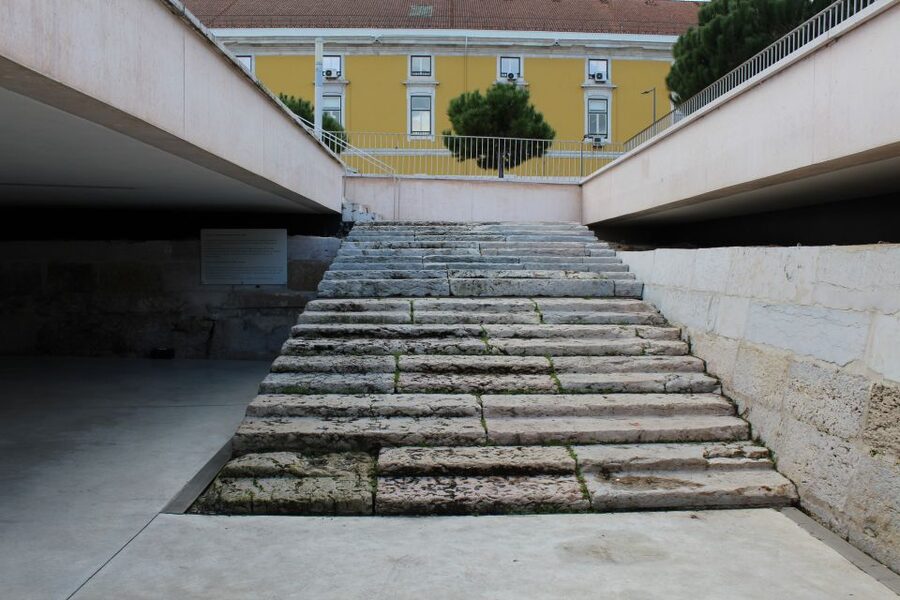
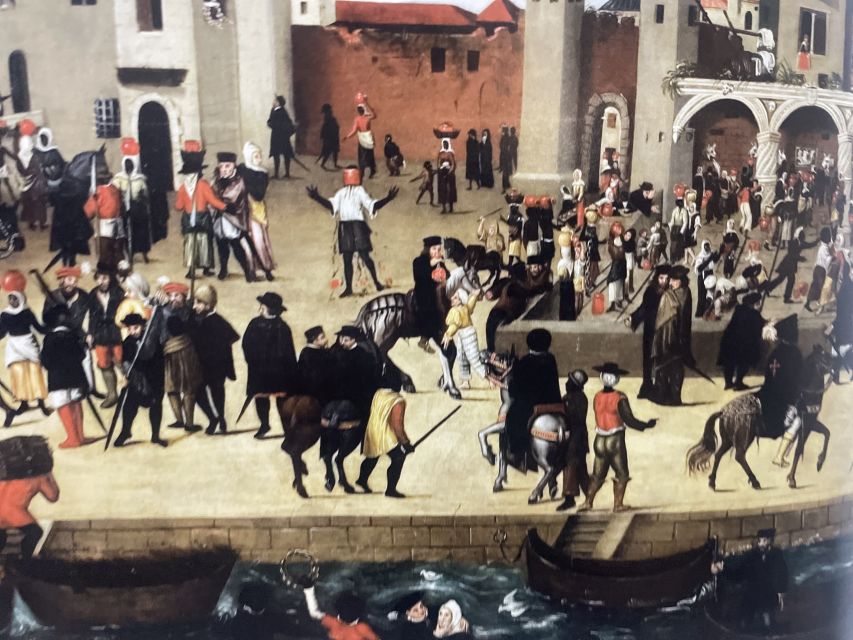
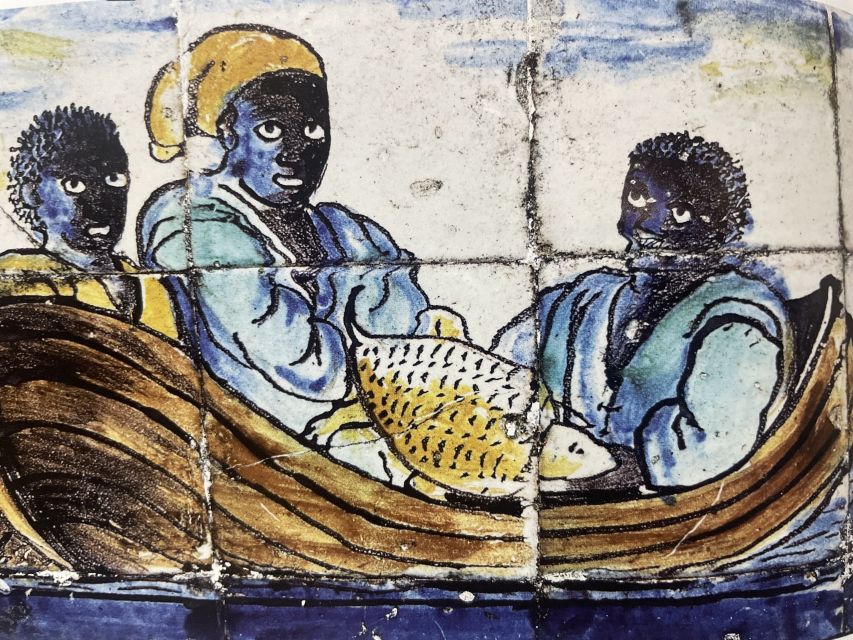
One of the most memorable stops is Chafariz d’El Rei. The fountain is used as a teaching moment about medieval Lisbon’s social divisions—showing how public space could reflect hierarchy. Africans are also represented in this conversation, which keeps the story from becoming a one-note “only one group mattered” version of the past.
Here’s why this matters for you: it’s easy to think of history as something that happened “back then” and stayed there. This kind of object lesson shows how inequality can be built into the physical world you’re standing in. You’ll likely find yourself looking differently at city details after this stop.
Campo das Cebolas and the Port Story You Can Feel
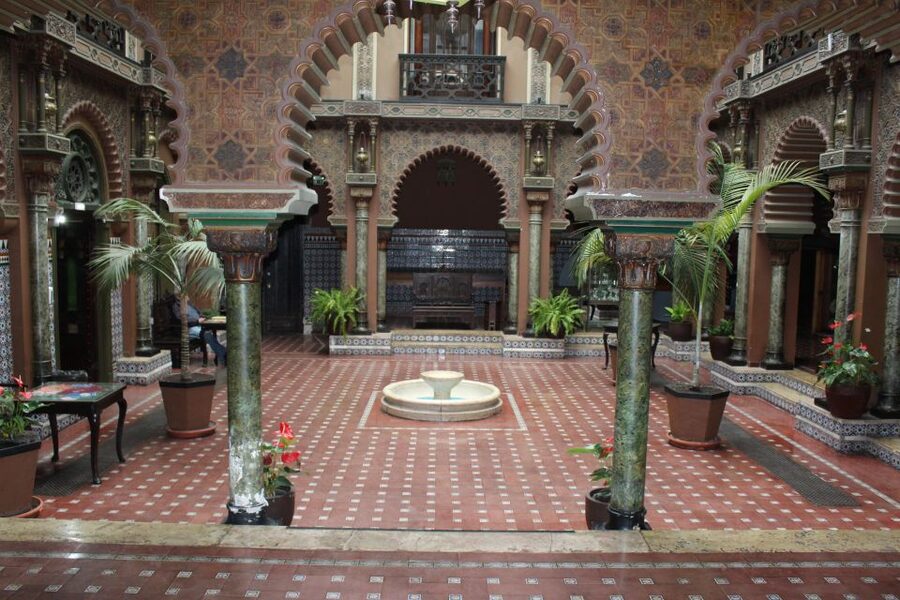
Campo das Cebolas connects to the old port area of Lisbon, where the first African slaves arrived in Europe. That sentence is heavy, but the tour treats it as a factual turning point rather than a vague theme. You’re given the setting—Lisbon as a working maritime city—so the slave route is understood as part of a broader system.
If you’re the kind of person who wants “what happened where” instead of only “what happened,” this stop fits you well. It’s also a reminder that port neighborhoods are never just scenery; they are infrastructure for power, wealth, and suffering. You walk through space that once mattered to the transatlantic economy, and that shift in perspective is the point.
Praça do Comércio and Baixa: Power, Trade, and Earthquake Aftermath
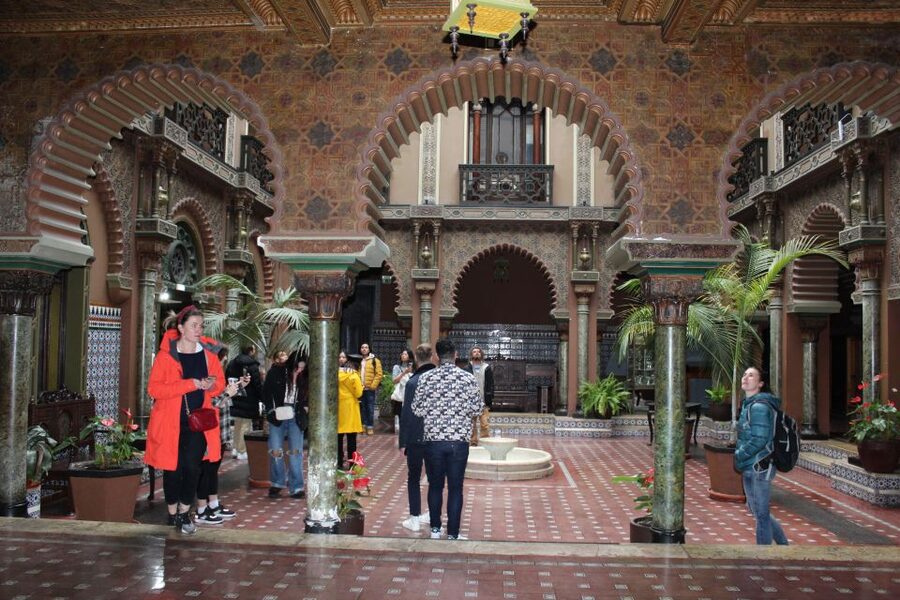
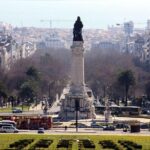
The route then moves to Praça do Comércio, one of Lisbon’s most emblematic public squares. This is where multiple key moments in Portuguese history took place, including an important connection to the slave trade. The square’s scale helps you understand how state power and international commerce could share the same stage.
From there you head into Baixa, Lisbon’s central district, shaped by the 1755 earthquake. The tour uses that rebuilding to talk about how Portuguese society adapted—while still living with the moral and social consequences of empire and commerce. If you like your history to include “how a city changed,” this section gives you both the physical and the human context.
Rua Cor de Rosa: Daily Life, Gender, and Public Space
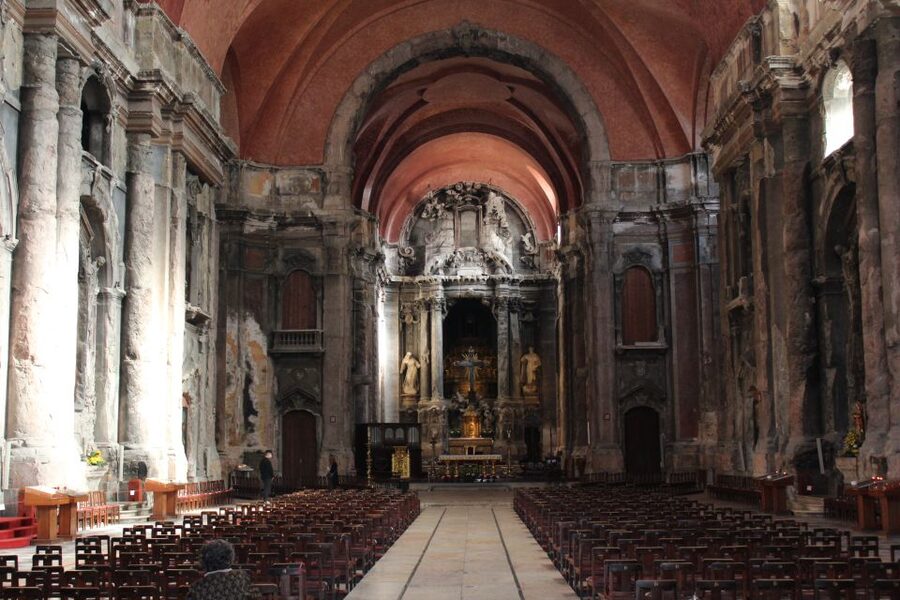
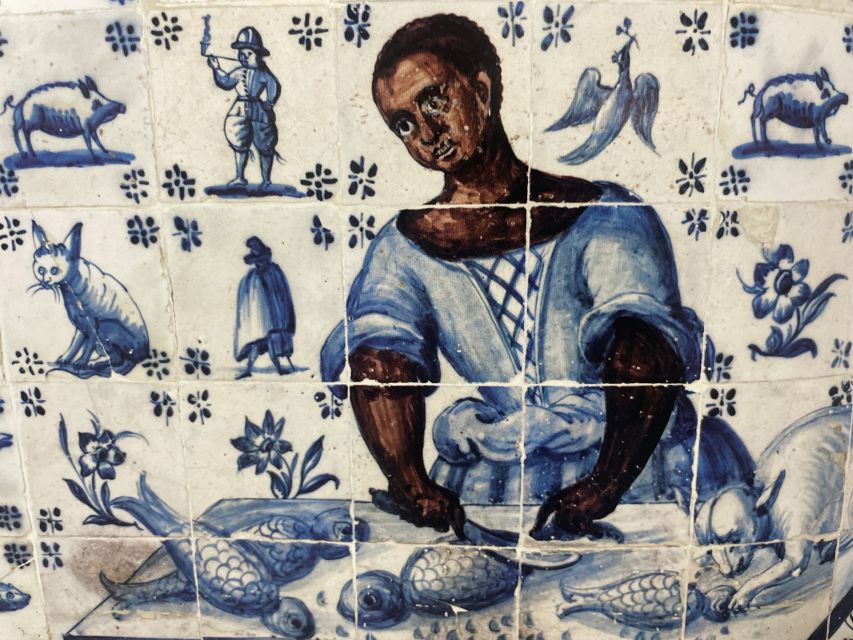
Rua Cor de Rosa is another stop with strong storytelling energy. This is where African women provided services, and the tour uses that reality to discuss how Africans were folded into Portuguese urban life. It’s not a detour; it’s part of the same chain of interaction and control that shaped Lisbon’s role in Atlantic history.
I appreciate how this stop keeps the conversation from becoming abstract. You’re confronted with how people lived inside the system—working, surviving, and carving out space under harsh conditions. It’s also an important correction to the idea that “history” only belongs to famous figures and official buildings.


Rossio Area: Integration, African Communities, and a Catholic Landmark
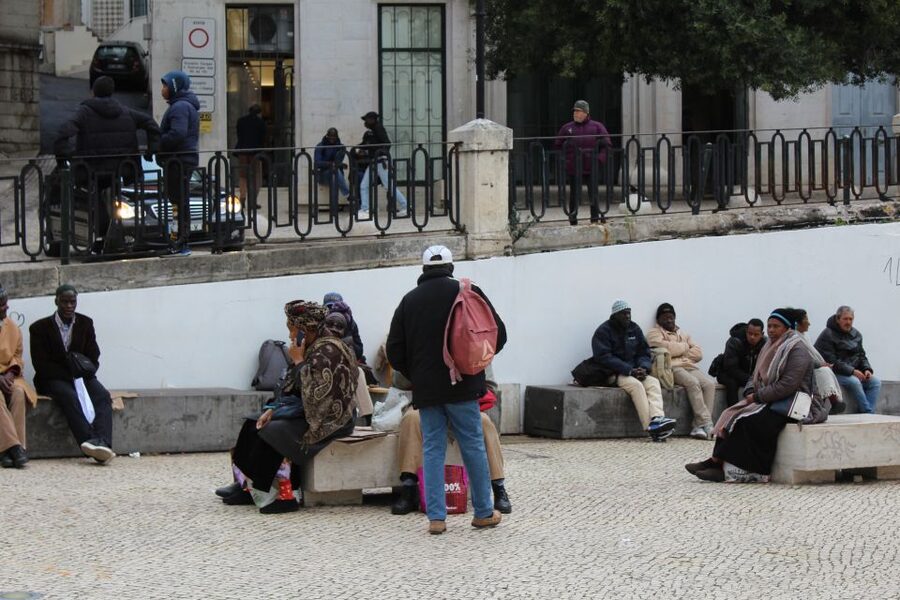
Rossio is described as one of the city’s central, busy areas, and the tour uses that setting to talk about integration and the creation of colonies. The message is clear: Lisbon wasn’t only a departure point. It was also a place where African communities formed, interacted, and endured within Portuguese society.
The walk continues toward Church of S. Domingos, which the tour uses to explain forms of integration of Africans into Catholic religion. This is one of the moments where you’ll likely feel the tour balancing respect and realism—showing religious adoption as something tied to power, not just personal faith.
If you’re interested in how cultural change happens in real cities—through institutions, language, and daily practice—this church stop is a key hinge in the story. It also helps you connect religion to the larger colonial system instead of treating it as separate.
Rossio Station and the Berlin Conference Link (Yes, It’s on Foot)
Near Rossio, you get to the train station built during the 19th century with Manueline architectural style. The tour frames this station as part of Portugal’s “golden times” and as a way for the country to claim status among European powers dividing Africa into colonies in the Berlin Conference of 1884.
This part is valuable because it ties a local street-level walk to a global political decision. You’re seeing how architecture can act like messaging—pride, legitimacy, and national power—at the exact moment Europe was formalizing colonial control.
It’s also a good checkpoint for you: by now you can connect the dots between early port activity, empire growth, and later political sorting. If the earlier stops felt like separate stories, this is where the tour stitches them together.
A 3.5-Hour Walk That Moves Fast but Stays Question-Friendly
The duration is 3.5 hours, which is a sweet spot. It’s long enough to cover multiple neighborhoods and major landmarks, but short enough that you’re not stuck for half a day when you still want time for viewpoints and meals.
The guides—Jose, Al, Alcides, and others—are consistently praised for friendliness and professionalism, plus their ability to answer questions. That matters because this theme deserves more than a quick scroll of facts. You’ll want time to ask how integration worked, what “social class” meant in public spaces, and how the trade route shaped the city you’re walking through today.
There’s also mention of a snack break, which is a practical detail you’ll be glad for. Walking uphill in old neighborhoods works up an appetite, and that small reset can keep the tone from feeling too heavy for too long.
Price and Value: What You’re Paying For at $176
At $176 per person, this isn’t a budget impulse. You’re paying for a guided walking format, live instruction in English, Spanish, or Portuguese, and the choice to spend 3.5 hours on a subject most standard Lisbon tours skip or flatten.
Here’s the value angle that makes sense: the tour doesn’t just point at sites. It interprets what they meant—like using Chafariz d’El Rei to explain divisions, or using Campo das Cebolas to anchor the slave-port story. That kind of guided context is the difference between taking photos and actually understanding why those places matter.
You also get a bottle of water included, which sounds small but helps you stay comfortable and not scramble mid-route. Food and drinks aren’t included, so plan to eat before or after your walk.
Meeting Point and Practical Setup: Where to Start and What to Wear
You meet your guide at A Padaria Portuguesa. That’s a useful detail because it makes your start easy to navigate—especially if you like showing up on time, not sprinting around corners hoping someone waves you down.
This tour is a walking experience, so wear shoes with grip. The route includes older streets and uphill sections, and it’s not suitable for mobility impairments. If you’re traveling with someone who needs step-free access, this may not be the right fit.
Bring a hat or sunglasses if the weather is bright, and a light layer if evenings cool down. You’ll get water, but you still want to manage your comfort—Lisbon walks can surprise you with sun, wind, and stairs.
Who This Tour Is For (and Who Might Want a Different Option)
This tour is a great match if you want a more honest, grounded look at Lisbon’s African connections—especially the Moorish roots, African legacy in the city, and the early transatlantic slave route. It also fits well if you like learning through buildings and streets instead of only museum-style timelines.
If you prefer relaxed sightseeing with minimal historical weight, you might find parts of the story challenging. The focus on slavery and colonial systems is not sugar-coated, and that’s the point. On the other hand, if you’re curious and you want your Lisbon to feel connected to global history, this walk is exactly in that lane.
Should You Book This Lisbon African History Tour?
I think you should book it if you want Lisbon with context. The route connects neighborhood history to big Atlantic and colonial developments, and the guides named in participants’ experiences show up as patient, friendly, and good at answering questions.
Skip it if uphill walking is a problem for you or if you need a lighter, purely scenic tour. And since food and drinks aren’t included, plan a meal either before you meet at A Padaria Portuguesa or afterward so you don’t end up making do on an empty stomach.
FAQ
How long is the Lisbon African History and Heritage Walking Tour?
It lasts 3.5 hours.
How much does the tour cost?
The price is $176 per person.
Where do I meet the guide?
Meet your guide at A Padaria Portuguesa.
What’s included in the tour?
The tour includes a walking tour, a live guide, and a bottle of water.
Are food and drinks included?
No. Food and drinks are not included.
What languages is the tour offered in?
The live tour guide is available in English, Spanish, and Portuguese.
Is there free cancellation?
Yes. You can cancel up to 24 hours in advance for a full refund.
Do I have to pay right away?
You can reserve now and pay later.
Is the tour suitable for people with mobility impairments?
No, it is not suitable for people with mobility impairments.
When should I book to match my schedule?
The tour runs 3.5 hours, and you can check availability for starting times before you reserve.