REVIEW · UJI
Slow Cycling Tour at Uji’s Matcha Green Tea Fields and Heritage
Book on Viator →Operated by BROMPTON SLOW CYCLING TOURS · Bookable on Viator
Uji is a matcha town worth seeing by bike. This slow cycling tour uses a Brompton bicycle and a local English guide to link tea culture with temples and quiet river views south of Kyoto.
What I like most is the mix of tea-focused stops (including Chazuna) with classic Uji shrines and Zen temple pacing. I also like that the ride is genuinely manageable—slow, relaxed, and designed for people who don’t want a workout-vs-biking challenge.
One thing to consider: a couple of the best-known indoor/paid moments are optional and not included, so you may want to budget extra if you care about Chazuna and the Phoenix Hall.
In This Review
- Key highlights to look for
- Why Uji feels different from a typical Kyoto day
- Your Brompton setup: easy ride, smart comfort
- Stop 1: Chazuna tea culture at the town exchange center
- Stop 2 and 3: Uji Shrine and Ujigami Shrine in calm succession
- Stop 4: Asagiri Bridge for photos and river-time breathing
- Stop 5: Koshoji Temple and the Kotosaka stone approach
- Stop 6: Amagase Dam nature trail and the wooden Amagase Bridge
- Stop 7: Byodo-in Omotesando and optional Phoenix Hall entry
- Food breaks: how the guide helps you actually eat well
- Price and value: what $130.46 really covers
- Who should book this slow cycling matcha tour
- Should you book this Uji Slow Cycling Tour?
- FAQ
- What does the tour include?
- What costs extra during the tour?
- How long is the tour?
- Where does the tour start and end?
- How big is the group?
- Is cancellation free if plans change?
Key highlights to look for
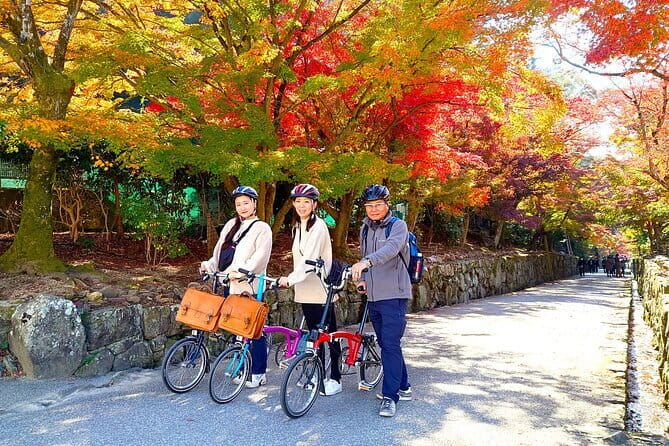
- Brompton bikes with helmets and transport bags, so you show up ready to ride
- Small group size (maximum 6), which makes stops feel calm instead of rushed
- Tea + heritage route with shrines, a Zen temple, and a river nature trail
- Photo-friendly timing at spots like Asagiri Bridge and the Uji River views
- English guidance from a local navigator, including help planning food breaks
- Optional admissions for Chazuna and Byodo-in Phoenix Hall if you want the extra depth
Why Uji feels different from a typical Kyoto day
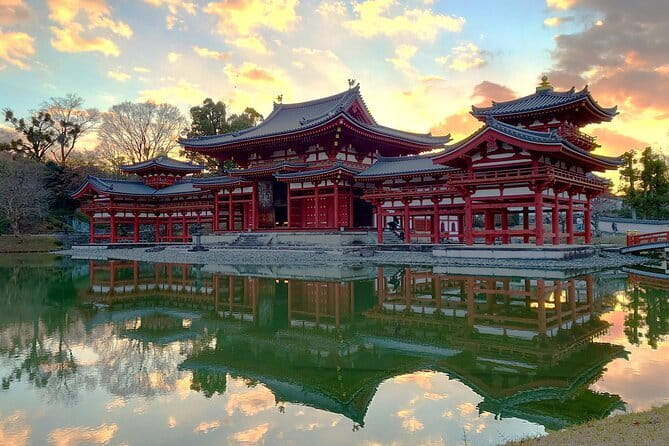
Kyoto gets all the attention, but Uji is where the story gets more specific. This town is famous for matcha tea production, and it also has historic shrines and temples that stretch back centuries.
Cycling helps because you cover ground without losing the small-town feel. You’re not just passing by famous places—you’re moving through neighborhoods, river paths, and temple approaches at a speed that lets you notice details like stone steps, shrine grounds, and tea-related sites.
Also, it’s a practical choice if you want a lighter day. The tour is designed as slow cycling, and the general setup is meant to keep things comfortable for most people.
You can also read our reviews of more tours and experiences in Uji.
Your Brompton setup: easy ride, smart comfort
This tour gives you the bike and the riding kit. You’ll get a BROMPTON bicycle, plus a helmet and equipment such as bags for wheeled transport, so you’re not juggling rentals and gear on your own.
The pace is the big win. “Slow cycling” sounds like marketing until you’re actually riding it: think gentle rhythm, frequent stops, and a route built around sightseeing time rather than speed. If you’re not a confident cyclist, this kind of structure is what makes a bike tour actually work for you.
The group is also small—up to 6 travelers. That matters more than people expect. With fewer riders, the guide can keep everyone together, explain details without repeating themselves endlessly, and spend a little extra time when a stop is photogenic.
One more practical note: confirmation is handled ahead of time and you’ll receive a mobile ticket. That reduces the usual “where do we meet again?” stress.
Stop 1: Chazuna tea culture at the town exchange center
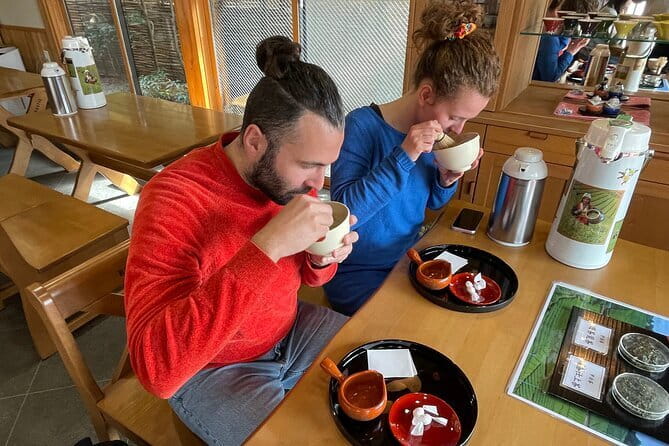
Your first stop is Chazuna, the Tea and Uji Town Exchange Center. Plan on about 45 minutes here, with a focus on Kyoto-area tea culture and history.
This is a good early anchor. You’re setting your brain in “matcha mode” before you start hopping between shrines and scenic spots. If you like understanding the why behind what you’re seeing, this stop pays off.
There’s one cost point to plan for: the Chazuna entrance ticket is optional (600 yen). That doesn’t mean you should skip it—just means you should decide based on your interest level. If you’re a matcha person, I’d usually treat this as worth it.
Stop 2 and 3: Uji Shrine and Ujigami Shrine in calm succession
Next come two shrines that give Uji its spiritual backbone.
At Uji Shrine, you’ll spend about 30 minutes. It’s known for a long history (over 1,700 years) and is believed to be beneficial for academic success and childbirth success. Even if you’re not following the religious aspect, shrine grounds in Japan have a special calm—this one is built for that slow observation.
Then it’s Ujigami Shrine (also about 30 minutes). This shrine is paired with Uji Shrine, and it’s connected to a spring called Kirihara Water, one of Uji’s famous waters.
If you want a small but memorable detail: pay attention to how the shrines feel like neighbors rather than separate “attractions.” Your guide can help you connect what you’re looking at, like how the spring and shrine grounds fit into the town’s identity.
Both shrines are free to enter, so there’s less decision fatigue here. You can just enjoy the pacing.
Stop 4: Asagiri Bridge for photos and river-time breathing
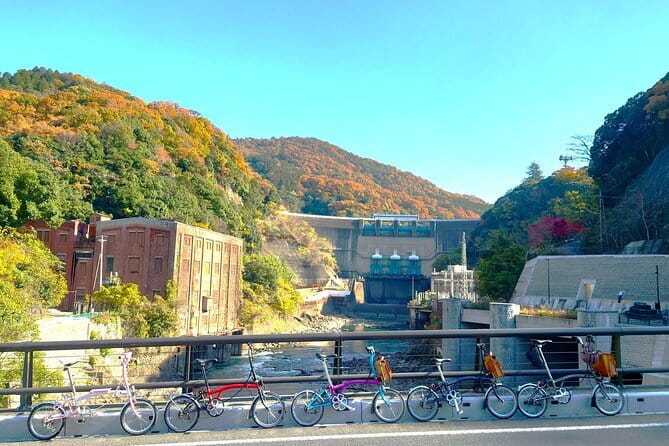
Asagiri Bridge is a shorter stop—about 15 minutes—but it’s there for a reason. It’s a simple photo opportunity over the Uji River, and it also gives you a mental reset between more structured stops.
This is where you’ll benefit from the slow bike format. Instead of rushing from one “big” place to another, you get a brief pause that feels natural. Take your photos, look down at the water, then roll onward.
If you hate standing still during tours, this is a pretty gentle place to do it. Fifteen minutes isn’t long enough to feel like waiting for a bus.
Stop 5: Koshoji Temple and the Kotosaka stone approach
Koshoji (spelled Koushoji on some schedules) is a Zen temple with a history around 800 years. You’ll spend about 30 minutes, and the highlight is the Kotosaka slope from the stone gate to the temple grounds, made with stone walls.
Zen temple approaches are one of those things you only really understand once you’re there. The path shape matters. The stone walls frame your view, and the route through the grounds feels like a guided transition from street noise into quiet.
This is another free stop, which helps keep the tour from turning into a pay-to-see checklist. You’re paying for the ride, the route planning, and the guide’s local context.
Stop 6: Amagase Dam nature trail and the wooden Amagase Bridge
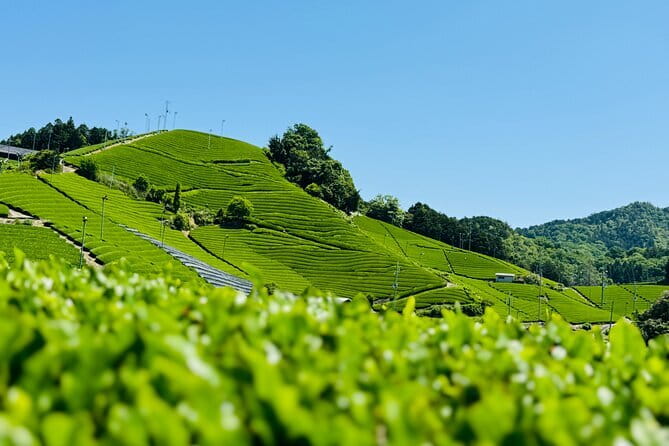
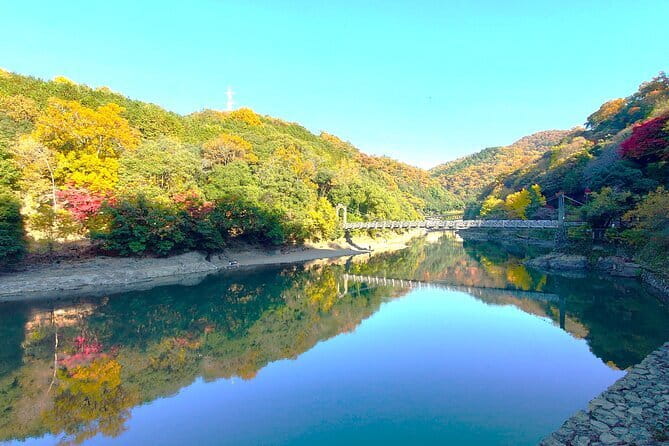
Now for the scenic payoff. Amagase Dam comes with about 1 hour of time, and the route includes a nature trail along the Uji River.
You’ll walk to the wooden Amagase Bridge for a tranquil view of the valley. This is the part where it stops feeling like a tour and starts feeling like a day out. Kyoto is close by, but here the pace turns quiet fast.
Because the tour is designed around slow cycling, you shouldn’t feel worn out by the time you reach this stop. It’s placed like a calm middle act—long enough to enjoy it, not so long that you’re hunting for energy.
This stop being free also adds value. You’re getting a real change of scenery without another ticket hurdle.
Stop 7: Byodo-in Omotesando and optional Phoenix Hall entry
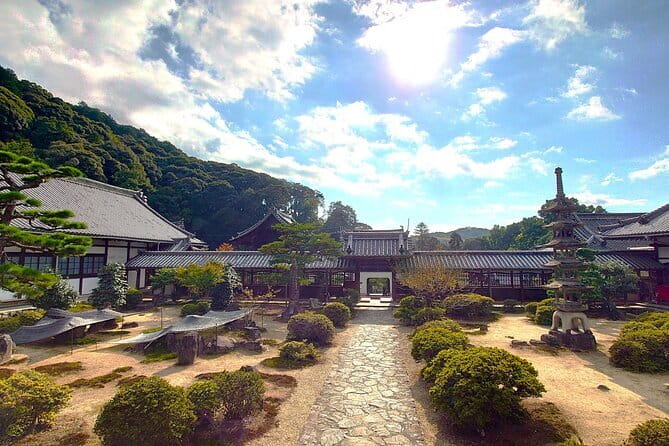
Your final sightseeing block is Byodo-in Omotesando, with about 1 hour allotted as you return toward the city.
This is where you have options depending on what you want most:
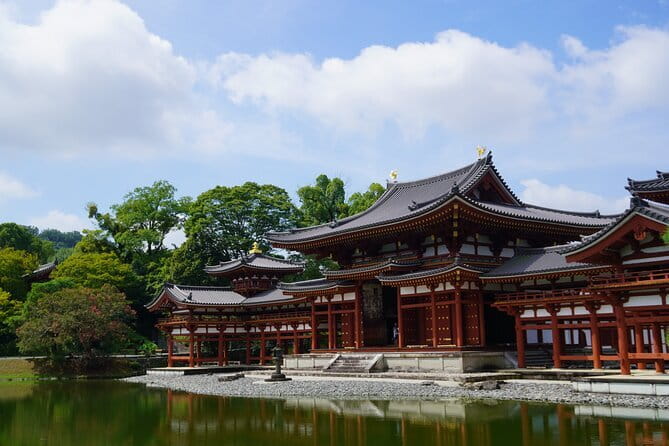
- You can visit the Byodo-in Phoenix Hall, a UNESCO World Heritage Site (the entrance fee is optional: 700 yen).
- Or you can use your time for a tea in Uji’s tea shops, if that sounds more like your vibe.
From a “value” perspective, this final hour is useful because it matches how people travel. If you’re a history and architecture fan, the Phoenix Hall choice makes sense. If you’re more of a matcha-and-snack person, tea shops let you end on something you can taste.
Either way, you’ll be returning to the meeting point at the end. The route is designed as a loop that doesn’t trap you in “see you later” confusion.
Food breaks: how the guide helps you actually eat well
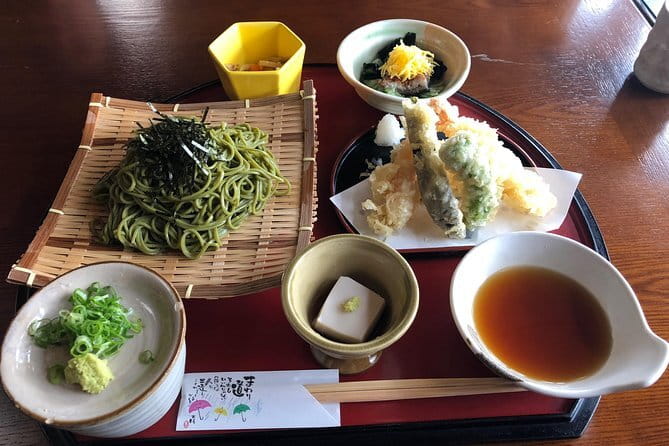
Snacks and refreshments aren’t included, but the plan is still food-friendly. Your accompanying navigator will suggest restaurants based on what you want.
That’s important because Uji has lots of tea-related options, and it’s easy to end up in places that are convenient rather than good. With local guidance, you’re more likely to find something that fits your preferences—especially if you have dietary needs.
From the tour experience you provided, I’d treat this as a flexible advantage, not a blank space. If you’re hungry, ask the guide before you reach that point, not after. You’ll usually get better choices when you’re not racing against everyone’s appetite.
Price and value: what $130.46 really covers
At $130.46 per person for roughly 4 hours 30 minutes, this isn’t a bare-bones “bike rental only” deal. It’s closer to paying for three things:
1) a Brompton bike and riding equipment (helmet and transport bag system)
2) an English guide / exclusive navigator fee
3) a planned route linking tea culture with multiple heritage stops
You’re also capped at 6 travelers, so you’re not buying a huge-group experience.
Optional costs exist (insurance, Chazuna admission, Phoenix Hall admission), but the baseline tour still delivers multiple free stops and a full half-day of guided time.
If you compare this kind of experience to doing Uji by yourself, the real savings aren’t about money—they’re about time and confidence. You don’t have to stitch together the best order of shrines, figure out where the quiet river areas are, or worry about whether your bike plan makes sense for your energy level.
Who should book this slow cycling matcha tour
This tour is a strong fit for:
- Matcha fans who want more than a quick tea shop stop
- People who like temples and shrines but want help connecting details
- Travelers who want a low-stress bike day with a small group
- Cyclists of mixed experience levels—because the ride is designed to be slow and manageable
It may be less ideal if:
- You want a nonstop ride with lots of distance and minimal stopping. This is a sightseeing-first route.
- You strongly prefer paying for fewer optional admissions. Chazuna and Phoenix Hall can add extra cost if you choose them.
If you’re traveling with someone who prefers walking breaks and someone else who likes biking, this setup often works. The timing gives both types a win.
Should you book this Uji Slow Cycling Tour?
I’d book it if you’re looking for a half-day that feels local instead of tour-bus-y. The bike choice matters too. A Brompton changes the vibe: you’re in the streets and paths, not just using a rental that feels clumsy in tight areas.
If you’re a matcha person, the tour gives you both context and payoff—tea culture at the start, then heritage stops, then the chance to finish with Phoenix Hall or tea shops. And because the group is small and the pace is gentle, it’s the kind of day that doesn’t leave you wrecked.
The only reason I’d hesitate is if you know you’ll skip optional indoor admissions like Chazuna or Phoenix Hall. If that’s the case, you can still enjoy the free shrines, temple, and river trail, but you’ll want to be honest about whether you’re paying primarily for the ride + guide time.
If that sounds good, this is a memorable way to see Uji beyond the headlines.
FAQ
What does the tour include?
It includes bicycle rental, an exclusive navigator fee, bicycle equipment such as helmets and bags for wheeled transport, and an English guide.
What costs extra during the tour?
Insurance is available as an optional fee (500 yen). Snacks are not included. You can also choose to pay for Chazuna entrance (600 yen) and the Byodo-in Phoenix Hall entrance (700 yen).
How long is the tour?
It’s about 4 hours 30 minutes.
Where does the tour start and end?
It starts at Chatsubo PostboxJapan (near Uji Station) and ends back at the same meeting point.
How big is the group?
The group size is capped at a maximum of 6 travelers.
Is cancellation free if plans change?
Yes. You can cancel for a full refund up to 24 hours before the experience start time. The experience also depends on good weather, and you’ll be offered a different date or a full refund if it’s canceled due to poor weather.