REVIEW · ROME
Private Ostia Antica Tour: The Perfectly Preserved Port of Ancient Rome
Book on Viator →Operated by Through Eternity Tours · Bookable on Viator
One of Rome’s best time-travel strolls happens quietly. This private tour of Ostia Antica takes you through the well-preserved port world of Ancient Rome—streets shaped by daily life like bars, bakeries, baths, and brothels—so you can really picture what the city felt like at the water’s edge. I especially love the skip-the-line tickets and the chance to ask questions face-to-face with an English-speaking guide, from people like Brandon to Gracelyn, who bring the ruins to life with clarity and humor.
The main thing to watch is the terrain: it’s a walking route with steps and uneven surfaces, so comfortable shoes and a steady pace matter. If anyone in your group has mobility concerns, flag it early so the team can plan for you.
In This Review
- Key points to know before you go
- Ostia Antica’s port streets: why this feels different from central Rome
- Your private guide: how the experience lands (and why it’s worth it)
- The 5-hour plan: what you’ll see and why each stop matters
- House of Diana: household life in stone and silence
- Theatre of Ostia: climb for views and perspective
- Synagogue: a reminder of community beyond the Roman stereotype
- Forum: the port city’s public center
- Temple of Venus: religion as part of everyday rhythm
- Baths of Neptune: leisure and routine, not just a soak
- Value and price: what you’re really paying for
- Timing your start time: you can choose during opening hours
- Getting there and what to bring so the walk feels easy
- Who this tour fits best (and who might prefer something else)
- Should you book this Ostia Antica private tour?
- FAQ
- How long is the Private Ostia Antica Tour?
- Where does the tour start and end?
- Is admission included?
- Are skip-the-line tickets included?
- Can I choose a starting time?
- Is this tour suitable for people with mobility concerns?
- What should I plan for since transportation and food aren’t included?
Key points to know before you go
A true private format means only your group, with a guide who can tailor pacing
Skip-the-line tickets and admission included for the archaeological park time
A focused 4-hour ruins walkthrough inside an overall ~5-hour tour block
Climb up to the theatre views plus photo-friendly viewpoints from ruin steps
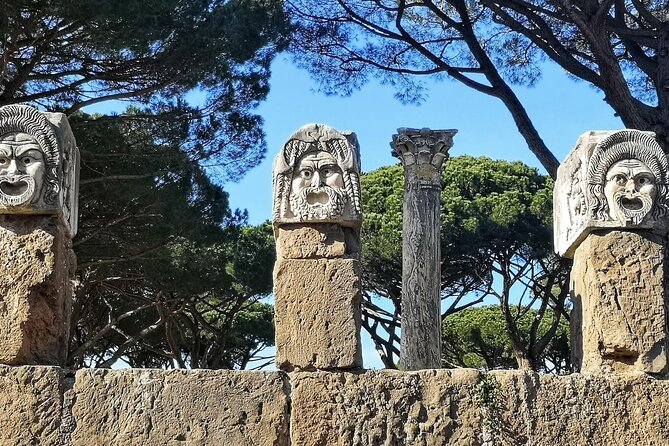
Cultural range in one stop: household life, public spaces, a synagogue, temples, and baths
Bring comfort gear: walking shoes and water are strongly recommended
Ostia Antica’s port streets: why this feels different from central Rome
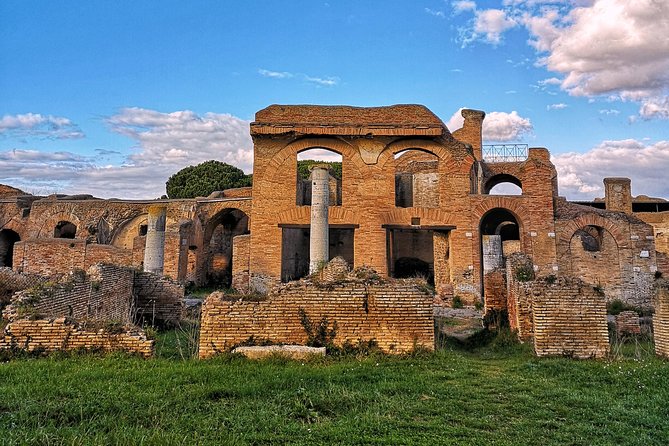
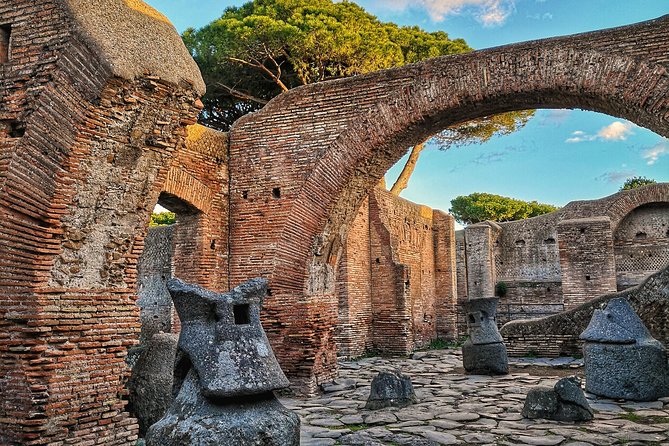
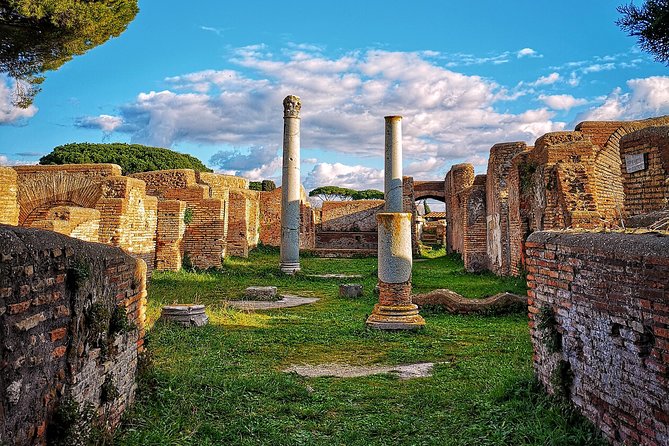
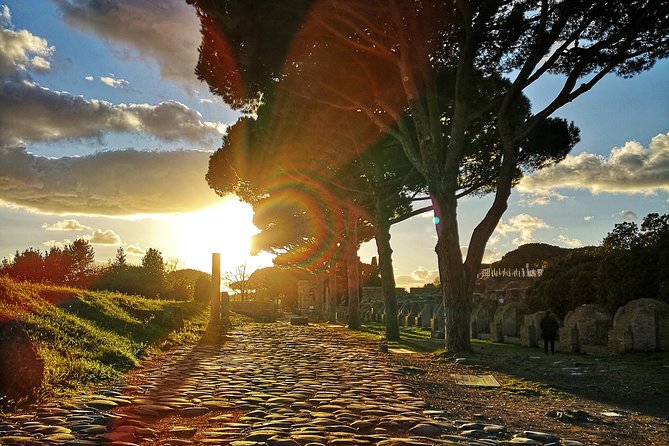
If you’ve done the major sights in Rome, you know the drill: crowds, noise, and the feeling you’re racing the clock. Ostia Antica offers the opposite vibe. This place is Roman life in a scale that feels readable—ruins laid out like a real neighborhood, right where the port would have brought goods, people, and stories.
You’ll walk through the remains of a once-busy port area, and that context matters. Instead of seeing Rome as only temples and emperors, you get the daily rhythm of a working city: everyday commerce, public routines, and entertainment spaces. The tour is designed to help you connect those dots as you move from one location to the next, without feeling lost.
And because the guide handles the storyline, you’re not stuck scanning plaques trying to guess what you’re looking at. You can spend your energy on the big stuff: the space, the layout, and the way the city functioned as a port community.
You can also read our reviews of more tours and experiences in Rome.

Your private guide: how the experience lands (and why it’s worth it)
This is a private tour, so you’re not sharing your guide with strangers who all have different interests and walking speeds. You also get a guide who can explain what matters as you go, not just recite facts from a distance.
From the guide examples associated with this tour, the style tends to be practical and human. Brandon has been described as both highly knowledgeable and very relatable—humor and classics background included. Gracelyn stands out for being attentive and congenial, including checking in for needs like rest breaks or extra time at a specific stop. That matters because Ostia Antica is not a quick drive-by. It’s a place where pacing can make or break your experience.
One detail I like: you may get headsets for groups of 6 or more. Even if you’re a small group, it’s a sign they’re thinking about how you’ll hear the guide clearly while walking through an archaeological park.
The 5-hour plan: what you’ll see and why each stop matters
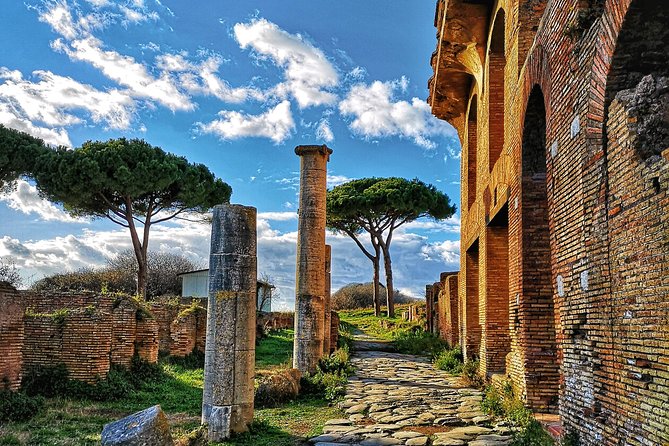
The tour runs for about 5 hours (approx.), with around 4 hours focused on the main archaeological park time and sites. Since it’s a walking tour, your “5 hours” isn’t random—it’s a realistic block to cover the route, climb for views, and get explanations without feeling rushed.
House of Diana: household life in stone and silence
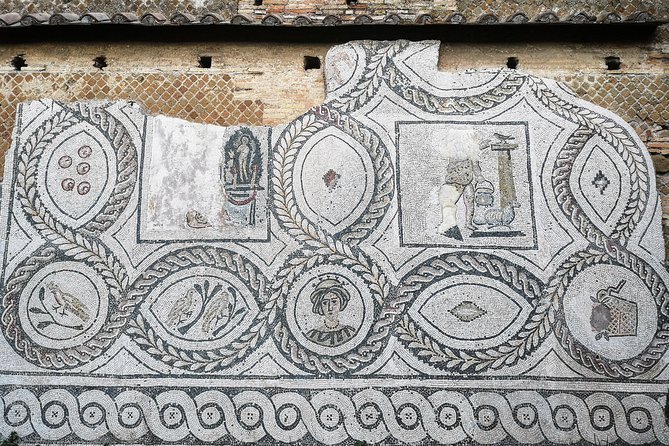
You start at the Parco Archeologico di Ostia Antica and head to the House of Diana. Even if you’re not a “read every room” person, a preserved domestic space helps anchor everything else. It’s where you can mentally switch from public port activity to everyday private life, and it makes the later civic and religious locations feel connected rather than separate.
Theatre of Ostia: climb for views and perspective
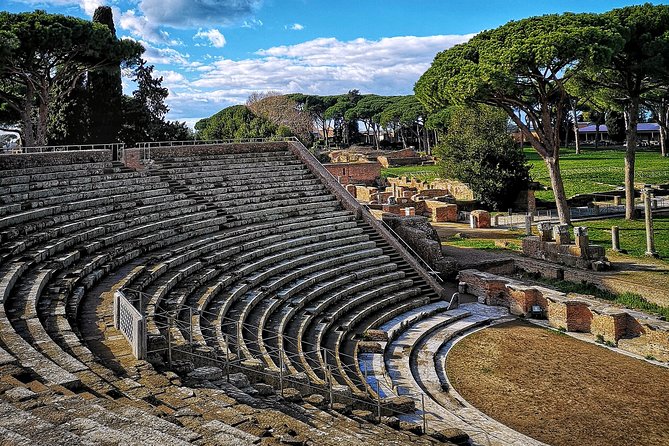
Next up is the Theatre of Ostia. The overview specifically calls out climbing to the top, and that’s one of the best “wow” moments on this route. From the higher steps and the theatre area, you can get that elevated perspective: the scale becomes clearer, and you can better picture how the port neighborhood fit together.
If you love photos, this is your best moment to stop, look around, and breathe. If you’re the type who wants a story behind the view, your guide can explain what you’re seeing as you’re seeing it.


Synagogue: a reminder of community beyond the Roman stereotype
Then you’ll visit the Synagogue. This stop changes the lens. Rome often gets presented as a single cultural machine, but here you see evidence of a community with its own identity within the broader world of the port. It’s a strong contrast point that keeps Ostia Antica from becoming one-note.
Forum: the port city’s public center
After that comes the Forum—the kind of space where civic life played out. Even in ruins, the Forum concept helps you understand “who used this place and for what.” It’s where a port city would organize itself socially and politically, not just trade goods.
Temple of Venus: religion as part of everyday rhythm
The Temple of Venus gives you the religious side of daily life. It’s also a useful anchor for the wider tour theme: this wasn’t an empty landscape. People worked, ate, gathered, performed, prayed, and relaxed in different places—often all in the same day.
Baths of Neptune: leisure and routine, not just a soak
Finally, you’ll see the Baths of Neptune. Baths are one of the best ways to understand a Roman city because they were more than hygiene. They were a place to slow down, socialize, and reset your day. In a port city, that routine would have mattered even more—people coming and going, mixing, and finding familiar rhythms.
Value and price: what you’re really paying for
At $494.10 per person, this isn’t a budget option. But it also isn’t priced like a generic walking tour with a quick tip jar. You’re paying for a private, English-speaking guide, all fees and taxes, and skip-the-line tickets that include admission during the park time.
Here’s how I think about the value:
- Private guiding saves time and reduces friction. You don’t waste your energy figuring things out on your own while walking uphill, past steps, and between scattered sites.
- Admission included removes a common headache: you’re not juggling ticket rules mid-trip.
- Headsets for larger groups suggest they’re set up for clear communication rather than “hear us if you can.”
Where cost can feel less comfortable is if you’re traveling solo or as a very small group and you’re not sure you’ll use the guide’s explanations. If you do care about context—why these spaces mattered—then this tour tends to feel like the right scale.
Timing your start time: you can choose during opening hours
One practical perk: the tour can start at any time during the opening hours of Ostia Antica. That flexibility helps you build a day that doesn’t collapse under “Rome timing stress.”
I’d use it like this: if you’re pairing Ostia Antica with another activity, choose a start that protects your energy. This is a walking route with steps, so later in the day can be fine, but avoid planning it right after a long museum marathon unless you enjoy that kind of stamina game.
Getting there and what to bring so the walk feels easy
The meeting point is Ple Ostiense-Piramide (Mb-Rl) 00154 Rome. The tour ends back at the same meeting point, which makes planning simple.
Transportation to and from the start and end point isn’t included, so you’ll want to plan your own route into the area. The good news: it’s near public transportation, so you shouldn’t feel stuck unless your schedule is odd.
What to bring is straightforward and worth taking seriously:
- Comfortable walking shoes (this park has steps and uneven surfaces)
- A bottle of water
Also, service animals are allowed, and if anyone needs accommodations for mobility concerns, tell the team ahead of time.
And one more thing: food and beverages aren’t included, so plan a snack stop if your schedule needs it. Gratuities are optional, but if your guide does a great job, you’ll probably know what to do.
Who this tour fits best (and who might prefer something else)
This works best if you want:
- A private, guided way to understand how the port functioned
- A slower pace than the typical Rome “checklist sprint”
- Real time explanations while you’re standing in front of the ruins
It can also be a great pick for couples, small families, and history-minded groups who value a guide’s tone and pacing. The guide examples (Brandon, Gracelyn) suggest the experience can be lively but still structured, and that attention to rest time can matter.
If you’re extremely limited on mobility or you hate uneven ground and stairs, you might find other formats easier. Not because the site isn’t worth it, but because the tour itself is built around walking through the park.
Should you book this Ostia Antica private tour?
If you want a Roman day that feels calmer than central Rome, and you’re willing to spend time walking a true archaeological site, I’d book it. The combination of private guiding, skip-the-line access, and an emphasis on port life gives you more than a set of ruins—you get a connected story you can actually follow.
Think twice only if your group struggles with steps and uneven surfaces, or if you’re traveling so light on energy that a 5-hour walking plan sounds miserable. If comfort is the priority, ask about accommodations early and plan shoes and water like they’re mission-critical.
If that sounds like you, Ostia Antica is a smart choice—and this private format is one of the best ways to appreciate why it’s so special.
FAQ
How long is the Private Ostia Antica Tour?
It’s listed at about 5 hours (approx.), with around 4 hours of guided time at the archaeological park and included admission.
Where does the tour start and end?
The tour starts at Ple Ostiense-Piramide (Mb-Rl) 00154 Rome and ends back at the same meeting point.
Is admission included?
Yes. Admission tickets for the archaeological park time are included.
Are skip-the-line tickets included?
Yes. Skip-the-line tickets are included.
Can I choose a starting time?
Yes. The tour can start at any time during Ostia Antica’s opening hours. You’ll be asked for your preferred starting time during booking.
Is this tour suitable for people with mobility concerns?
It involves a walking route through the park with steps and uneven surfaces. Comfortable walking shoes and water are strongly recommended, and you should advise the team if anyone has mobility concerns.
What should I plan for since transportation and food aren’t included?
Transportation to and from the meeting point and end point is not included, and food and beverages are not included. You’ll likely want to bring water and plan a snack or meal around the tour time.